
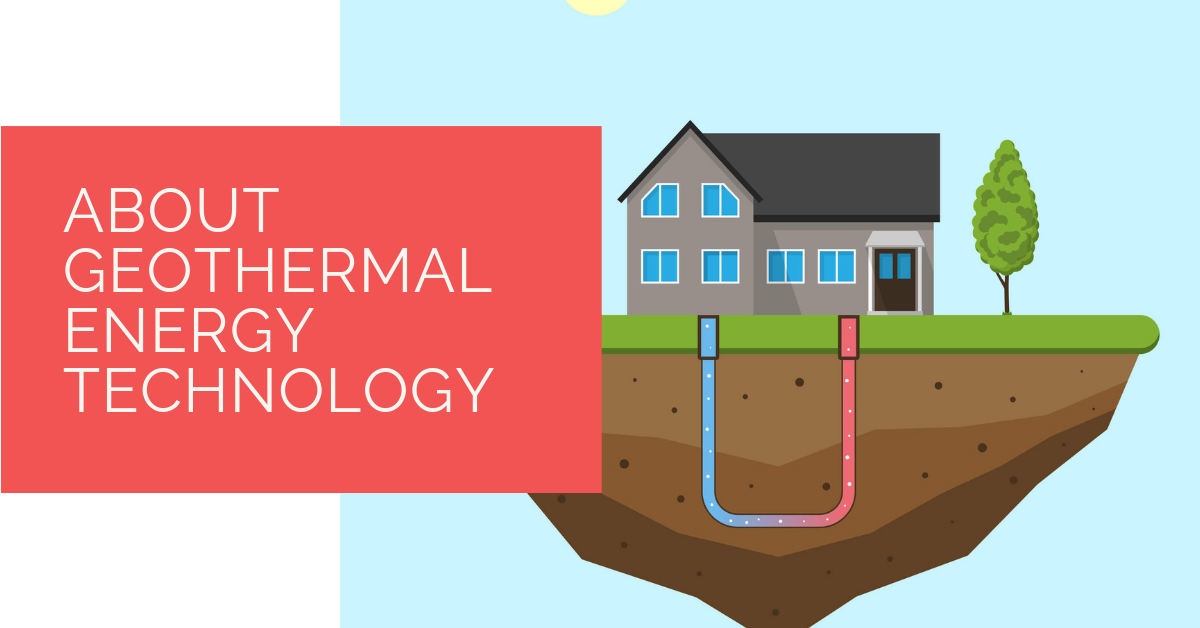
Geothermal energy technology uses heat stored beneath the ground. In UK homes, that usually means shallow geothermal systems such as ground source heat pumps. At a larger scale, it can also mean deep geothermal projects that use hotter rocks or groundwater for heat networks and, in some locations, electricity generation.
The distinction matters. A domestic ground source heat pump is not the same thing as drilling kilometres into hot rock. Both use the ground as an energy source, but the technology, cost, permissions and suitable sites are very different.
Contents
- 1 Key Takeaways
- 2 What Geothermal Energy Technology Means
- 3 Main Geothermal System Types
- 4 Is Geothermal Suitable For A UK Home?
- 5 Expert Insights From Our Heating Engineers
- 6 Frequently Asked Questions
- 6.1 Is Geothermal Energy The Same As A Ground Source Heat Pump?
- 6.2 Can Any UK Home Use Geothermal Heating?
- 6.3 What Is The Difference Between Shallow And Deep Geothermal?
- 6.4 Is Geothermal Better Than Air Source Heating?
- 6.5 Do Geothermal Systems Need Maintenance?
- 6.6 Can Geothermal Energy Generate Electricity In The UK?
- 7 Summing Up
Key Takeaways
- Shallow geothermal energy supports ground source heat pumps for buildings.
- Deep geothermal uses hotter resources at greater depth, often for heat networks or industrial-scale projects.
- Closed-loop systems circulate fluid through buried pipework or boreholes.
- Open-loop systems use groundwater where geology and permissions allow.
- Geothermal technology is efficient but site conditions and design quality are critical.
What Geothermal Energy Technology Means
The British Geological Survey explains that geothermal resources can be grouped into shallow and deep geothermal. Shallow geothermal uses low-grade heat in the near subsurface, while deep geothermal uses higher temperatures found at greater depths.

For most homeowners, the relevant technology is a ground source heat pump. It extracts low-temperature heat from the ground and upgrades it to a useful temperature for heating and hot water.
Shallow Geothermal And Ground Source Heat Pumps
Shallow geothermal systems use the fact that ground temperatures are steadier than air temperatures. In winter, the ground is usually warmer than the outside air; in summer, it can be cooler. A ground source heat pump uses buried pipework, boreholes or groundwater to exchange heat with that stable environment.
Horizontal collectors need land. Boreholes need drilling. Open-loop systems need suitable groundwater and regulatory approval. The heat pump then raises the temperature so it can serve radiators, underfloor heating or a hot water cylinder.
Deep Geothermal Technology
Deep geothermal looks further underground, where temperatures rise with depth. BGS notes that UK subsurface temperatures increase on average by around 27C per kilometre, although local geology varies. Deep systems may supply heat directly to networks or support power generation where temperatures are high enough and drilling is economic.
This is not usually a single-home technology. It is more relevant to heat networks, public buildings, industry, mines, aquifers and specific geological areas. The engineering challenge is drilling, water flow, rock conditions, reinjection, permissions and long-term resource management.
Main Geothermal System Types
| Technology | Typical Use | Best Suited To | Main Limitation |
|---|---|---|---|
| Horizontal closed loop | Ground source heat pump | Homes with available land | Needs garden or field area |
| Vertical borehole closed loop | Ground source heat pump | Sites with limited land | Higher drilling cost |
| Open-loop groundwater | Heating and cooling | Suitable aquifers or mine water | Requires water permissions and design |
| Deep geothermal | Heat networks or industry | Geologically suitable areas | High capital and drilling risk |
Benefits And Trade-Offs
Geothermal systems can be efficient because the ground temperature is stable. Ground source heat pumps often avoid the cold-air performance swings of air source units and can be quiet because the main outdoor heat exchange is underground.
The trade-off is installation complexity. Trenches, boreholes, geology, access, pipework, antifreeze, manifolds, heat pump design and heating emitters all need careful planning. For many homes, an air to water heat pump is simpler to install, while ground source may suit properties with land, long-term plans and a higher upfront budget.
Is Geothermal Suitable For A UK Home?
Shallow geothermal is technically possible in many parts of the UK, but practical suitability depends on space, ground conditions, access for machinery, heat demand and budget. A compact urban terrace is unlikely to be an easy horizontal collector site. A rural property with land may be much more suitable.
For domestic decisions, compare geothermal with other low-carbon heating routes rather than treating it as automatically superior. Our ground source heat pump guide covers installation choices, and our heat pump sizing guide explains why heat loss comes first.
Practical Checklist Before Exploring Geothermal
- Do you have enough land for horizontal collectors, or access for borehole drilling?
- Has the building heat loss been calculated?
- Are radiators or underfloor heating suitable for low-temperature operation?
- Is there space for a plant area and hot water cylinder?
- Have ground conditions, permissions and access been checked?
- Are you comparing lifetime performance, not just installation cost?
What Competent Design Looks Like
A good geothermal heating design starts with the building heat demand, not the ground loop. The designer should know the room-by-room heat loss, the proposed flow temperature, the hot water requirement and the emitter outputs before deciding how much ground collector or borehole depth is needed.
The ground side must then be matched to the load. If the collector is undersized, the ground can be over-extracted and performance can suffer. If the heat pump is oversized, cycling and inefficient operation can follow. The best systems feel uneventful because the invisible design work was done properly.
| Design Question | Why It Matters | Who Answers It |
|---|---|---|
| What is the building heat loss? | Sets the required heating output | Heat pump designer |
| What ground conditions exist? | Affects borehole or collector design | Ground works specialist |
| What flow temperature is needed? | Influences efficiency | Heating designer |
| Is there enough space? | Determines horizontal or vertical approach | Installer and homeowner |
| What permissions apply? | Especially important for open-loop systems | Installer and relevant authorities |
Common Misunderstandings
Geothermal does not mean unlimited free heat. The system uses electricity, needs good design and must respect the capacity of the ground or water source. It also does not remove the need for insulation. A poorly insulated home simply demands a larger and more expensive system.
Where Geothermal Can Shine
It is most attractive where there is land, long occupancy, high heat demand, a desire for low outdoor noise and a homeowner willing to invest for long-term performance. It can also be compelling for shared ground loops or heat networks, where drilling cost and ground resources are spread across multiple users.
For a homeowner, the most useful comparison is often between horizontal collectors, boreholes and air source heat pumps. Horizontal collectors can be cost-effective where land is available, but the garden disruption is significant. Boreholes reduce land area but increase drilling cost. Air source systems avoid ground works, but performance varies more with outdoor air temperature. None is automatically best; each is a design response to a particular property.
For public buildings or estates, geothermal becomes more interesting at network scale. A shared loop, mine water scheme or deep geothermal heat network can serve multiple users and justify investigation that would be unrealistic for one small home. That is where geology, local heat demand and long-term ownership line up.
Expert Insights From Our Heating Engineers
Our engineers see geothermal as a strong option when the site supports it, not as a universal upgrade. The ground loop is effectively the fuel source, so poor ground design can undermine an otherwise good heat pump.
The best projects start with heat loss and site assessment together. If the home needs less heat after insulation improvements, the ground array or borehole field may be smaller and cheaper. That is why fabric-first thinking still matters with geothermal technology.
Frequently Asked Questions
Is Geothermal Energy The Same As A Ground Source Heat Pump?
Not exactly. A ground source heat pump is a common shallow geothermal technology for buildings. Geothermal energy is the broader term and can also include deeper resources used for heat networks, industry or electricity generation in suitable locations.
Can Any UK Home Use Geothermal Heating?
Many homes can technically use shallow geothermal, but not every site is practical. Horizontal collectors need land, boreholes need drilling access and budget, and open-loop systems need suitable water conditions and permissions. A site survey is essential.
What Is The Difference Between Shallow And Deep Geothermal?
Shallow geothermal uses low-grade heat near the surface, often with a heat pump. Deep geothermal uses hotter resources at greater depth and is usually associated with larger heat networks, industrial heat or power generation where geology allows.
Is Geothermal Better Than Air Source Heating?
It can be more stable and efficient because ground temperatures fluctuate less than air temperatures, but it is usually more expensive and disruptive to install. Air source heat pumps are often simpler, while ground source can suit properties with land and long-term plans.
Do Geothermal Systems Need Maintenance?
Yes, although ground loops are generally low maintenance once installed properly. The heat pump, pumps, filters, antifreeze concentration, pressures and controls still need periodic checks. Access points and manifolds should remain serviceable.
Can Geothermal Energy Generate Electricity In The UK?
In some locations and project types, deep geothermal resources may support electricity generation, but this is not the common domestic application. Most UK homeowner interest is in shallow geothermal heating through ground source heat pumps.
Summing Up
Geothermal energy technology ranges from domestic ground source heat pumps to deep geothermal heat networks and specialist power projects. For homeowners, the key question is whether the site can support a well-designed ground source system that matches the building heat loss, budget and long-term heating plan.
Updated