

Choosing a heat pump is not really a question about one appliance. It is a question about your whole heating system: how much heat your home loses, how your radiators or underfloor heating deliver warmth, where the equipment can go, how hot water is stored, what grants apply and whether the installer designs the system properly.
That is why two homes can have very different heat pump experiences. In a well-assessed property with suitable emitters and sensible controls, a heat pump can provide steady comfort and lower-carbon heating. In a rushed installation where the survey is little more than a sales visit, the same technology can feel disappointing, expensive or awkward to live with.
This guide explains how heat pumps work, the main types available in the UK, what affects cost and performance, and what to check before you request quotes. The aim is simple: to help you decide whether a heat pump is worth exploring for your home, and to help you spot the difference between a proper design and a shallow sales pitch.
Key Takeaways
- Heat pumps move heat rather than generate it directly, which is why they can deliver more heat energy than the electricity they use.
- Home suitability depends on heat loss, insulation, radiator or underfloor heating output, hot-water storage, outdoor space, noise and controls.
- Air source heat pumps are the most common domestic option because they are usually simpler to install than ground source systems.
- Ground source heat pumps can be very efficient, but they need land, boreholes or trenches and a higher upfront budget.
- Running costs depend on seasonal efficiency, electricity tariff, flow temperature, hot-water settings and how well the home holds heat.
- The Boiler Upgrade Scheme can reduce upfront cost for eligible installations in England and Wales, but the installer and system must meet the scheme rules.
- A good quote should include heat-loss calculations, emitter checks, hot-water design, controls, commissioning and aftercare.
What A Heat Pump Actually Does
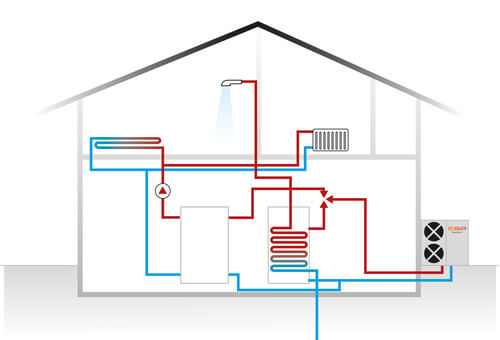
A heat pump transfers heat from one place to another. For home heating, it usually collects low-temperature heat from outside air, the ground or water, then raises that heat to a useful temperature for radiators, underfloor heating and hot water.
The process is similar to a fridge working in reverse. A refrigerant absorbs heat, is compressed to raise its temperature, releases heat into the home’s heating circuit, then expands and repeats the cycle. Because the system is moving heat rather than creating all of it directly, a well-designed heat pump can deliver several units of heat for each unit of electricity it uses.
The important phrase is “well-designed”. A heat pump’s performance is not decided by the outdoor unit alone. It is shaped by the building, pipework, radiators, floor heating, cylinder, controls and the temperature the system is asked to produce.
The Main Types Of Heat Pump
Most homeowners are choosing between air source and ground source heat pumps. Water source and hybrid systems also exist, but they are more situation-specific.
| Type | Best Suited To | Main Advantage | Main Caveat |
|---|---|---|---|
| Air Source Heat Pump | Most homes with suitable outdoor space | Simpler installation and lower upfront cost than ground source | Performance varies with outdoor air temperature and system design |
| Ground Source Heat Pump | Larger plots, rural homes, new builds and deep retrofits | Stable heat source and strong seasonal efficiency | Higher cost and disruption from trenches or boreholes |
| Water Source Heat Pump | Properties with a suitable water source | Can be efficient where the water source is appropriate | Needs specialist assessment and permissions |
| Hybrid Heat Pump | Some transition projects where a boiler remains | Can reduce fossil-fuel use while keeping boiler backup | More complex and not always the cleanest long-term solution |
For many UK retrofits, an air source heat pump is the practical first option. It needs an outdoor unit with airflow, service access and sensible noise placement, but it avoids the groundworks needed for a ground source system.
A ground source heat pump can be excellent where the property has land or a borehole budget. The ground temperature is more stable than outdoor air, which can help seasonal performance, but the installation is more involved and the payback case depends heavily on the site.
Is Your Home Suitable For A Heat Pump?
The best starting question is not “Which heat pump should I buy?” It is “How much heat does my home need, and can it deliver that heat at lower flow temperatures?” A proper survey should answer that room by room.
Heat pumps usually work best when they run steadily at lower temperatures. That means the home needs to hold heat reasonably well, and the radiators or underfloor heating need enough surface area to warm rooms without very hot water. A draughty room, small radiator or badly insulated extension can force the system to run hotter than ideal.
Suitability Checklist
| Question | Why It Matters |
|---|---|
| Has a room-by-room heat-loss calculation been done? | This tells the installer how much heat each room needs on cold days. |
| Are the radiators or underfloor heating large enough? | Undersized emitters may need hotter water, reducing efficiency. |
| Is there space for a compatible hot-water cylinder? | Many boiler cylinders are not suitable for heat pump operation. |
| Can the outdoor unit be positioned sensibly? | Airflow, access, condensate drainage and noise all matter. |
| Is the home reasonably insulated? | Lower heat loss means lower flow temperatures and better comfort. |
| Will the controls be explained properly? | Heat pumps are often used differently from boilers. |
Older homes are not automatically unsuitable. Victorian terraces, rural cottages and 1970s houses can all work with heat pumps, but they need honest design. Draughts, loft insulation, radiator sizing and hot-water storage often matter more than the age of the property.
Heat Pumps And Radiators
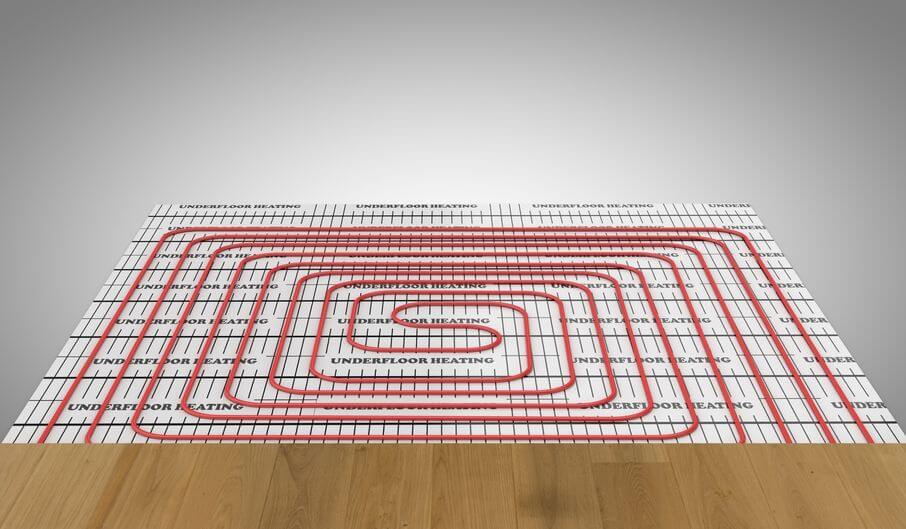
A common myth is that every heat pump home needs underfloor heating. It does not. Underfloor heating is a strong match because it uses a large warm surface, but radiators can work well if they are sized for lower water temperatures.
The issue is output. A radiator that heated a room with 70°C boiler water may not deliver enough heat with 40°C or 45°C heat pump water. Some radiators can stay, some may need replacing, and some rooms may benefit from larger double-panel or triple-panel radiators.
Be wary of installers who say all radiators must be replaced without calculations. Be just as wary of installers who say none need checking. The right answer comes from room heat loss, radiator output and target flow temperature.
Costs, Grants And Running Costs
Heat pump costs vary because installations vary. A simple air source heat pump replacement in a suitable home is very different from a large retrofit needing radiator upgrades, a new cylinder, electrical work and more complex pipe routes.
The Boiler Upgrade Scheme can provide support towards eligible heat pump installations in England and Wales. The grant is normally handled by the installer and deducted from the quote, rather than paid to the homeowner as cash. Always check the current rules before relying on any grant figure because schemes and eligibility requirements can change.
Running costs are more nuanced than a simple gas-versus-electricity comparison. Electricity is usually more expensive per kWh than gas, but a heat pump can deliver multiple units of heat from each unit of electricity. Seasonal efficiency, known as SPF or SCOP, is therefore crucial.
For example, a heat pump with a seasonal performance factor of 3 delivers about three units of heat for one unit of electricity. A system running at high flow temperatures, fighting heat loss or relying heavily on an immersion heater will perform worse. The bill is not just a product outcome. It is a design and usage outcome.
What Installation Involves
A heat pump installation should start before the installer arrives with tools. The survey should look at heat loss, existing radiators, pipework, cylinder space, outdoor unit position, electrics, controls and access. If the quote is based only on the old boiler size or a quick property type estimate, it is not good enough.
Air source installations usually involve fitting the outdoor unit, connecting pipework into the heating system, installing or upgrading the hot-water cylinder, making electrical connections, setting controls and commissioning the system. Some homes also need radiator changes, pipework alterations, condensate drainage and minor building work.
Ground source installations add ground loops or boreholes. That can be worthwhile for the right site, but it requires more planning, more disruption and specialist design. If the garden is already being landscaped or the property is part of a major renovation, the timing can make more sense.
How To Compare Heat Pump Quotes
Do not compare heat pump quotes only by the final price. A cheaper quote can be good value, but only if it includes the design work and components needed for the system to perform properly.
What A Good Quote Should Show
- Room-by-room heat-loss calculations.
- The proposed heat pump output and why it was chosen.
- Target flow temperature and expected seasonal performance.
- Which radiators, if any, need upgrading.
- Hot-water cylinder specification and location.
- Outdoor unit location, airflow, service access and noise considerations.
- Electrical work, condensate drainage and any building work.
- Controls, commissioning, handover and aftercare.
- Grant handling and MCS certification where relevant.
Ask the installer to explain the assumptions. What outdoor design temperature are they using? What flow temperature is the system designed for? What happens in the coldest rooms? How will hot water be heated? How should you use the controls after installation?
The Energy Saving Trust heat pump guide is a useful independent reference if you want a neutral overview before comparing installer claims.
Advantages And Disadvantages
The main advantages are lower-carbon heating, high efficiency, reduced reliance on gas or oil, and eligibility for support in some cases. A well-installed heat pump can also deliver very even comfort because it is designed to run steadily rather than blasting heat in short bursts.
The disadvantages are also real. Upfront cost can be high, installation is more involved than a like-for-like boiler replacement, and some homes need radiator, cylinder, insulation or electrical upgrades. Outdoor unit placement needs thought, and homeowners may need to adjust how they use heating controls.
| Benefit | Practical Caveat |
|---|---|
| High efficiency | Only if flow temperature and system design are sensible |
| Lower carbon heating | Best results come when the home is not wasting heat |
| Can replace oil, LPG or gas | May need changes to radiators, cylinder and controls |
| Steady comfort | Different from quick boiler-style heat boosts |

Common Heat Pump Myths
Heat Pumps Do Not Work In Cold Weather
Modern heat pumps can work in cold weather, but they need to be sized and designed properly. Efficiency changes as outside temperature falls, which is why heat-loss calculations and emitter sizing matter.
You Always Need Underfloor Heating
Underfloor heating helps, but it is not mandatory. Correctly sized radiators can work. The question is whether each room can receive enough heat at the planned flow temperature.
A Heat Pump Automatically Saves Money
Not always. Running costs depend on heat demand, seasonal efficiency, electricity tariff, hot-water use and controls. A good design can perform well, but poor installation can weaken the savings case.
The Biggest Unit Is The Safest Choice
Oversizing can create cycling, inefficiency and comfort problems. The right size comes from heat loss and system design, not a guess based on property size alone.
Case Study: Replacing An Ageing Boiler In A 1990s Detached Home
Background
A homeowner in a 1990s detached property wanted to replace an ageing gas boiler and reduce carbon emissions. The house had reasonable loft insulation, but the living room and two bedrooms were slow to warm in winter.
Assessment
The installer carried out a room-by-room heat-loss calculation rather than matching the old boiler output. The assessment showed that several radiators were suitable, but three rooms needed more emitter output to work well at lower flow temperatures.
Decision
The homeowner upgraded the weakest radiators, replaced the hot-water cylinder and kept the outdoor unit away from bedroom windows and the neighbour’s boundary. Loft insulation was topped up before the final unit size was confirmed.
Result
The finished system used steadier heating schedules and weather compensation instead of short boiler-style bursts. The key lesson was that the heat pump itself was only one part of the project. The comfort came from matching the unit, radiators, cylinder and controls to the building.
Expert Insights From Our Heating Engineers
One of our senior heating engineers with over 18 years of experience says the strongest heat pump projects are the ones where the installer is willing to discuss the boring details.
“The outdoor unit gets all the attention, but the heat-loss calculation, radiator output, cylinder coil and controls decide how the system feels day to day. If those details are missing from the quote, you do not really know what you are buying.”
He also advises homeowners to ask about handover. “A heat pump should not be left as a mystery box. The homeowner needs to understand normal operation, hot-water boosts, weather compensation and what not to keep adjusting during cold weather.”
Frequently Asked Questions
Are Heat Pumps Suitable For Older UK Homes?
Yes, many older homes can use heat pumps, but they usually need a more careful survey than a modern well-insulated property. Draughts, loft insulation, radiator output, hot-water storage and pipework all need checking. Age alone does not rule a home out, but heat loss cannot be ignored.
Do Heat Pumps Work In Cold Weather?
Yes. Heat pumps can work in cold weather because there is still heat energy in outdoor air or the ground. Output and efficiency change as temperatures fall, so the system must be sized for cold design days and paired with suitable emitters.
Are Heat Pumps Cheaper To Run Than Gas Boilers?
They can be, but it depends on electricity prices, gas prices, seasonal efficiency, hot-water use and the building’s heat demand. A well-designed heat pump running at low flow temperatures has a much better chance of competitive running costs than one forced to run hot in a leaky home.
Do I Need Bigger Radiators For A Heat Pump?
Sometimes. Heat pumps usually work best with lower water temperatures, so some existing radiators may not produce enough heat. A proper survey should check each room. You may need a few radiator upgrades rather than a full-house replacement.
What Is The Difference Between Air Source And Ground Source Heat Pumps?
Air source heat pumps collect heat from outdoor air and are usually simpler and cheaper to install. Ground source heat pumps collect heat from buried pipework and can deliver very stable performance, but they need trenches or boreholes and usually cost more upfront.
How Much Disruption Does A Heat Pump Installation Cause?
A straightforward air source heat pump installation may take a few days, but disruption depends on pipework, cylinder changes, radiator upgrades and electrical work. Ground source systems are more disruptive because of trenches or boreholes. The quote should make clear what work is included.
Do Heat Pumps Need Planning Permission?
Many domestic air source heat pump installations can fall under permitted development if they meet the relevant rules, but this is not automatic. Location, size, noise, listed buildings, conservation areas and local restrictions can all affect the answer. Ask the installer to confirm the position for your property.
What Should I Ask Before Accepting A Heat Pump Quote?
Ask for the room-by-room heat loss, proposed flow temperature, expected seasonal efficiency, radiator changes, cylinder specification, outdoor unit location, controls plan, commissioning process and grant handling. If the installer cannot explain these clearly, keep comparing quotes.
Is A Heat Pump Worth It If My Boiler Still Works?
It can be worth planning before the boiler fails, even if you do not install immediately. That gives you time to improve insulation, check radiator sizing, understand costs and compare installers calmly. Emergency heating decisions rarely produce the best design.
Summing Up
A heat pump can be an excellent heating system, but it should be treated as a design project rather than a simple boiler swap. The right question is not just whether heat pumps work. It is whether your home can be heated comfortably at sensible flow temperatures, and whether the quote proves that the installer has checked the details.
If you are interested in a heat pump, start with heat loss, emitters, hot water, controls and outdoor unit location. Then compare quotes carefully. A good system should give steady comfort, lower-carbon heating and a clear explanation of how to use it. A vague quote with missing calculations is not a bargain, even if the headline price looks attractive.
Updated