
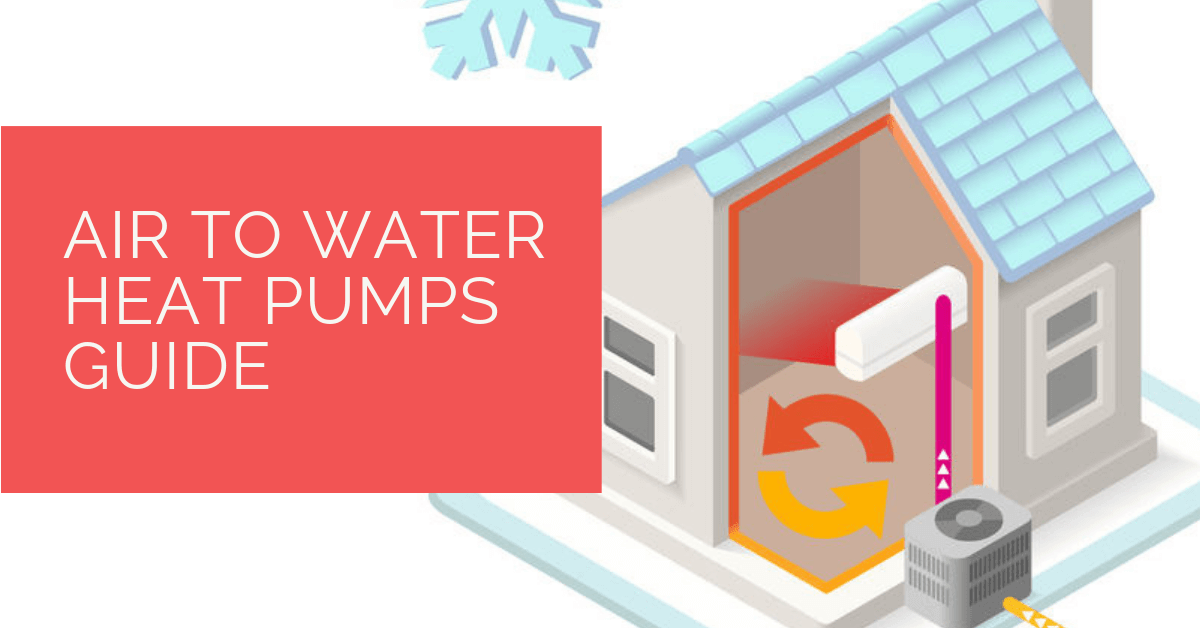
Air-to-water heat pumps are the type most UK homeowners usually mean when they talk about replacing a boiler with a heat pump. They take heat from outdoor air and use it to warm water for radiators, underfloor heating and, with the right cylinder, domestic hot water.
The important point is that an air-to-water heat pump is not a plug-in boiler substitute. It can be an excellent low-carbon heating system, but it works best when the property, radiators, hot-water cylinder, controls and installer design all suit lower-temperature heating. This guide explains how the system works, what it costs, what the current UK grant position looks like, and the checks to make before deciding whether it is right for your home.
Key Takeaways
- Air-to-water heat pumps heat water for radiators, underfloor heating and hot-water cylinders.
- They usually work at lower flow temperatures than gas boilers, so radiator sizing and insulation matter.
- The Boiler Upgrade Scheme currently offers £7,500 towards eligible air source heat pump installations in England and Wales.
- Running costs depend on electricity tariff, system design, COP/SCOP, controls and the heat demand of the home.
- A good installation starts with heat-loss calculations, not simply choosing a heat pump size from the old boiler rating.
What Is An Air-To-Water Heat Pump?
An air-to-water heat pump is an air source heat pump that transfers heat from outside air into a wet central-heating system. The outdoor unit extracts low-grade heat from the air, upgrades it through a refrigerant cycle, and sends heat indoors through water. That water can then feed radiators, underfloor heating, fan convectors or a hot-water cylinder.
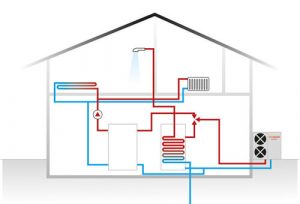
This is different from an air-to-air heat pump, which blows warm or cool air directly into rooms through indoor fan units. Air-to-water systems are usually the better fit when a UK home already has radiators and stored hot water, while air-to-air systems are more like highly efficient air conditioning with heating.
How Air-To-Water Heat Pumps Work
The system uses the same broad refrigeration principle as an air conditioner, but in heating mode. Refrigerant absorbs heat outside, a compressor raises its temperature, and a heat exchanger transfers that heat into water. The heated water then circulates around the home. Because the system moves heat rather than creating it directly, it can deliver several units of heat for each unit of electricity used.
Efficiency is usually described as COP or SCOP. COP is a moment-in-time efficiency figure. SCOP is a seasonal figure that better reflects changing weather and operating conditions. A well-designed system running at lower flow temperatures should perform better than a poorly designed one forced to run hot because radiators are undersized or the home loses heat quickly.
Suitability: When They Work Best
Air-to-water heat pumps suit homes that can be heated steadily at moderate flow temperatures. Good insulation, sensible draught control, properly sized radiators and underfloor heating all help. They can also work in older homes, but the survey needs to be honest about heat loss, hot-water demand and radiator output.
| Home Condition | Heat Pump Fit | What To Check |
|---|---|---|
| Well-insulated home with large radiators | Usually strong | Heat-loss calculation and cylinder space |
| Older home with small radiators | Possible, but needs design work | Emitter upgrades and flow temperature |
| Flat with limited outdoor space | More difficult | Outdoor unit location, noise and permissions |
| High hot-water household | Needs careful sizing | Cylinder capacity and recovery time |
If you are comparing technologies, our main heat pumps guide explains the wider options, while our guide on radiator sizing is useful when checking whether existing emitters are likely to be enough.
Costs, Grants And Running Costs
Installed costs vary widely because the heat pump is only part of the job. A quote may include the outdoor unit, hot-water cylinder, controls, pipework changes, radiator upgrades, electrical work and commissioning. The current Boiler Upgrade Scheme grant is £7,500 for eligible air source heat pumps, subject to scheme rules and installer application.
Running costs depend on the seasonal efficiency and electricity price. A heat pump with a seasonal efficiency of 3 uses roughly one unit of electricity to deliver three units of heat. That does not automatically guarantee lower bills than gas in every home, because electricity is more expensive per kWh than gas. The best bill outcomes usually come from low heat loss, low flow temperatures, good controls and tariffs that suit heat-pump use. Energy Saving Trust notes that air-to-water systems transfer heat to the water in a central heating system, which is why radiator and cylinder design are central to performance.
Installation And Design Checks
A proper installer should assess heat loss room by room, not simply copy the boiler size. They should check radiator output at proposed flow temperatures, hot-water cylinder requirements, outdoor unit location, condensate drainage, electrical supply, planning constraints and noise. MCS certification is important for grant eligibility and installer standards.
Controls also need explaining. Heat pumps often work best with longer, steadier running rather than short bursts of very hot water like a boiler. Weather compensation, correct flow temperature and sensible schedules can make a large difference. A homeowner who uses the system like an old boiler may be disappointed even if the equipment is technically good.
Common Mistakes To Avoid
| Mistake | Why It Matters | Better Approach |
|---|---|---|
| Keeping undersized radiators | Forces higher flow temperatures and lower efficiency | Check room-by-room emitter output |
| Ignoring hot water | Recovery time and cylinder size affect daily comfort | Design for real household use |
| Bad outdoor unit placement | Noise, airflow and access problems can follow | Plan location carefully before installation |
| Expecting boiler-style operation | Can reduce comfort and efficiency | Use steady controls and weather compensation |
Air-To-Water Heat Pumps Vs Other Heating Options
The right comparison is not simply heat pump versus boiler. It is air-to-water heat pump versus the realistic alternatives for that particular property. In a home with an existing wet heating system, an air-to-water system can reuse much of the familiar radiator and hot-water arrangement, although some emitters and the cylinder may need upgrading. In a small flat with no outdoor space, a different route may be more practical. In a well-insulated home with underfloor heating, an air-to-water heat pump can be a very strong fit because the heating system is already suited to lower flow temperatures.
| Option | Best Fit | Main Trade-Off |
|---|---|---|
| Air-to-water heat pump | Homes with wet central heating and suitable outdoor space | Needs careful design, cylinder planning and radiator checks |
| Gas boiler | Homes already on mains gas where replacement is simple | Fossil-fuel use and future policy uncertainty |
| Air-to-air heat pump | Rooms needing efficient heating and cooling without radiators | Usually does not provide domestic hot water |
| Direct electric heating | Small, occasional spaces or low-use rooms | Can be costly for whole-home heating |
This comparison matters because a heat pump should not be sold as a like-for-like box swap. The best installations treat the home as a system: heat loss, hot-water use, controls, pipework, emitters and user habits all influence whether the finished result feels comfortable and economical.
Practical Homeowner Scenarios
A detached home with decent loft insulation, cavity wall insulation and larger radiators may only need modest emitter upgrades. In that case, the key questions are likely to be outdoor unit position, cylinder space, grant eligibility and how the controls will be explained. The homeowner should expect a room-by-room heat-loss survey, not a quote based only on the size of the current boiler.
A Victorian terrace with small radiators, suspended floors and noticeable draughts needs a more cautious assessment. It may still be suitable, but the heat pump should be considered alongside fabric improvements and radiator upgrades. If the installer proposes very high flow temperatures to avoid changing emitters, the system may work, but it may not deliver the efficiency the homeowner expects.
A household with several baths or high shower demand needs particular attention to the hot-water cylinder. Heat pumps can provide domestic hot water, but recovery time, cylinder volume and immersion backup need to match the household’s routine. A system that heats the rooms well but runs out of hot water at peak times will still feel like a poor installation.
Homeowners should also think about disruption. Radiator changes, cylinder replacement, electrical work and outdoor unit positioning can turn a simple quote into a more involved project. That is not a reason to avoid air-to-water heat pumps, but it is a reason to compare quotations carefully. A cheaper quote that excludes cylinder work, radiator upgrades or clear commissioning support may cost more later if the system underperforms.
Good quotes should also explain what happens after handover. Heat pumps often need users to understand weather compensation, hot-water schedules and how to avoid fighting the controls. A clear commissioning visit and follow-up support can be just as important as the brand of unit installed.
Expert Insights From Our Heating Engineers
Our heating engineers see the best air-to-water heat pump results when the survey is detailed and the homeowner understands the operating style. The equipment matters, but the design matters more. A well-sized mid-range system can outperform a premium unit connected to undersized radiators and poor controls.
They recommend asking installers for the proposed design flow temperature, room heat-loss figures, radiator changes, cylinder plan and expected seasonal performance. If a quote cannot explain those points clearly, it is not yet detailed enough to compare properly.
Summing Up
An air-to-water heat pump can be an excellent replacement for fossil-fuel heating when the home and system design suit it. It heats water for radiators, underfloor heating and hot water, but it needs the right emitters, controls, cylinder and installation standard to deliver good comfort and efficiency.
Do not judge suitability from the outdoor unit alone. Start with heat loss, radiator output, hot-water demand, grant eligibility and installer competence. A heat pump is a system decision, not a single appliance purchase.
Before making a decision, ask for the design assumptions in writing. The most useful details are the heat-loss figure, design flow temperature, radiator schedule, cylinder size, expected seasonal performance and what aftercare is included once the system is running. That turns a vague quote into something you can properly compare safely.
Frequently Asked Questions
Is An Air-To-Water Heat Pump The Same As An Air Source Heat Pump?
It is one type of air source heat pump. Air-to-water systems transfer heat into water for radiators, underfloor heating and hot water, while air-to-air systems transfer heat directly into indoor air through fan units.
Do Air-To-Water Heat Pumps Work With Existing Radiators?
Sometimes, but the radiators must be large enough to heat each room at the lower flow temperatures a heat pump prefers. Some homes need larger radiators, fan convectors or insulation improvements before performance is strong.
How Much Grant Can I Get For An Air-To-Water Heat Pump?
The Boiler Upgrade Scheme currently offers £7,500 towards eligible air source heat pump installations in England and Wales. Your installer normally applies for the grant and deducts it from the quoted cost.
Are Air-To-Water Heat Pumps Cheap To Run?
They can be, but running cost depends on seasonal efficiency, electricity tariff, heat loss, controls and flow temperature. A poorly designed system can cost more than expected, while a well-designed one can be very efficient.
Do I Need A Hot Water Cylinder?
In most whole-home air-to-water installations, yes. The heat pump usually heats a compatible hot-water cylinder because it is not a combi boiler that instantly heats mains water on demand.
Are Air-To-Water Heat Pumps Noisy?
Modern units are designed to meet noise limits, but placement still matters. Avoid poor locations near bedrooms, boundaries or echoing corners, and make sure airflow and service access are considered.
How Long Does Installation Take?
A simple replacement may take a few days, while jobs involving radiator upgrades, cylinders, pipework and electrical changes can take longer. The survey and design stage are just as important as installation week.
What Should I Ask An Installer Before Agreeing?
Ask for room heat-loss figures, proposed flow temperature, radiator changes, cylinder details, outdoor unit location, controls, grant eligibility, warranty, servicing requirements and expected seasonal performance.
Updated