
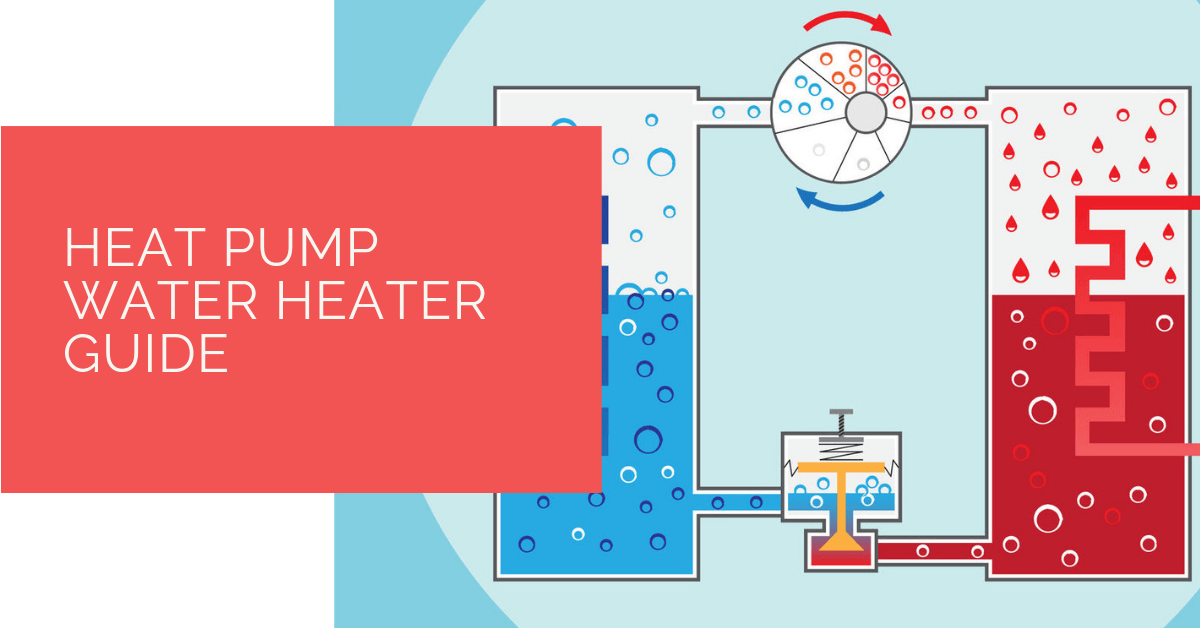
A heat pump water heater uses heat pump technology to produce domestic hot water more efficiently than direct electric heating. In UK homes, this often means an air source or ground source heat pump heating a dedicated hot water cylinder, rather than a stand-alone appliance replacing a combi boiler like-for-like.
The biggest practical change is storage. A gas combi heats water quickly on demand. A heat pump usually heats a well-insulated cylinder more gradually, then stores enough hot water for showers, baths and taps. Get the cylinder size, coil design and controls right, and the system can be comfortable and efficient. Get them wrong, and the household may run out of hot water or rely too often on backup immersion heat.
Key Takeaways
- Most heat pump hot water systems need a correctly sized cylinder.
- Heat pumps usually reheat water more slowly than gas boilers.
- Unvented cylinders need competent installation and safety controls.
- Existing cylinders are often unsuitable if they are too small, poorly insulated or have the wrong coil.
- Hot water design should be part of the whole heat pump survey, not an afterthought.
How A Heat Pump Water Heater Works
A heat pump moves heat from air, ground or water into a heating circuit. For hot water, that heat is transferred into a cylinder through a coil or heat exchanger. Some integrated heat pump water heaters have the compressor built into the tank; whole-home heat pump systems usually use a separate cylinder connected to the heat pump.
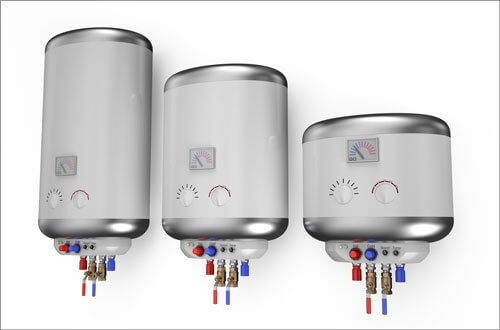
Because heat pumps are most efficient at lower temperatures, they tend to heat stored water more gently than a gas boiler. Many systems use daily hot water targets around the high 40s to mid-50s Celsius, with periodic higher-temperature cycles for hygiene depending on the design and manufacturer settings.
Cylinder Size Matters More Than People Expect
Hot water comfort depends on storage volume, reheat speed, household habits and shower flow rates. A couple in a small home may manage with a smaller cylinder, while a family with baths, power showers and morning peak demand may need substantially more storage.
| Household | Typical Starting Cylinder Size | Design Caveat |
|---|---|---|
| 1-2 people | 150-180 litres | May be enough for showers and normal tap use |
| 2-3 people | 180-210 litres | Common for smaller family homes |
| 3-4 people | 210-250 litres | Often needed where morning demand is clustered |
| 4-5 people | 250-300 litres | Useful for multiple bathrooms or baths |
| Large household | 300 litres plus | Needs careful space, reheat and usage planning |
These are planning figures, not a substitute for design. A 200-litre cylinder can feel generous in one home and inadequate in another if shower flow rates are high or several people bathe close together.
What Changes Compared With A Combi Boiler?
The main difference is timing. A combi boiler can deliver hot water on demand as long as it has gas, water pressure and enough output. A heat pump cylinder stores a finite amount of hot water, then reheats it. That means schedules, cylinder size and user habits matter more.
The upside is that stored hot water can be efficient and reliable when planned well. It can also work neatly with solar PV, off-peak electricity or smart controls, because the cylinder can act as a useful heat store. The downside is space: many combi-boiler homes need to find room for a cylinder, often in an airing cupboard, utility space or loft-compatible location.
| Hot Water Option | How It Feels Day To Day | Main Design Risk |
|---|---|---|
| Gas combi boiler | Instant hot water while the boiler can keep up | Flow rate drops if demand is high or pressure is weak |
| Heat pump with cylinder | Stored hot water, reheated to a schedule | Cylinder too small, slow recovery or overuse of immersion backup |
| Direct electric immersion cylinder | Simple stored hot water | High running cost if used as the main heat source |
| Solar diverter with cylinder | Can use surplus PV for water heating | Seasonal output varies and still needs a primary heat source |
This is why a heat pump water heater should not be sold as a simple boiler swap. It is a different hot water strategy. The best installations explain the change clearly, size the store around real demand, and set controls so the immersion heater is a backup rather than the system doing the heavy lifting.
Can You Use An Existing Cylinder?
Sometimes, but not always. Older cylinders may have small coils designed for boilers, poor insulation, insufficient volume or incompatible safety arrangements. A heat pump cylinder typically needs a large coil or suitable heat exchanger so the heat pump can transfer heat efficiently at lower temperatures.
Ask the installer to assess cylinder age, insulation, volume, coil surface area, hot water demand and safety controls. Keeping an unsuitable cylinder can make an otherwise good heat pump perform badly. Our vented and unvented hot water cylinder guide explains the cylinder types in more detail.
Safety, Hygiene And Servicing
Stored hot water needs safe design. Unvented cylinders operate under pressure and should be installed and serviced by someone competent for that work, often referred to as G3-qualified in England and Wales. Safety valves, expansion controls and discharge pipework are not optional details.
Hygiene also matters. HSE guidance for hot water systems uses temperature control to reduce legionella risk, with stored hot water kept hot enough and distributed appropriately. Domestic heat pump systems manage this through design settings, cylinder controls and occasional pasteurisation cycles where required. Do not disable safety or hygiene settings simply to chase a lower bill.
Who Heat Pump Water Heating Suits
| Good Fit | More Challenging |
|---|---|
| Homes with space for a suitable cylinder | Small flats with no cylinder space |
| Households happy with scheduled hot water | Very high, unpredictable hot water demand |
| Homes upgrading to whole-house heat pumps | Homes expecting combi-style endless hot water |
| Properties with solar PV or smart tariffs | Poorly planned systems relying on immersion backup |
If you are planning a full system, read our heat pumps guide and heat pump sizing guide alongside the hot water design.
Questions To Ask Before Installation
- What cylinder size are you recommending and why?
- What recovery time should we expect after heavy use?
- Will the system need an immersion heater, and when will it run?
- Is the cylinder coil suitable for low-temperature heat pump operation?
- Where will the cylinder go, and is access good for servicing?
- How are legionella cycles, schedules and boost settings controlled?
Installer Checks That Should Not Be Skipped
A good survey should look at more than the cylinder label. The installer should ask about shower types, bath size, incoming mains pressure, pipe runs, existing controls, airing cupboard space, discharge pipe routes and whether the home has solar PV or a time-of-use tariff. If the answer to every hot water question is simply “we normally fit this size”, the design is probably too generic.
Recovery time is especially important. A larger cylinder may store more water, but a poorly matched coil or low heat pump output can still make reheating slow. Conversely, a correctly matched cylinder can feel smaller than expected if the household staggers showers or uses an efficient shower head. The aim is not to buy the biggest possible tank; it is to match storage, recovery and usage.
When A Heat Pump Water Heater May Be The Wrong Choice
Some homes are awkward candidates. Very small flats with no cylinder space, properties with unusually high simultaneous hot water demand, or households expecting several long baths back-to-back may need careful alternatives or a hybrid approach. It may still be possible, but it should be designed honestly rather than squeezed into a standard package.
Real-World Hot Water Scenarios
Combi Boiler Replacement
A household moving from a combi boiler often notices the biggest lifestyle change. Instead of effectively endless hot water while the boiler fires, the home now has stored hot water. That is not a downgrade if designed properly, but it does mean the cylinder must match peak use.
Family Morning Peak
If four people shower between 7am and 8am, the cylinder has to handle that cluster. A small cylinder may look efficient on paper but force immersion boosts in practice. A larger cylinder with a sensible schedule may be cheaper and more comfortable.
Solar PV Household
Homes with solar PV may benefit from storing surplus electricity as hot water when controls allow it. This does not remove the need for correct cylinder sizing, but it can improve self-consumption and reduce imported electricity for water heating.
Expert Insights From Our Heating Engineers
Our engineers see hot water design as one of the most important parts of a heat pump installation. Space heating gets most of the attention, but a household notices poor hot water immediately. If the cylinder is too small or the recovery strategy is wrong, people lose confidence in the whole system.
The best designs start with actual habits: number of showers, bath use, flow rates, preferred shower times and whether guests often stay. Once that demand is understood, the cylinder and controls can be chosen sensibly rather than guessed from the number of bedrooms.
We also look closely at how often the immersion heater is expected to run. Occasional use for hygiene cycles or emergency backup is normal. Daily boosting because the cylinder cannot recover quickly enough usually points to a design problem, a control issue or an unrealistic schedule. That difference matters because it changes both running cost and customer satisfaction.
Frequently Asked Questions
Do Heat Pumps Need A Hot Water Cylinder?
Most air-to-water and ground source heat pump systems need a hot water cylinder because they heat water gradually and store it for later use. Some systems are designed differently, but a cylinder is the normal arrangement for whole-home heating and hot water.
What Size Cylinder Do I Need With A Heat Pump?
Many small households start around 150 to 180 litres, while family homes often need 210 to 300 litres. The right size depends on showers, baths, flow rates, reheat time and household habits, not only the number of bedrooms.
Can A Heat Pump Replace A Combi Boiler?
Yes, but the hot water experience changes. A combi boiler heats water on demand, while a heat pump usually stores hot water in a cylinder. The installation may need cylinder space, radiator checks and a different control strategy.
Will A Heat Pump Run Out Of Hot Water?
It can if the cylinder is too small, the schedule is wrong or hot water use is unusually high. A well-designed system should provide enough stored hot water for normal household demand, with boost or backup options for occasional peaks.
Can I Keep My Existing Hot Water Cylinder?
Possibly, but many older cylinders are not ideal for heat pumps. The installer should check capacity, insulation, coil size, safety controls and condition. Keeping an unsuitable cylinder can reduce efficiency and slow hot water recovery.
Is Heat Pump Hot Water Safe?
Yes, when the cylinder, controls and hygiene settings are designed and maintained properly. Stored hot water needs safe temperature control, pressure protection and servicing. Do not disable safety or legionella-related settings without professional advice.
Summing Up
A heat pump water heater can provide efficient, reliable hot water, but it needs the right cylinder, controls and user expectations. The key design questions are storage volume, recovery time, safety, hygiene and whether the household is ready to move from instant combi hot water to planned stored hot water. A good installation should make those trade-offs clear before work starts, not after the first busy morning of showers.
Updated