
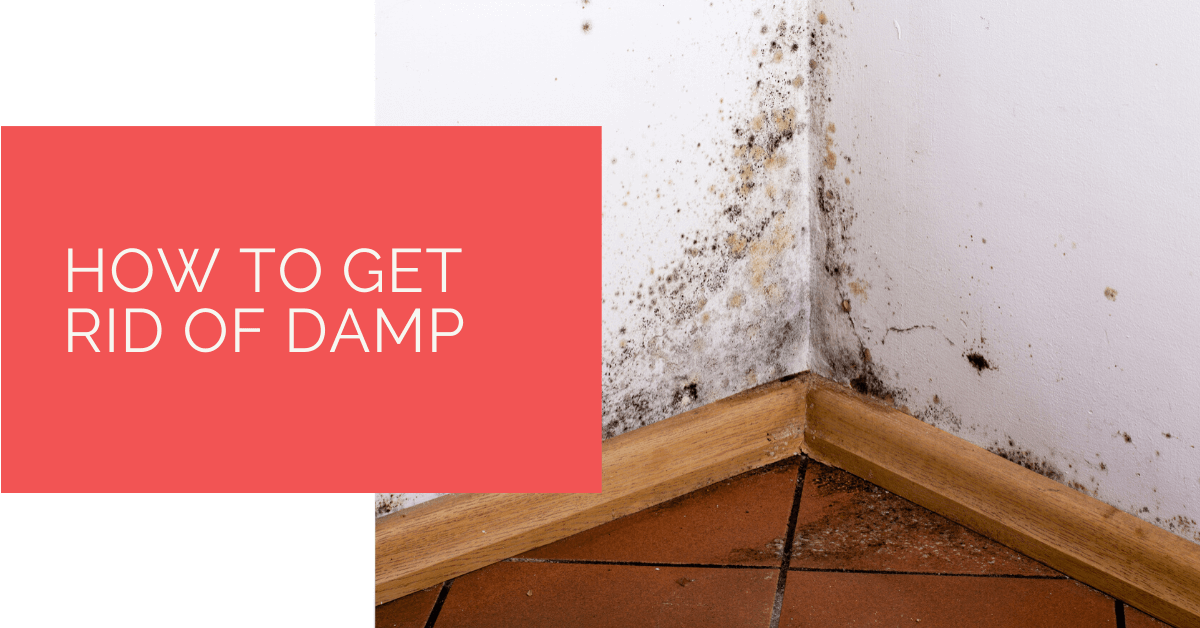
Damp is not one problem with one fix. A black patch behind a wardrobe, water on bedroom windows, peeling paint after heavy rain and a low tide mark on a ground-floor wall can all be described as damp, but they point to different causes. The right repair depends on finding where the moisture is coming from.
That is why quick fixes often fail. Anti-mould paint, damp seal, air fresheners, dehumidifiers and surface cleaning can be useful in the right situation, but they cannot repair a leaking gutter, bridge a cold wall, fix a plumbing leak or make a room ventilate properly. If the moisture source remains, the damp will come back.
This guide explains how to identify the main types of damp, what you can do safely yourself, when to involve a professional or landlord, and where tools such as heating, ventilation, dehumidifiers and air purifiers genuinely help.
Key Takeaways
- Start with diagnosis. Condensation, penetrating damp, rising damp and leaks need different fixes.
- Condensation is common in winter and usually appears on cold surfaces, windows, corners and behind furniture.
- Penetrating damp often gets worse after rain and usually points to a building defect such as gutters, roof tiles, pointing, render or window seals.
- Rising damp is often overdiagnosed. It needs careful assessment before paying for damp-proofing work.
- Surface mould cleaning is not enough if the wall keeps getting wet.
- Dehumidifiers can help with condensation and laundry moisture, but they do not fix leaks or external water entry.
- Damp and mould can affect health, especially for babies, children, older people and those with respiratory conditions or weakened immune systems.
First: Work Out What Type Of Damp You Have
Before buying anything, look for patterns. Damp diagnosis is often about timing and location rather than one dramatic clue. Write down where the damp appears, when it gets worse, what the weather was like, whether the room was recently used for showering, cooking or drying clothes, and whether the problem changes when heating or ventilation improves.
A patch that appears after rain suggests a different cause from mould behind a wardrobe. Low-level staining with salts is different from condensation on windows. A sudden ceiling stain is different again. The table below gives a practical starting point, but it does not replace a proper survey where the cause is unclear.
| Type Of Damp | Typical Signs | Likely Next Step |
|---|---|---|
| Condensation | Water on windows, black mould in corners, mould behind furniture, worse in winter | Reduce indoor moisture, improve ventilation and keep surfaces warmer |
| Penetrating Damp | Patch gets worse after rain, damp external wall, damaged render, gutter or roof nearby | Find and repair the building defect, then allow the area to dry |
| Rising Damp | Low-level tide marks, salts, damaged skirting, ground-floor walls | Check ground levels and get a careful diagnosis before treatment |
| Leak Or Sudden Water Damage | Spreading stain, ceiling patch, plumbing nearby, sudden damp smell | Trace and repair the leak quickly, then dry and repair finishes |
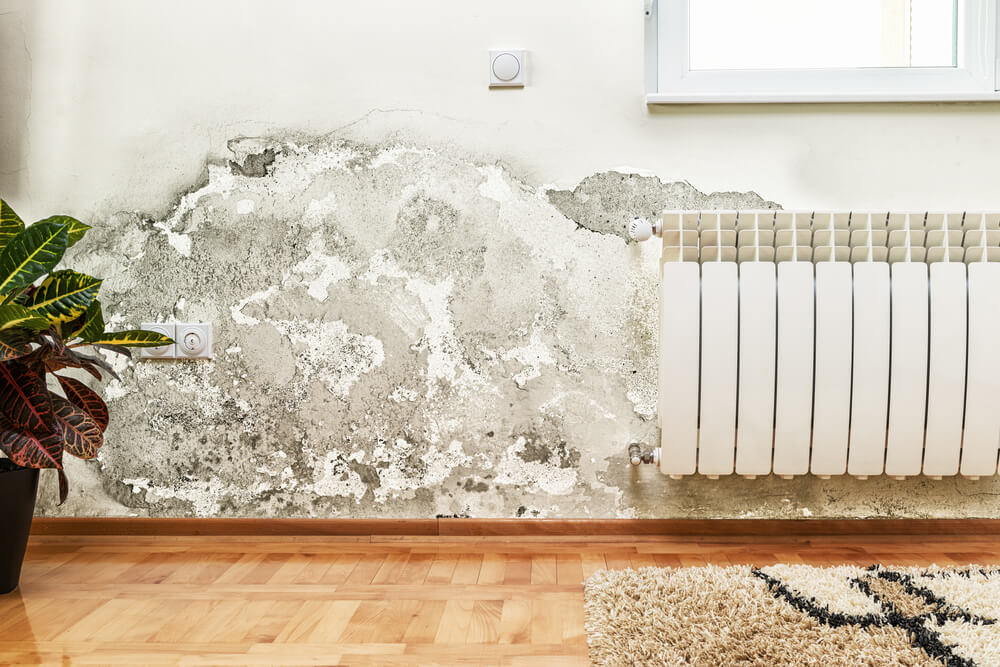
Condensation Damp
Condensation happens when moist indoor air meets a cold surface and turns back into water. It is common in winter because homes are closed up, windows and external walls are colder, and everyday activities still release moisture into the air.
Typical signs include water on windows, black mould in corners, damp behind wardrobes, mould around window reveals and musty smells in rooms with poor airflow. Bedrooms, bathrooms, kitchens and north-facing rooms are common trouble spots.
The fix is usually a combination of three things: reduce moisture at source, improve ventilation, and keep surfaces warm enough to avoid repeated condensation. One change helps, but several small changes together usually work better.
Practical Fixes For Condensation
- Use extractor fans during and after showers and cooking.
- Keep bathroom and kitchen doors closed while steam clears.
- Use lids on pans and avoid boiling water unnecessarily.
- Dry clothes outside or in a ventilated room where possible.
- Avoid drying laundry on radiators because it releases moisture into the room.
- Keep furniture slightly away from cold external walls so air can move behind it.
- Use trickle vents if fitted, unless there is a specific reason not to.
- Heat rooms more steadily where affordable, especially cold bedrooms.
A humidity meter can be useful. Many homes are more comfortable when relative humidity is roughly 40 to 60 percent. Persistent readings above about 60 percent are a clue that moisture or ventilation needs attention, especially if mould is already appearing.
Penetrating Damp
Penetrating damp is water entering the building from outside. It often appears as patches on walls or ceilings, and the pattern may worsen after rain. The cause is usually a defect rather than daily household moisture.
Check gutters, downpipes, roof tiles, flashing, brick pointing, render, window seals, external ground levels and cracked masonry. A blocked gutter can send water down a wall for months before the internal patch becomes obvious.
Penetrating damp usually needs a repair before drying and redecorating. If you paint over the stain while water is still entering, the new paint may blister, peel or trap moisture behind it.
Rising Damp
Rising damp is moisture moving up from the ground through walls. It is usually associated with ground-floor walls, low-level staining, salts, damaged skirting boards or a visible tide mark.
It is also commonly misdiagnosed. Low-level damp can be caused by condensation, leaks, high external ground levels, bridged damp-proof courses, wet plaster, blocked air bricks or poor drainage. Paying for injected damp-proofing without a careful diagnosis can waste money and leave the actual cause untouched.
If rising damp is suspected, check whether patios, paths, soil or render are bridging the damp-proof course. Also check plumbing and external defects. For older buildings, breathable materials matter because inappropriate cement renders or gypsum plasters can trap moisture.
Leaks And Sudden Water Damage
A sudden damp patch, especially on a ceiling or near plumbing, should be treated as a leak until proven otherwise. Common sources include waste pipes, showers, baths, washing machines, heating pipework, roof leaks and neighbouring flats.
Do not wait for a leak to “dry out” if the source has not been found. Water can travel along joists, pipes and plasterboard before appearing in a different place. If damp is near electrics, sagging ceilings or structural timber, treat it as urgent.
Once the leak is repaired, the affected materials still need drying time. Plaster, timber and insulation can hold moisture, so cosmetic repairs should come after the area is dry.

How To Remove Mould Safely
Small areas of surface mould can often be cleaned carefully, but safety matters. GOV.UK’s current guidance on damp and mould health risks explains that mould can produce allergens, irritants and spores, and that risk is higher for some people.
Do not dry-brush mould or vacuum it with a normal vacuum cleaner because that can disturb spores. Wear gloves, follow the product instructions, ventilate the room during and after cleaning, and dry the surface afterwards. If mould is widespread, keeps returning, affects porous materials or someone vulnerable lives in the home, get professional advice.
Cleaning should happen after you have started dealing with the moisture source. If you clean first but leave the cause unchanged, the mould is likely to return.
Humidity, Ventilation And Heating
Damp control is often a balancing act between moisture, airflow and temperature. Ventilation removes moist air. Heating keeps surfaces warmer. Humidity control reduces how much water is available to condense in the first place.
The best ventilation is usually at the moisture source. Extract steam while showering or cooking, rather than trying to clear it hours later from another room. If extractor fans are weak, noisy or not working, fixing them can do more than buying another temporary product.
Heating helps because warmer surfaces are less likely to attract condensation. Very short heating bursts can leave walls, corners and window reveals cold, especially in bedrooms. A steadier background temperature can help, but it should be paired with ventilation so moisture is not simply held in warmer air.
Centre for Sustainable Energy’s guidance on damp and condensation also recommends using dehumidifiers carefully where condensation is a problem, including aiming below 60 percent humidity where possible.
Dehumidifiers, Air Purifiers And Damp Products
A dehumidifier removes moisture from the air, so it can help with condensation, laundry drying and persistently high humidity. It is most useful when the room can be closed off while the machine runs, and when the damp source is indoor moisture rather than rainwater or a leak.
It will not repair a roof, gutter, pipe, wall defect or failed seal. If penetrating damp is the cause, a dehumidifier may make the room feel less humid while the wall continues getting wet. That is management, not repair.
An air purifier is different. A HEPA air purifier may capture some airborne mould spores as air passes through it, but it does not dry the air and it does not remove mould growing on walls, silicone, carpets or furniture. Use it as air-quality support, not as a damp cure. Our humidifier or dehumidifier guide explains the difference between adding and removing moisture indoors.
Anti-mould paint, damp seal and stain blockers also have limits. They may help after the cause is fixed and the wall is dry, but they should not be used to hide active damp.
Renters, Landlords And When Damp Is Urgent
If you rent, report damp and mould clearly and keep records. Include photos, dates, affected rooms, whether the issue changes after rain, any musty smells, and details of vulnerable occupants. If you have humidity readings, include those too.
Tenants can help by ventilating, heating where possible and reporting issues early, but lifestyle advice should not be used to ignore building defects. GOV.UK guidance is clear that underlying causes need identifying and addressing. Simply removing surface mould will not prevent damp and mould returning if the cause remains.
Act Quickly If You Notice
- Water near electrics.
- Sagging ceilings or spreading ceiling stains.
- Strong musty smells or widespread mould.
- Damp around structural timber.
- Mould affecting a baby, child, older person or someone with asthma, allergies or a weakened immune system.
- Damp that keeps returning after cleaning or previous repairs.
Prevention Checklist
- Check gutters, downpipes, roof edges, pointing and window seals regularly.
- Keep air bricks and vents clear.
- Use extractor fans long enough to clear moisture after showers and cooking.
- Leave a gap behind large furniture on external walls.
- Dry laundry outside or in a ventilated room where possible.
- Monitor humidity in problem rooms.
- Repair plumbing leaks quickly, even if the visible patch looks small.
- Let walls dry properly before repainting.
- Use breathable materials where appropriate, especially in older buildings.
Case Study: Condensation Damp In A Cold Bedroom
Background
A family in a mid-terrace house noticed black mould returning every winter on the external wall of a rear bedroom. It appeared behind furniture and around the window reveals. The room was often kept cooler than the rest of the house and the door stayed closed for long periods.
Assessment
There was no obvious roof or gutter leak, and the mould did not worsen after rain. The pattern pointed towards condensation: moisture from indoor drying, cold external surfaces, poor airflow behind furniture and low background heat.
Changes Made
The family moved furniture away from the external wall, kept the room slightly warmer, used trickle vents, stopped drying laundry in the bedroom and cleaned the mould after the moisture pattern had been addressed. They also started checking window condensation in the morning to see whether habits were helping.
Result
The mould did not vanish overnight, but it stopped returning in the same way. The lesson was that cleaning helped only after the conditions changed. The real fix was reducing moisture, improving airflow and keeping the coldest surfaces warmer.
Expert Insights From Our Heating Engineers
One of our senior heating engineers with over 18 years of experience says damp should never be diagnosed too quickly.
“Condensation, leaks and building defects can overlap. A bedroom might have mould because the wall is cold, but the same room could also have a leaking gutter outside. You have to trace the pattern before you choose the fix.”
He also says heating is part of the answer, but not the whole answer. “Warm rooms are less likely to suffer condensation, but if you trap moisture indoors, you can still get damp. Ventilation, moisture control and repairs all need to work together.”
Frequently Asked Questions
What Is The Fastest Way To Get Rid Of Damp?
The fastest visible fix is to dry the surface and clean any small mould area safely, but that is not the full solution. You need to find the moisture source. Condensation needs moisture control and ventilation, penetrating damp needs repairs, rising damp needs proper diagnosis, and leaks need fixing quickly.
How Do I Know What Type Of Damp I Have?
Look at the pattern. Condensation is often worse in winter on windows, corners and behind furniture. Penetrating damp often worsens after rain. Rising damp is usually low on ground-floor walls and may show salts or tide marks. Sudden stains near plumbing or ceilings may point to a leak.
What Humidity Level Should I Aim For?
A common practical target is roughly 40 to 60 percent relative humidity. If rooms are persistently above about 60 percent, especially in winter, condensation risk rises. A cheap humidity meter can help you spot patterns rather than guessing.
Will A Dehumidifier Get Rid Of Damp Permanently?
A dehumidifier can help with condensation and high indoor humidity, but it does not permanently fix leaks, roof defects, failed gutters or water entering through walls. It is a useful tool when the problem is moisture in the air, not a substitute for repairs.
Does Heating Help With Damp?
Yes, heating can help by keeping surfaces warmer and reducing condensation risk. It works best with ventilation and moisture control. Heating alone will not fix rainwater entry, a leaking pipe or poor extraction in a bathroom or kitchen.
Can I Paint Over Damp Once It Is Dry?
You can redecorate once the cause has been fixed and the wall is properly dry. Painting too soon can trap moisture or hide a problem that is still active. If salts, staining or mould keep returning, investigate again before repainting.
Why Does Mould Keep Coming Back After Cleaning?
Mould comes back when the conditions that caused it still exist. Common reasons include high humidity, poor ventilation, cold walls, furniture against external walls, leaking gutters, failed seals or hidden leaks. Cleaning removes the symptom, not the moisture source.
When Should I Report Damp To My Landlord?
Report it as soon as you notice recurring mould, spreading damp, leaks, musty smells or damage to walls, ceilings or flooring. Keep photos and dates. If someone vulnerable lives in the home, mention that clearly because damp and mould can carry health risks.
When Should I Call A Damp Specialist?
Call a specialist if the cause is unclear, damp keeps returning, low-level salts or tide marks suggest possible rising damp, structural timber may be affected, or several defects overlap. For rain-related damp, a roofer or builder may be more appropriate than a damp-proofing company.
Summing Up
Getting rid of damp starts with working out the cause. Condensation needs moisture control, ventilation and warmer surfaces. Penetrating damp needs building repairs. Rising damp needs careful diagnosis. Leaks need tracing and fixing before the area is repaired.
Products can help, but only when they match the problem. A dehumidifier can support condensation control, an air purifier can support air quality, and anti-mould paint may help after the wall is dry. None of them replaces finding the moisture source and dealing with it properly.
Updated