
Allergen control works best when it is specific. A home with dust mite allergy needs a different routine from a home where pollen is being carried in through open windows, and both are different again from a damp room with mould growth. The aim is not to sterilise the house. It is to reduce the triggers that are most likely to be causing symptoms.
The most effective approach is usually layered: remove reservoirs of allergen, clean in a way that does not throw particles back into the air, manage moisture and use filtration where it genuinely helps. Start with the bedroom, because eight hours of exposure there can matter more than a quick clean in a hallway.
Contents
- 1 Key Takeaways
- 2 Work Out Which Allergen You Are Reducing
- 3 The Bedroom-First Allergen Plan
- 4 Pollen, Pets, Mould And Everyday Dust
- 5 Filtration, Ventilation And Humidity
- 6 Room-By-Room Allergen Priorities
- 7 Practical Weekly Checklist
- 8 Expert Insights From Our Heating Engineers
- 9 Summing Up
- 10 Frequently Asked Questions
- 10.1 Can You Completely Remove Allergens From A Home?
- 10.2 What Is The Best First Step For Dust Mite Allergy?
- 10.3 Do Air Purifiers Help With Allergens?
- 10.4 Should I Open Windows If I Have Pollen Allergies?
- 10.5 How Do I Reduce Pet Allergens Without Rehoming A Pet?
- 10.6 When Should Allergy Symptoms Be Treated As A Medical Issue?
Key Takeaways
- Target the likely allergen rather than trying random cleaning tips.
- Bedrooms are the highest-value place to start, especially for dust mite allergy.
- Keep humidity controlled to discourage dust mites and mould.
- Use HEPA filtration as part of a routine, not as a replacement for cleaning.
- Seek medical advice if symptoms are severe, persistent or linked to asthma.
Work Out Which Allergen You Are Reducing
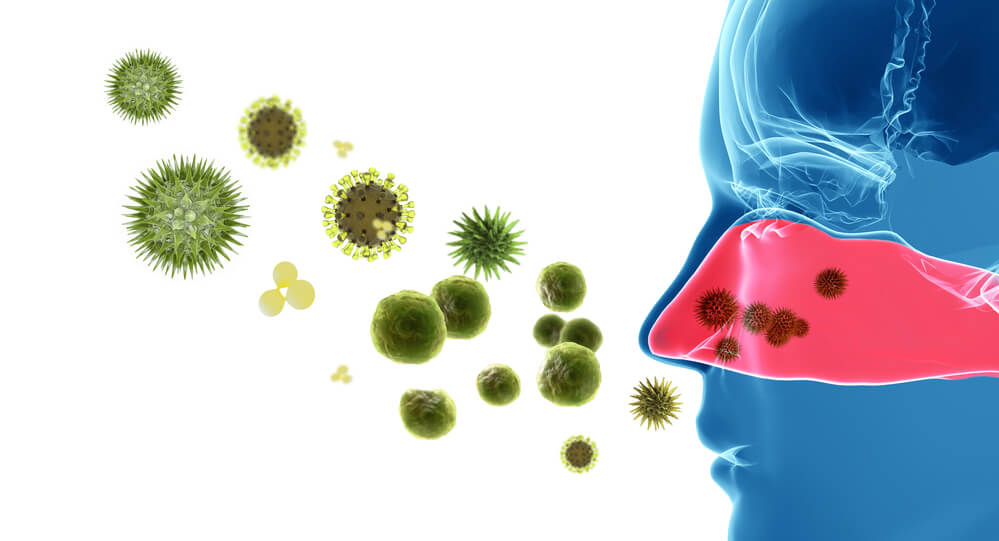
The NHS lists common allergens including pollen, house dust mites and animals. Those triggers behave differently indoors. Pollen comes in from outside on air, clothing, hair and pets. Dust mite allergen builds in bedding, mattresses, carpets and soft furnishings. Pet dander settles onto fabrics and becomes airborne again when disturbed. Mould spores are closely linked to damp surfaces and poor ventilation.
If symptoms are worse in bed or first thing in the morning, look closely at bedding, pillows, mattress covers and bedroom dust. If symptoms spike after opening windows, drying washing indoors or spending time with pets, the source is different. A good plan follows the pattern of symptoms.
The Bedroom-First Allergen Plan
For many households, the bedroom gives the biggest return. Wash sheets and pillowcases regularly, choose washable bedding, reduce clutter that catches dust and vacuum slowly with a HEPA-filtered vacuum. Cambridge University Hospitals advises that dust mite reduction measures work best when carried out thoroughly and consistently, especially in bedrooms.
Dust-mite barrier covers can be useful for diagnosed dust mite allergy, but they are not a stand-alone fix. If the mattress is covered but the room still has thick carpet, heavy curtains, fabric headboards and dusty shelves, allergen reservoirs remain. Keep surfaces easy to wipe and avoid dry dusting, which simply moves particles into the air.
Keep the bed itself as the protected zone. Do not store dusty boxes underneath it, avoid drying laundry in the room where possible, and keep pets off bedding even if they are allowed elsewhere in the house.
Pollen, Pets, Mould And Everyday Dust
During high pollen periods, keep bedroom windows closed at peak times, change clothes after outdoor activity and avoid drying pollen-covered clothing in sleeping areas. Wipe pets down after walks if they bring pollen inside, and keep coats and shoes near the entrance rather than carrying outdoor particles through the house.
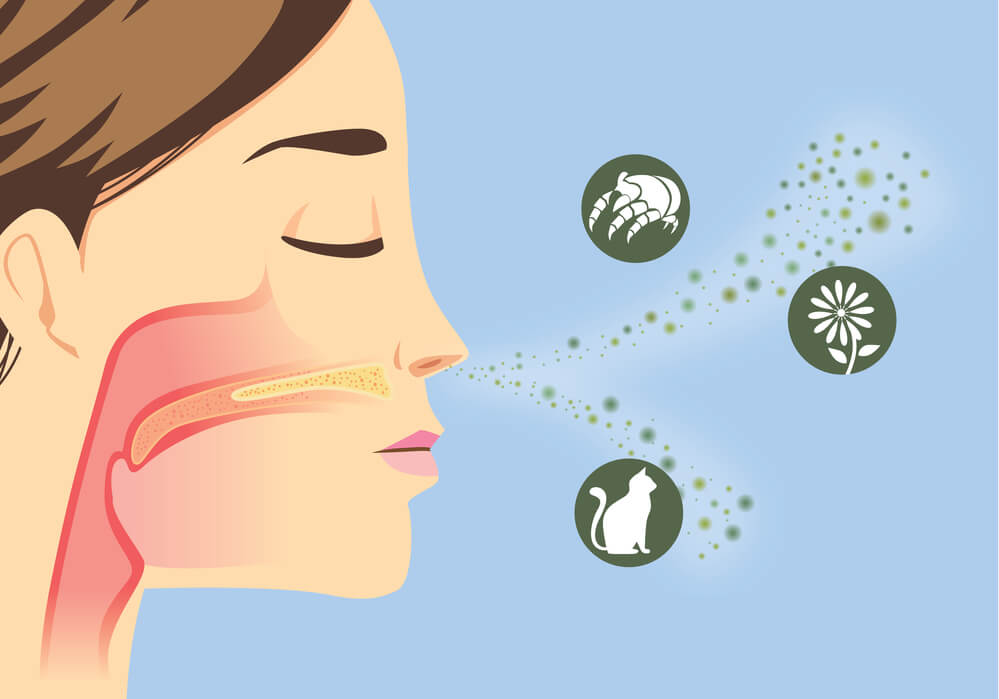
For pet allergens, the hard truth is that one air purifier will not cancel out a sofa, carpet and bed full of dander. Keep pets out of bedrooms, wash pet bedding and use washable throws where animals sit. For mould, cleaning visible patches is only the start. Fix condensation, leaks and poor extraction, otherwise spores return.
Filtration, Ventilation And Humidity
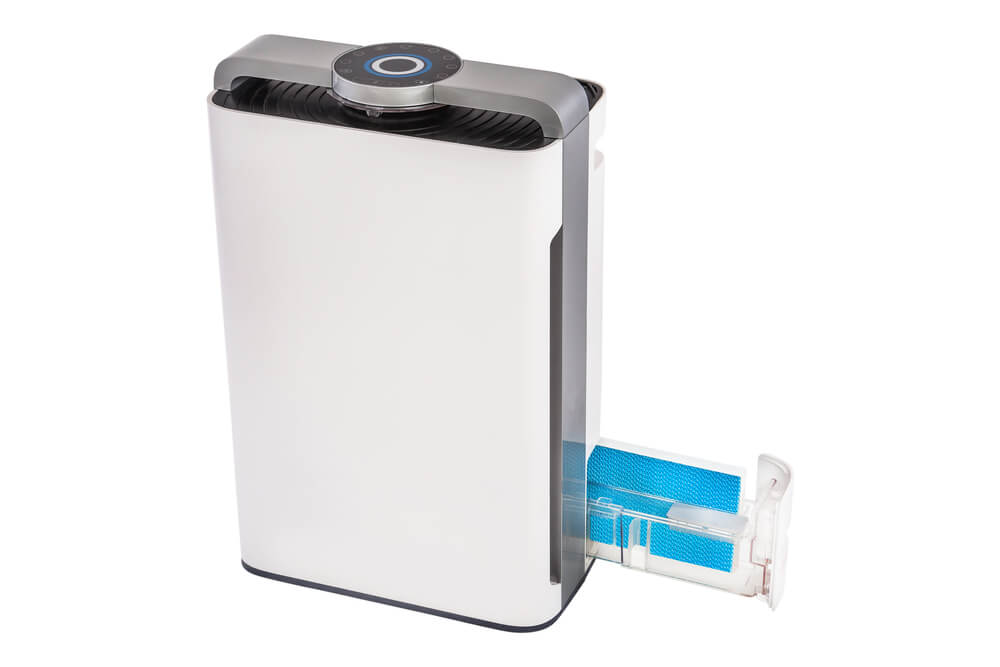
A properly sized HEPA purifier can reduce airborne allergens in one room, especially pollen and pet dander. It is most useful in bedrooms and living rooms with doors closed enough for the unit to cycle the air. For more detail on filter types, our guide to air filters explains how HEPA, carbon and pre-filters differ.
Humidity is the quiet control point. Dust mites and mould both prefer damp conditions, but overly dry air can irritate noses and throats. Aim for a balanced, well-ventilated home, using extractor fans in kitchens and bathrooms and a dehumidifier where damp is persistent. If damp is part of the problem, our guide on how to get rid of damp is a useful next step.
Be realistic about what filtration can and cannot do. A purifier can capture particles that pass through it, but it cannot remove allergen already settled deep in a mattress, carpet or sofa. It also needs the right room size, clean filters and sensible placement. Put it where the person spends time, leave space around the intake and outlet, and avoid treating one small purifier as a whole-home cure.
Room-By-Room Allergen Priorities
The best allergen plan is not the same in every room. Bedrooms need low-disturbance, low-dust sleeping conditions. Living rooms usually need pet, upholstery and air cleaning attention. Kitchens and bathrooms are more about moisture control, extraction and mould prevention. Trying to apply one routine everywhere often creates extra work without reducing the exposure that actually triggers symptoms.
| Room | Main Allergen Risk | Most Useful Actions |
|---|---|---|
| Bedroom | Dust mites, fabric dust and pollen on bedding | Wash bedding, use washable covers, reduce clutter, vacuum slowly and keep outdoor clothes away from the bed |
| Living Room | Pet dander, sofa dust, carpets and open shelving | Use washable throws, vacuum upholstery, keep pets off sleeping areas and run a correctly sized purifier where symptoms are worst |
| Bathroom | Mould spores from condensation and damp sealant | Use extraction, dry surfaces, clean visible mould safely and fix persistent moisture rather than only bleaching stains |
| Hallway | Pollen, road dust and particles brought in on shoes | Use a proper doormat, remove shoes and keep coats near the entrance during high pollen days |
| Kitchen | Moisture, cooking particles and dust on high surfaces | Use extraction, clean high cupboards periodically and avoid letting damp air move into bedrooms |
Do not judge the plan after one deep clean. Allergens build and resettle, so the benefit usually comes from a few repeated actions that lower exposure over several weeks. If symptoms are strongest overnight, bedroom changes deserve priority before buying whole-house gadgets. If symptoms flare after cleaning, the issue may be the cleaning method: dry dusting, aggressive sweeping and emptying a bagless vacuum indoors can put particles straight back into the air.
Practical Weekly Checklist
| Area | Action | Why It Helps |
|---|---|---|
| Bedroom | Wash bedding, damp dust, vacuum slowly | Reduces dust mite and settled allergen exposure where sleep happens |
| Entrance | Remove shoes and outdoor layers | Limits pollen and outdoor dust being carried through the home |
| Soft Furnishings | Vacuum upholstery and wash throws | Controls pet dander and dust reservoirs |
| Bathrooms | Use extraction and dry surfaces | Reduces condensation and mould risk |
A realistic weekly routine might be: bedding first, then damp dusting hard surfaces, then vacuuming floors and upholstery slowly enough for the vacuum to lift dust from fibres. On high pollen days, add a quick entrance routine: shoes off, coats away from bedrooms and bedroom windows closed during peak pollen periods. For pet homes, wash throws and pet bedding more often than curtains or deep carpets because those are the surfaces animals use every day.
There are also a few things not to overvalue. Scented sprays can make a room smell cleaner without removing allergens. Ozone-producing devices are not a sensible home allergy shortcut. A purifier in a hallway rarely helps a child waking with symptoms in a bedroom. The best results usually come from matching the measure to the trigger: washing and covers for dust mites, entry control for pollen, fabric control for pets, and moisture control for mould.
Expert Insights From Our Heating Engineers
Our heating engineers often find that allergy complaints overlap with ventilation and moisture problems. A house can be clean and still feel irritating if bathroom extraction is weak, trickle vents are closed, filters are dirty or damp laundry is adding moisture indoors every evening.
The practical advice is to treat allergen reduction as a system: source control, cleaning, ventilation and filtration. Buying a device before fixing damp, dust reservoirs or pollen entry points often disappoints. Used in the right room, though, a good purifier or dehumidifier can make a noticeable difference.
Summing Up
Getting rid of allergens at home is really about reducing exposure. Start with the trigger that best matches the symptoms, then focus on the room where exposure matters most. For many people that means the bedroom: bedding, mattress dust, carpets, curtains, pets and pollen carried in from outside. For others, it is damp bathrooms, pet-heavy living rooms or poor ventilation.
The most effective plan combines source control, cleaning, ventilation, moisture management and filtration. None of those measures is perfect on its own, and a spotless-looking home can still contain allergens in fabrics, mattresses and air movement paths. Make changes you can repeat weekly, then review whether symptoms are improving before buying more equipment. If symptoms are serious, persistent or linked to asthma, use home improvements alongside medical advice rather than treating cleaning as the whole answer.
Frequently Asked Questions
Can You Completely Remove Allergens From A Home?
No home can be made completely allergen-free, because dust mites, pollen, mould spores and pet dander are constantly reintroduced. The realistic goal is to reduce exposure in the rooms where you spend the most time, especially bedrooms, and to keep levels low through a repeatable routine.
What Is The Best First Step For Dust Mite Allergy?
The bedroom is usually the best place to start because bedding and mattresses can hold high levels of dust mite allergen. Wash bedding regularly, use dust-mite barrier covers where appropriate, reduce clutter and keep humidity under control. One isolated measure rarely works as well as a consistent combined approach.
Do Air Purifiers Help With Allergens?
A HEPA air purifier can help reduce airborne pollen, pet dander and fine particles in the room where it is used, provided it is correctly sized and maintained. It will not remove allergens settled in carpets, bedding and soft furnishings, so it should support cleaning and ventilation rather than replace them.
Should I Open Windows If I Have Pollen Allergies?
Fresh air can help with ventilation, but wide-open windows during high pollen periods can bring more pollen indoors. On high pollen days, ventilate at lower-risk times, keep bedroom windows closed when pollen is high, and use extractor fans or filtered ventilation where practical.
How Do I Reduce Pet Allergens Without Rehoming A Pet?
Keep pets out of bedrooms, wash pet bedding, vacuum with a HEPA-filtered machine, clean hard floors with a damp method and use washable throws on favourite furniture. Bathing or grooming can help some households, but the biggest improvement usually comes from controlling where dander settles.
When Should Allergy Symptoms Be Treated As A Medical Issue?
If symptoms affect sleep, trigger wheezing, cause persistent sinus problems or do not improve after sensible home changes, speak to a pharmacist, GP or allergy specialist. Environmental control can reduce exposure, but it is not a substitute for medical advice when asthma, severe allergy or repeated infections are involved.
Updated