

Testing indoor air quality at home is useful when it leads to better decisions. A monitor can show that a bedroom becomes stuffy overnight, that frying food spikes fine particles or that humidity sits high enough for mould risk. It cannot diagnose every problem by itself.
The best approach is to decide what you are testing for, place the monitor sensibly and connect the readings to actions: ventilation, filtration, moisture control, cleaning or professional investigation.
Key Takeaways
- PM2.5, CO2, VOC trends, humidity and temperature are the most useful everyday measurements.
- Use certified carbon monoxide alarms for CO safety.
- Radon needs a dedicated test, not guesswork.
- Monitor trends and repeat patterns rather than obsessing over one reading.
- Use readings to guide ventilation, filtration and moisture control.
What You Can Measure At Home
Many consumer monitors track fine particles, carbon dioxide, VOC trends, humidity and temperature. PM2.5 can rise from cooking, candles, traffic pollution and smoke. CO2 is a useful sign of ventilation relative to occupancy. Humidity helps you understand mould risk and comfort. VOC readings can respond to cleaning products, paints, furnishings and fragrances.

For product choice, our guide to air quality monitors compares the features worth paying for. Consumer Reports notes that useful monitors often focus on CO2, PM2.5 and VOCs, but the best metric depends on the concern.
It helps to separate comfort readings from pollutant readings. Temperature and humidity affect comfort and mould risk, but they are not pollutants by themselves. PM2.5 and VOC trends point towards particles and chemical emissions. CO2 is mainly a ventilation signal in normal homes, showing whether fresh air is keeping up with the number of people in the room.
What Needs A Dedicated Safety Device
Carbon monoxide is not a casual indoor-air metric. Use a proper CO alarm installed according to its instructions. If an alarm sounds or you suspect CO exposure, treat it as an emergency. For radon, use a dedicated radon test; UKHSA-backed UKradon guidance provides maps and testing information for UK properties.
Mould is also not solved by a single air reading. Visible mould, damp surfaces, musty smells and condensation patterns often tell you more than a one-off spore test. Our guide to getting rid of damp explains the moisture side.
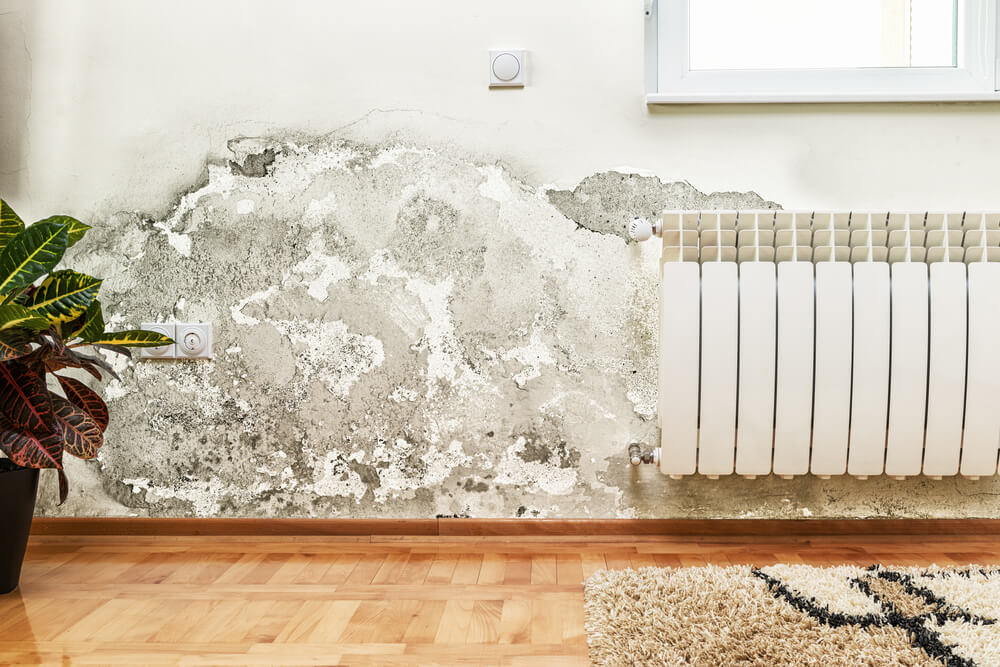
If anyone in the home has asthma, COPD, allergies, headaches linked to a room, or symptoms that improve when they leave the property, do not rely only on a gadget score. Use the monitor to gather clues, but also look at heating appliances, ventilation, damp, fuel-burning equipment, cleaning products and outdoor pollution sources.
How To Place And Use A Monitor
Place the monitor where people breathe, not hidden behind furniture or directly beside a window, purifier, cooker or heater. Test one room for several days before moving it. Bedrooms are useful because closed doors and overnight occupancy often reveal ventilation problems.
Look for patterns. Does CO2 climb when the door is closed? Does PM2.5 spike during cooking and stay high? Does humidity remain elevated after showers or drying clothes? These patterns tell you which intervention to try.
Avoid placing the monitor right beside the source unless you are deliberately testing that source. A monitor next to a frying pan, candle or open window will show dramatic spikes, but that may not represent what someone is breathing across the room. For everyday testing, place it at normal breathing height and away from direct blasts of air.
Turning Readings Into Action
| Reading Pattern | Likely Meaning | Useful Response |
|---|---|---|
| High overnight CO2 | Not enough bedroom ventilation | Use background ventilation or improve airflow |
| PM2.5 spikes during cooking | Particles from frying or grilling | Use extraction, lids and post-cooking ventilation |
| High humidity after showers | Weak extraction or moisture lingering | Run fan longer and dry surfaces |
| VOC spikes after cleaning | Product emissions or fragrance | Ventilate and reduce high-emission products |
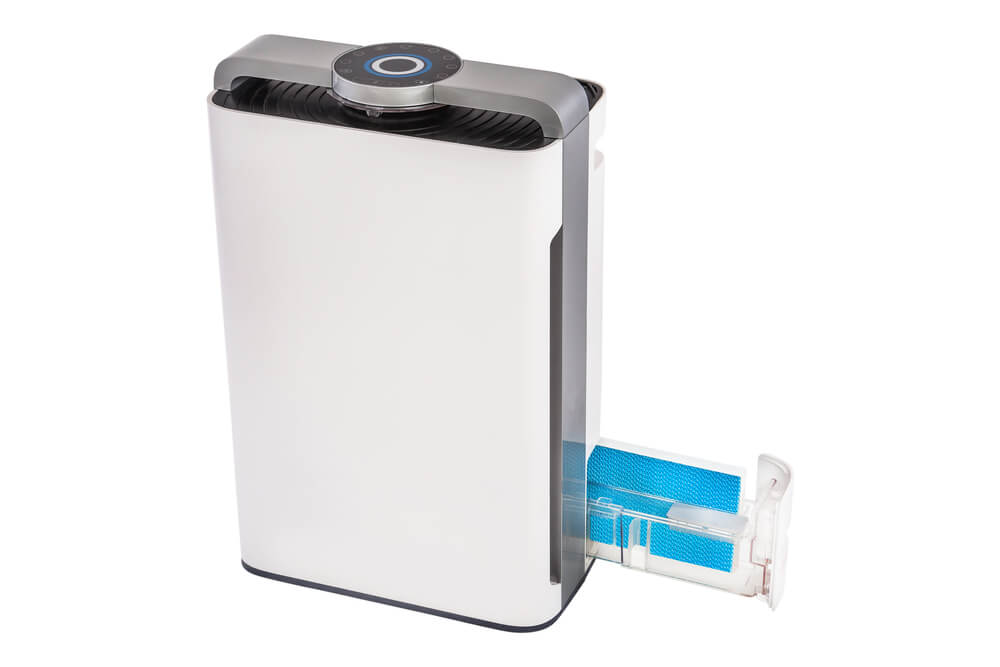
If a reading improves after a change, repeat the test on another day before treating it as solved. Weather, occupancy and outdoor pollution can all change the result, so repeatability is what makes the finding useful.
How To Run A Useful Home Test
Start with a baseline. Put the monitor in the room you care about for at least a few days and keep notes about cooking, showering, window opening, cleaning, candles, guests, sleep and purifier use. The notes matter because air quality readings are only useful when you can connect them to what changed in the home.
Then test one change at a time. If bedroom CO2 is high overnight, try leaving the door ajar or using background ventilation and compare the pattern. If cooking raises PM2.5, test the extractor fan, lids on pans and a short window purge after cooking. If humidity stays high after showers, run the bathroom fan for longer and check whether the moisture clears faster. Changing everything at once makes it harder to know what actually worked.
Use more than one room if the first result surprises you. A living room beside a busy road, a bedroom with closed doors and a bathroom with weak extraction can all have different problems. One central monitor in a hallway may miss the room where the exposure is actually happening.
What Good And Bad Patterns Look Like
Do not obsess over a single spike. Frying food, spraying cleaner or opening a window on a polluted day can create a short rise that clears quickly. A more concerning pattern is a reading that stays high for hours, repeats daily or aligns with symptoms such as headaches, stuffiness, coughing, damp smells or morning condensation.
Humidity is a good example. A bathroom humidity spike after a shower is normal; humidity that remains high long after the fan has run suggests weak extraction, poor airflow or cold surfaces. The GOV.UK ventilation guide explains that ventilation removes stale air and moisture from inside a property, which is why persistent humidity is a building-performance clue rather than just a comfort number.
For particles, watch how long PM2.5 takes to fall after cooking or candle use. If it clears quickly with extraction, the solution may be habit and ventilation. If it stays high, look at filtration, outdoor air, poor extractor performance or whether particles are being carried into other rooms.
Choosing A Monitor Without Overbuying
A good home monitor should help you act. For many households, PM2.5, CO2, humidity and temperature are more useful than a long list of poorly explained scores. VOC readings can be helpful for spotting product-related spikes, but consumer VOC sensors are often best treated as trend indicators rather than exact chemical analysis.
Look for clear data history, easy calibration guidance, replaceable sensors where relevant and readable graphs. If the app gives only a vague “poor” score without showing which metric is driving it, it may be less useful than a simpler monitor with clearer readings. If your main concern is asthma, damp, combustion safety or radon, choose the correct device for that risk rather than relying on a generic air-quality gadget.
Battery life, display clarity and data export can matter more than extra sensors. If you are trying to compare rooms, a portable monitor with reliable history is useful. If you want to automate a purifier or ventilation habit, compatibility with the device ecosystem may be worth paying for. Avoid paying for decorative dashboards if the monitor does not clearly explain which pollutant or condition is causing the warning.
Expert Insights From Our Heating Engineers
Our engineers find that monitors are most useful when people stop treating them as scoreboards and start using them as diagnostic tools. A high reading is a clue: what changed in the room, who was there, what appliance was running and how was the room ventilated?
The quickest wins are often extractor fans, background ventilation, clean filters and moisture control. If the readings point to particles, a purifier can help; if they point to humidity, a dehumidifier or ventilation fix is usually more relevant.
They also caution against chasing a perfect number. Homes are dynamic: cooking, sleeping, cleaning and weather all change readings. The aim is to reduce repeated poor patterns and obvious exposure spikes, not to make every graph flat.
Summing Up
To test indoor air quality at home, measure the pollutants and comfort factors that match your concern, place the monitor sensibly and watch patterns over time. The useful result is not a perfect score; it is knowing whether cooking, poor ventilation, damp, products, outdoor pollution or filtration gaps are affecting the rooms you actually use.
Use CO alarms and radon tests for safety-critical risks, and turn readings into practical changes rather than just more data. If a pattern is persistent, linked to health symptoms or connected with damp and mould, treat the monitor as the start of the investigation, not the end of it. Good testing should leave you with a clearer action plan: ventilate, filter, reduce a source, control moisture or bring in specialist help, then test again afterwards.
Frequently Asked Questions
What Should An Indoor Air Quality Monitor Measure?
For most homes, useful measurements include PM2.5, CO2, humidity, temperature and VOC trends. Carbon monoxide should be handled by a certified CO alarm, not treated as just another app reading. Radon usually needs a dedicated test kit rather than a general air quality monitor.
Where Should I Put An Air Quality Monitor?
Place the monitor in the room you want to understand, away from open windows, direct cooking fumes, heaters, purifiers and strong draughts unless you are deliberately testing those effects. For bedrooms, place it at breathing height and watch overnight CO2 and humidity patterns.
Are Cheap Air Quality Monitors Accurate?
Consumer monitors are best used for trends, spikes and comparisons between rooms rather than laboratory-grade measurements. A cheaper monitor may still show that cooking raises PM2.5 or that a bedroom becomes stuffy overnight, but treat exact numbers with caution and look for repeat patterns.
How Can I Test For Mould In The Air?
Home mould tests can be misleading because mould spores are common and results depend on sampling conditions. Visible mould, musty smells, condensation and damp materials are often more useful clues. Fix moisture sources, improve ventilation and seek specialist help for extensive or recurring mould.
Do I Need A Radon Test In The UK?
Some parts of the UK have higher radon potential, and the only reliable way to know a property’s long-term level is to test. UKHSA provides radon information and maps. A proper radon test is usually left in place for a period so it reflects normal living conditions.
What Should I Do If CO2 Is High Indoors?
High CO2 usually suggests ventilation is not keeping up with occupancy. Open windows, use background ventilation, check extractor fans and avoid blocking vents. If CO2 rises every night in a bedroom, the room may need better background airflow rather than occasional daytime airing.
Updated