
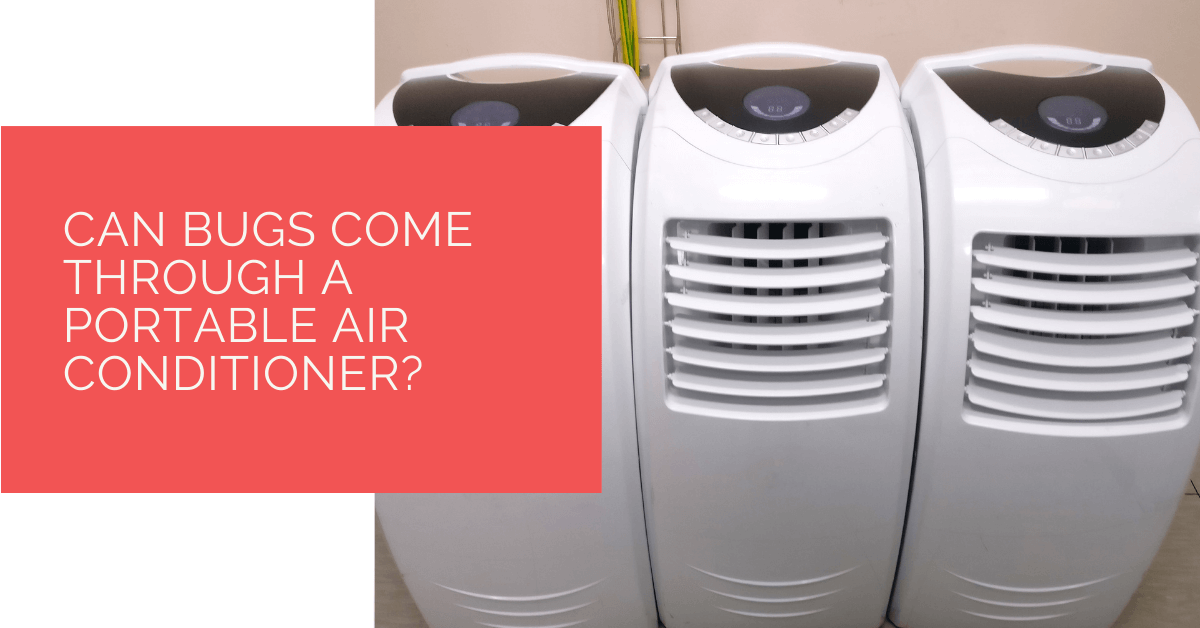
Yes, bugs can get into a room after a portable air conditioner is installed, but they usually do not travel through the cooling system itself. The more common route is through gaps around the exhaust hose, window kit, sliding panel, wall vent or poorly sealed window opening.
A portable AC needs to vent hot air outdoors. That means you create an opening somewhere, usually in a window. If the window kit does not fit tightly, insects can use the same gaps that let hot air, rain or draughts in. Mosquitoes, flies, gnats, ants and spiders need very little space.
This guide explains where bugs actually get in, how to seal a portable AC window kit properly, what not to block, and how to reduce insect problems without making the unit unsafe or less efficient.
Key Takeaways
- Bugs usually enter through gaps around the hose, window kit or vent panel, not through the sealed refrigeration system.
- A poor window seal can let in insects, warm air, rain and draughts.
- Foam tape, weatherstripping, removable caulk and fabric window seal kits are often better than improvised cardboard or paper towels.
- Fine mesh can help, but it must not block the hot-air exhaust or restrict airflow.
- Do not cover intake vents, exhaust outlets, drainage points or the hose opening.
- Clean the window area, hose connection and drainage points because moisture and debris can attract insects.
- If bugs still appear, the problem may be the window frame, cracks, plants, lights or general pest entry points rather than the AC unit itself.
Where Bugs Actually Get In
The main bug risk comes from the installation area. A portable AC sits inside the room, but its exhaust hose connects to a window kit or wall vent. Any gap around that connection can become an entry point.
| Possible Entry Point | Why It Happens | Best Fix |
|---|---|---|
| Window kit edges | The panel does not fit the frame tightly | Foam tape, weatherstripping or a better-fit kit |
| Exhaust hose adapter | Loose collar or imperfect fit | Secure the adapter and seal around the joint without blocking the hose |
| Sliding or sash window gaps | The window cannot close tightly around the kit | Fabric seal kit or custom panel |
| Wall vent opening | Poorly sealed sleeve or cover | Weatherproof external grille and proper sealant |
| Condensate or drain area | Moisture attracts insects nearby | Empty and clean the drain system regularly |
Ground-floor rooms and windows near plants, bins, outdoor lights or standing water are more likely to have insect pressure. In those cases, sealing the AC kit helps, but you may also need to reduce the outdoor attraction.
Why Portable AC Window Kits Leave Gaps
Most portable air conditioners come with a basic window kit. It may work well for a standard sliding or sash window, but UK homes have many different window styles. Casement windows, tilt-and-turn windows, deep frames and uneven older timber frames can leave awkward gaps.
Even when the panel looks fitted, small openings can remain at the top, sides or around the hose adapter. Those gaps reduce cooling performance and give insects a route indoors.
This is why the window kit matters almost as much as the air conditioner. A powerful unit with a poor seal may run longer, cool less effectively and invite pests through the same weak points.
Best Ways To Seal The Window Kit
The best method depends on whether the installation is temporary, seasonal or semi-permanent. Renters usually need removable options, while homeowners may be able to use more durable weatherproofing.
Foam Tape Or Weatherstripping
Self-adhesive foam tape is often the easiest first fix. Use it around the window kit edges where the panel meets the frame. It compresses into small gaps and can usually be removed at the end of the season.
Removable Caulk Or Rope Caulk
Rope caulk or removable sealant can work for uneven edges and small cracks. It is more flexible than hard sealant and is better for seasonal setups. Avoid permanent caulk if you need to remove the kit regularly or if you rent.
Fabric Window Seal Kits
Fabric kits with hook-and-loop fastening can work well for side-opening, tilt-and-turn or awkward windows. They create a flexible seal around the hose while allowing the window to open enough for venting.
Custom Rigid Panel
For a regular summer setup, a custom acrylic, polycarbonate or timber panel can seal better than a flimsy universal kit. It takes more effort, but it can reduce insects, draughts and hot air leaks.
Using Mesh Screens Safely
Fine mesh can help keep insects out, but it must be used carefully. You can use mesh over window gaps, around a surrounding panel or as part of an external vent cover. Do not stretch fine mesh directly across the hot-air exhaust outlet if it restricts airflow.
A portable AC needs to expel hot air freely. If you block the exhaust, the unit can perform badly, overheat or shut down. Any mesh or grille should be sized so it stops insects without acting like a clogged filter.
Check mesh regularly for dust, fluff, pollen and insects. A clean, open mesh is different from a blocked one.
What Not To Block
When bug-proofing a portable air conditioner, avoid turning the fix into a cooling or safety problem. Do not block:
- The hot-air exhaust outlet.
- The indoor air intake grille.
- The hose opening.
- Condensate drainage points.
- Manufacturer ventilation clearances.
- The power cable or plug area.
If the unit starts cooling worse after you seal the window, check that the hose is still straight, connected and unobstructed. Our portable air conditioner problems guide covers common cooling and hose setup issues.
Cleaning And Moisture Control
Portable AC units can produce condensate, and some models collect water in a tank or drain it through a hose. Moisture, dust and debris can attract insects around the unit or window area, especially in warm weather.
Empty the tank when needed, clean filters according to the manufacturer’s instructions, and wipe the window kit area occasionally. Do not let water sit in trays, buckets or hose loops near the window.
Also check outdoor conditions. Standing water, dense plants, food waste, bins and bright lights near the window can all increase insect activity. The AC gap may be the route in, but the attraction may be outside.
Renter-Friendly Fixes
If you rent, choose solutions that are effective but removable. Foam tape, removable weatherstripping, fabric window kits and rope caulk are usually safer than permanent silicone or drilling into frames.
Take photos before installing anything, especially if you are using adhesive products. Avoid damaging paint, seals or window mechanisms. If the property has poor window condition, large gaps or damaged frames, report that separately rather than treating the portable AC as the only issue.
When The AC Is Not The Real Problem
If insects keep appearing after the window kit is sealed, widen the search. Check other windows, trickle vents, door thresholds, floor gaps, wall cracks, utility penetrations and loft access. Bugs may be entering elsewhere and simply becoming noticeable when the room is lit or cooled.
Bed bugs are a different issue. They do not usually appear because of a portable AC window hose. If you suspect bed bugs, treat it as a pest-control problem rather than an air-conditioner sealing problem.
If the issue is mosquitoes, look for standing water outdoors and consider keeping lights away from the open window area at night. For flies and ants, check food sources and waste storage as well as gaps.
Case Study: Sealing A Portable AC In A Ground-Floor Bedroom
Background
A renter used a portable air conditioner in a ground-floor bedroom during a heatwave. The unit cooled the room, but small flying insects started appearing near the window in the evening.
Assessment
The issue was not the AC body. The sliding window panel left a narrow gap at the top, and the hose adapter was slightly loose. Outdoor lights and plants near the window increased insect activity.
Fix
The renter used removable foam tape around the window panel, tightened the hose adapter and added a fabric seal kit around the awkward window edge. The outdoor light was switched off when the AC was running at night.
Result
The room stayed cooler and insects stopped appearing around the window. The key lesson was that the AC installation created a weak point, but the solution was better sealing rather than covering the unit itself.
Expert Insights From Our Cooling Engineers
One of our senior cooling engineers with over 18 years of experience says most insect problems around portable AC units are installation problems.
“People often blame the unit, but the real issue is the window kit. If the panel leaves gaps around the hose or frame, insects can use those gaps just as easily as warm air can.”
He also warns against blocking airflow. “Do not fix a bug problem by smothering the exhaust or intake. A portable AC has to move air freely. Seal the window opening, not the working parts of the machine.”
Frequently Asked Questions
Can Insects Come Through A Portable Air Conditioner?
Yes, but usually through gaps around the window kit, exhaust hose or vent panel rather than through the sealed cooling system. A poorly fitted window kit can leave enough space for mosquitoes, flies, gnats, ants or spiders to enter.
Can Mosquitoes Come Through A Portable AC Hose?
Mosquitoes are more likely to come through gaps around the hose adapter or window panel than through the hose itself. Seal the panel edges and hose connection carefully, and reduce standing water or bright lights near the window.
Should I Put Mesh Over A Portable AC Vent?
Mesh can help around window gaps or external vent covers, but it must not restrict the hot-air exhaust. If the mesh blocks airflow, the unit may cool poorly, overheat or shut down. Keep any mesh clean and open.
Can I Use Tape Around A Portable AC Window Kit?
Yes, tape can help seal temporary gaps, but foam tape or weatherstripping usually looks neater and seals better. Avoid taping over vents, the exhaust outlet, drainage points or the power cable.
Is Caulk Safe Around A Portable AC Window Panel?
Removable caulk or rope caulk can be useful for seasonal sealing. Permanent caulk is less suitable if you rent, remove the unit often or need to adjust the panel. Do not use caulk in a way that traps the hose or blocks airflow.
Can Bugs Get In When The Portable AC Is Switched Off?
Yes. If the window kit or hose opening has gaps, insects can enter whether the unit is running or not. The seal around the installation matters all the time, especially at night when lights may attract flying insects.
Why Do Bugs Appear After Installing A Portable AC?
The installation may have created small gaps in the window opening, or moisture and light near the unit may be attracting insects. The timing can make it look as though bugs are coming through the AC, when they are actually using gaps around the kit.
Should I Leave The Window Screen In Place?
If the screen does not block the exhaust hose and still allows the kit to fit properly, it can help. Some setups need a separate fabric seal kit or custom panel because a standard screen gets in the way of the hose adapter.
What Should I Avoid Blocking On A Portable Air Conditioner?
Do not block the exhaust outlet, indoor intake grille, hose opening, drainage points or manufacturer clearance areas. Seal the gaps around the installation, not the parts the unit needs for airflow and cooling.
Summing Up
Bugs can appear after a portable air conditioner is installed, but the real entry point is usually the window kit, hose adapter or vent opening rather than the AC’s internal cooling system. A tight seal helps keep insects out and also improves cooling performance.
Use removable foam tape, weatherstripping, rope caulk, fabric window kits or a better-fitting panel to close gaps. Keep the exhaust and intake clear, clean the unit regularly, and check whether outdoor lights, plants or standing water are attracting insects near the window.
Updated