
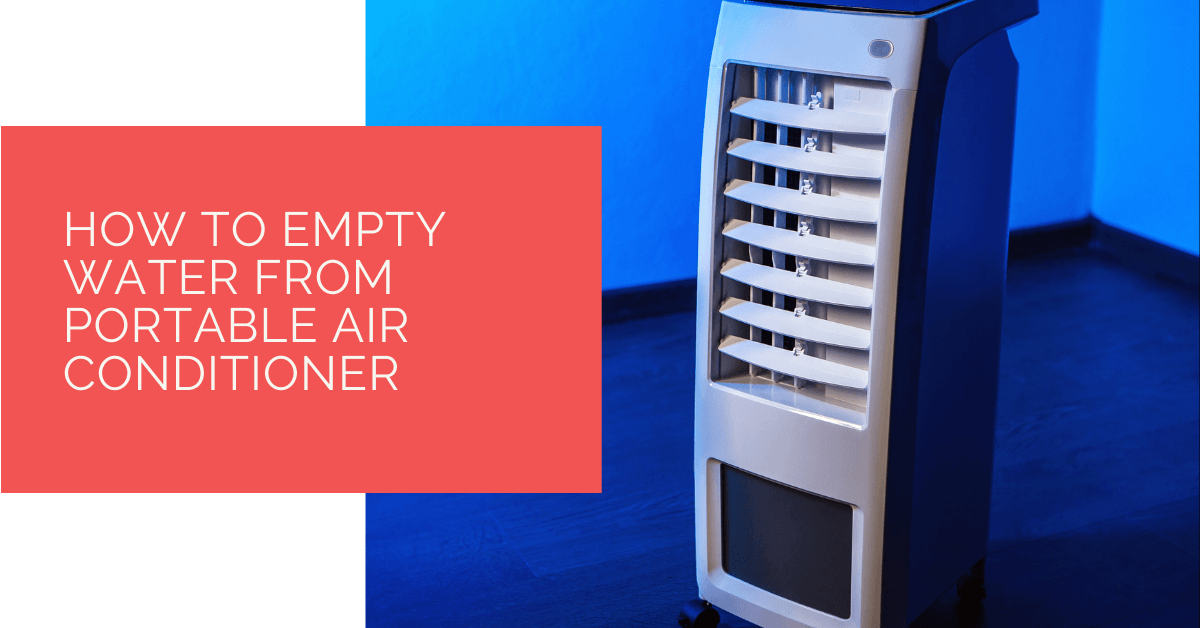
Emptying water from a portable air conditioner is usually simple, but it can be messy if you pull the drain plug without planning where the water will go. The safest approach is to switch the unit off, unplug it, place a shallow tray or container below the drain outlet, and open the plug slowly.
Portable ACs collect water because they remove moisture from warm air while cooling. Some models evaporate much of that water through the exhaust hose, while others need manual draining more often. This guide explains both situations so you can drain the unit without leaks or guesswork.
Key Takeaways
- Always turn off and unplug the portable AC before draining.
- Use a shallow tray, towels and a stable position before opening the drain plug.
- Self-evaporating units may still need draining in humid weather or dry mode.
- Continuous drainage needs a downward hose route to work properly.
- Drain the unit fully before long-term storage to reduce smells and mould.
Why Portable Air Conditioners Collect Water
As warm humid air passes over the cold evaporator coil, moisture condenses into liquid water. That water either collects in a tank, drains out through a port or is partly expelled through the exhaust hose.
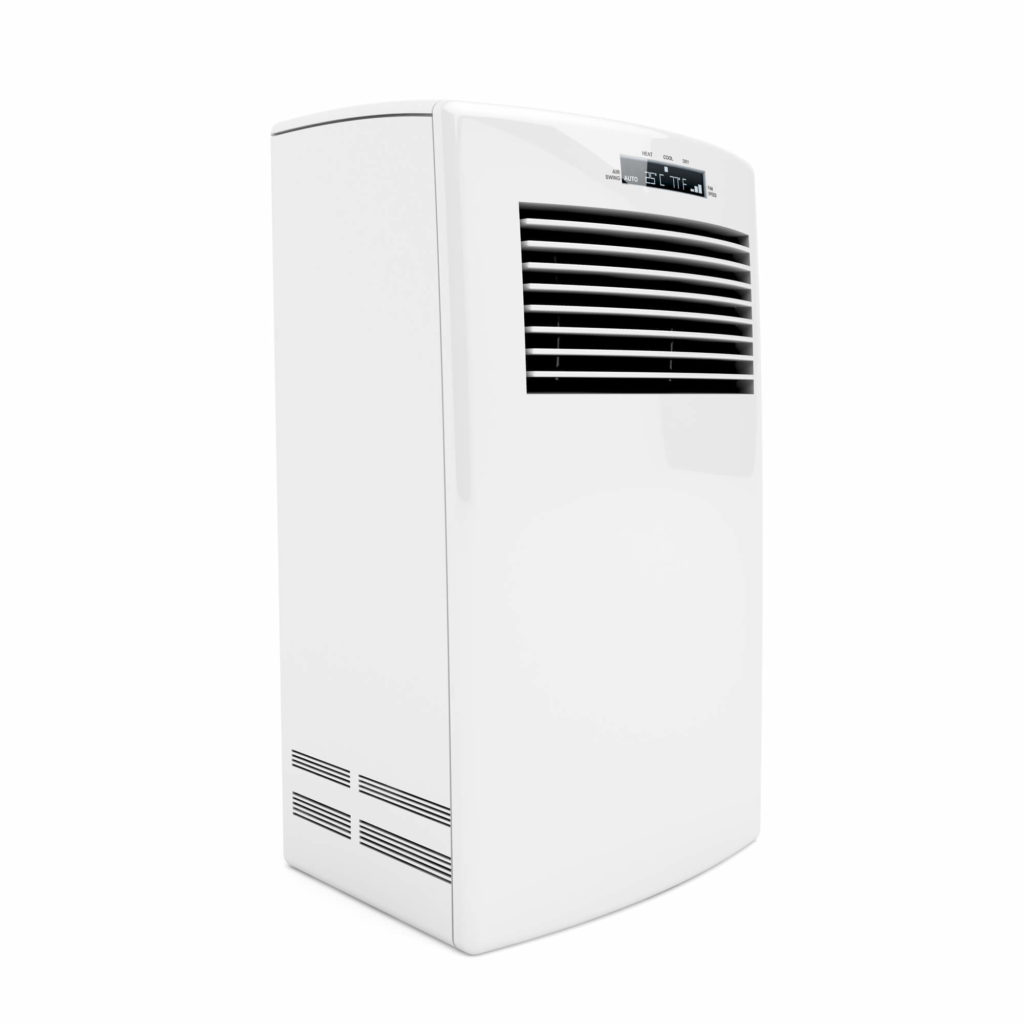
High humidity, open windows, drying laundry and dry mode can all increase water collection. A full tank warning is not automatically a fault; it often means the unit is doing its dehumidifying job.
Manual Drain Method
1. Switch Off And Unplug
Never drain while the unit is running. Unplugging protects you if water spills near the appliance.
2. Prepare The Area
Place towels around the base and use a shallow tray if the drain outlet is low. Some owners carefully move the unit to a doorway or shower tray, but only do this if it can be moved safely and kept upright.
3. Open The Drain Slowly
Remove the cap or rubber plug gradually. Water may flow faster than expected. Let it drain fully, then refit the plug securely before restarting.
Continuous Drainage
If the unit supports continuous drainage, connect the correct hose to the drain outlet and route it downhill to a drain or suitable container. Gravity matters. If the hose rises or kinks, water can back up and leak.
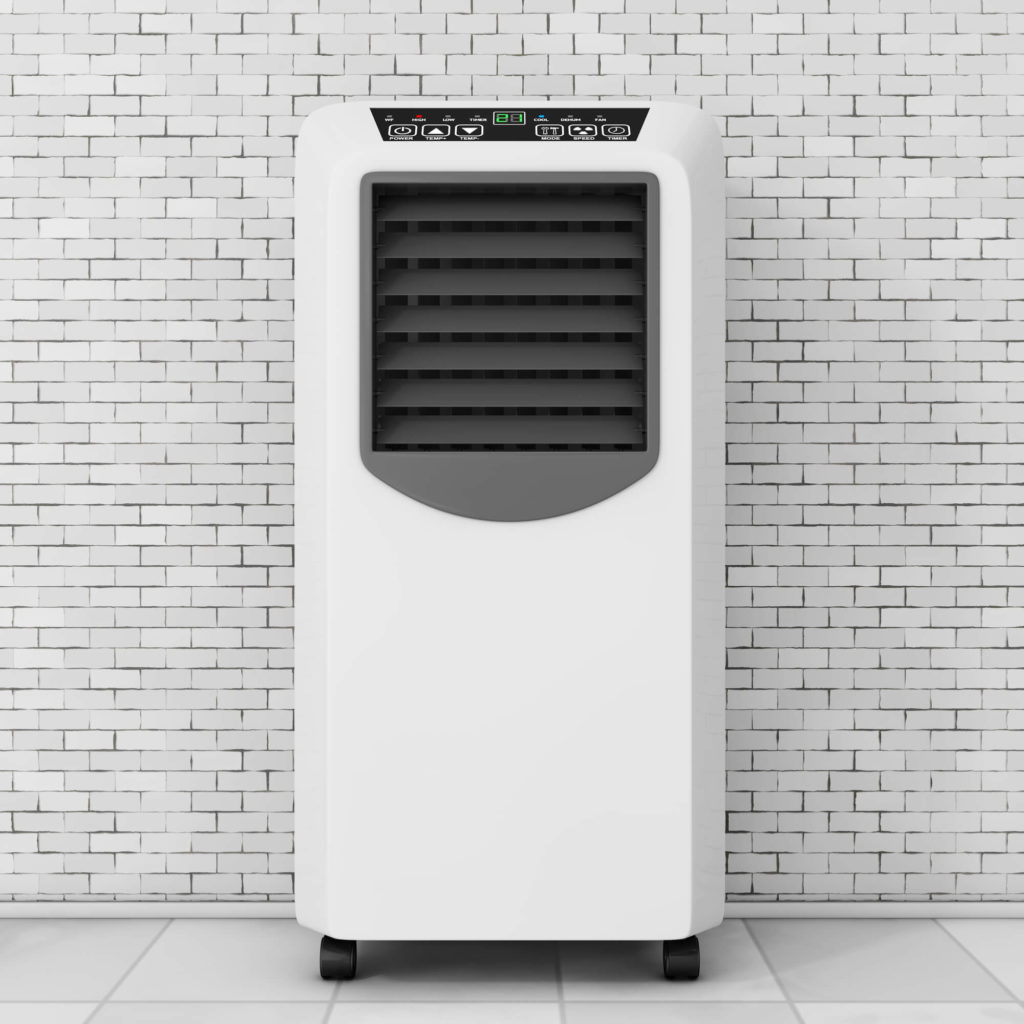
For related advice, see how often portable ACs need draining.
Troubleshooting Leaks And Full Tank Warnings
| Problem | Likely Cause | What To Check |
|---|---|---|
| Water on floor | Loose plug, tilted unit or blocked drain | Refit cap, level unit and inspect hose |
| Tank fills quickly | High humidity or dry mode | Close windows and consider continuous drain |
| No water drains | Self-evaporation or blocked port | Check manual and drain outlet |
Manual Drain Vs Continuous Drain
Manual draining is fine for occasional tank emptying, especially if the unit only fills during humid weather. Continuous drainage is better when using dry mode, running the unit overnight, or dealing with a room that produces a lot of moisture.
The downside of continuous drainage is setup. The hose must slope down and stay secure. If it is kicked loose, kinked or routed to a container that overflows, it can create a bigger mess than the original tank warning.
Draining Before Moving The Unit
Drain the portable AC before moving it between rooms or storing it. Water left inside can spill into areas that were not meant to get wet, especially if the unit is tilted. Move it slowly and keep it upright so the compressor and internal water paths are not disturbed.
When Frequent Draining Means Another Problem
If the unit needs emptying constantly in normal cooling mode, check whether windows are open, the room is very humid, the hose is poorly sealed or the appliance is undersized. Frequent water collection is sometimes a room condition problem, not a fault with the drain itself.
What To Do If The Drain Plug Is Awkward
Some portable AC drain outlets sit very close to the floor, which makes normal bowls too tall. Use a shallow tray, baking tray or low container, and drain in stages if necessary. Avoid tipping the unit heavily to force water out because that can send water into places it should not go.
Use The Manual For Drain Order
Some units have more than one drain outlet, and the lower drain may be intended for end-of-season emptying rather than routine tank emptying. Opening the wrong port without a tray can release more water than expected, so check the model diagram before the first drain.
Case Study: Avoiding A Bedroom Spill
Background
A homeowner pulled the bottom drain plug over carpet and water escaped faster than expected.
What Changed
They used a shallow tray, towels and drained the unit near a hard floor the next time.
Result
Draining became quick and controlled, with no leak panic.
Expert Insights From Our HVAC Engineers
Most drainage problems come from three things: not knowing which plug to open, trying to drain over carpet, or routing a continuous hose without enough fall. Take a minute to identify the lower drain, upper drain and any tank indicator before water starts moving. The manual is worth checking because some units use one port for dry mode and another for end-of-season emptying.
Do not ignore repeated full-tank warnings. They may simply mean the weather is humid, but they can also show that the unit is being used in dry mode, the room is not sealed, or the appliance is working harder than expected. If draining becomes constant, check the window kit, exhaust hose, room size and whether doors are being left open.
Before storage, drain the unit fully, refit the caps and run fan-only mode if the manual allows it. Storing a portable AC with water inside encourages stale smells and can make the first use of the next season unpleasant. Keep the unit upright so residual water and oil stay where the manufacturer expects them to be.
One of our senior HVAC engineers with over 20 years of experience says drainage problems often come from assuming all portable ACs behave the same. Fully evaporative, partially evaporative and manual-drain units have different routines.
He recommends reading the drainage section of the manual before the first heatwave. Learning where the plug is while the tank is already full is when most spills happen.
Frequently Asked Questions
Where Is The Drain Plug On A Portable Air Conditioner?
It is usually low on the rear or side of the unit, but the exact position varies. Some models have separate upper and lower drains for different modes, so check the manual before opening anything.
How Do I Empty A Portable AC Without Making A Mess?
Turn it off, unplug it, place towels and a shallow tray under the drain, then open the plug slowly. If the outlet is very low, move the unit carefully to a suitable hard-floor area while keeping it upright.
Why Does My Portable AC Keep Saying The Tank Is Full?
The tank may genuinely be full, the unit may be in dry mode, humidity may be high, or the drain float/sensor may be stuck. Empty it fully, refit the plug and check whether the warning clears.
Can I Leave A Drain Hose Connected All The Time?
Yes, if the model supports continuous drainage and the hose slopes down to a safe drain. A hose that rises, kinks or ends too high will not drain properly.
Is The Water From A Portable AC Clean?
It is condensate, not drinking water. It can contain dust, microbes or residues from inside the unit, so dispose of it safely rather than reusing it for anything sensitive.
Do Self-Evaporating Portable ACs Need Emptying?
Sometimes. They reduce manual draining but may still need emptying during humid weather, long run times or dry mode. Treat no-drain claims as conditional.
Should I Drain The Unit Before Storage?
Yes. Drain remaining water, let the unit dry and store it upright. This reduces musty smells and mould risk when you use it again.
Why Is Water Leaking Even After I Drained It?
The drain cap may be loose, the tank may not be seated, the unit may be tilted, or an internal drain path may be blocked. Stop using it until the leak source is clear.
Step-By-Step Spill Prevention
Portable AC water often escapes faster than people expect because the bottom drain is close to the floor. Before removing the plug, roll the unit onto a hard surface if possible, put towels behind and beneath it, and choose a shallow tray that actually fits under the drain outlet. Do not tip the appliance sharply unless the manual tells you to, because water can move into places it should not go.
If the plug is stiff, work slowly. Some models have an outer cap and an inner rubber bung, and water may start flowing as soon as the second part is loosened. Keep one hand on the plug and one on the container, then refit both parts firmly before moving the unit back into position.
| Drain Situation | Best Method | Common Mistake |
|---|---|---|
| Occasional full-tank warning | Manual drain into a tray | Opening the plug over carpet |
| Humid room or dry mode | Continuous gravity drain | Routing the hose uphill |
| No nearby floor drain | Bucket lower than outlet, checked regularly | Leaving the bucket to overflow |
| End-of-season storage | Drain fully and run fan-only briefly | Storing with stale water inside |
Summing Up
Emptying a portable AC is about controlling water before it escapes. Switch off, prepare the area, drain slowly and use continuous drainage only when the hose can fall properly to a safe outlet.
If the unit keeps filling unusually quickly, the answer may be humidity, dry mode, poor window sealing or a wrongly routed drain hose rather than a fault. If it leaks after draining, check the plug, tank seating and hose connection before restarting. For wider moisture management, see our guide to how often portable air conditioners need draining. A few minutes of preparation before opening the drain plug can prevent the most common spills, smells and false fault worries.
For bedrooms and rented flats, plan the drain location before the tank is full. A hard floor, shallow tray and nearby towel are far safer than trying to drag a heavy unit across carpet while water is already pressing against the lower plug.
Updated