
To seal a portable air conditioner, you need to close the gap around the exhaust hose so hot air cannot leak back into the room. The exact method depends on the window type, but the principle is always the same: the hose must vent outdoors through a reasonably airtight barrier.
This matters more than many people realise. A portable AC removes heat from the room and sends it outside through the hose. If the window is left open around the hose, some of that heat comes straight back in, along with warm outdoor air, insects and noise. A good seal makes the unit cool faster, run less wastefully and feel much less frustrating.
Key Takeaways
- A portable air conditioner window seal stops exhausted hot air leaking back into the room.
- Fabric zip kits are convenient for many UK casement windows, while rigid panels can give a neater long-term seal.
- Measure the window before buying a kit, especially with tilt-and-turn, sash or outward-opening windows.
- Keep the hose as short and straight as possible to maintain airflow.
- Check for gaps after installation, because small leaks can noticeably reduce cooling performance.
Why A Window Seal Is Necessary
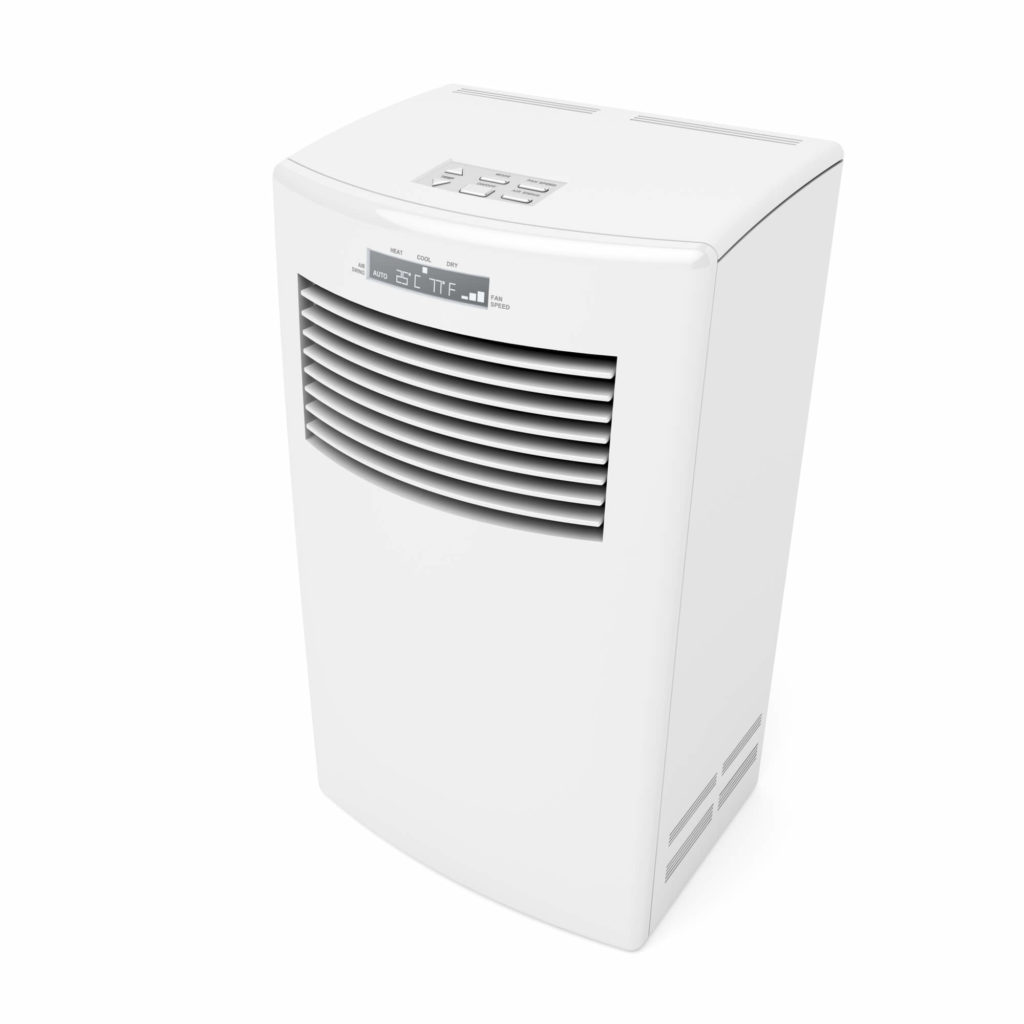
A portable air conditioner works by extracting heat from indoor air and pushing that heat outside. The exhaust hose carries the hot air out of the room. If the hose exits through an open window with gaps around it, warm air can re-enter while the unit is running.
Single-hose portable ACs can also create slight negative pressure because they exhaust indoor air outside. That pressure encourages warm air to enter through gaps. A poor seal makes this worse.
Ideal Home’s expert guidance on portable AC window kits makes the same practical point: you can technically run a unit without a proper kit, but performance suffers because hot air leaks back into the room. The seal is part of the cooling setup, not a cosmetic extra.
Choose The Right Type Of Seal
Different windows need different sealing methods. Before buying anything, measure the opening and check how the window moves.
| Seal Type | Best For | Trade-Off |
|---|---|---|
| Fabric zip kit | Casement and tilt windows, renters, seasonal use | Adhesive Velcro can loosen in heat or on dirty frames |
| Sliding panel kit | Sash and sliding windows | Often poor fit for UK casement windows |
| Custom acrylic panel | Long-term neat installation | Costs more and needs accurate measuring |
| Foam tape and board | Temporary DIY setup | Can look untidy and may not last |
| Wall vent | Permanent installation | Needs drilling, landlord permission or professional work |
For a broader explanation of why the hose matters, see our guide to how portable air conditioners work.
Step-By-Step: How To Seal The Window
1. Choose The Window
Pick a window close enough to the unit that the hose can reach without being stretched, crushed or sharply bent. The shorter and straighter the hose, the better the airflow.
Avoid placing the unit in direct sun if possible. The appliance already produces heat at the exhaust side, so a cooler position helps it work more comfortably.
2. Clean The Frame
Clean dust, grease and loose paint from the window frame before applying adhesive strips or foam. Fabric kits often fail because the Velcro is stuck to a dirty or damp surface.
Let the surface dry fully. If the frame is painted, test adhesive in a discreet area if you are worried about damage when removing the kit later.
3. Fit The Panel Or Fabric Seal
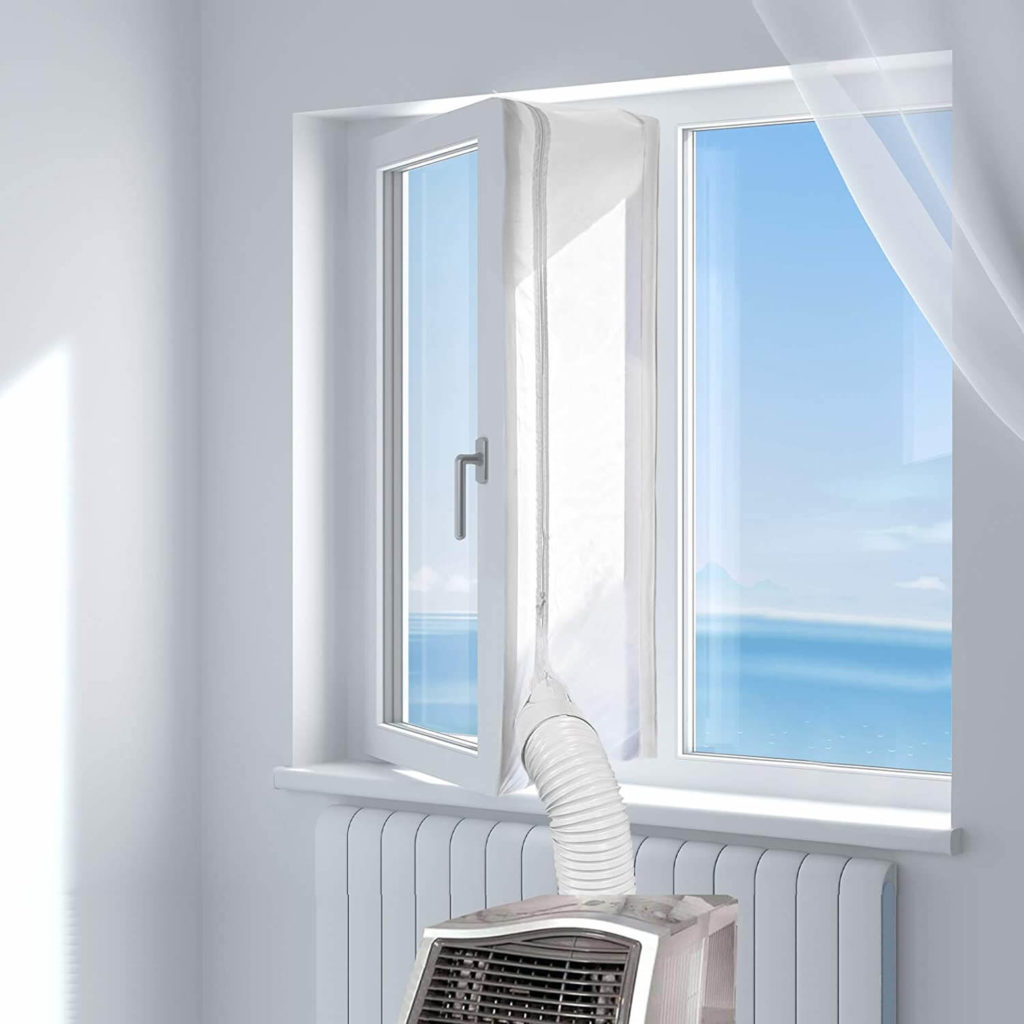
For a fabric kit, apply the Velcro around the window frame and opening sash as instructed, then attach the fabric and close the zip around the hose. For a rigid panel, fit the panel securely into the opening and make sure the hose adaptor sits tightly in its cut-out.
Do not leave the hose simply resting on the window sill. The hose outlet should be held in place so warm exhaust air is directed outside rather than against the frame.
4. Seal The Small Gaps
Use foam weatherstripping, foil tape or draught tape to close small gaps around the panel, hose adaptor or frame. Do not tape over parts of the window in a way that creates a safety issue or prevents emergency escape where that matters.
If the hose adaptor is loose, the unit may blow hot air back into the room even if the window itself is sealed. Check the connection at both the appliance and the window.
5. Test While The Unit Is Running
Turn the AC on and feel around the seal for warm air movement. A strip of tissue can help reveal draughts. Check after 10 to 15 minutes as some materials shift once the hose warms up.
If the room is not cooling, check the hose route, window gap, filter, tank warning and room size before assuming the AC is underpowered.
How To Seal Different UK Window Types
Casement windows are common in UK homes and often suit fabric zip kits or custom acrylic panels. The challenge is that the opening is not a neat sliding slot, so universal rigid kits may not fit well.
Sash windows can work with adjustable sliding panels if the panel seals the width properly. Add foam tape where the panel meets the frame to reduce leakage.
Tilt-and-turn windows can be awkward because of their movement and large opening shape. Fabric kits are often the simplest non-permanent option, although a custom panel may look better for repeated use.
For patio doors or balcony doors, a longer fabric door seal may work, but the hose route should still be short and secure. Do not create a trip hazard across a walkway.
Can You Use Cardboard Or Tape?
Cardboard can work as a very short-term emergency fix, but it is not ideal. It can warp, absorb moisture, look untidy and fail in heat. It may also block too much light and be difficult to seal neatly around the hose.
A better DIY option is rigid plastic sheet, acrylic, polycarbonate or insulated board cut to fit the opening. Use weatherstripping around the edges and a correctly sized hole for the hose adaptor.
Tape can help seal small gaps, but it should not be the whole installation. Some tapes leave residue or pull paint from frames, which matters in rental homes.
Common Mistakes To Avoid
Do not extend the hose unless the manufacturer allows it. Longer hoses increase resistance and can make heat removal worse. Do not crush or sharply bend the hose behind furniture.
Do not vent into a loft, cupboard, hallway or another room. The heat needs to leave the building. Venting indoors simply moves the problem somewhere else.
Do not assume a more powerful portable AC will overcome a poor seal. A badly sealed window can make even a strong unit run for longer, make more noise and use more electricity.
Rental And Safety Considerations
If you rent, choose removable solutions first: fabric kits, foam strips and non-permanent panels. Avoid drilling walls or frames without permission.
Keep the plug and extension arrangements safe. Portable ACs are high-power appliances, so a wall socket is usually better than an overloaded extension lead. Keep the exhaust hose away from anything that could soften, melt or block airflow.
If you want a permanent wall vent, ask a qualified tradesperson and get landlord or freeholder approval where needed. A neat permanent vent can work well, but it is not always worth it for occasional summer use.
Case Study: Fixing A Poorly Cooling Portable AC
Background
A homeowner had a portable AC in a small office, but the room stayed warm even after an hour of running.
Project Overview
The hose was placed through a half-open casement window with towels stuffed around the gap. Hot exhaust air was leaking back into the room.
Implementation
A fabric zip kit was fitted, the frame was cleaned before applying Velcro, and foam tape was used around the hose adaptor. The hose was shortened and straightened.
Results
The room cooled faster and the unit stopped running continuously. The appliance had enough capacity; the installation was the weak point.
Expert Insights From Our HVAC Engineers
One of our senior HVAC engineers with over 20 years of experience says window sealing is the first thing he checks when a portable AC “does not work”. In many cases, the problem is not the compressor. It is warm air re-entering around the hose.
He recommends treating the window kit like ductwork. If the air path leaks, bends too sharply or vents into the wrong place, the system wastes energy. A tidy seal and short hose can make a modest unit feel far more capable.
Frequently Asked Questions
Can You Use A Portable AC Without Sealing The Window?
You can run it, but it will work poorly. Hot exhaust air and warm outdoor air can leak back into the room, making the unit run longer and reducing the cooling effect.
What Is The Best Window Seal For A Portable Air Conditioner?
For many UK casement windows, a fabric zip kit is the easiest removable option. For a neater long-term setup, a custom acrylic panel with a hose cut-out can give a better seal.
How Do You Seal A Casement Window?
A fabric kit usually attaches with adhesive Velcro around the frame and opening sash. The fabric then zips around the hose. Clean and dry the frame first so the adhesive holds properly.
Can I Use Cardboard To Seal A Portable AC Window?
Cardboard can work temporarily, but it is not durable or attractive. Rigid plastic, acrylic or a proper fabric kit is usually better because it seals more reliably and copes better with heat and moisture.
Should The Portable AC Hose Be Insulated?
It can help if the hose becomes very hot and runs through the room, but first make sure the hose is short, straight and properly connected. Do not cover it in a way that traps heat against materials not designed for it.
Why Is Hot Air Coming Back In Around The Hose?
The seal may have gaps, the hose adaptor may be loose, or the exhaust outlet may be aimed at the frame rather than outside. Check the window kit while the unit is running and seal any leaks.
Can You Vent A Portable Air Conditioner Through A Door?
Yes, if the door opens outdoors and the gap can be sealed safely. A door kit or long fabric seal may be needed. Avoid creating trip hazards or blocking an important escape route.
Is A Permanent Wall Vent Better?
A wall vent can be neater and more airtight for regular use, but it involves drilling and may need permission in rental or leasehold homes. For occasional use, a good removable window seal is usually simpler.
Summing Up
Sealing a portable air conditioner is about keeping the heat outside. Choose a seal that suits your window, keep the hose short and straight, close the small gaps, and test the setup while the unit is running.
A good seal will not make a small unit cool an oversized room, but it can make a suitable portable AC work far better. If the window gap is open, the appliance is fighting itself.
Updated