
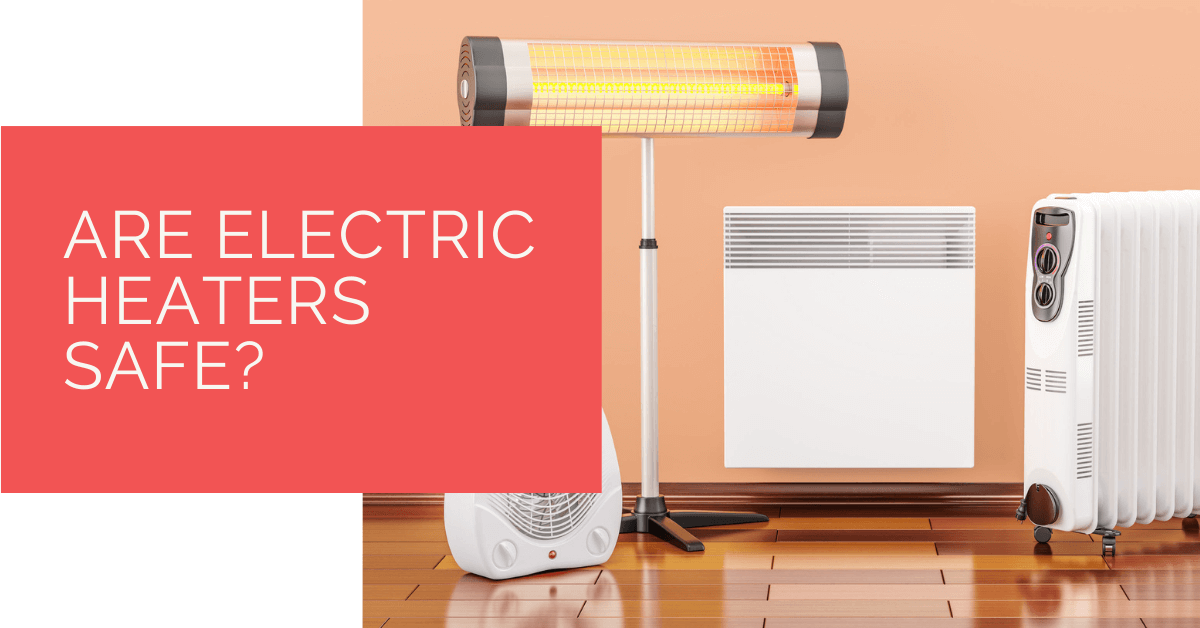
Electric heaters can be safe when they are well made, correctly placed and used for the job they are designed to do. The safety problems usually come from misuse: covering heaters, drying clothes on them, using extension leads, placing them too close to furniture, leaving them unattended, or continuing to use damaged appliances.
That makes the honest answer more useful than a simple yes or no. A modern electric heater with tip-over protection, overheat cut-off and a clear cable can be a sensible short-term room-heating option. A cheap, damaged or badly positioned heater can be a serious fire risk. This guide explains what to check before using one, which mistakes matter most, and when another heating option is safer.
Contents
- 1 Key Takeaways
- 2 What Makes Electric Heaters Risky?
- 3 Safer Features To Look For
- 4 Safe Placement And Daily Use
- 5 Which Electric Heater Types Are Safest?
- 6 Warning Signs To Stop Using A Heater
- 7 Room-By-Room Safety Considerations
- 8 What To Check Before Buying
- 9 Expert Insights From Our Heating Engineers
- 10 Summing Up
- 11 Frequently Asked Questions
- 11.1 Can Electric Heaters Cause Fires?
- 11.2 Is It Safe To Leave An Electric Heater On Overnight?
- 11.3 Can I Plug An Electric Heater Into An Extension Lead?
- 11.4 Which Type Of Electric Heater Is Safest?
- 11.5 Are Electric Heaters Safe In Bedrooms?
- 11.6 What Safety Features Should I Look For?
- 11.7 Can Electric Heaters Produce Carbon Monoxide?
- 11.8 When Should I Replace An Electric Heater?
Key Takeaways
- Electric heaters are generally safe when bought from reputable retailers and used exactly as instructed.
- Keep portable heaters at least one metre from curtains, bedding, clothes, paper and furniture.
- Do not run high-wattage heaters from extension leads or overloaded sockets.
- Never dry clothes on or directly beside an electric heater.
- Stop using any heater with scorch marks, damaged cable, buzzing, burning smells or unreliable controls.
What Makes Electric Heaters Risky?
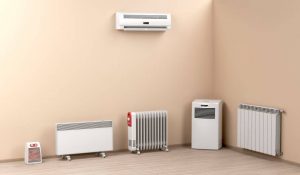
Electric heaters combine high electrical load with high surface or outlet temperatures. That is normal, but it means poor placement and poor electrical practice matter. A fan heater can blow hot air directly at fabric. A radiant heater can heat nearby objects. A convector can overheat if vents are blocked. An oil-filled radiator is usually gentler, but it still gets hot and still uses a lot of electricity.
Electrical Safety First advises keeping portable heaters away from combustible materials, avoiding extension leads and not leaving heaters unattended or running while asleep. Those points are practical because most serious incidents involve ordinary mistakes rather than mysterious failures.
Safer Features To Look For
Look for overheat protection, tip-over cut-off, a stable base, clear controls, a thermostat, timer and reputable safety markings. Buy from recognised retailers and avoid suspiciously cheap online listings with vague brand names, poor instructions or unrealistic running-cost claims. A heater should have a proper plug, intact cable and instructions in clear English.
Thermostats and timers help because they reduce unnecessary running. They do not make the heater safe to cover, ignore or place near bedding. Treat safety features as backups, not permission to use the heater carelessly.
Safe Placement And Daily Use
| Rule | Why It Matters | Practical Example |
|---|---|---|
| Keep one metre clearance | Reduces ignition risk | Away from curtains, sofas, beds and laundry |
| Use a wall socket | Prevents overloaded leads | Avoid extension reels and multiway adaptors |
| Use a level surface | Reduces tip-over risk | No rugs, beds, sofas or unstable shelves |
| Do not cover vents | Prevents overheating | Never dry clothes over the heater |
If you need heat overnight, warm the room before bed and switch the heater off where possible. If someone is vulnerable and needs background heat, an oil-filled radiator with a thermostat, clear space and working smoke alarms is generally a lower-risk choice than a glowing or fan heater, but unattended heating still needs caution.
Which Electric Heater Types Are Safest?
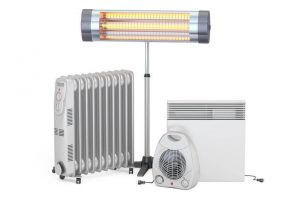
No type is automatically safe in all situations. Oil-filled radiators usually have lower surface intensity and retain heat after switching off, but they are slower. Fan heaters warm quickly but can overheat if blocked and should not be aimed at bedding. Halogen and radiant heaters give direct heat but need careful clearance. Panel and convector heaters can be tidy for room heating but still need airflow.
For buying decisions, our guide to the best electric heaters compares heater styles, while our article on electric heater running costs explains the wattage side.
Warning Signs To Stop Using A Heater
Stop using an electric heater if the plug gets hot, the socket crackles, the cable is frayed, the casing is cracked, controls are loose, the heater smells burnt, sparks appear, the fan slows unpredictably or the heater trips electrics. Do not repair a heater with tape or keep resetting a circuit that is telling you something is wrong.
Also think about the room. Bathrooms, damp garages and outdoor areas need equipment specifically rated for those conditions. A standard portable heater is not automatically suitable just because there is a socket nearby.
Room-By-Room Safety Considerations
Electric heater safety changes with the room. A heater that is acceptable in a clear home office may be a poor choice beside a bed, in a child’s bedroom or in a bathroom. Bedrooms create the biggest concern because people are asleep, bedding can move, and a heater may be left running for longer than intended. If a bedroom needs regular background heat, a fixed, thermostatically controlled heating option is usually a better long-term answer than a portable fan or radiant heater.
| Room | Main Risk | Safer Approach |
|---|---|---|
| Bedroom | Bedding, sleep and unattended use | Warm before bed, keep clear, avoid portable radiant heaters overnight |
| Living room | Curtains, sofas and children moving around | Use a stable heater with clear space and visible cable route |
| Home office | Extension leads and long running hours | Use a direct wall socket and thermostat |
| Bathroom | Water and unsuitable appliances | Use only properly rated bathroom heating installed safely |
| Garage or workshop | Dust, paint, aerosols and damp | Check suitability and keep away from flammable materials |
This is why a simple “safe or unsafe” answer is not enough. The same heater can be low risk for a short supervised session and high risk if it is used in the wrong room, close to soft furnishings or left on because the main heating is not coping.
What To Check Before Buying
Before buying, check the wattage, safety features, build quality, instructions and intended room type. For many UK plug-in heaters, 2kW is common, so the appliance is drawing a substantial load when on full power. That does not make it unsafe by itself, but it does mean the socket, plug and cable need to be in good condition. Avoid products with unclear specifications, poor translations, unrealistic “ultra cheap to run” claims or no recognisable retailer support.
Also consider whether a portable heater is solving the right problem. If one room is always cold, it may be because of poor insulation, draughts, an undersized radiator or an issue with the central heating balance. A heater can provide useful top-up warmth, but it should not hide a recurring fault that would be better fixed at source.
For older heaters, be stricter. Plastic can become brittle, thermostats can become unreliable and cables can be damaged by years of being wound tightly or trapped under furniture. A heater does not need to look dramatic to be unsafe; repeated overheating, a loose plug pin, a buzzing switch or a faint hot-plastic smell are enough reason to stop using it. Replacing a questionable heater is usually cheaper than treating it as a repair project.
For households with children, pets or limited mobility, choose a heater that is stable, difficult to tip, easy to switch off and not tempting to touch. Cable route matters too: a cable stretched across a walkway creates a trip risk and can pull the heater over. The safest heater is often the one that fits naturally into the room without needing awkward compromises.
Expert Insights From Our Heating Engineers
Our heating engineers see electric heater safety as a combination of product quality and behaviour. A good heater in the wrong place is still a hazard. The most common risks are blocked airflow, clothes drying, extension leads, old damaged heaters and heaters placed where children, pets or furniture can knock them.
They recommend treating portable heaters as attended appliances. Use them to take the chill off a room, then switch them off when you leave. If you need regular whole-room heating, consider whether a fixed heater, central heating adjustment or insulation improvement would be safer and more comfortable.
Summing Up
Electric heaters are safe when they are bought carefully, positioned properly and used with respect for their heat output and electrical load. The safest setup is a reputable heater, clear space, a direct wall socket, working alarms and someone in the room paying attention.
The unsafe setup is just as clear: damaged cable, cheap unknown appliance, extension lead, nearby laundry, soft furnishings and unattended use. Avoid those, and an electric heater can be a practical short-term heating tool rather than a fire risk.
A final practical check is to watch how the heater is actually used for a few days. If it keeps being moved near furniture, plugged into an extension lead, left running when nobody is in the room or used to dry clothes, the risk is behavioural rather than technical. In that situation, a safer fixed heating solution may be better than relying on reminders. This is particularly true in busy households where several people use the same room and nobody feels responsible for switching the heater off. A timer can help, but it should support safe habits rather than replace them, especially during evening use.
Use extra caution during winter evenings.
Frequently Asked Questions
Can Electric Heaters Cause Fires?
Yes, especially if they are covered, placed too close to flammable materials, knocked over, damaged or powered through unsuitable extension leads. A safe heater still needs clear space and careful use.
Is It Safe To Leave An Electric Heater On Overnight?
The safest advice is not to leave portable heaters running while asleep. If background heat is essential, choose a lower-risk thermostatic heater, keep clear space around it and make sure smoke alarms work.
Can I Plug An Electric Heater Into An Extension Lead?
It is best not to. Electric heaters are high-load appliances and can overload extension leads or multiway adaptors. Plug the heater directly into a suitable wall socket whenever possible.
Which Type Of Electric Heater Is Safest?
Oil-filled radiators are often lower risk for steady heat because they have no exposed glowing element, but no heater is safe if covered, damaged, unstable or placed too close to combustible materials.
Are Electric Heaters Safe In Bedrooms?
They can be used carefully while awake, but keep them away from bedding, curtains and clothes. Avoid leaving portable heaters on unattended or while sleeping unless the situation has been properly risk assessed.
What Safety Features Should I Look For?
Look for overheat protection, tip-over cut-off, a stable base, thermostat, timer, clear instructions and purchase from a reputable retailer. Safety features reduce risk but do not replace safe use.
Can Electric Heaters Produce Carbon Monoxide?
No, electric heaters do not burn fuel and should not produce carbon monoxide. CO risks come from fuel-burning appliances such as gas, oil, coal, wood and paraffin heaters.
When Should I Replace An Electric Heater?
Replace it if the cable, plug, casing, controls or grille are damaged, if it smells hot, trips electrics, makes unusual noises or has been recalled. Do not keep using a suspect heater.
Updated