
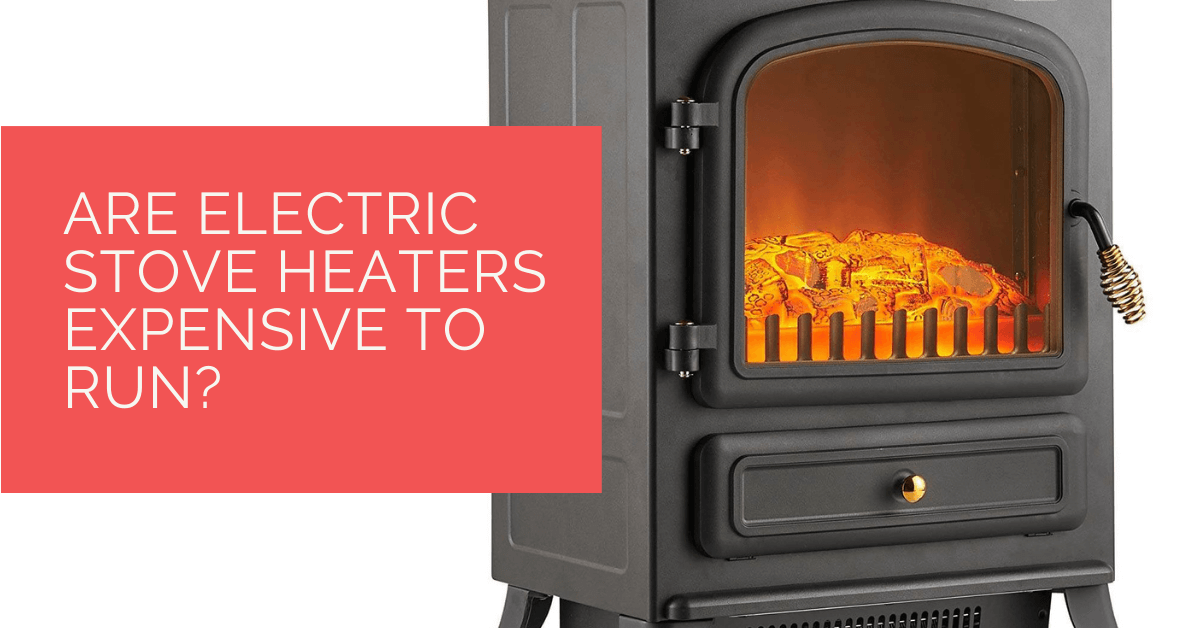
Electric stove heaters are not usually expensive because of the flame effect. They become expensive when the heating element is used for long periods. Most electric stove heaters use a small amount of power for the visual flame display and around 1-2 kW when heating, so the running cost depends mainly on wattage, electricity tariff and how long the heater is on.
Used for short bursts in one room, an electric stove heater can be a convenient way to add comfort. Used as the main heat source for large spaces or for all-day heating, it can cost more than people expect. This guide gives the calculation, realistic examples and the situations where an electric stove heater makes sense.
Key Takeaways
- The flame effect usually costs much less to run than the heating element.
- A 2 kW electric stove heater uses 2 kWh for every full-power hour of heating.
- At 27p per kWh, a 2 kW heater costs about 54p per hour on full heat.
- Thermostats, timers and lower heat settings can reduce running time.
- Electric stove heaters are best for room-by-room comfort, not whole-home heating.
The Quick Running Cost Calculation
To calculate the cost, divide the heater wattage by 1,000 to get kilowatts, then multiply by hours used and your electricity unit rate. A 2,000W heater is 2 kW. Run for three hours, it uses 6 kWh. At 27p per kWh, that costs £1.62.
Which? gives the same basic method for electric heaters: multiply power in kW by hours used and your unit rate. The maths is simple, but real use depends on whether the thermostat cycles the element on and off once the room warms.
Flame Effect Vs Heat Mode
The flame effect is mostly decorative and often uses a relatively small amount of electricity compared with the heater. The heating element is the expensive part. This means you can usually enjoy the visual fire effect cheaply, but the room-heating mode should be treated like any other electric heater.
Some electric stoves have two heat settings, such as 1 kW and 2 kW. Others have a thermostat that switches the element on and off. If the room is already warm, the heater may cycle less often. In a cold, draughty room, it may run continuously and use the full rated power for much longer.
Example Running Costs
| Setting | Energy Used Per Hour | Cost At 27p/kWh | Typical Use |
|---|---|---|---|
| Flame effect only | Low, varies by model | Usually much lower than heat mode | Ambience without space heating |
| 1 kW heat | 1 kWh | 27p per hour | Small room or mild top-up |
| 2 kW heat | 2 kWh | 54p per hour | Faster heat-up or colder room |
| 2 kW for 4 hours | 8 kWh | £2.16 | Evening room heating |
Use your actual tariff for accurate figures. If you are on a time-of-use tariff, the same heater can be much cheaper or more expensive depending on when it runs.
When Electric Stove Heaters Make Financial Sense
They can make sense when you heat one occupied room for a short period rather than raising the whole central-heating system. For example, if you work in a small home office for an hour in the morning, a stove heater may be cheaper than heating the entire house. They are also useful for occasional rooms, conservatories used briefly, or visual ambience when the heat is off.
They make less sense as all-day heating in a large or poorly insulated space. If a 2 kW heater runs for six hours every day, the monthly cost climbs quickly. Our broader guide on electric heater running costs compares this with other electric heater types.
Room Size And Insulation Change The Answer
The biggest mistake is judging the heater only by its rated wattage. A 2kW electric stove heater has the same maximum heat input whether it is in a compact study or a draughty open-plan living room, but the running time will be very different. In a small, closed, reasonably insulated room, the thermostat may cycle the element off once the room reaches temperature. In a large space with cold walls, open doors or poor glazing, the heater may run almost continuously and still struggle to make the room feel warm.
| Room Situation | Likely Running Pattern | Cost Implication |
|---|---|---|
| Small closed room, mild weather | Short bursts, thermostat cycling | Often manageable for top-up use |
| Large open-plan room | Longer running at high setting | Can become expensive quickly |
| Conservatory in winter | Continuous running likely | Often poor value unless used briefly |
| Well-insulated snug or office | Fast warm-up, lower setting possible | Better fit for a stove heater |
If the room loses heat quickly, spending money on draught-proofing, curtains, door seals or improving the main heating may reduce costs more than buying a more decorative stove. The heater style affects comfort and appearance, but the room determines how long the element has to work.
Electric Stove Heater Vs Other Electric Heaters
An electric stove heater is usually chosen for appearance as much as heat. Compared with a plain fan heater, it looks more permanent and can add a flame-effect focal point. Compared with an oil-filled radiator, it usually gives faster fan-assisted warmth, but may feel less gentle and may be noisier depending on the model. Compared with a wall panel heater, it is easier to move but takes floor space and needs careful clearance around the air outlet.
For cost, the important point is that electric resistance heaters are broadly similar at converting electricity into heat. A 2kW electric stove, 2kW fan heater and 2kW convector all use about 2kWh per hour at full output. The saving comes from controls, thermostat cycling, heating only the room you use and switching off promptly, not from the stove effect itself.
The flame effect can still be useful because it separates ambience from heat. In spring or autumn, some people want the visual effect in the evening without warming the room. Used that way, the appliance can feel inexpensive. The cost changes when the heater is treated as a substitute for central heating for several hours every day, especially in winter.
When comparing models, look for a thermostat, timer and separate flame-only setting. Without those controls, the heater is easier to leave running at full output. A cheaper model can therefore cost more to live with if it lacks the controls that stop unnecessary heating.
How To Reduce The Cost
- Use the flame effect without heat when you only want ambience.
- Choose the lower heat setting once the room is comfortable.
- Use the thermostat rather than leaving the heater on full power.
- Close doors and reduce draughts in the room being heated.
- Use a timer so the heater cannot run forgotten.
- Do not use a small stove heater to compensate for poor insulation all day.
If you are still choosing a model, our guide on how to choose an electric stove heater explains size, flame style, safety and controls.
Safety And Suitability
Electric stove heaters are high-load appliances when heating. Plug them directly into a suitable wall socket, keep the air outlet clear and avoid using them to dry clothes. Treat them with the same care as any portable heater, even if the cabinet looks like furniture. If the plug gets hot, the cable is damaged or the unit smells burnt, stop using it.
A stove heater also needs to suit the room. A small decorative heater in a large cold room will run for longer and feel disappointing. A thermostatic model in a small snug may cycle efficiently and provide exactly the top-up comfort needed.
Expert Insights From Our Heating Engineers
Our heating engineers describe electric stove heaters as comfort appliances rather than whole-house heating systems. They work best when the user understands the difference between flame effect, low heat and high heat. Most bill surprises come from leaving the 2 kW element running for long periods.
They recommend checking the wattage before buying, choosing a model with a thermostat and timer, and using it in a closed room rather than an open-plan space where heat disappears quickly.
Summing Up
Electric stove heaters can be cheap to enjoy visually but more expensive to use as heaters. The flame effect is usually low-cost; the 1-2 kW heating element is what drives the bill. Work out the cost from wattage, hours and your electricity rate.
Used for short, targeted warmth, an electric stove heater can be practical. Used as a main heat source for long periods, it can become costly. The difference is not the stove style; it is how often the heating element runs.
For a realistic monthly estimate, multiply the full-power hourly cost by the number of hours the heating element is likely to run, then reduce it only if the thermostat genuinely cycles off. Do not base the budget on flame-effect use unless you normally run the stove without heat. Your bill follows the heating element, not the visual fire effect. Keep those two modes separate when estimating costs.
Frequently Asked Questions
How Much Does An Electric Stove Heater Cost Per Hour?
A 1 kW setting costs one unit of electricity per hour, while a 2 kW setting uses two units. Multiply that by your tariff. At 27p per kWh, 2 kW costs about 54p per hour.
Is The Flame Effect Expensive To Run?
Usually not compared with heat mode. The flame effect generally uses much less electricity than the heating element, although the exact figure depends on the model and lighting technology.
Are Electric Stove Heaters Cheaper Than Central Heating?
They can be cheaper for short-term heating in one occupied room, but not usually for heating a whole home. Central heating may be more cost-effective when several rooms need warmth.
Can I Leave An Electric Stove Heater On All Day?
You can run one while supervised if it is designed for that use, but all-day heat can become expensive. Use thermostats and timers, keep clearances and avoid unattended use.
Do Electric Stove Heaters Use Electricity When Heat Is Off?
Yes, if the flame effect or standby electronics are on, but the use is usually much lower than heat mode. Switch it off fully if you do not need the display.
What Size Electric Stove Heater Do I Need?
Most plug-in models are around 1-2 kW, so they suit small to medium rooms as top-up heat. Large, draughty or open-plan spaces may need more than one heat source or better insulation.
Do Thermostats Reduce Running Costs?
They can, because the heater cycles off when the room reaches temperature. The saving depends on room heat loss, thermostat accuracy and whether doors and windows are kept closed.
Are Electric Stove Heaters Safe To Run?
They can be safe if bought from a reputable retailer, kept clear of fabrics, plugged into a wall socket and used according to instructions. Do not cover them or use damaged units.
Updated