
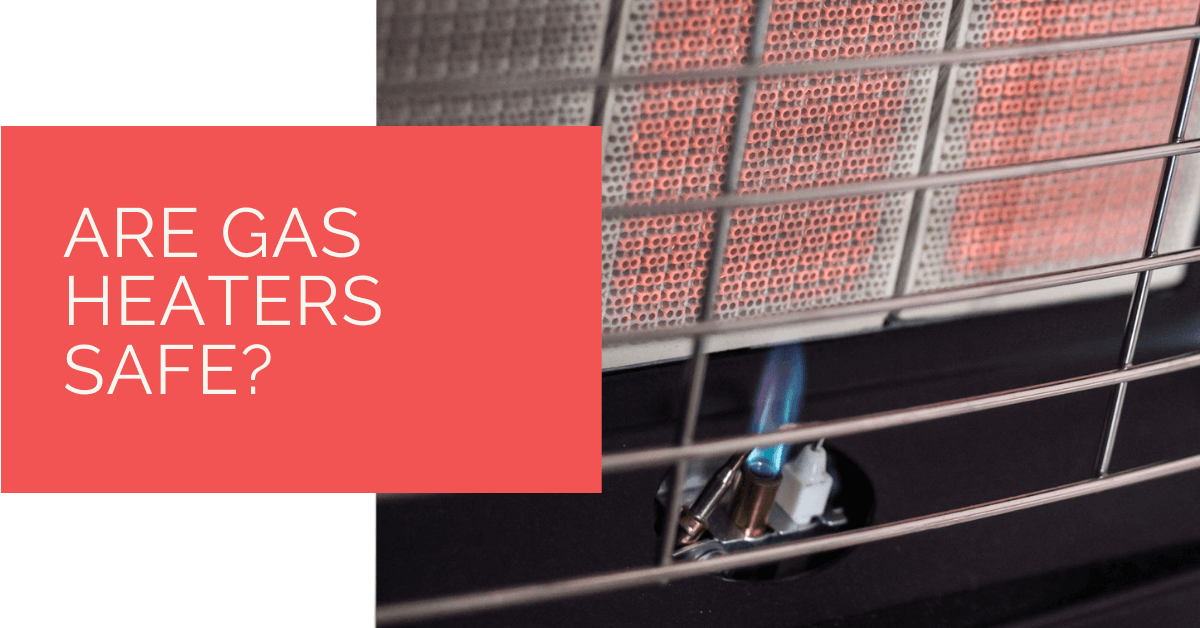
Gas heaters can be safe when they are the right type for the space, properly installed, well maintained and correctly ventilated. They become dangerous when used in the wrong room, poorly serviced, blocked, damaged, unflued, or treated as a cheap substitute for proper fixed heating.
The safety question depends heavily on the kind of gas heater. A professionally installed flued gas fire is very different from a portable LPG cabinet heater. The biggest risks are carbon monoxide, fire, gas leaks, poor ventilation and moisture. This guide explains how to judge the risk and when to avoid gas heaters altogether.
Contents
- 1 Key Takeaways
- 2 The Main Safety Risks
- 3 Portable Gas Heaters Need Extra Caution
- 4 Fixed Gas Fires And Installed Appliances
- 5 Carbon Monoxide, Alarms And Symptoms
- 6 Safe Use Checklist
- 7 Where Gas Heaters Should Not Be Used
- 8 Fixed, Flued And Portable: Why The Distinction Matters
- 9 Alternatives To Consider
- 10 Expert Insights From Our Heating Engineers
- 11 Summing Up
- 12 Frequently Asked Questions
- 12.1 Are Gas Heaters Safe Indoors?
- 12.2 Can Gas Heaters Cause Carbon Monoxide?
- 12.3 Do I Need A Carbon Monoxide Alarm With A Gas Heater?
- 12.4 Are Portable Gas Heaters Safe To Sleep With?
- 12.5 Why Do Gas Heaters Cause Condensation?
- 12.6 Who Should Service A Gas Heater?
- 12.7 What Are Signs A Gas Heater Is Unsafe?
- 12.8 Are Electric Heaters Safer Than Gas Heaters?
Key Takeaways
- Gas heaters need suitable ventilation and must be used only as intended.
- Carbon monoxide is colourless, odourless and potentially fatal.
- Rooms with gas, solid fuel or paraffin heaters should have a working carbon monoxide alarm.
- Portable unflued gas heaters add moisture as well as heat, which can worsen condensation and mould.
- Installation, servicing and repairs should be handled by competent Gas Safe registered engineers where applicable.
The Main Safety Risks
Gas heaters burn fuel. That combustion needs enough oxygen and must deal safely with combustion products. If burning is incomplete, carbon monoxide can be produced. If ventilation is poor, moisture and combustion by-products can build up. If the heater is damaged or badly placed, fire and gas-leak risks increase.
The HSE explains that carbon monoxide cannot be seen, tasted or smelt. That is why alarms, servicing and correct use are not optional extras.
Portable Gas Heaters Need Extra Caution
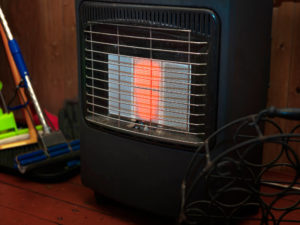
Portable LPG heaters can feel convenient, especially in conservatories, garages or rooms without fixed heating. They also present particular risks because many are unflued, meaning combustion products and water vapour stay in the room. That can increase condensation, mould risk and the need for ventilation.
Do not use outdoor gas heaters indoors, in sealed gazebos or in poorly ventilated spaces. Do not sleep with portable gas heaters running. Keep cylinders upright, away from heat sources and checked for damage. If you smell gas, turn the appliance off if safe, ventilate, avoid sparks and follow emergency gas advice.
Fixed Gas Fires And Installed Appliances
A fixed gas fire or wall heater should be installed and serviced correctly, with flues, vents and safety devices kept clear. Use a Gas Safe registered engineer for installation, servicing and repair. Do not block vents to stop draughts; those vents may be part of the safety design.
Older open-fronted gas fires, decorative fuel-effect fires and appliances in rarely used rooms deserve particular attention. If you move into a property and do not know when a gas heater was last serviced, get it checked before relying on it.
Carbon Monoxide, Alarms And Symptoms
Carbon monoxide symptoms can include headache, dizziness, nausea, weakness, confusion, breathlessness and collapse. Symptoms that improve when you leave the property are a warning sign. Pets can also be affected. A CO alarm is essential, but it is a last line of defence rather than a reason to skip servicing.
| Warning Sign | Possible Meaning | Action |
|---|---|---|
| Yellow or lazy flame on some appliances | Poor combustion | Stop using and arrange inspection |
| Sooting or staining | Combustion or flue problem | Do not ignore it |
| Headaches when heater runs | Possible CO exposure | Ventilate, leave and seek urgent advice |
| Condensation worsening | Unflued gas moisture or poor ventilation | Reduce use and improve ventilation |
Safe Use Checklist
- Use the heater only in spaces approved by the manufacturer.
- Keep ventilation openings clear.
- Fit and test carbon monoxide alarms.
- Keep heaters away from curtains, bedding, paper and furniture.
- Do not dry clothes on or near gas heaters.
- Service fixed appliances at recommended intervals.
- Stop using any heater that smells of gas, burns oddly or causes symptoms.
London Fire Brigade notes that heaters can have high fatality risk because bedding, blankets or clothes are placed too close, and some heater types carry carbon monoxide risk. That combination is why placement and alarms matter together.
Where Gas Heaters Should Not Be Used
Gas heaters are not suitable for every space. Do not use outdoor patio heaters indoors, in tents, in enclosed gazebos, in caravans unless the appliance is specifically designed and installed for that use, or in small rooms where the manufacturer’s ventilation requirements cannot be met. A heater that feels powerful outdoors can become dangerous indoors because the combustion products have nowhere safe to go.
Bedrooms are also a poor place for portable unflued gas heaters. Sleep reduces awareness, bedding increases fire risk, and carbon monoxide symptoms may not wake someone in time. If a bedroom is too cold, the safer answer is usually fixed heating, insulation, draught-proofing or a suitable electric heating solution, not an LPG cabinet heater beside the bed.
Be especially cautious in rented homes, garages and outbuildings. If you do not control the ventilation, do not know the appliance history, or cannot fit and test alarms properly, do not treat a gas heater as a casual plug-in equivalent. Combustion appliances need more respect than that.
Fixed, Flued And Portable: Why The Distinction Matters
“Gas heater” covers very different products. A fixed, flued gas fire is designed to send combustion products outside when installed and serviced correctly. A portable unflued LPG heater releases heat and water vapour into the room and relies on ventilation. A patio heater is designed for outdoor or very well-ventilated use. Lumping these together leads to bad advice, because the safe-use rules are not identical.
| Heater Type | Key Safety Requirement | Reader Takeaway |
|---|---|---|
| Fixed flued gas fire | Correct installation, clear flue and regular servicing | Do not use if service history is unknown |
| Portable LPG cabinet heater | Ventilation, CO alarm, cylinder care and supervision | Use only where the appliance is approved |
| Outdoor gas heater | Open air or manufacturer-approved setting | Never bring indoors for extra heat |
| Gas appliance in rented property | Landlord safety duties and annual checks | Ask for evidence if unsure |
This distinction also affects moisture. Unflued gas heaters can add noticeable water vapour to a room, so a home that already has condensation or mould problems may feel warmer while the underlying damp problem becomes worse.
There is also a maintenance difference. A fixed gas appliance can deteriorate quietly if the flue, burner, ventilation route or safety devices are not checked. A portable LPG heater can be damaged through storage, poor cylinder handling or perished hoses. Neither should be judged only by whether it lights. A heater that turns on can still be unsafe if combustion is poor, ventilation is inadequate or the room is unsuitable.
If the heater is part of a rented property, ask for the relevant gas safety information rather than relying on verbal reassurance. If it is your own appliance, keep the manual and follow the servicing and ventilation instructions. The safer approach is boring but effective: correct appliance, correct room, clear ventilation, working alarm and no improvisation.
Alternatives To Consider
If you need regular indoor heat, fixed central heating, a heat pump, a suitable electric heater or improving the existing heating system may be safer than relying on portable gas. Our guide to gas boiler alternatives explains other routes, while gas heater buying guidance is useful if you are choosing a product for a specific use case.
Expert Insights From Our Heating Engineers
Our heating engineers are cautious about portable gas heaters in normal living spaces. Their view is that any combustion appliance needs respect, ventilation and alarms. A heater that makes a room feel warm while adding moisture and combustion products is not automatically a good solution.
They recommend checking the appliance type first. If it is fixed, service it. If it is portable, read the room suitability rules carefully. If it is designed for outdoors, keep it outdoors.
Summing Up
Gas heaters can be safe, but only when the heater type, room, ventilation, maintenance and alarms are right. Fixed gas appliances need proper installation and servicing. Portable gas heaters need strict caution because they can add moisture and combustion products to the room.
If there is any sign of gas smell, soot, poor flame, headaches, dizziness or unreliable operation, stop using the heater and get proper advice. Warmth is not worth carbon monoxide, fire or gas-leak risk.
Gas heater safety should be treated as a chain. The appliance must be suitable, the room must have the right ventilation, the heater must be maintained, and the occupants need working carbon monoxide alarms and sensible habits. If any one part of that chain is weak, the safer answer is to stop using the heater until it has been checked or replaced.
That cautious approach is especially important for older or second-hand heaters. Missing manuals, unknown service history, damaged guards, stiff controls or improvised hoses are not minor details. They are warning signs that the appliance may not be worth the risk. If you cannot verify how it should be used and maintained, do not treat it as a safe bargain. The cost saving is not worth the uncertainty around combustion safety in any occupied home.
When unsure, choose professional inspection.
Frequently Asked Questions
Are Gas Heaters Safe Indoors?
Some fixed gas heaters are safe indoors when installed, flued, ventilated and serviced correctly. Portable unflued gas heaters need much more caution and should only be used in suitable, well-ventilated spaces according to the instructions.
Can Gas Heaters Cause Carbon Monoxide?
Yes. Carbon monoxide can be produced when gas does not burn properly or ventilation and flues are inadequate. Because CO cannot be seen or smelt, servicing and CO alarms are essential.
Do I Need A Carbon Monoxide Alarm With A Gas Heater?
Yes, rooms with gas heaters should have a suitable working carbon monoxide alarm positioned according to the alarm instructions. The alarm does not replace servicing or safe ventilation.
Are Portable Gas Heaters Safe To Sleep With?
No, it is not sensible to sleep with a portable gas heater running. There are carbon monoxide, fire, oxygen depletion and moisture risks, especially in poorly ventilated rooms.
Why Do Gas Heaters Cause Condensation?
Burning gas produces water vapour. Unflued portable gas heaters release that moisture into the room, which can increase condensation and mould risk if ventilation is poor.
Who Should Service A Gas Heater?
Fixed gas appliances should be serviced by a competent Gas Safe registered engineer. Do not attempt gas repairs yourself or use an appliance if you suspect a combustion or flue problem.
What Are Signs A Gas Heater Is Unsafe?
Warning signs include soot, staining, unusual flame, gas smell, headaches, dizziness, nausea, poor ventilation, damaged parts or a carbon monoxide alarm sounding. Stop using the heater and seek help.
Are Electric Heaters Safer Than Gas Heaters?
Electric heaters do not produce carbon monoxide because they do not burn fuel, but they still carry fire and electrical risks. The safer option depends on the room, appliance quality and how it is used.
Updated