
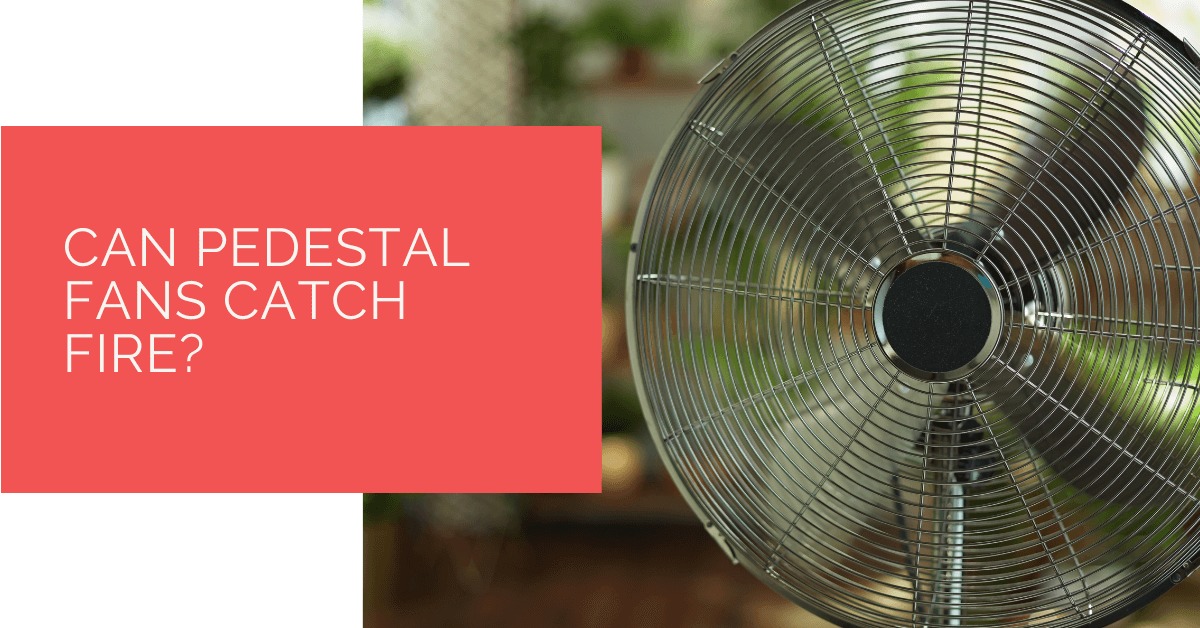
A pedestal fan can catch fire, but it should not do so in normal use if it is a safe, well-maintained appliance used as instructed. The risk usually comes from faults: damaged wiring, overheating motors, dust build-up, poor plugs, unsafe extension leads, recalled products or a fan being left running when nobody is awake to notice warning signs.
The practical answer is not to panic about using a fan. It is to treat it like any other electrical appliance that may run for hours in hot weather. Buy carefully, keep it clean, place it safely and switch it off if it smells hot, buzzes, crackles or behaves differently.
Key Takeaways
- Pedestal fan fires are uncommon, but possible when the fan or electrical supply is faulty.
- Dust, worn motors, damaged cables and poor plugs can increase overheating risk.
- Electrical Safety First advises avoiding leaving fans running overnight or while out.
- Buy from reputable retailers, register the fan and check recalls.
- If you smell burning, hear buzzing or see scorch marks, switch off and stop using the fan.
Can A Pedestal Fan Really Catch Fire?
Yes, it can, because a pedestal fan contains a motor, wiring, switches and a plug. Any of those parts can fail. The good news is that modern fans bought from reputable retailers are designed with safety standards in mind, so the risk should be low when the product is in good condition and used correctly.

The risk rises with older, damaged or poorly made fans. The UK Office for Product Safety and Standards has issued product safety reports for faulty fans presenting fire risks, which is why recall checks and reputable retailers matter. A cheap unknown product from a marketplace is not the same risk profile as a certified fan from a recognised retailer.
What Causes A Fan Fire?
| Risk Factor | Why It Matters | What To Do |
|---|---|---|
| Dust build-up | Dust traps heat around vents and motors | Clean with the fan unplugged |
| Old or noisy motor | Worn bearings can increase heat and current draw | Replace ageing or noisy units |
| Damaged cable | Frayed insulation can arc or short | Stop using immediately |
| Hot plug or socket | Heat can indicate poor contact or overload | Unplug safely and seek advice |
| Unstable placement | A fall can damage the guard, blades or wiring | Use a flat, stable surface |
Safe Fan Use In Hot Weather
Electrical Safety First advises buying electric fans from reputable dealers, following manufacturer instructions, checking recalls, looking for signs such as burn marks or buzzing, and avoiding leaving fans running overnight or while you are out. That advice is sensible because faults are easier to notice while someone is awake and nearby.

Do not balance a fan on furniture edges, beds or uneven surfaces. Keep cables away from pets, children and trip routes. Avoid running the cable under rugs, where heat and damage are harder to spot. If an extension lead is unavoidable, use one properly rated for the load and avoid overloading multi-way adaptors.
Should You Leave A Pedestal Fan On Overnight?
Many people do leave fans on overnight during heatwaves, but the safer advice is to avoid leaving them running while asleep if possible. If you must cool a bedroom, use safer cooling habits first: shade windows during the day, ventilate when the outside air is cooler, use a timer, and place the fan away from bedding and curtains.
For wider comfort advice, our guide on how long you can leave an electric fan on is useful, and our best pedestal fans guide covers features such as timers, stable bases and speed settings.
Warning Signs To Take Seriously
- A burning, hot plastic or electrical smell.
- Buzzing, crackling or arcing sounds.
- A plug or socket that feels hot to touch.
- Scorch marks around the plug, socket or cable.
- A fan head that stalls, slows unpredictably or vibrates badly.
- Repeated blown fuses or tripped breakers.
If any of these happen, switch the fan off at the socket if it is safe, unplug it once safe to do so, and stop using it. If a fire starts, get out and call 999. Do not throw water on an electrical fire.
Risk By Fan Age And Condition
Age on its own does not make a pedestal fan dangerous, but it changes the level of caution. A modern fan with an intact plug, clean grille, smooth motor and stable base is a very different proposition from a ten-year-old fan that has been stored in a damp shed, dropped twice and run through a dusty summer without cleaning.
| Fan Condition | Risk Level | Best Action |
|---|---|---|
| New, reputable brand, registered product | Low when used correctly | Follow instructions and keep clean |
| A few years old but clean and quiet | Manageable | Inspect before each summer |
| Noisy, vibrating or hot-smelling | Concerning | Stop using and replace or seek advice |
| Damaged cable, hot plug or scorch marks | High | Do not use |
| Unknown second-hand or recalled model | Unknown to high | Check recall status or avoid |
Safe Cooling Alternatives At Night
If you are worried about running a fan while sleeping, reduce the room heat before bedtime. Close curtains or blinds on sunny windows during the day, open windows when outdoor air is cooler if it is safe, switch off unnecessary electronics, and use lighter bedding. During a heatwave, these passive steps can reduce how hard the fan needs to work.
What Not To Do With A Fan
Do not hang wet towels or ice bags from the grille, spray water near the motor, or run the fan in a bathroom unless it is specifically designed for that environment. DIY cooling tricks can introduce water, strain the motor or unbalance the fan. If you need stronger cooling, a properly vented portable air conditioner is safer than improvising around an electric fan.
A final practical point is storage. Fans often spend most of the year in cupboards, lofts, garages or sheds, where cables can be bent, plugs knocked and dust drawn into the guard. Before using a stored fan again, give it a slow inspection rather than plugging it in straight away during a hot night. If the cable has hardened, the plug is loose, the grille is bent into the blades or the motor sounds strained, replace it.
Expert Insights From Our Heating And Cooling Engineers
Our engineers see fan safety as a maintenance and buying-quality issue. A fan that is clean, stable, undamaged and bought from a reputable retailer is usually a low-risk appliance. The problems come when old fans are dragged out every summer, covered in dust, then run for long periods without being checked.
Before the first hot spell, inspect the cable, plug, guard, blades and base. If it smells odd, sounds rough or has been dropped, replacing it is usually cheaper and safer than trying to squeeze another summer out of it.
Frequently Asked Questions
Can A Pedestal Fan Overheat?
Yes. A pedestal fan can overheat if the motor is worn, vents are clogged with dust, the blades are obstructed, or the electrical supply is faulty. Overheating is a warning sign, so stop using any fan that smells hot, slows down unexpectedly or makes unusual noises.
Is It Safe To Leave A Fan On All Night?
The safer advice is not to leave a fan running overnight or while you are out, because you may miss warning signs such as smell, smoke or unusual noises. If you use one in a bedroom, use a timer, keep it clear of bedding and check it regularly.
Can Dust In A Fan Cause A Fire?
Dust can contribute to overheating because it blocks airflow and can collect around warm electrical parts. It is not the only cause of fan fires, but regular cleaning with the fan unplugged is one of the easiest ways to reduce avoidable risk.
Should I Buy A Second-Hand Pedestal Fan?
It is safer to buy a new fan from a reputable retailer. A second-hand fan may have hidden damage, worn components, missing instructions or an unknown recall history. If you do buy used, inspect it carefully and check product recall information before use.
What Should I Do If My Fan Smells Of Burning?
Switch it off immediately if safe, unplug it when safe to do so, and stop using it. A burning smell can indicate overheating, dust burning off, motor failure or wiring problems. Do not keep testing it indoors to see if the smell goes away.
Do Smoke Alarms Matter If I Use Fans Overnight?
Yes. Working smoke alarms on every floor are an essential layer of protection for all electrical appliances, not just fans. Test them regularly, but do not treat alarms as permission to run faulty, old or unattended fans for long periods.
Summing Up
Pedestal fans can catch fire, but the risk is usually linked to faults, poor maintenance or unsafe use rather than normal operation. Buy from reputable retailers, keep the fan clean, place it securely, avoid unattended overnight use where possible, and stop using it immediately if it smells, sounds or feels wrong.
Updated