
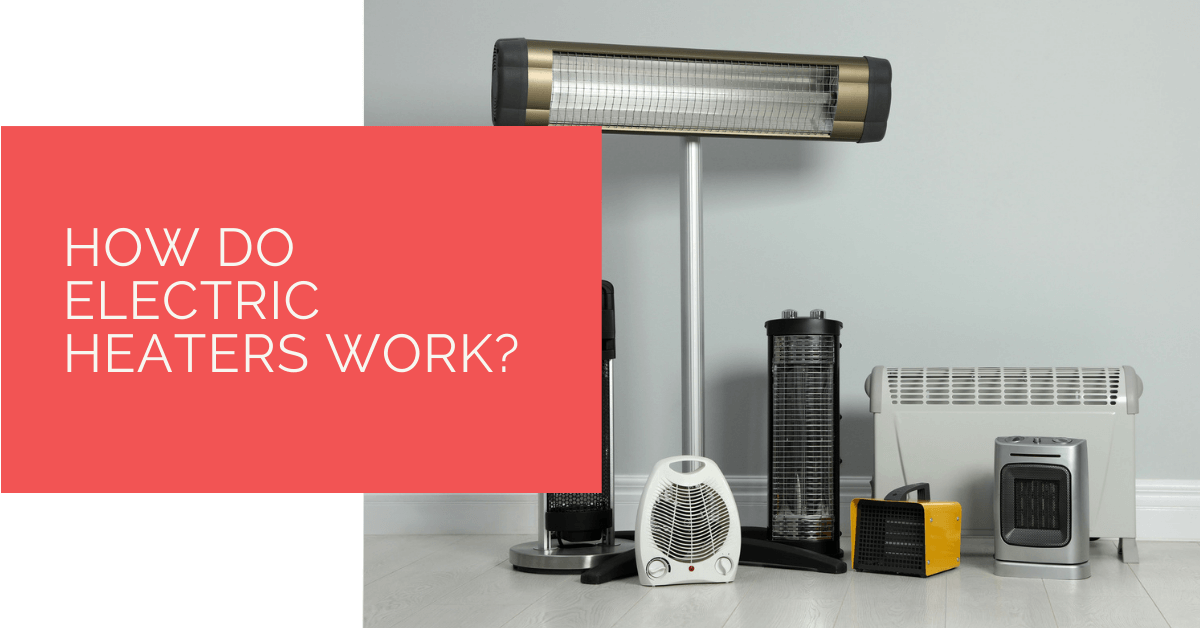
Electric heaters work by passing electricity through a heating element. The element resists the flow of current, and that resistance produces heat. From there, the heater either warms the surrounding air, radiates heat directly to people and surfaces, or uses a fan to push warm air into the room.
The principle is simple, but the experience is not the same across every heater. A fan heater can warm you quickly but cools down fast. An oil-filled radiator takes longer to heat but releases warmth more steadily. An infrared heater warms people and surfaces directly rather than trying to heat all the air first. This guide explains the differences, running costs and safety points in a practical way.
Contents
- 1 Key Takeaways
- 2 The Basic Principle: Resistance Heating
- 3 Convection Heating
- 4 Radiant Heating
- 5 Fan Heaters, Ceramic Heaters And Convector Heaters
- 6 Oil-filled Radiators
- 7 Infrared Heaters
- 8 Which Heater Type Suits Which Job?
- 9 Are Electric Heaters Expensive To Run?
- 10 Thermostats, Timers And Controls
- 11 What A Thermostat Actually Does
- 12 Safety Features To Check
- 13 Case Study: Choosing A Heater For A Home Office
- 14 Expert Insights From Our Heating Engineers
- 15 Frequently Asked Questions
- 15.1 Do All Electric Heaters Use The Same Amount Of Electricity?
- 15.2 Are Electric Heaters 100% Efficient?
- 15.3 Why Do Fan Heaters Warm A Room Quickly?
- 15.4 How Do Oil-filled Radiators Work?
- 15.5 Are Infrared Heaters Different?
- 15.6 Are Electric Heaters Expensive To Run?
- 15.7 Can An Electric Heater Heat A Whole House?
- 15.8 What Safety Features Should I Look For?
- 16 Summing Up
Key Takeaways
- Most electric heaters use resistive heating, where electricity passes through an element and is converted into heat.
- Different heater types feel different because they transfer heat by convection, radiation, fan-assisted airflow or stored heat.
- At the point of use, direct electric heaters are close to 100% efficient, but electricity is expensive per kWh compared with gas and many heat pump systems.
- Electric heaters work best for short, targeted heating rather than heating a poorly insulated whole home all day.
- Thermostats, timers, tip-over protection and overheat protection are important safety and cost-control features.
The Basic Principle: Resistance Heating
Inside most electric heaters is a heating element made from a material that resists electrical current. When electricity flows through it, the element becomes hot. This is called resistive or Joule heating.
The heater then needs to move that heat into the room. This is where the design changes. Some heaters warm air. Some warm oil or ceramic first. Some radiate heat directly. The electricity-to-heat principle is similar, but the comfort, speed and best use case can be very different.
Convection Heating
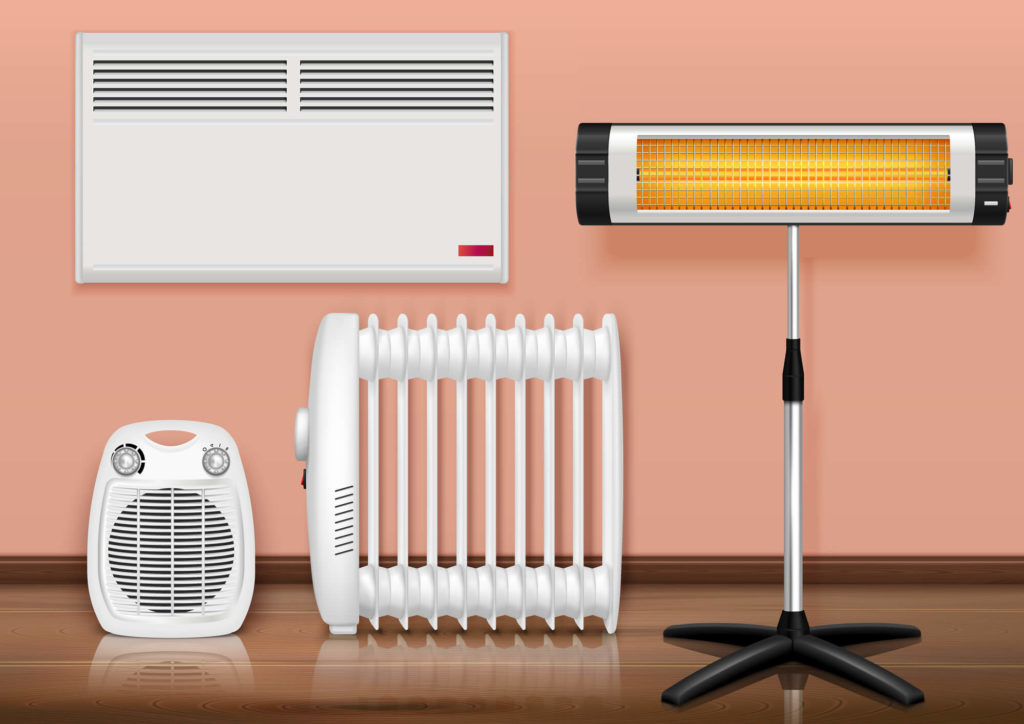
Convection heaters warm air. Cooler air enters the heater, passes over a hot element or warmed surface, then rises into the room. Natural convection heaters rely on air movement without a fan. Fan heaters force air over the element to spread heat faster.
Convection works well for enclosed rooms where you want the general air temperature to rise. It works less well in draughty spaces because warm air escapes and cold air replaces it.
Radiant Heating
Radiant heaters send heat directly to people and objects. You feel the warmth quickly if you are in the heater’s line of sight, a bit like sitting in winter sunshine. Infrared heaters are the most common modern example.
Radiant heat can be useful in rooms with high ceilings, intermittent use or specific seating areas. It is less effective if you expect one small panel to warm the air evenly in a large, draughty room.
Fan Heaters, Ceramic Heaters And Convector Heaters
Fan heaters are quick. They are useful for short bursts of warmth in a small room, workshop or cold home office. The downside is noise and the fact that warmth disappears quickly once the fan is off.
Ceramic heaters use ceramic elements or plates that heat up and transfer warmth to air, often with a fan. They can regulate output well and are popular for compact portable heaters.
Convector heaters are quieter than fan heaters and can suit bedrooms or living rooms where you want background warmth. They are slower than fan heaters but less intrusive.
Oil-filled Radiators
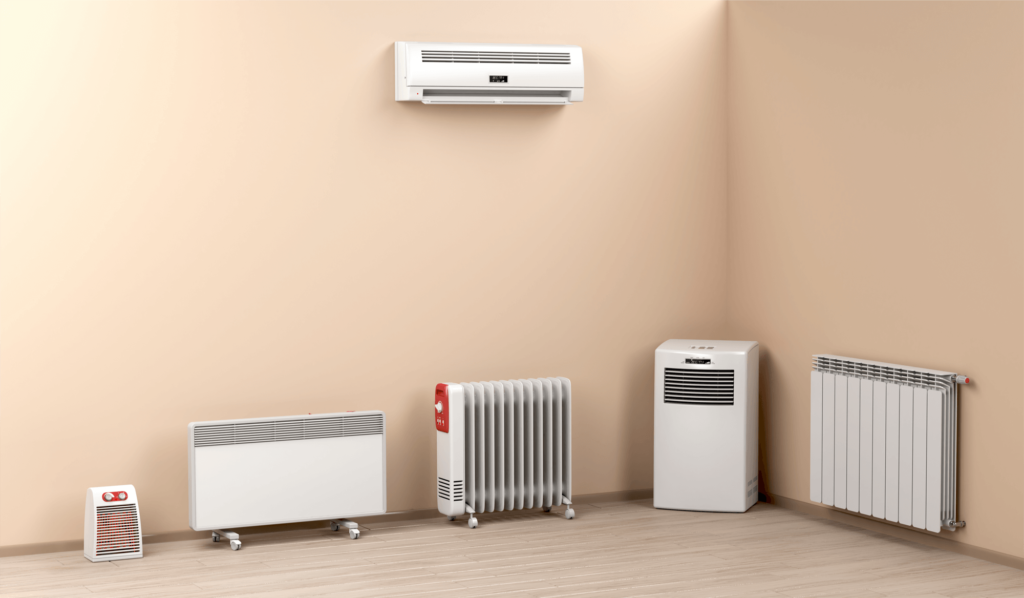
Oil-filled radiators contain a sealed thermal oil. The electric element heats the oil, the oil warms the metal body, and the body releases heat into the room. The oil does not need replacing because it stays sealed inside the heater.
These heaters are slower to warm up but retain heat for longer after switching off. They suit steady heating in a room used for several hours, especially where quiet operation matters.
Infrared Heaters
Infrared heaters convert electricity into radiant heat. Instead of relying mainly on warm air, they heat people, walls, floors and furniture directly. This can feel comfortable at a lower air temperature if the heater is positioned well.
They are useful for targeted heating, bathrooms, home offices and rooms where you do not want to heat a large air volume first. For a deeper explanation, see our infrared heater guide.
Which Heater Type Suits Which Job?
| Use Case | Usually Best Suited | Why |
|---|---|---|
| Quick warmth in a small room | Fan or ceramic heater | Fast heat-up, but usually noisier and less comfortable for long periods |
| Quiet background heat for several hours | Oil-filled radiator or convector | Steadier warmth and less intrusive operation |
| Desk, workbench or seating area | Infrared heater | Targets people and surfaces directly when placement is good |
| Bedroom top-up heat | Oil-filled radiator or quiet convector | Lower noise and gentler heat delivery |
| Damp bathroom or wet area | Purpose-designed bathroom heater | Needs correct IP rating and safe installation |
The table is only a starting point. Room insulation, draughts, ceiling height, noise tolerance, pets, children and how long the heater will run all affect the right choice. A heater that is excellent for a 20-minute boost may be the wrong appliance for all-evening comfort.
Are Electric Heaters Expensive To Run?
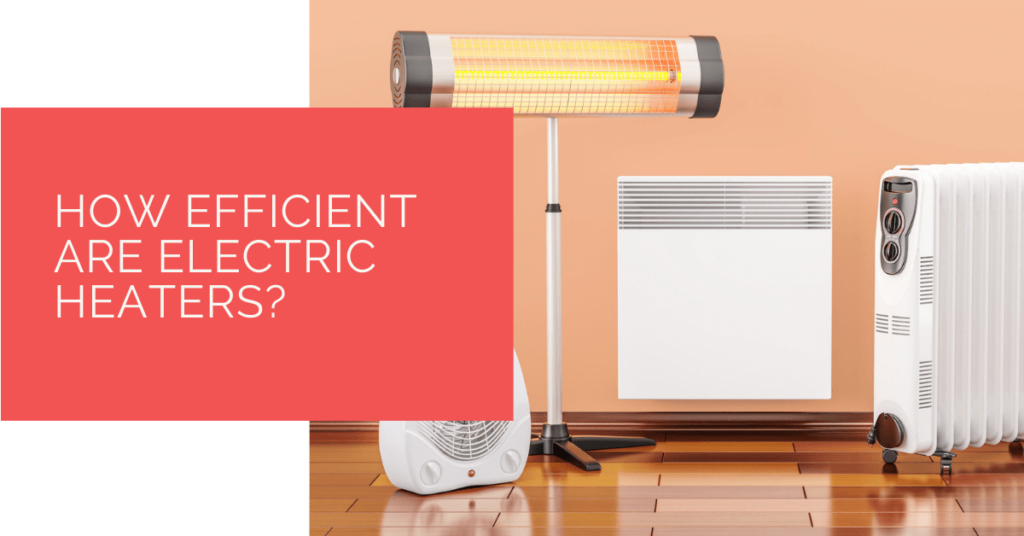
The running cost formula is simple:
Heater power in kW x hours used x electricity unit rate = running cost
A 2 kW heater running for two hours uses 4 kWh. If electricity costs 25p per kWh, that session costs about £1. Energy Saving Trust notes that electric heating can be flexible for heating one room at a time, but whole-home direct electric heating needs careful cost consideration.
This is the key distinction. Electric heaters can be sensible for short, targeted use. They become expensive if they are used all day as the main heating source in a poorly insulated home.
Be cautious with claims such as “costs pennies to run” or “heats a whole room for almost nothing”. A low-wattage heater may cost less per hour, but it also produces less heat. If it has to run constantly and still leaves the room cold, the saving is not very useful.
Thermostats, Timers And Controls
A thermostat helps the heater cycle on and off once the room reaches the set temperature. A timer stops it running longer than needed. Eco modes can reduce output, although they do not break the basic running cost formula.
Smart controls can help if they stop waste. They do not make a 2 kW heater use no energy. They simply help it run for fewer hours or at better times.
What A Thermostat Actually Does
A thermostat does not change the basic power rating of the heater. Instead, it switches the heater on and off to maintain a set temperature. If the room is cold, a 2 kW heater may draw close to 2 kW while heating. Once the room reaches temperature, it should cycle off for periods.
This is why insulation and draught-proofing matter. In a leaky room, the heater keeps cycling on because heat escapes quickly. In a better-insulated room, the same heater may run for shorter periods to maintain comfort.
Eco modes are useful when they reduce output or prevent overheating the room. They are not a guarantee of low bills. The meaningful saving comes from lower power, fewer hours, better controls or less heat loss.
Safety Features To Check
Look for overheat protection, tip-over shut-off, stable feet, a cool-touch casing where needed, clear instructions and a suitable plug and cable. Do not cover electric heaters, dry clothes on them unless explicitly designed for that purpose, or run them through damaged extension leads.
Keep heaters away from curtains, bedding, sofas and paper. If a heater smells hot, buzzes, sparks or has a damaged cable, stop using it.
Portable heaters should normally be plugged directly into a wall socket rather than overloaded extension leads. If an extension lead is unavoidable, it must be correctly rated and fully unwound if it is on a reel. High-power appliances and poor cables are a bad combination.
Case Study: Choosing A Heater For A Home Office
Background
A homeowner wanted to heat a small home office for three hours each morning without heating the whole house.
Project Overview
They compared a fan heater, oil-filled radiator and infrared panel. The room was small, but the desk was near a cold external wall.
Implementation
The fan heater was quickest but noisy during calls. The oil-filled radiator was comfortable but slow. The infrared panel worked well because it was aimed at the desk area and used with a timer.
Results
The best choice was not the most powerful heater. It was the one that matched the way the room was used.
Expert Insights From Our Heating Engineers
One of our senior heating engineers with over 18 years of experience says electric heaters are often judged unfairly because people compare purchase price rather than use pattern. A cheap heater can be expensive if it runs for long periods.
He recommends deciding whether you need fast heat, steady background warmth or targeted warmth. Once that is clear, the heater type becomes much easier to choose.
He also advises checking the room before blaming the heater. Draughts around doors, single glazing, uninsulated floors and blocked airflow can make a perfectly functional heater feel weak. Reducing heat loss often improves comfort more than buying a more powerful appliance.
Frequently Asked Questions
Do All Electric Heaters Use The Same Amount Of Electricity?
A heater’s electricity use depends mainly on its wattage and how long it runs. A 2 kW heater uses twice as much electricity per hour as a 1 kW heater if both run continuously.
Are Electric Heaters 100% Efficient?
At the point of use, almost all the electricity becomes heat. The issue is cost, not conversion efficiency, because electricity is expensive per kWh compared with some other heating fuels.
Why Do Fan Heaters Warm A Room Quickly?
They blow air across a hot element, so warm air spreads quickly. The trade-off is noise and rapid cooling when the heater switches off.
How Do Oil-filled Radiators Work?
An electric element heats sealed oil inside the radiator. The oil warms the metal body, which then releases heat steadily into the room.
Are Infrared Heaters Different?
Yes. They heat people and surfaces directly with radiant heat rather than mainly heating the air. Placement and line of sight are important.
Are Electric Heaters Expensive To Run?
They can be if used for long periods. Use the formula: kW x hours x electricity unit rate. They are best for short, targeted heating or occasional top-up use.
Can An Electric Heater Heat A Whole House?
Direct electric heaters can heat a whole house, but running costs are usually high unless the property is small, well insulated or on a suitable tariff. A heat pump may be a better electric whole-home option.
What Safety Features Should I Look For?
Look for overheat protection, tip-over shut-off, a stable base, clear controls and a good-quality plug and cable. Never cover a heater or use one with a damaged lead.
Summing Up
Electric heaters all turn electricity into heat, but they deliver that heat in different ways. Fan heaters are quick, oil-filled radiators are steadier, convectors warm air quietly, and infrared heaters provide direct radiant warmth.
Choose based on the room and the way you use it. A heater that is perfect for a short morning boost may be the wrong choice for all-day heating.
Updated