
A patio heater usually fails at the worst possible moment: the bottle has been changed, guests are outside and the heater either refuses to light or gives a weak, unreliable glow. The quickest way to fix it is not to keep pressing the ignition button. It is to work out whether the fault is fuel, spark, airflow, a safety device, weather exposure or a genuinely failed part.
This guide separates gas patio heaters from electric infrared models, because they fail in different ways. It also draws a hard safety line: cleaning, checking fuel and replacing user-serviceable parts are one thing; bypassing gas or electrical safety devices is not a repair.
Contents
- 1 Key Takeaways
- 2 Start With The Heater Type And The Symptom
- 3 Gas Patio Heater Faults
- 4 Electric Patio Heater Faults
- 5 Symptom Checklist
- 6 Safety, Cleaning And Storage
- 7 Repair Or Replace?
- 8 Case Study: A Heater That Lit Then Failed
- 9 Expert Insights From Our Heating Engineers
- 10 Summing Up
- 11 Frequently Asked Questions
- 11.1 Why Won't My Gas Patio Heater Stay Lit?
- 11.2 Can I Clean A Patio Heater Burner Myself?
- 11.3 Why Is My Patio Heater Flame Yellow Or Weak?
- 11.4 Is It Safe To Repair A Gas Patio Heater?
- 11.5 Why Does My Electric Patio Heater Trip The Electrics?
- 11.6 Can A Patio Heater Be Used In A Gazebo?
- 11.7 When Should I Replace A Patio Heater?
Key Takeaways
- Start by identifying whether the fault is on a gas, propane or electric patio heater.
- Gas heaters usually fail around the bottle, regulator, pilot, thermocouple, tilt switch or burner cleanliness.
- Electric heaters usually fail around the socket, plug, switch, remote, element, moisture or cable.
- Do not use outdoor gas patio heaters indoors or in enclosed spaces.
- Replace rather than repair if the heater is unstable, corroded, leaking, repeatedly tripping or missing compatible spare parts.
Start With The Heater Type And The Symptom
A freestanding gas patio heater needs a clean fuel path, a reliable pilot flame and working flame-failure protection. A hanging or wall-mounted electric patio heater needs a safe electrical supply, dry internal components, an intact element and unobstructed reflector. Treating every patio heater as the same appliance is how troubleshooting becomes messy.
Before touching anything, turn the appliance off and let it cool. For gas models, close the bottle valve. For electric models, unplug it or isolate the circuit. If there is any smell of gas, damaged wiring, scorching, melted plastic or unstable mounting, stop troubleshooting and move straight to repair or replacement advice.
Gas Patio Heater Faults
If a gas patio heater will not light, check the bottle first. Make sure there is fuel, the valve is open, the regulator is seated correctly and the hose is not kinked, perished or stretched. A nearly empty bottle can produce enough gas for a faint smell or brief pilot but not enough steady flow for proper operation.
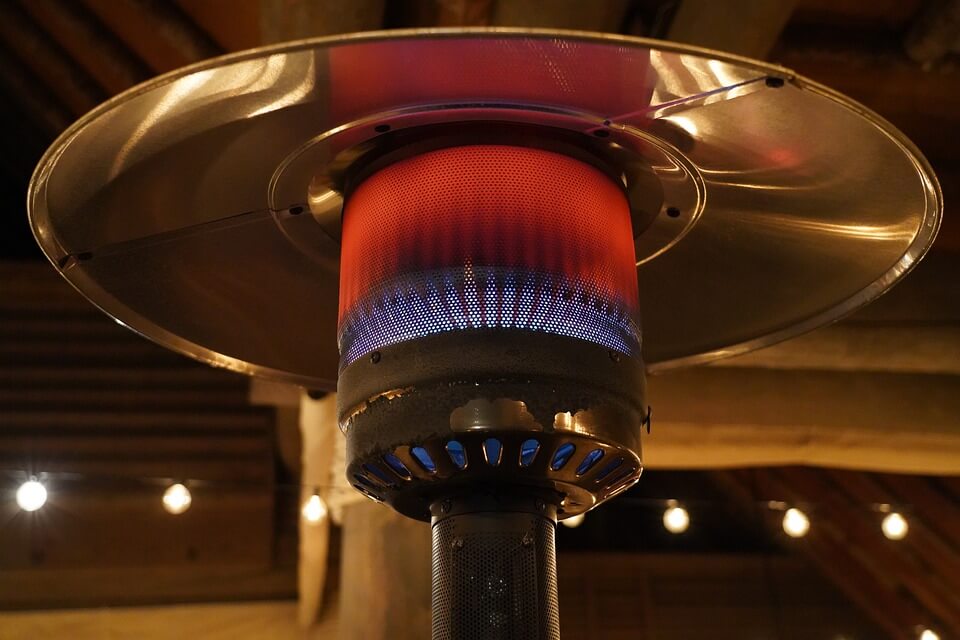
If the igniter clicks but the pilot does not catch, wind, a flat ignition battery, dirty pilot opening or poor spark position may be the issue. If the pilot catches but goes out when the control knob is released, the thermocouple may not be seeing enough heat, the tilt switch may be triggered, or the pilot flame may be too weak. Clean only the areas the manual describes and never tape, wedge or bypass a safety switch to make the heater run.
Electric Patio Heater Faults
Electric patio heaters are simpler to diagnose but not necessarily safer to ignore. Check that the socket works, the plug is sound, the cable is undamaged, the remote batteries are fresh and any timer or heat-level setting has not been left off. If the heater is outside, moisture can also cause nuisance tripping or a genuine electrical safety fault.
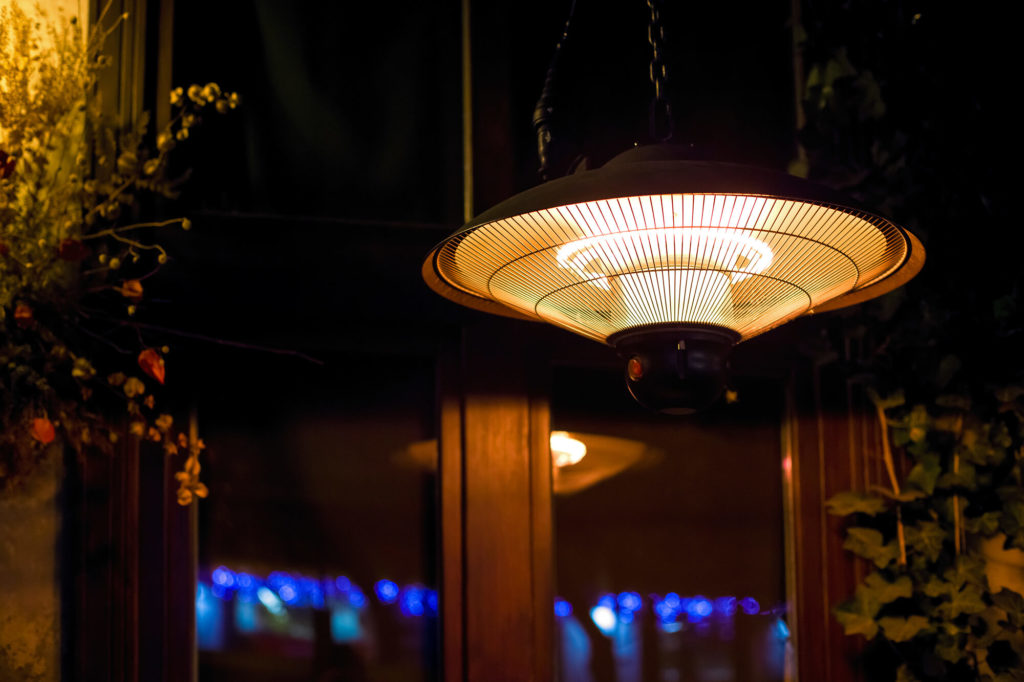
A failed infrared lamp or element may be replaceable, but only with the correct part for that exact model. If the heater trips the RCD, smells burnt, crackles, sparks or has a damaged cable, stop using it. Electrical Safety First warns against unsafe extension lead use and overloaded sockets, which matters because outdoor heaters are high-load appliances.
Symptom Checklist
| Symptom | Likely Causes | Safe Next Step |
|---|---|---|
| No ignition click | Flat battery, faulty igniter, disconnected lead | Replace the battery if designed to be user-serviceable and inspect visible connections |
| Pilot lights then dies | Dirty pilot, weak flame, thermocouple not heated, tilt switch triggered | Clean around the pilot, level the heater and stop if safety parts appear faulty |
| Weak heat | Low gas, blocked burner, dirty reflector, poor placement, wind | Check fuel, clean accessible parts and move the heater to a sheltered outdoor position |
| Electric heater trips | Moisture, damaged cable, failing element, overloaded socket | Unplug and do not reuse until the cause is clear |
Safety, Cleaning And Storage
Patio heaters collect dust, insects and moisture during storage. A careful pre-season check is more useful than a rushed fix on the first cold evening. Clean the reflector, guard and accessible burner openings when cold, dry the heater before covering it, and store gas bottles according to the supplier guidance.
Gas patio heaters need outdoor ventilation. The HSE explains that carbon monoxide is colourless and odourless, and outdoor LPG heaters are not a shortcut for warming enclosed rooms, conservatories or sealed gazebos. Keep heaters away from parasols, curtains, plastic covers, low awnings and furniture, and use your heater manual as the final authority on clearances.
If the heater is old, unstable or repeatedly unreliable, compare repair cost with replacement. Our guide to the best patio heaters is useful when a repair would only keep a poor or unsafe unit going for another season.
Repair Or Replace?
A patio heater is worth repairing when the fault is minor, the heater is structurally sound and the correct part is available. A flat igniter battery, blocked pilot opening, loose reflector, dirty guard or worn but replaceable thermocouple can be a sensible fix on a good-quality model. The calculation changes if the heater has been stored outside uncovered for several winters, has heavy corrosion around the burner, rocks on its base, has a damaged gas hose or trips electrics repeatedly.
| Situation | Best Judgement | Why |
|---|---|---|
| Igniter clicks weakly or not at all | Try a battery or visible connection check first | This is often simple, low-cost and does not involve bypassing safety parts |
| Pilot lights only in sheltered conditions | Clean and reposition before replacing parts | Wind, dirt and poor flame position can mimic component failure |
| Gas smell, cracked hose or damaged regulator | Stop using it until the gas supply parts are replaced or checked | Fuel leaks are not a trial-and-error repair |
| Electric heater trips the RCD more than once | Do not keep resetting it | Moisture, cable damage or element faults can create a real electrical hazard |
| Corroded frame, loose head or unstable base | Replace the heater | Outdoor heaters need stability and safe clearances as much as heat output |
Also think about availability. Some patio heaters use model-specific glass tubes, guards, reflectors, switches and thermocouples. A part that is “close enough” can leave the flame in the wrong place, reduce stability or stop a safety device working properly. If you cannot identify the exact model or source the correct part, replacement is usually the more sensible route.
Case Study: A Heater That Lit Then Failed
Background
A freestanding propane heater would light for a few seconds, then shut off as soon as the control knob was released. The owner had already changed the gas bottle, so the first assumption was a failed thermocouple.
What Fixed It
The heater was moved out of direct wind, levelled on the patio and cleaned around the pilot opening with compressed air as the manual allowed. The pilot flame then sat more consistently against the thermocouple.
Result
The heater ran normally after monitoring. Had the pilot still failed, the next step would have been a correct replacement thermocouple or professional assessment, not bending the sensor or bypassing the flame-failure device.
Expert Insights From Our Heating Engineers
Our heating engineers see the same pattern with patio heaters each season: most faults appear after storage, not after heavy use. Cobwebs, damp, insects, dust and light corrosion affect small pilot openings and electrical contacts long before the main heater looks obviously dirty.
The practical advice is to inspect early, not five minutes before people sit down outside. Check fuel, hose condition, regulator fit, stability, clearances, cable condition and visible corrosion. If a heater needs unsafe persuasion to run, it is telling you something useful: it should not be used around guests.
Summing Up
To fix a patio heater, match the checks to the appliance and the symptom. Gas models need fuel, regulator, hose, pilot, thermocouple, burner and ventilation checks. Electric models need socket, plug, cable, element, switch and moisture checks. Most straightforward fixes are about cleaning, positioning, replacing user-serviceable parts or correcting storage damage before the first cold evening outside.
The important line is safety. A patio heater that smells of gas, trips electrics, has a cracked hose, unstable base, damaged wiring or unreliable safety cut-out should not be coaxed back into service. Clean what the manual allows, replace only compatible parts and treat any repair that involves bypassing a safety device as a sign to stop.
Frequently Asked Questions
Why Won't My Gas Patio Heater Stay Lit?
A gas patio heater that lights and then goes out is usually losing the pilot flame, failing to heat the thermocouple, tripping the tilt switch or struggling with poor gas flow. Start with the gas bottle, regulator, hose and wind exposure, then clean the pilot area only as the manual allows. Do not hold buttons down permanently or bypass safety parts.
Can I Clean A Patio Heater Burner Myself?
You can usually remove loose dust, insects and cobwebs from accessible burner and reflector areas with the heater switched off, cold and disconnected from fuel or power. Use a soft brush or compressed air if the manufacturer permits it. Avoid water on gas burner parts and do not dismantle sealed gas components.
Why Is My Patio Heater Flame Yellow Or Weak?
A weak or yellow flame can point to low fuel, poor regulator performance, dirt around the burner, blocked air intake or wind disturbing combustion. Stop using the heater until it has been cleaned and checked. A gas heater should burn as the manual specifies, and persistent flame problems need proper inspection.
Is It Safe To Repair A Gas Patio Heater?
Simple checks such as changing an ignition battery, cleaning visible dirt and replacing a gas bottle are usually within normal owner maintenance. Gas leaks, damaged hoses, faulty regulators, thermocouples, valves and safety switches should not be improvised. If you smell gas, turn the appliance off and keep ignition sources away.
Why Does My Electric Patio Heater Trip The Electrics?
An electric patio heater can trip a circuit because of moisture ingress, a damaged cable, a failing element, an overloaded socket or an RCD doing its job. Unplug it and let it dry only if the manual says that is appropriate. Repeated tripping is a stop-use fault, not an annoyance to work around.
Can A Patio Heater Be Used In A Gazebo?
Only use a patio heater in a gazebo if the model is suitable for that setting and the space has the clearances and ventilation required by the manufacturer. Gas heaters are especially risky in enclosed or partly enclosed areas because carbon monoxide and heat can build up. Electric infrared heaters may be better where properly installed.
When Should I Replace A Patio Heater?
Replacement is sensible when the frame is unstable, gas parts are corroded, the burner is damaged, electrical insulation is suspect, spares are unavailable or the heater has repeatedly failed safety checks. A cheap repair is not good value if the heater cannot operate predictably outdoors around people and soft furnishings.
Updated