
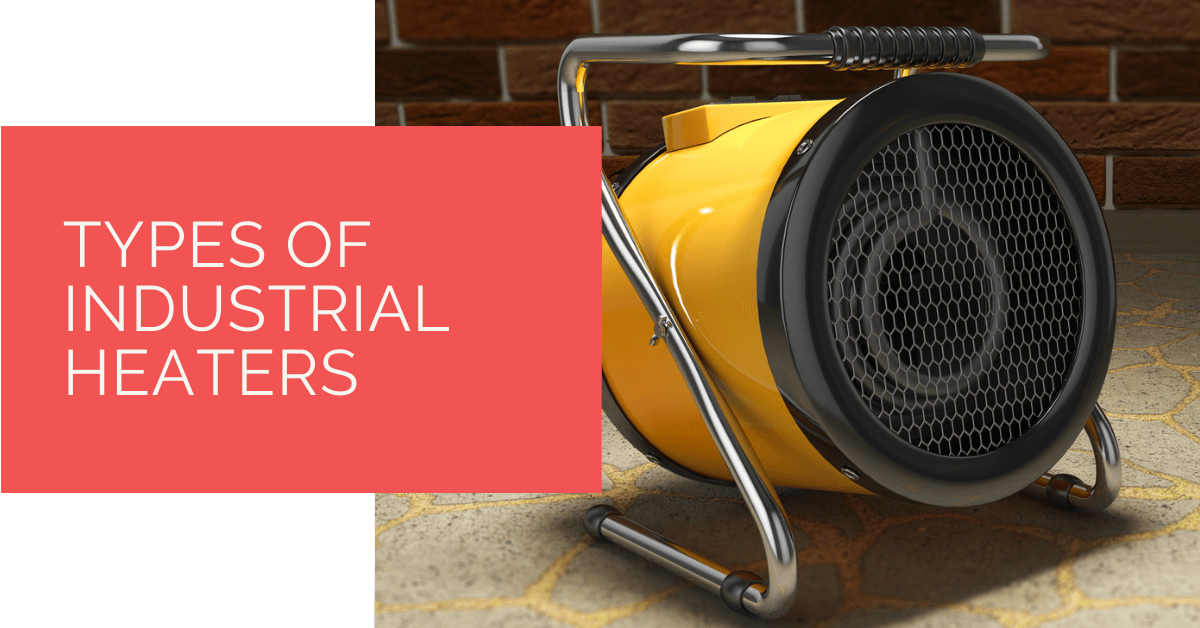
Industrial heaters are chosen for the building as much as the temperature. A draughty loading bay, a workshop with staff at benches and a warehouse full of racking all need different heating behaviour.
The right heater puts heat where it is useful, runs safely in the space and can be controlled without heating air that immediately escapes.
Contents
Key Takeaways
- Radiant heaters warm people and surfaces directly.
- Warm-air and fan heaters heat air volume and suit enclosed spaces.
- Combustion heaters need ventilation and fuel safety planning.
- Zoning is often more efficient than heating a whole warehouse.
- Controls, mounting height and airflow matter as much as heater type.
Main Types Of Industrial Heaters
Radiant and infrared heaters warm people, objects and surfaces in their line of sight. They are useful in large or draughty spaces where heating all the air would be wasteful. Warm-air heaters and industrial fan heaters move heated air around enclosed areas, making them better where the building can retain heat.
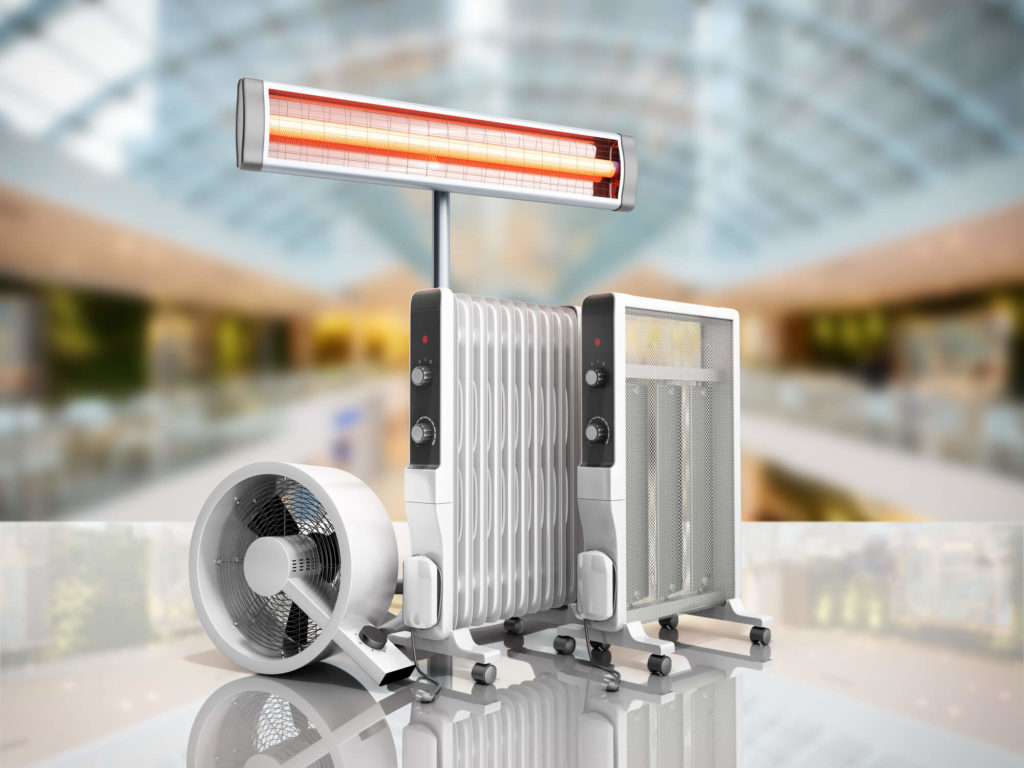
Other categories include cabinet heaters, radiant tube heaters, portable diesel heaters, electric space heaters and process heaters. The names overlap, so focus on how heat is delivered and what fuel is used.
Match The Heater To The Space
| Space | Often Suitable | Why |
|---|---|---|
| Loading bay | Infrared or radiant | Targets people despite draughts |
| Workshop | Radiant, fan or warm-air zones | Depends on occupancy and insulation |
| Warehouse | Suspended warm-air or radiant tubes | Keeps floor clear and can zone areas |
| Temporary site | Portable electric or indirect-fired heater | Flexible, but needs power/fuel planning |
Fuel, Ventilation And Safety
Electric heaters avoid on-site combustion but can need substantial electrical capacity. Gas, oil and diesel heaters can deliver high output, but ventilation, flueing, fuel storage and carbon monoxide risk must be assessed. Direct-fired combustion heaters are not suitable for every occupied space.
HSE guidance on workplace temperature and safety should be considered alongside manufacturer instructions and site risk assessments. If staff report fumes, headaches or dryness, treat it as a safety signal, not just comfort feedback.
Controls, Zoning And Running Costs
Industrial heating often fails because the control strategy is crude. Timers, thermostats, destratification fans, door management and zoning can reduce wasted heat. Heating a packing bench with radiant heat may be cheaper than raising the temperature of a whole high-bay warehouse.
If you are comparing portable options, our guide to industrial heaters is useful for product-level features and safety points.
Choosing By Task, Not Just Output
Industrial heaters are often sold by kilowatt output, but output alone does not tell you whether workers will feel warm. Radiant heat can make a packing bench comfortable without heating the full warehouse volume. Warm-air heating can work well in an insulated workshop but disappear quickly through open roller doors.
Start by drawing the working zones: benches, loading doors, machinery, storage aisles, office corners and break areas. Then decide whether each zone needs people-warming, frost protection, process heat or general background temperature.
Safety And Site Conditions Checklist
| Condition | Why It Matters | What To Check |
|---|---|---|
| Combustible materials | Radiant heat and hot surfaces can ignite nearby items | Clearances, guards and mounting position |
| Dust or fumes | Some heaters are unsuitable in dusty or hazardous atmospheres | Site risk assessment and manufacturer limits |
| Open doors | Warm air escapes rapidly | Radiant zoning, door discipline or air curtains |
| Combustion fuel | Needs ventilation, flueing and safe storage | CO risk, fuel handling and service access |
Common Buying Mistakes
The first mistake is buying a portable heater for a permanent problem. The second is heating the roof space in a high building while staff remain cold at floor level. The third is ignoring controls. A correctly zoned heater with timers and thermostats can be more useful than a larger unit left running in the wrong place.
For example, a vehicle workshop with doors opening throughout the day may get better comfort from radiant heaters above work bays than from a warm-air unit fighting constant air changes. A packing room inside an insulated building may be the opposite: warm-air heating with a thermostat and destratification can keep the whole occupied zone steady. A temporary construction area may need portable heat, but the heater type should be chosen around ventilation, fumes, drying needs and whether people are working nearby.
Industrial heating also has a maintenance angle. Filters, burners, guards, fuel lines, reflectors and thermostats need inspection. A heater that worked last winter may be unsafe or inefficient after months in a dusty warehouse. Treat pre-season checks as part of the heating plan, not an optional extra.
Practical Commissioning Checks
Before signing off an industrial heater, test it in the conditions it will actually face. Open the doors that are normally open, run extraction that normally operates, and stand where staff work rather than beside the heater. Comfort at the thermostat is not the same as comfort at a workbench ten metres away.
Also record who is responsible for servicing, filter cleaning, fuel checks and reporting faults. In commercial spaces, a heater is part of a workplace system. Clear ownership prevents unsafe improvised fixes when the first cold morning arrives.
A final check is recovery time. Some spaces only need frost protection overnight and a warm occupied zone during shifts; others need a stable process temperature. The heater choice should reflect that pattern rather than assuming one constant setting all day.
Expert Insights From Our Heating Engineers
Our engineers recommend mapping where people actually work before choosing industrial heating. Large buildings often contain small comfort zones: benches, desks, packing areas and walkways. Heat those well before trying to warm unused volume.
They also look at air movement. A heater aimed across an open roller door will disappoint no matter how powerful it is. Doors, insulation, racking and mounting height are part of the heating design.
Summing Up
The main types of industrial heaters include radiant, infrared, warm-air, fan, cabinet and combustion-based units. Choose by space, occupancy, ventilation, fuel availability, controls and safety rather than output alone.
Frequently Asked Questions
What Type Of Heater Is Best For A Warehouse?
It depends on the warehouse. Radiant tube heaters can work well where staff occupy defined zones, while warm-air systems suit enclosed spaces that retain heat. High ceilings, open doors, racking and shift patterns all affect the best choice.
Are Infrared Heaters Good For Industrial Use?
Infrared heaters can be excellent in industrial spaces because they warm people and surfaces directly rather than trying to heat all the air. They are especially useful in draughty areas, but they need correct mounting, clear line of sight and sensible zoning.
Can Diesel Heaters Be Used Indoors?
Only suitable models should be used indoors, and ventilation or flueing is critical. Direct-fired diesel heaters can introduce combustion products and moisture into the space. For occupied indoor areas, indirect-fired or properly flued systems are often safer choices.
How Do You Size An Industrial Heater?
Sizing depends on building volume, insulation, air changes, door openings, target temperature, occupancy and heater type. A simple wattage-per-square-metre figure can be misleading in high-bay or draughty buildings. A site assessment is usually worthwhile.
Are Electric Industrial Heaters Expensive To Run?
They can be expensive if used to heat large air volumes continuously, but they can be effective for targeted or temporary heating. Running cost depends on output, tariff, control strategy and whether the heat is aimed at people or wasted in empty space.
What Safety Features Matter On Industrial Heaters?
Important features include overheat protection, flame failure protection, stable mounting, suitable guards, correct flueing where needed and compatibility with the working environment. Dust, fumes, wet areas and combustible materials can change what is safe.
Updated