
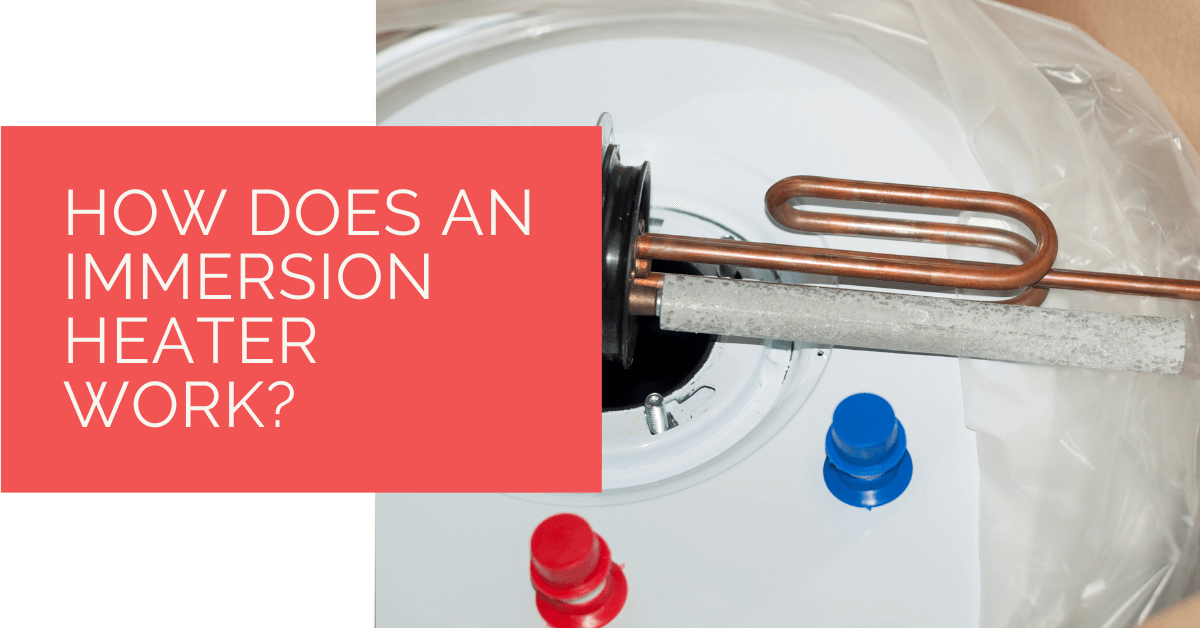
An immersion heater is an electric heating element fitted inside a hot water cylinder. When switched on, electricity passes through the element, the element heats up, and that heat transfers directly into the stored water around it.
It is a simple technology, but how you use it makes a big difference to cost. An immersion heater can be useful as a backup, for off-peak hot water or in homes without a gas boiler. Used carelessly on peak-rate electricity, it can become an expensive way to heat a full cylinder every day.
Key Takeaways
- An immersion heater heats stored water inside a hot water cylinder using an electric element.
- The thermostat switches the element off once the water reaches the set temperature.
- Timers and off-peak tariffs can reduce cost, but direct electric water heating is still energy intensive.
- Many cylinders have a lower main immersion and an upper boost immersion.
- Faulty thermostats, poor insulation and leaving the heater on unnecessarily can waste energy or create safety risks.
What Happens Inside The Cylinder?
The immersion element sits inside the stored water. It works much like the element in a kettle, although it is designed for a larger cylinder and controlled by a thermostat. As the element warms, heat spreads through the water in the cylinder.

Hot water naturally rises, so some cylinders use two elements. A lower element heats most of the cylinder, often overnight. An upper element works as a boost, heating only the top section for a smaller amount of hot water.
| Immersion Setup | How It Is Usually Used | Practical Caveat |
|---|---|---|
| Single immersion | Heats the cylinder from one element | Simple, but may heat more water than needed |
| Lower main immersion | Often used overnight on off-peak tariffs | Needs the timer set correctly |
| Upper boost immersion | Heats the top of the cylinder for quick extra hot water | Useful for occasional daytime top-ups |
| Solar diverter immersion | Uses surplus solar electricity where available | Still needs normal safety controls and backup planning |
The Role Of The Thermostat
The thermostat measures water temperature and switches the element off once the target is reached. This prevents constant heating and helps reduce scalding risk. Many domestic cylinders are set around 60°C, but exact settings should follow the cylinder and system guidance.
If the thermostat fails, water can become too hot or not hot enough. Modern units should have safety cut-outs, but repeated overheating, tripping or very hot water needs attention from a qualified person.
How Much Does An Immersion Heater Cost To Run?
The calculation is based on power and time. A 3 kW immersion running for two hours uses 6 kWh. At 25p per kWh, that costs £1.50. The actual cost depends on cylinder size, starting water temperature, thermostat setting, insulation and tariff.
Off-peak tariffs can make immersion heating more reasonable if the timer is set correctly. Housing association guidance from Magna notes that homes with Economy 7 often heat water overnight so a full cylinder is ready in the morning.
A useful way to think about cost is to separate heat-up energy from standing losses. Heating a cold cylinder takes a noticeable burst of electricity. Keeping it hot for longer than needed adds smaller but repeated losses, especially if the cylinder is old, poorly insulated or in a cold airing cupboard or loft space. That is why a timer and good insulation often matter as much as the element itself.
| Use Pattern | Cost Risk | Better Control |
|---|---|---|
| Left on continuously | Repeated reheating as the cylinder loses heat | Use a timer unless the system is designed otherwise |
| Whole cylinder heated for one shower | More hot water than needed | Use a boost element if fitted |
| Peak-rate daily heating | Higher electricity cost | Consider off-peak timing or alternative hot water options |
| Poorly insulated cylinder | Heat lost before it is used | Improve insulation or assess cylinder replacement |
Using Timers And Boost Controls
A timer is one of the most important controls. It stops the immersion heater running longer than needed. If you only need a little hot water, a boost element may be cheaper than heating the whole cylinder.
Avoid leaving the immersion permanently on unless the system is designed and controlled for that use. A thermostat will cycle the element, but repeated heat loss from a poorly insulated cylinder still wastes electricity.
Immersion Heaters Vs Boilers And Heat Pumps
A gas boiler usually heats water more cheaply per kWh of delivered heat, although costs depend on tariffs and efficiency. A heat pump water heater can be much more efficient than direct electric heating because it moves heat rather than creating it through resistance.
Immersion heaters are still valuable. They can provide backup hot water if a boiler fails, raise cylinder temperature for certain hygiene cycles, or serve small all-electric homes. Our heat pump water heater guide explains the lower-energy alternative.
Where immersion heaters work well, they tend to be used deliberately: timed overnight, boosted only when needed, or paired with solar PV. Where they become frustrating, the problem is usually vague controls. If no one knows which switch heats which part of the cylinder, the household may repeatedly heat a full tank when only a small top-up is required.
If the cylinder itself is old or too small, an immersion heater cannot fully compensate. It may heat correctly but still fail to provide enough usable hot water for several showers, a bath and kitchen use close together. In that situation, the right fix may be better controls, improved insulation or a cylinder upgrade rather than simply running the immersion for longer.

Safety And Maintenance
Do not remove immersion heater covers or wiring unless you are qualified. The cylinder contains hot water and mains electrical components. If the switch gets hot, the fuse trips, the water overheats or the cylinder makes unusual noises, get it checked.
Cylinder insulation matters. A well-insulated cylinder loses less heat, so the immersion runs less often. If the cylinder is old, poorly lagged or in a cold space, heat loss can become a hidden running cost.
Temperature settings also need care. Running stored water too cool may create hygiene concerns, while setting it unnecessarily high increases scalding risk and heat loss. If the hot water is dangerously hot, inconsistent, noisy or repeatedly trips the electrics, treat it as a fault rather than a normal quirk of the system.
| Warning Sign | Possible Cause | What To Do |
|---|---|---|
| No hot water | Timer, switch, thermostat, element or supply fault | Check simple controls, then call a qualified person |
| Water too hot | Thermostat or safety cut-out issue | Stop using it until checked |
| Switch or cable feels hot | Electrical fault or overload risk | Turn off and get professional advice |
| Frequent tripping | Element or wiring fault | Do not keep resetting without diagnosis |
| Hot water runs out quickly | Small cylinder, failed lower element or wrong boost use | Check which element is operating and whether the timer is right |
Expert Insights From Our Heating Engineers
One of our senior heating engineers with over 20 years of experience says immersion heaters are best treated as controlled tools, not background appliances. The timer, thermostat and cylinder insulation decide whether the setup is sensible or wasteful.
He recommends checking what each switch actually does. Many households have a main immersion and a boost switch but use them blindly, which can mean heating more water than needed.
He also recommends looking at the whole hot water pattern before blaming the immersion heater. A large family with evening baths, an old uninsulated cylinder and peak-rate electricity has a different problem from a small household using an off-peak timer. The element may be working perfectly, while the controls, cylinder or tariff are doing the damage.
Frequently Asked Questions
Can I Leave An Immersion Heater On All The Time?
A thermostat should stop the element heating continuously, but leaving an immersion switched on all the time can still waste electricity because the cylinder loses heat and reheats. A timer or boost control is usually more economical unless the system has been deliberately designed for continuous use.
How Long Does An Immersion Heater Take To Heat Water?
It depends on the cylinder size, element rating, starting water temperature and whether you are heating the whole cylinder or only the top section. A small boost may take under an hour, while a full cylinder can take several hours.
What Temperature Should An Immersion Heater Be Set To?
Many domestic hot water cylinders are set around 60°C, but you should follow the installer and cylinder manufacturer guidance. Too low can create hygiene concerns, while too high increases scalding risk and standing heat loss.
Is An Immersion Heater Expensive To Run?
It can be expensive on peak-rate electricity because it is direct electric heating. A 3 kW immersion running for two hours uses 6 kWh. Timers, off-peak tariffs, cylinder insulation and using boost only when needed can all reduce unnecessary cost.
What Is A Boost Immersion Heater?
A boost immersion usually heats only the upper part of the cylinder, giving a smaller amount of hot water more quickly. It is useful when you need extra hot water during the day without reheating the whole tank.
Why Is My Immersion Heater Not Heating Water?
Possible causes include a failed element, faulty thermostat, tripped safety cut-out, timer issue, wiring fault or power supply problem. Because it involves electricity and stored hot water, diagnosis beyond simple control checks should be done by a qualified person.
Can Solar Panels Power An Immersion Heater?
Yes, with a suitable solar diverter, surplus solar electricity can be sent to the immersion heater. It can be a useful way to store excess generation as hot water, but the setup needs proper controls and should not compromise normal hot-water safety.
Does An Immersion Heater Need Servicing?
It has fewer moving parts than a boiler, but the thermostat, element, wiring, switch, cylinder insulation and safety devices still matter. If water overheats, trips occur, the switch becomes hot or the cylinder is noisy, it should be checked.
Summing Up
An immersion heater is simple: an electric element heats stored water inside a cylinder. The real question is how it is controlled. With a timer, thermostat, insulation and sensible tariff use, it can be practical. Left unmanaged, it can quietly become one of the most expensive ways to heat water.
Updated