
Hot water cylinders are easy to ignore until showers run cold, pressure disappoints or a replacement is needed. The big decision is usually whether the home should keep a vented cylinder or move to an unvented one.
The difference is not just the cylinder. It affects water pressure, loft tanks, safety controls, installation rules, maintenance and where the system can sensibly be fitted.
Key Takeaways
- Vented cylinders are fed by a cold-water tank, usually in the loft.
- Unvented cylinders are fed directly from the mains and provide mains-pressure hot water.
- Unvented cylinders need safety controls and qualified installation.
- Cylinder size should match bedrooms, bathrooms and usage patterns.
- Existing pipework and mains pressure can decide what is realistic.
How Vented Cylinders Work
A vented cylinder is supplied by a cold-water storage tank, often in the loft. Gravity pushes water down into the cylinder, where it is heated indirectly by a boiler coil or directly by an immersion heater. Expansion is handled through the open vent and tank.
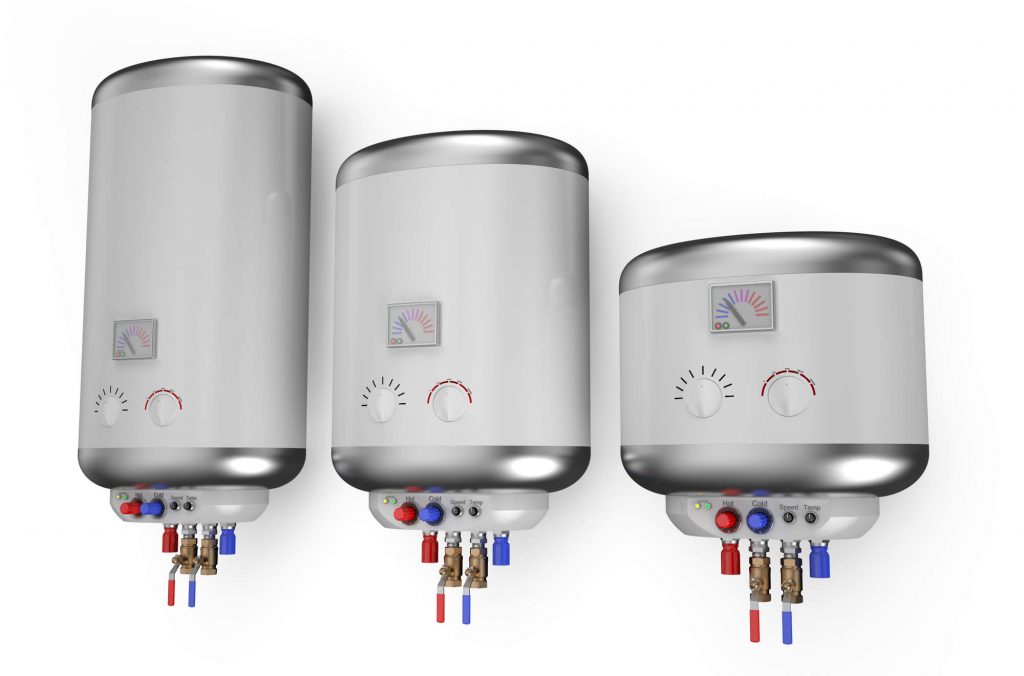
Vented systems can be simple and familiar, but pressure depends on tank height and pipework. Upstairs showers may be weaker unless pumps or different arrangements are used.
How Unvented Cylinders Work
An unvented cylinder connects directly to the mains water supply, so hot water is delivered at mains pressure where the supply is strong enough. There is no cold-water storage tank, which saves loft space and can improve shower performance.
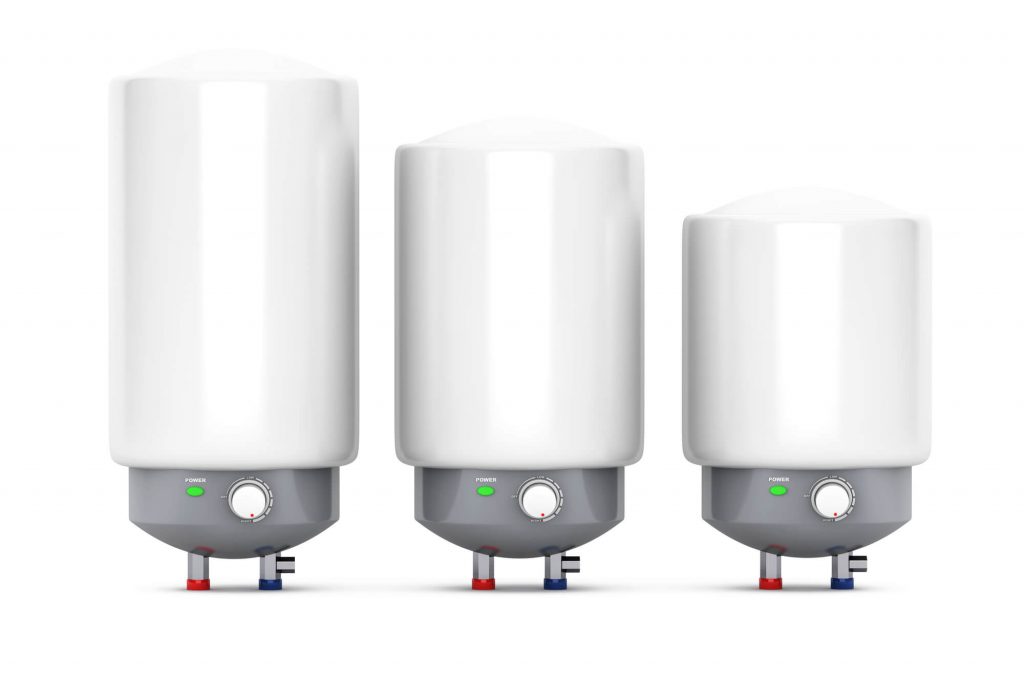
Because the system is sealed, unvented cylinders need expansion controls, temperature and pressure relief, discharge pipework and correct commissioning. Building Regulations Approved Document G covers hot water safety and unvented storage requirements.
Vented Vs Unvented Compared
| Feature | Vented Cylinder | Unvented Cylinder |
|---|---|---|
| Water supply | Loft tank | Mains pressure |
| Pressure | Depends on gravity | Depends on mains supply |
| Space | Needs tank and cylinder | No loft tank needed |
| Installation | Generally simpler | Requires qualified competent installation |
Choosing The Right Cylinder
Choose by hot-water demand, mains flow, existing system, cylinder space and budget. A home with several bathrooms may benefit from an unvented cylinder if mains supply is strong enough. An older property with low mains pressure may not get the expected improvement without wider work.
If you are also deciding between boiler types, read our guide to types of boilers. If the backup immersion is confusing, our immersion heater guide explains direct electric heating.
Which Cylinder Suits Which Home?
A vented cylinder can still be a sensible choice in an older home where the existing tanks, pipework and pressure arrangement are working well. It is often simpler and may be cheaper to replace like-for-like. The trade-off is pressure and space: the loft tank remains part of the system, and shower performance depends on gravity or pumps.
An unvented cylinder suits homes where mains pressure and flow are strong enough and several outlets need good hot water. It removes the cold-water storage tank and can be installed in more flexible locations, but the safety requirements are stricter.
Conversion Checklist
| Check | Why It Matters |
|---|---|
| Mains flow and pressure | An unvented cylinder cannot overcome a poor incoming supply |
| Discharge pipe route | Safety valves need correct discharge arrangements |
| Pipework condition | Higher pressure can expose weak older pipework |
| Cylinder size | Too small runs out; too large wastes stored heat |
| Installer competence | Unvented work requires appropriate qualification |
Direct, Indirect And Heat Pump Cylinders
A direct cylinder uses an immersion heater to heat stored water. An indirect cylinder is heated by a boiler or heat pump through a coil. Heat pump cylinders often need larger coils because heat pumps typically run at lower flow temperatures than boilers. If a heat pump is planned, cylinder compatibility should be checked before replacing like-for-like.
Hot-water habits matter as much as the cylinder label. A home with one shower and careful usage may not need a large store, while a family with baths, teenagers and simultaneous showers can quickly expose an undersized cylinder. Recovery time also matters. A smaller cylinder that reheats quickly may suit some homes better than a larger cylinder that stores more water than the household uses.
When replacing a cylinder, ask the installer to explain the safety controls, service requirements, insulation losses, immersion backup and what happens if the mains supply is interrupted. Those details are where real ownership experience differs from a simple vented-versus-unvented comparison.
What To Ask During A Cylinder Survey
Ask the installer to measure mains flow, not just look at pipe size. Ask where the discharge pipe will go on an unvented cylinder, how the cylinder will be serviced, whether the immersion heater is being retained as backup and whether existing showers or mixer taps are compatible with the new pressure arrangement.
If you are keeping a vented system, ask whether the loft tank is clean, insulated and properly supported. A cylinder decision should include the parts you do not normally see, because those parts often decide whether the system is reliable.
Do not overlook future access. Cylinders need servicing, immersion heaters may need replacement, and valves must remain reachable. A neat cupboard installation that blocks maintenance access can become expensive later.
For households with pressure complaints, remember that an unvented cylinder improves stored hot-water delivery only if the incoming supply is strong. If the street-side supply or internal pipework is limiting flow, the cylinder may expose that weakness rather than solve it.
Expert Insights From Our Heating Engineers
Our engineers always check mains flow and pressure before recommending an unvented cylinder. A cylinder cannot create good flow from a poor incoming supply. It can store hot water, but it still depends on the pipework feeding it.
They also stress maintenance. Unvented safety controls are there for a reason and should be serviced by someone competent. A high-pressure hot-water store is not a place for improvised DIY repairs.
Summing Up
Vented cylinders are gravity-fed and often simpler, while unvented cylinders offer mains-pressure hot water and save loft tank space. The right choice depends on existing plumbing, mains supply, demand, installation requirements and long-term maintenance.
Frequently Asked Questions
Is An Unvented Cylinder Better Than A Vented Cylinder?
It can be better where the mains supply is strong and the home needs good hot-water pressure at several outlets. It is not automatically better in every property. Installation cost, safety requirements, mains flow and existing pipework all affect whether the upgrade makes sense.
Who Can Install An Unvented Hot Water Cylinder?
Unvented cylinders should be installed and serviced by a competent person with the appropriate unvented hot water qualification. The safety devices and discharge pipework are critical. This is not the same as simply swapping a basic plumbing component.
Do Vented Cylinders Give Poor Shower Pressure?
They can, especially where the cold-water tank is not much higher than the shower outlet. Gravity provides the pressure, so upstairs bathrooms often have weaker flow. Pumps or system changes can help, but they should be designed properly.
What Size Hot Water Cylinder Do I Need?
Size depends on bedrooms, bathrooms, shower habits, bath use and reheating method. Too small and hot water runs out; too large and energy is wasted storing water you do not need. An installer should size around real household usage.
Can I Convert From Vented To Unvented?
Often yes, but the mains flow, pipework, space, discharge route and installer competence must be checked first. Some homes need upgrades before an unvented cylinder will perform properly. A survey is essential before assuming conversion is straightforward.
Do Heat Pumps Need Special Cylinders?
Many heat pump systems use cylinders with larger coils or designs suited to lower flow temperatures. A standard older cylinder may not transfer heat quickly enough. If you plan to install a heat pump, discuss cylinder compatibility during the design stage.
Updated