
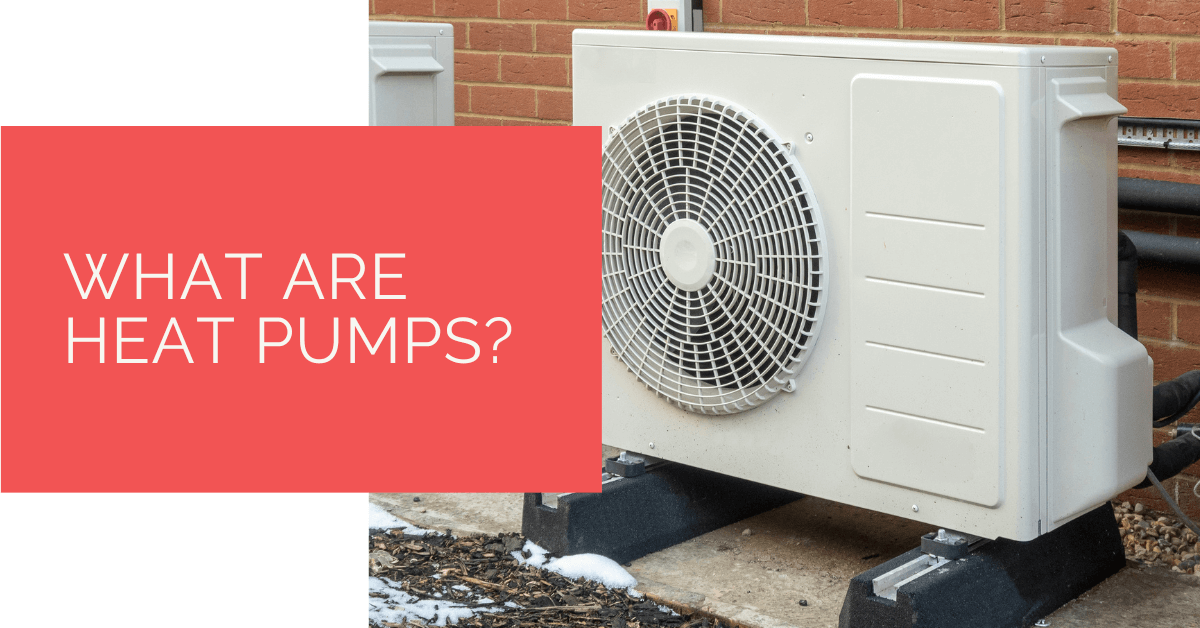
A heat pump is a heating system that moves heat from outside the home to inside it. Instead of burning gas, oil or LPG in the property, it collects low-temperature heat from the air, ground or water and upgrades it to a useful temperature for heating and, in many systems, hot water.
That simple idea is why heat pumps can be so efficient. They are not creating all the heat directly. They are using electricity to move existing heat. But the system still has to be designed around the home: insulation, radiators, underfloor heating, hot-water storage, outdoor space and controls all affect the result.
This guide explains what heat pumps are, how they work, the main types available in the UK, how they compare with boilers, and what to check before deciding whether to request quotes.
Key Takeaways
- A heat pump moves heat rather than generating all heat directly, which is why it can be highly efficient.
- Most UK whole-home systems are air-to-water or ground-to-water heat pumps that heat radiators, underfloor heating and a hot-water cylinder.
- Air source heat pumps are usually the most common domestic option because they are simpler to install than ground source systems.
- Heat pumps work best when the home can be heated at lower flow temperatures.
- Existing radiators can sometimes work, but they need checking room by room.
- Running costs depend on design, electricity tariff, heat demand, flow temperature and hot-water use.
- A good installer should explain heat loss, emitters, cylinder choice, controls and expected seasonal performance before you sign.
What Is A Heat Pump?
A heat pump is a low-carbon heating system that transfers heat from a source outside the home into the heating system inside. The heat source might be outdoor air, the ground, a body of water or, in some systems, extracted indoor air.
In a typical UK home, the heat pump sends warmth into a wet central heating system. That means it heats water for radiators, underfloor heating or fan convectors. It will often also heat a hot-water cylinder for showers, baths and taps.
The easiest way to think about it is a fridge in reverse. A fridge moves heat out of the cabinet and releases it into the room. A heat pump moves heat from outside and releases it into the home.
How Heat Pumps Work
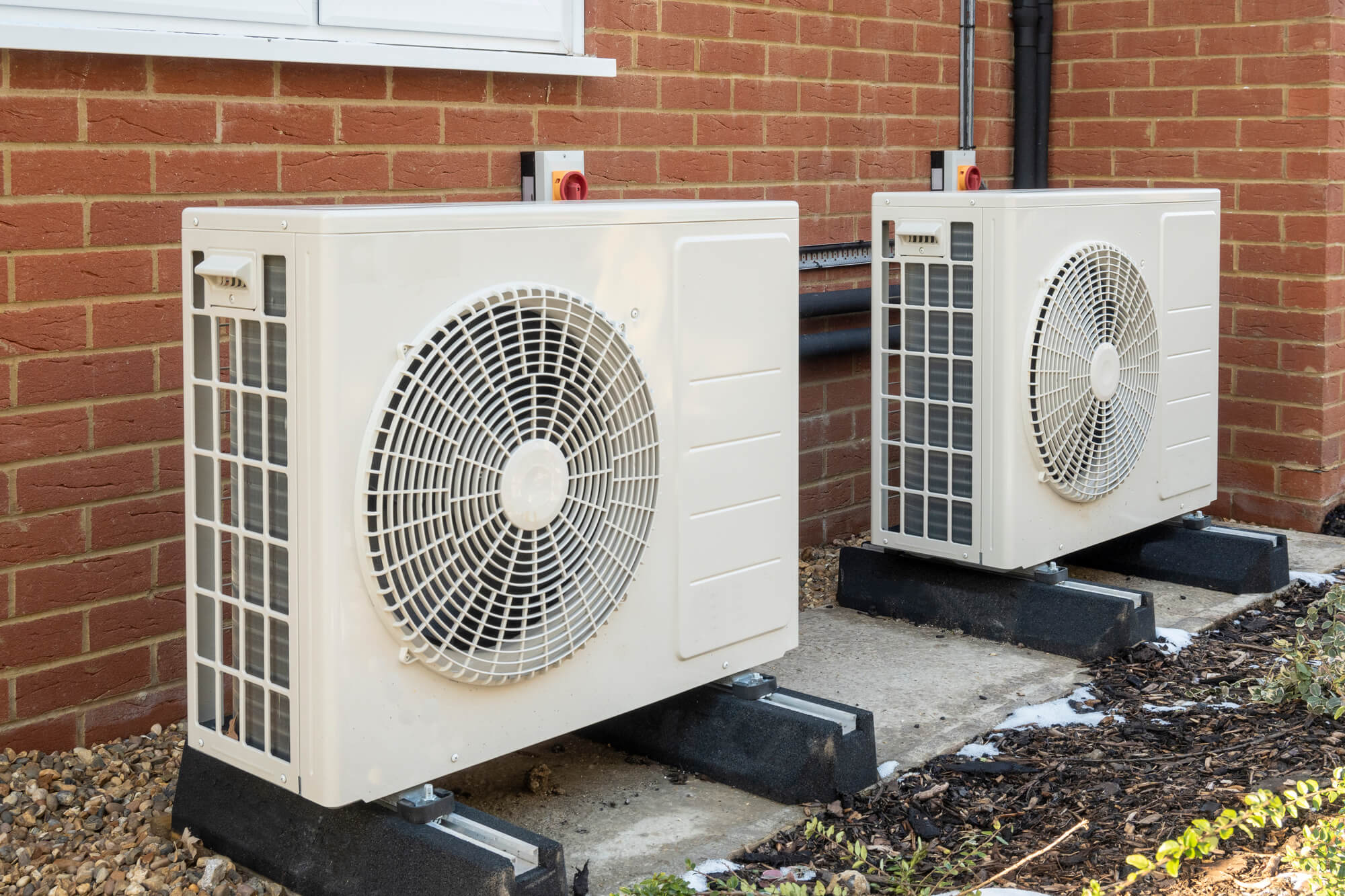
Most heat pumps use a refrigeration cycle. A refrigerant absorbs heat from the air, ground or water. The refrigerant then passes through a compressor, which raises its pressure and temperature. That heat is transferred into the home’s heating circuit, and the refrigerant cools down ready to repeat the process.
| Stage | What Happens | Why It Matters |
|---|---|---|
| Collection | The system absorbs low-temperature heat from air, ground or water | This provides the heat source |
| Compression | The compressor raises refrigerant temperature | The heat becomes useful for the home |
| Heat Transfer | Heat moves into water or indoor air | Radiators, underfloor heating or air units warm the property |
| Expansion | The refrigerant cools and resets | The cycle can continue |
Energy Saving Trust has a clear technical overview of how heat pumps work if you want the full refrigeration-cycle explanation.
Main Types Of Heat Pump
The main difference between heat pump types is where they collect heat from and how they deliver it indoors. The best choice depends on the property, budget, outdoor space, existing heating system and installation appetite.
| Type | Heat Source | Best Suited To | Main Caveat |
|---|---|---|---|
| Air Source Heat Pump | Outdoor air | Most standard domestic retrofits | Needs good placement, airflow and low-temperature design |
| Ground Source Heat Pump | Ground loops or boreholes | Larger plots, new builds and long-term projects | Higher cost and more disruption |
| Water Source Heat Pump | Suitable water source | Specialist properties with access to water | Needs permissions and specialist design |
| Air-To-Air Heat Pump | Outdoor air | Some flats, extensions and room-based heating/cooling | Does not usually heat domestic hot water |
For most homeowners, the first practical comparison is between air source heat pumps and ground source heat pumps. Air source systems are usually easier to install. Ground source systems can be very efficient, but they require land or borehole access.
Heat Pumps vs Boilers
A boiler creates heat by burning fuel or using direct electricity. A heat pump moves heat from outside to inside. That difference changes how the system is designed and how it feels in daily use.
Boilers often send high-temperature water through radiators for shorter periods. Heat pumps usually perform best with lower-temperature water running more steadily. That does not mean the home should feel less warm. It means the radiators, underfloor heating and controls must be designed for a different heating style.
| Feature | Boiler | Heat Pump |
|---|---|---|
| How heat is produced | Burns fuel or uses direct electric heat | Moves heat from air, ground or water |
| Typical heating pattern | Hotter bursts | Steadier, lower-temperature operation |
| Hot water | Combi or cylinder | Usually needs compatible cylinder |
| Design sensitivity | Moderate | High, especially radiators and heat loss |
Efficiency, COP And SCOP
Heat pump efficiency is often described using COP and SCOP. COP is a point-in-time measure. If a heat pump has a COP of 3, it is delivering three units of heat for one unit of electricity under those specific conditions.
SCOP is seasonal and usually more useful because it looks across changing weather and operating conditions. A single impressive COP figure from mild test conditions does not tell you how the system will perform through winter, during hot-water production or in a high heat-loss home.
Flow temperature is one of the biggest factors. If the heat pump can heat the home with lower-temperature water, efficiency usually improves. If it has to run very hot because the radiators are too small or the home loses heat quickly, efficiency falls.
What A Heat Pump Needs In A Home
A heat pump does not need a perfect home, but it does need an honest design. The survey should work out how much heat each room loses on a cold day, then check whether the radiators, underfloor heating or other emitters can deliver that heat at the planned flow temperature.
Many homes also need a compatible hot-water cylinder. If you currently have a combi boiler and no cylinder, this is a major design point. The installer should explain where the cylinder will go, how quickly it will reheat and how much hot water the household needs.
Basic Suitability Checklist
- Room-by-room heat-loss calculation.
- Radiator or underfloor heating output checked at lower flow temperatures.
- Space for an outdoor unit or ground array.
- Compatible hot-water cylinder plan.
- Electrical supply checked.
- Outdoor unit noise, airflow and service access considered.
- Clear controls and handover plan.
Costs, Grants And Running Costs
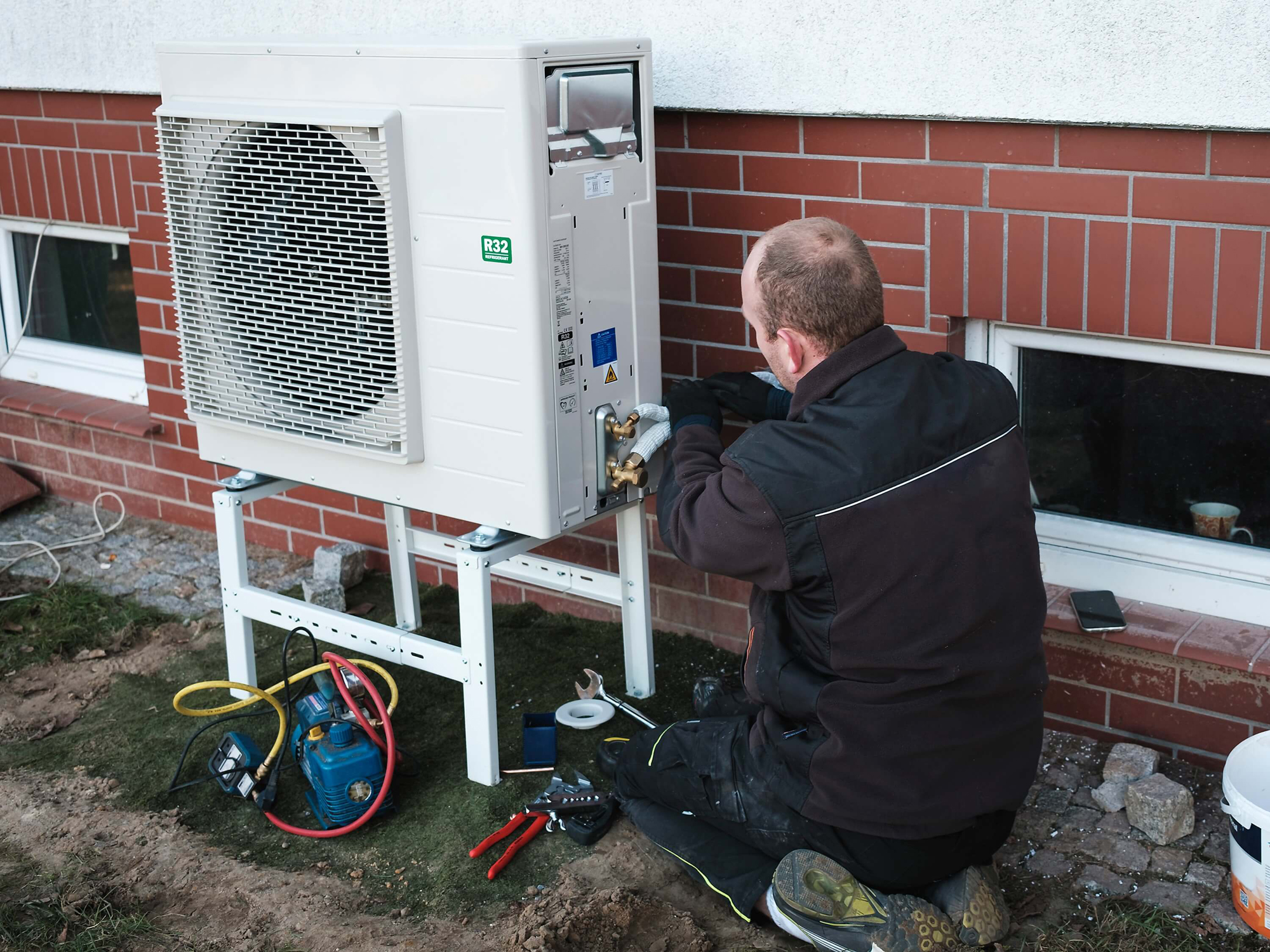
Heat pump installation costs vary widely because the heat pump itself is only part of the project. Radiators, pipework, a cylinder, electrics, controls, scaffolding, groundworks and commissioning can all affect the final quote.
The Boiler Upgrade Scheme can support eligible heat pump installations in England and Wales, with the installer normally handling the grant and deducting it from the quote. Always check the current scheme rules before relying on a figure, because eligibility and support can change.
Running costs depend on electricity tariff, seasonal efficiency, heat demand, hot-water use and how the system is controlled. A good heat pump installation can be efficient and comfortable, but a poor design can turn a promising technology into a frustrating bill problem.
Benefits And Drawbacks
The benefits are strongest where the home suits low-temperature heating. Heat pumps can reduce carbon emissions, move a household away from oil, LPG or gas, and provide steady comfort when designed properly. They can also pair well with underfloor heating, larger radiators and future low-carbon electricity.
The drawbacks are real too. Upfront cost can be high, installation is more involved than a like-for-like boiler replacement, and some homes need enabling work first. Heat pumps also ask homeowners to think differently about controls: steady operation usually beats short, aggressive heat boosts.
Common Heat Pump Myths
Heat Pumps Do Not Work In Cold Weather
They can work in cold weather, but performance depends on correct sizing, flow temperature and emitter design. Cold-weather output should be part of the installer’s calculation, not an afterthought.
Every Home Needs Underfloor Heating
Underfloor heating is a strong match, but it is not mandatory. Correctly sized radiators can work well. The key is whether each room can get enough heat at the planned flow temperature.
A Heat Pump Automatically Cuts Bills
Not always. Bills depend on the system’s seasonal efficiency, the electricity tariff, the old heating system, hot-water use and the property’s heat demand. Good design improves the odds. Vague sales claims do not.
The Biggest Heat Pump Is The Safest Choice
Oversizing can create cycling and control problems. The right size comes from heat-loss calculations, not guesswork based on floor area alone.
Case Study: Understanding The Decision Before Getting Quotes
Background
A couple in a three-bedroom semi-detached home wanted to know whether a heat pump was realistic before requesting quotes. Their boiler still worked, but it was ageing, and they wanted to understand low-carbon options before an emergency replacement was needed.
Assessment
They started with the home rather than the product. Loft insulation was reasonable, but the hallway and living room cooled quickly. Several radiators were modern double-panel units, while two older single-panel radiators looked unlikely to deliver enough heat at lower flow temperatures.
Decision
Instead of accepting the first sales visit, they gathered annual energy use, photographed the boiler, cylinder cupboard and radiators, and asked installers for room-by-room heat-loss calculations. They also read the broader heat pumps guide to understand what a full quote should include.
Result
The couple had better conversations with installers because they understood the basics. They could ask about flow temperature, radiator output, hot-water recovery and grant handling, rather than judging quotes only by the brand of outdoor unit.
Expert Insights From Our Heating Engineers
One of our senior heating engineers with over 18 years of experience says the simplest explanation is often the most useful one.
“A heat pump moves heat rather than making all of it directly. Once people understand that, the design questions make more sense. You start asking whether the house can hold heat, whether the radiators can deliver it and whether the controls are set up for steady operation.”
He also warns against treating heat pumps as a like-for-like boiler swap. “The outdoor unit is only one part of the system. The heat-loss calculation, radiators, cylinder, controls and commissioning decide whether the homeowner gets a good result.”
Frequently Asked Questions
What Is A Heat Pump In Simple Terms?
A heat pump is a heating system that moves heat from outside the home to inside it. It uses electricity to collect low-temperature heat from air, ground or water, raise its temperature and deliver it through radiators, underfloor heating, warm air units or a hot-water cylinder.
Is A Heat Pump The Same As An Air Conditioner?
The technology is closely related because both use a refrigeration cycle to move heat. An air conditioner usually moves heat out of a room for cooling. A heat pump used for home heating moves heat into the property. Some systems can provide both heating and cooling, but UK whole-home heat pump design is usually focused on winter heating and hot water.
What Types Of Heat Pumps Are There?
The main types are air source, ground source, water source and air-to-air heat pumps. Air source systems are the most common domestic option. Ground source systems can be efficient but need land or boreholes. Water source systems are specialist, and air-to-air systems heat or cool rooms directly rather than heating a wet central heating system.
Do Heat Pumps Work With Radiators?
Yes, they can work with radiators if the radiators are large enough to heat the rooms at lower water temperatures. Some existing radiators may be fine, while others may need upgrading. The answer should come from room-by-room heat-loss and radiator output checks.
Are Heat Pumps Cheaper To Run Than Boilers?
They can be, but it depends on seasonal efficiency, electricity and gas prices, the old heating system, hot-water use and the property’s heat demand. A well-designed heat pump running at low flow temperatures has a better chance of competitive running costs than a poorly matched system.
Do Heat Pumps Work In Cold Weather?
Yes. Heat pumps can collect heat from cold air or ground, but they must be sized and installed properly. Efficiency normally changes as outdoor temperature falls, which is why winter design conditions matter.
Do Heat Pumps Need A Hot-Water Cylinder?
Most whole-home air-to-water and ground-to-water heat pump systems need a compatible hot-water cylinder. This is a major difference for homes currently using a combi boiler. The cylinder needs to match the household’s hot-water demand and the heat pump’s operating temperatures.
Are Heat Pumps Suitable For Older Homes?
They can be suitable, but older homes often need more careful assessment. Insulation, draughts, radiator size, cylinder space and pipework all matter. Age alone does not rule a home out, but poor design can make performance disappointing.
Where Should A Beginner Start Before Getting Quotes?
Start by understanding your current energy use, noting cold rooms, checking radiator sizes, looking at cylinder space and reading independent guidance. Then ask installers for heat-loss calculations, expected flow temperatures, emitter checks, cylinder specification and a clear commissioning plan.
Summing Up
A heat pump is a system that moves heat from outside the home and upgrades it for heating and, in many cases, hot water. It can be efficient and low carbon because it transfers heat rather than generating all of it directly.
The important point is that a heat pump is not just a box outside. It is part of a whole heating design. If the home, radiators, cylinder and controls are suitable, the result can be comfortable and efficient. If those details are skipped, the technology may not get a fair chance.
Updated