
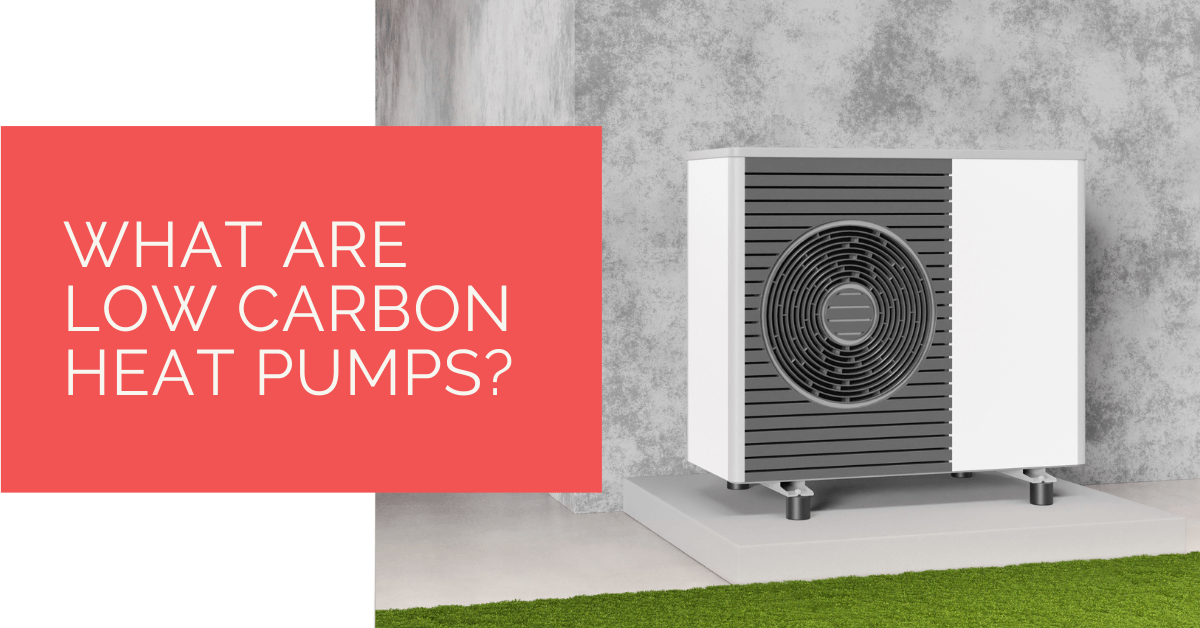
Heat pumps are described as low-carbon heating because they move heat rather than create it by burning fuel in the home. They still use electricity, so the real carbon impact depends on efficiency, design and how clean the electricity supply is.
A good heat pump installation is not just a box outside the house. It is a heating system designed around the building, radiators or underfloor heating, hot water and controls.
Key Takeaways
- Heat pumps are low carbon because they use electricity to move heat rather than burn gas or oil.
- Air source, ground source and water source heat pumps suit different sites.
- Efficiency depends on design, flow temperature and building heat loss.
- UK grants may help with eligible installations.
- A poor installation can underperform, even if the technology is sound.
Why Heat Pumps Are Low Carbon
A boiler burns fuel to produce heat. A heat pump uses electricity to collect heat from air, ground or water and raise it to a useful temperature. Because it can deliver several units of heat for each unit of electricity used, emissions can be lower than fossil fuel heating, especially as the grid decarbonises.
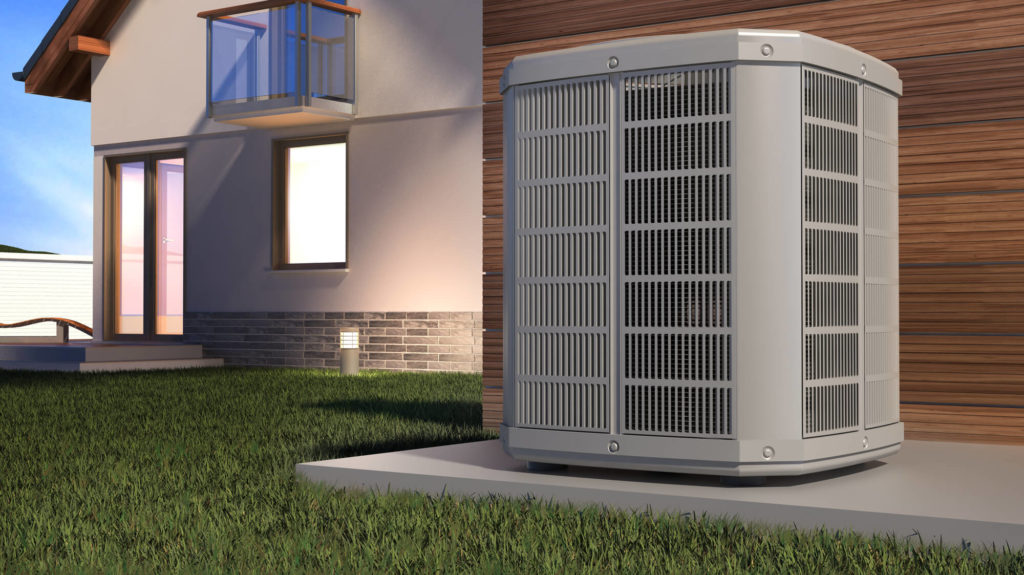
The carbon benefit depends on seasonal efficiency. A heat pump forced to run at unnecessarily high temperatures will use more electricity and cost more to operate.
Main Types Of Low Carbon Heat Pumps
| Type | Heat Source | Typical Use |
|---|---|---|
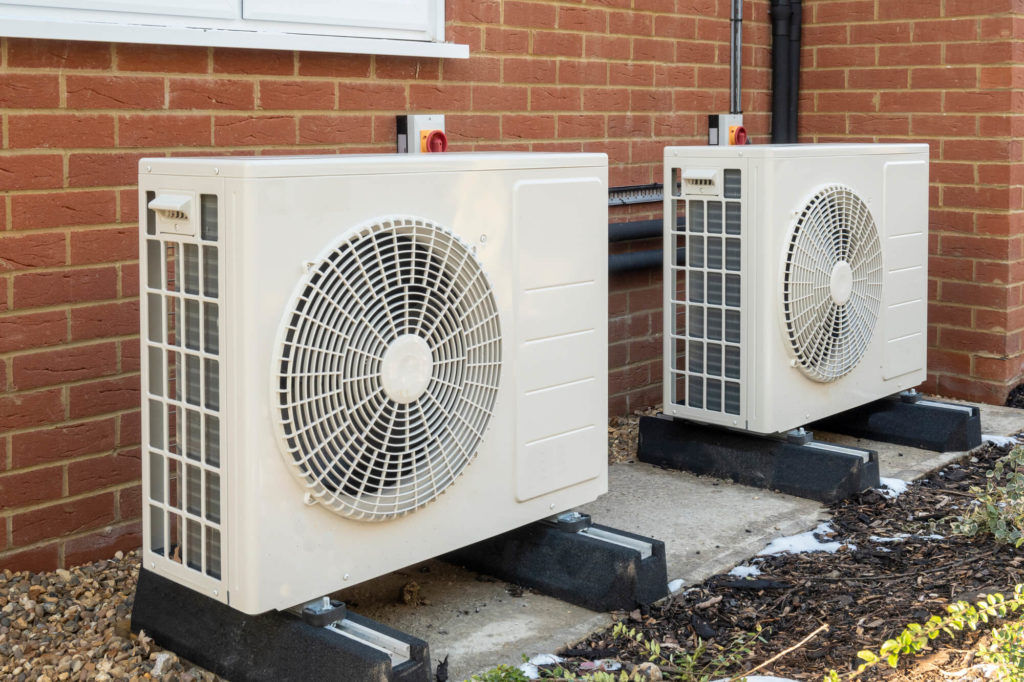
| Air source | Outdoor air | Most common domestic option |
| Ground source | Ground loops or boreholes | Properties with land or budget for groundworks |
| Water source | Lakes, rivers or groundwater | Specialist sites with suitable water access |
What Makes A Home Suitable?
Heat pumps work best when heat loss is understood and emitters can deliver comfort at lower flow temperatures. That may mean improving insulation, balancing radiators, upgrading some radiators or using underfloor heating.
Our heat pumps guide explains the full design process, while radiator sizing is important if existing radiators are being reused.
Grants, Costs And Real-World Caveats
The Boiler Upgrade Scheme currently offers grants towards eligible air source, ground source and water source heat pumps in England and Wales, subject to rules. GOV.UK lists current amounts and requirements, so check before relying on any figure.
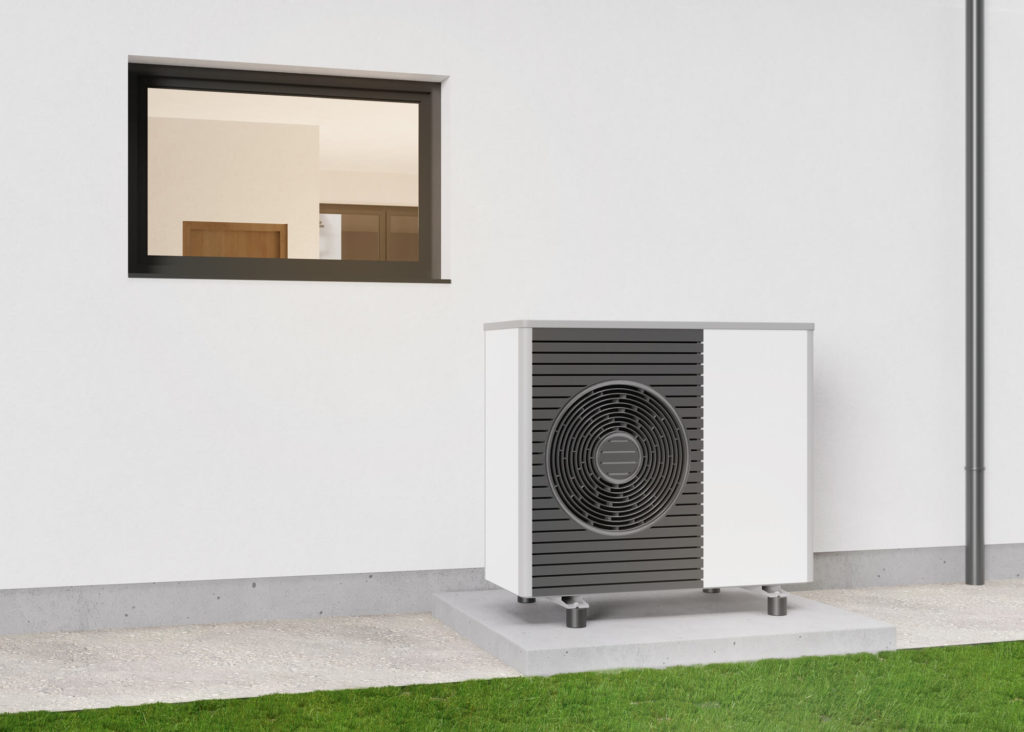
Running costs depend on electricity tariff, system efficiency and the heat demand of the home. Low carbon does not automatically mean low cost in every property.
What Low Carbon Means In Real Use
Low carbon does not mean zero impact and it does not mean every installation performs the same. A heat pump uses electricity, and its carbon benefit depends on how efficiently it turns that electricity into useful heat. A well-designed system running at low flow temperatures can deliver several units of heat for each unit of electricity.
The design target is usually to reduce the flow temperature needed to heat the home. That is where insulation, radiator sizing, underfloor heating and balancing become part of the carbon story. A heat pump struggling to heat an inefficient home at high temperatures will use more electricity and lose much of its advantage.
Common Myths About Low Carbon Heat Pumps
| Myth | Reality |
|---|---|
| They only work in new builds | Older homes can work if heat loss and emitters are addressed |
| They are always cheaper to run | Running cost depends on efficiency, tariffs and heat demand |
| They need underfloor heating | Larger radiators can also work in many homes |
| They are just electric heaters | They move heat rather than creating it by resistance |
Before Calling A Heat Pump Low Carbon
Ask for a room-by-room heat-loss calculation, proposed flow temperature, emitter schedule, hot-water design and expected seasonal efficiency. These details matter more than a headline claim. Grants can reduce upfront cost, but they do not replace good design.
It is also worth separating carbon from comfort and cost. A household can install a low-carbon technology and still be unhappy if the system is noisy, poorly controlled, slow to recover hot water or expensive on the wrong tariff. A proper design should explain how the home will be used day to day, not just what the equipment can achieve in a test condition.
For older homes, the decision is usually not heat pump or no heat pump. It is which improvements need to happen first. Loft insulation, draught reduction, radiator upgrades and heating controls may make the future heat pump smaller, quieter and cheaper to run. That preparation is part of the low-carbon pathway.
How To Judge A Low-Carbon Proposal
A credible proposal should explain the expected flow temperature, seasonal efficiency, hot-water strategy, outdoor unit position, noise assessment, controls and any radiator changes. It should also explain what happens on the coldest design days, not only average weather.
If two quotes differ widely, compare the assumptions. One may include emitter upgrades, cylinder work and commissioning while another simply prices the heat pump. The fuller quote may look more expensive but be closer to the system the home actually needs.
The homeowner handover matters too. Low-carbon heating often works best with steady controls rather than short high-temperature bursts, so the user needs to understand how to operate the system.
Expert Insights From Our Heating Engineers
Our engineers judge heat pumps by system design rather than headline efficiency. The key questions are: what is the heat loss, what flow temperature is needed, are the emitters large enough and does the homeowner understand the controls?
A heat pump can be an excellent low-carbon system, but it should not be sold as a drop-in boiler replacement without checking the rest of the heating system.
Summing Up
Low carbon heat pumps reduce emissions by moving heat with electricity instead of burning fuel at the property. Air, ground and water source systems can all work well when the home, emitters, controls and installer design are right.
Frequently Asked Questions
Are Heat Pumps Really Low Carbon?
Yes, they can be low carbon because they use electricity to move heat rather than burning gas, oil or LPG at the property. The actual carbon saving depends on seasonal efficiency, electricity generation and whether the system is designed to run at sensible flow temperatures.
Which Type Of Heat Pump Is Lowest Carbon?
There is no universal winner. Ground and water source systems can be very efficient in suitable sites, while air source systems are more common and often easier to install. The lowest-carbon outcome comes from the best fit for the property and usage.
Do Heat Pumps Work In Old Houses?
They can, but older houses need careful assessment. Insulation, draughts, radiator size and hot-water demand all matter. Some older homes work well after targeted improvements, while others need more substantial fabric or heating-system upgrades before a heat pump is sensible.
Are Heat Pumps Cheaper To Run Than Gas Boilers?
Sometimes, but not always. Running cost depends on electricity and gas prices, heat pump efficiency, flow temperature and household demand. A well-designed heat pump on a suitable tariff can be competitive, but a poor design can be expensive.
Can I Get A Grant For A Low Carbon Heat Pump?
In England and Wales, the Boiler Upgrade Scheme can support eligible heat pump installations, subject to current rules, property type and installer requirements. Grant amounts and eligibility can change, so check GOV.UK and an MCS-certified installer before proceeding.
Do Low Carbon Heat Pumps Need Bigger Radiators?
Sometimes. Heat pumps often work best at lower flow temperatures, so radiators may need more surface area to deliver the same room heat. A room-by-room heat-loss calculation should decide which radiators, if any, need upgrading.
Updated