
If a radiator is warm at the bottom but cold at the top, trapped air is the most likely cause. The hot water cannot fill the radiator properly, so part of the panel stays cool and the room takes longer to warm. Bleeding the radiator releases that air and lets hot water circulate through the whole radiator again.
It is a simple job, but it still needs doing carefully. The heating should be off, the radiator should be cool, and the bleed valve should be opened only slightly. After bleeding, you also need to check the boiler pressure because releasing air and water can lower the pressure in a sealed central heating system.
This guide explains how to tell whether a radiator needs bleeding, what tools to use, the safest step-by-step method, and what to do if the radiator is still cold afterwards.
Contents
- 1 Key Takeaways
- 2 Do You Actually Need To Bleed The Radiator?
- 3 Tools You Need
- 4 Safety Before You Start
- 5 Step-By-Step: How To Bleed A Radiator
- 6 What Order Should You Bleed Radiators In?
- 7 Check Boiler Pressure Afterwards
- 8 Troubleshooting After Bleeding
- 9 How Often Should You Bleed Radiators?
- 10 Case Study: Upstairs Radiators Cold At The Top
- 11 Expert Insights From Our Heating Engineers
- 12 Frequently Asked Questions
- 12.1 How Do I Know If A Radiator Needs Bleeding?
- 12.2 Can I Bleed A Radiator While The Heating Is On?
- 12.3 Which Way Do I Turn A Radiator Bleed Valve?
- 12.4 How Much Water Should Come Out When Bleeding A Radiator?
- 12.5 What Pressure Should My Boiler Be After Bleeding Radiators?
- 12.6 Why Is My Radiator Cold At The Bottom?
- 12.7 Do I Need To Bleed All Radiators Or Just One?
- 12.8 How Often Should Radiators Be Bled?
- 12.9 What Should I Do If The Bleed Valve Leaks?
- 13 Summing Up
Key Takeaways
- A radiator that is cold at the top and warm at the bottom usually has trapped air.
- A radiator that is cold at the bottom may have sludge or circulation problems, not just air.
- Always turn the heating off and let radiators cool before bleeding them.
- Open the bleed valve slowly and only a small amount until air hisses out.
- Close the valve when water runs steadily with no hissing.
- Check boiler pressure after bleeding radiators and top up if your boiler manual says it is too low.
- Call a heating engineer if the valve leaks, pressure keeps dropping, or radiators stay cold after bleeding.
Do You Actually Need To Bleed The Radiator?
Before opening any valves, check the symptoms. Turn the heating on and let the radiators warm up, then carefully feel each radiator from bottom to top. Use caution because radiators can become hot.
| Symptom | Likely Cause | What To Do |
|---|---|---|
| Cold at the top, warm at the bottom | Trapped air | Bleed the radiator |
| Cold at the bottom, warmer at the top | Possible sludge or poor circulation | Bleeding may not help. Investigate sludge or system flow |
| Entire radiator cold | Valve, balancing, pressure or circulation issue | Check TRV, lockshield, boiler pressure and other radiators |
| Several upstairs radiators cold | Low pressure or air in upper radiators | Check boiler pressure and bleed carefully |
| Water around radiator | Leak | Do not ignore it. Find the leak or call a professional |
Bleeding is useful when air is the problem. It will not remove sludge, fix a stuck thermostatic radiator valve, repair a leak or balance the heating system. If the radiator is cold at the bottom, our radiator cold at bottom guide is a better next step.
Tools You Need
You do not need much equipment, but having everything ready avoids rushing once the valve is open.
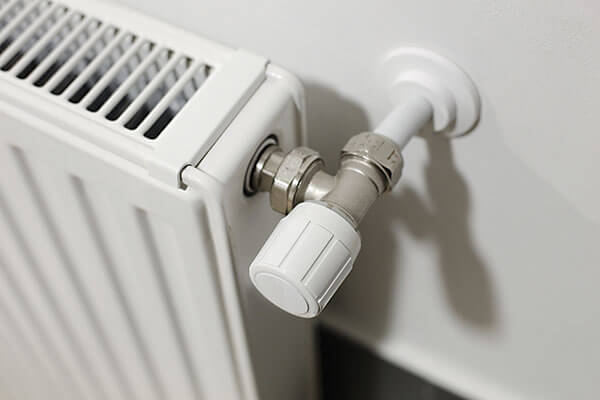
- Radiator bleed key, or a flat-head screwdriver if your radiator valve accepts one.
- Old towel to protect the floor.
- Small bowl, cup or container to catch water.
- Cloth for gripping the key and wiping drips.
- Boiler manual or pressure guidance if you are unsure how to top up pressure.
Use the correct key or tool. Pliers and poor-fitting tools can damage the bleed valve, which can turn a simple maintenance job into a leak.
Safety Before You Start
Turn the heating off and let the radiators cool. Bleeding a hot radiator can release hot water or steam and may scald you. A cool system is also easier to handle and less likely to push more air around while you work.
Put a towel under the valve and hold a small container below it. The bleed valve is usually at the top corner of the radiator. It may be on the side, back edge or hidden under paint on older radiators.
If the valve is badly corroded, painted solid, leaking already or looks damaged, do not force it. It is safer to get help than to snap or strip the valve.
Step-By-Step: How To Bleed A Radiator
1. Turn The Heating Off
Switch the central heating off and wait until the radiator is cool. If you have just used the heating, give the system time to settle.
2. Locate The Bleed Valve
Find the small square or slotted valve at the top of the radiator. Fit the radiator key or screwdriver securely so it does not slip.
3. Open The Valve Slowly
Turn the valve anti-clockwise very slightly, often no more than a quarter turn. You should hear a hissing sound as trapped air escapes. Do not remove the screw completely.
4. Wait For Water
Keep the cloth and container in place. The hissing should stop and water may sputter, then run more steadily. Once a steady stream of water appears with no air noise, the trapped air has been released.
5. Close The Valve
Turn the valve clockwise to close it. Tighten it enough to stop water, but do not overtighten. Wipe the valve dry and check for drips.
6. Repeat Where Needed
If several radiators have cold tops or gurgling noises, repeat the process. Work methodically and keep an eye on boiler pressure once you have finished.
What Order Should You Bleed Radiators In?
If you are bleeding several radiators, a common approach is to start downstairs, usually with the radiator furthest from the boiler, then work back towards the boiler. After that, move upstairs and repeat the same pattern.
The exact order is less important than being methodical. Do not open several bleed valves at once. Bleed one radiator, close it properly, then move to the next. This reduces mess and makes it easier to spot leaks.
British Gas gives similar practical advice in its radiator bleeding guide, including turning the heating off, opening the valve carefully and checking boiler pressure afterwards.
Check Boiler Pressure Afterwards
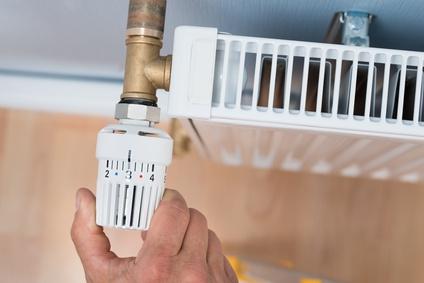
Bleeding radiators can lower pressure in a sealed central heating system. After you finish, check the boiler pressure gauge while the system is cold. Many boilers sit around 1 to 1.5 bar when cold, but always follow your boiler manual because models vary.
If pressure is too low, the boiler may not run properly. You may need to top it up using the filling loop, following the manufacturer’s instructions. If you are not confident doing this, call a heating engineer.
If the pressure keeps dropping after you bleed radiators, there may be a leak or another system issue. Repeatedly topping up pressure without finding the cause is not a proper fix.
Troubleshooting After Bleeding
The Radiator Is Still Cold At The Top
There may still be air trapped, or the system pressure may be too low. Let the system cool, check pressure and bleed again carefully if needed.
The Radiator Is Cold At The Bottom
This is more likely to be sludge or poor circulation than trapped air. Bleeding may release some air, but it will not remove sludge from the bottom of the radiator.
The Entire Radiator Is Cold
Check that the thermostatic radiator valve is open and not stuck. Also check the lockshield valve, boiler pressure and whether other radiators are working. If only one radiator is cold, balancing or a valve issue may be involved.
The Bleed Valve Leaks
Try gently tightening the valve, but do not force it. If it continues to drip, place a towel underneath and contact a heating engineer. A damaged bleed valve may need replacing.
The Boiler Pressure Drops Too Far
Top up the system only if you know how and the boiler manual confirms the correct pressure. If pressure drops repeatedly, stop treating it as a normal bleeding issue and investigate leaks.
How Often Should You Bleed Radiators?
Many homes benefit from checking radiators before the main heating season, especially after summer. You may also need to bleed radiators after system work, radiator replacement, pressure loss or refilling.
You do not need to bleed radiators constantly. If air keeps returning, the system may be drawing in air, losing pressure or suffering from corrosion. That deserves investigation rather than endless bleeding.
Case Study: Upstairs Radiators Cold At The Top
Background
A homeowner in a two-storey house noticed that two upstairs bedroom radiators were warm at the bottom but cold at the top. The downstairs radiators heated normally, but the bedrooms stayed cooler than expected.
Assessment
The pattern pointed towards trapped air in the upstairs radiators. The boiler pressure was checked before work started, and there were no obvious leaks around the radiator valves or pipework.
Action
The heating was turned off and allowed to cool. The upstairs radiators were bled one at a time using a radiator key. Air hissed out first, followed by a steady stream of water. The valves were closed carefully and wiped dry.
Result
After bleeding, the boiler pressure had dropped slightly and was topped up according to the boiler instructions. When the heating was switched back on, the upstairs radiators heated evenly. The homeowner added radiator checks to the autumn maintenance routine.
Expert Insights From Our Heating Engineers
One of our senior heating engineers with over 18 years of experience says radiator bleeding is simple, but diagnosis matters.
“Cold at the top is the classic air symptom. Cold at the bottom is usually a different problem. If people know that distinction, they are much less likely to waste time bleeding a radiator that actually needs a sludge or circulation check.”
He also stresses the pressure check. “On sealed systems, boiler pressure often drops after bleeding radiators. That does not mean anything has gone wrong, but it does need checking. If pressure keeps dropping, look for the cause rather than topping up forever.”
Frequently Asked Questions
How Do I Know If A Radiator Needs Bleeding?
The classic sign is a radiator that is warm at the bottom but cold at the top. You may also hear gurgling or trickling noises. If the radiator is cold at the bottom, the issue is more likely to be sludge or poor circulation.
Can I Bleed A Radiator While The Heating Is On?
No. Turn the heating off and let the radiator cool before bleeding. Hot water or steam can escape when the valve is opened, and bleeding with the system running can make the job less safe and less controlled.
Which Way Do I Turn A Radiator Bleed Valve?
Turn the bleed valve anti-clockwise slightly to open it and clockwise to close it. Open it only a small amount. You are releasing trapped air, not removing the valve screw.
How Much Water Should Come Out When Bleeding A Radiator?
Only a small amount should come out. You are waiting for the hissing air to stop and for water to run steadily. Once that happens, close the valve. Letting lots of water out can lower boiler pressure unnecessarily.
What Pressure Should My Boiler Be After Bleeding Radiators?
Many sealed systems are around 1 to 1.5 bar when cold, but you should check your boiler manual for the correct range. If pressure is too low after bleeding, the system may need topping up using the filling loop.
Why Is My Radiator Cold At The Bottom?
A radiator cold at the bottom often points to sludge, debris or poor circulation rather than trapped air. Bleeding releases air from the top of the radiator, so it may not solve a cold-bottom problem.
Do I Need To Bleed All Radiators Or Just One?
If only one radiator has a cold top, you can start there. If several radiators have air symptoms, bleed them methodically one at a time. After finishing, check boiler pressure and test the heating again.
How Often Should Radiators Be Bled?
Check radiators before the heating season and after system work, radiator replacement or pressure loss. If you need to bleed radiators frequently, there may be an underlying issue such as a leak, corrosion or air entering the system.
What Should I Do If The Bleed Valve Leaks?
Gently close the valve and wipe it dry. If it continues to drip, do not force it tighter. Place a towel underneath and contact a heating engineer because the valve may be damaged or need replacing.
Summing Up
Bleeding a radiator is a quick way to release trapped air when the radiator is cold at the top and warm at the bottom. Turn the heating off, let the radiator cool, open the bleed valve slightly, wait for the hissing to stop, then close the valve when water runs steadily.
The final check matters. Look for leaks, switch the heating back on and check boiler pressure. If the radiator remains cold, the problem may be sludge, low pressure, a stuck valve or system balancing rather than trapped air.
Updated