
Isolating a radiator means shutting off the water flow to that one radiator so you can deal with a leak, decorate behind it, remove it temporarily or stop it heating a room. It sounds simple, but the detail matters because old valves can leak, lockshields affect system balance and radiators hold more dirty water than people expect.
This guide explains how to identify the valves, close them safely and check whether the radiator is genuinely isolated before you loosen any nuts or start a repair.
Contents
Key Takeaways
- Close both radiator valves to isolate a radiator.
- Count lockshield turns so the system balance can be restored.
- Protect the floor because the radiator still contains water.
- Do not force seized, corroded or leaking valves.
- After removal or draining, bleed and repressurise the system if needed.
Identify The Two Radiator Valves
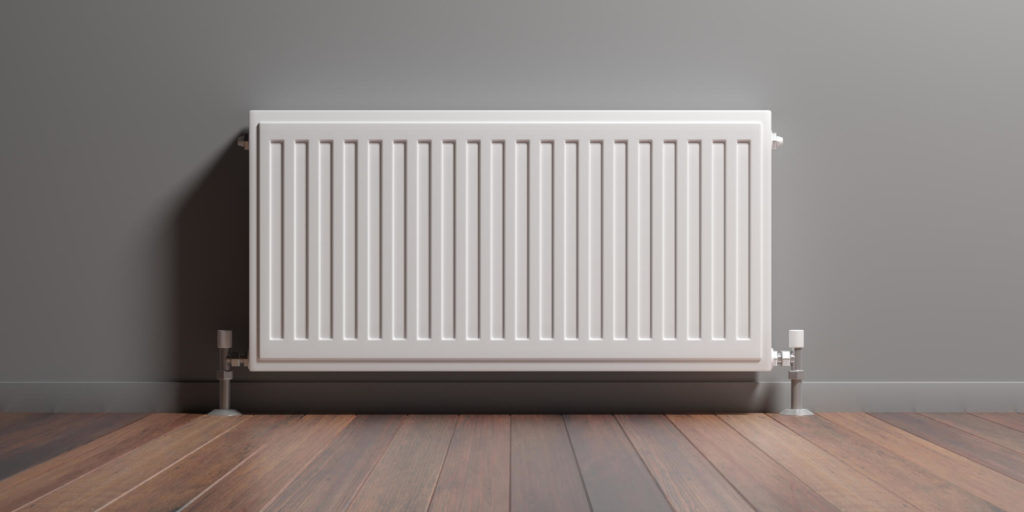
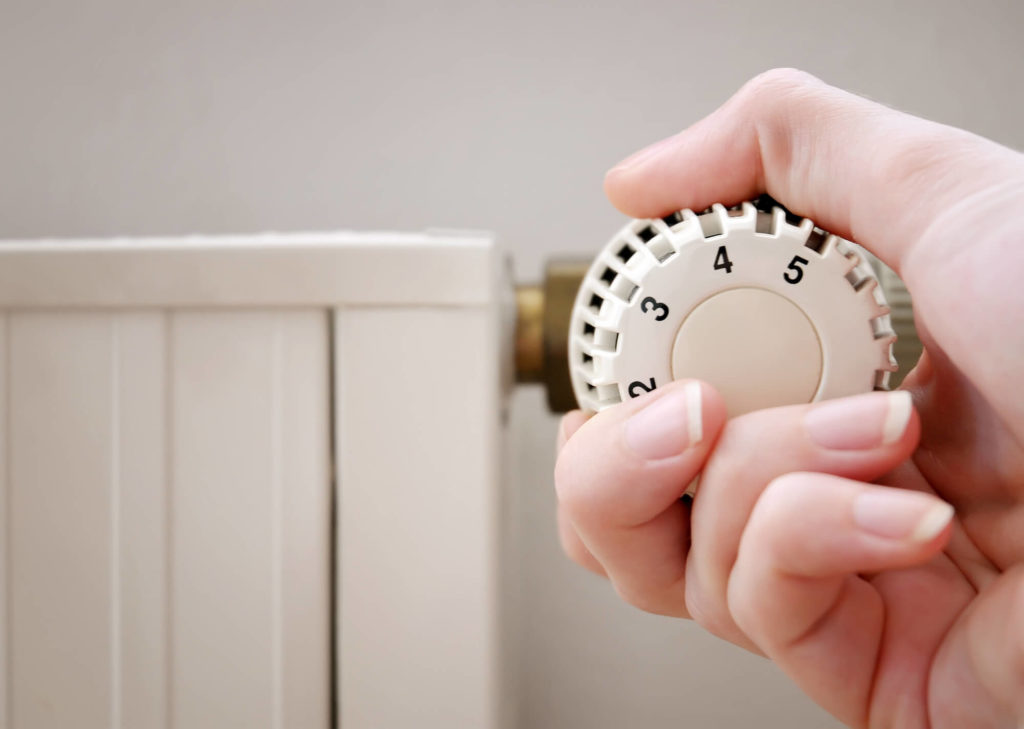
Most radiators have a valve at each end. One may be a thermostatic radiator valve, usually marked with numbers. The other may be a lockshield, often hidden under a plain plastic cap. Manual valves look simpler but still close in the same general way.
If you are isolating a radiator because of a leak, read this alongside our guide on fixing a leaking radiator. Isolation may stop the immediate water flow, but it does not repair the failed joint, valve or panel.
How To Isolate The Radiator
- Turn the heating off and allow the radiator to cool.
- Turn the thermostatic or manual valve clockwise until closed.
- Remove the lockshield cap if needed.
- Count and record the turns as you close the lockshield clockwise.
- Place towels below both valve unions.
- Open the bleed valve briefly to test whether pressure remains, then close it again.
Work slowly at each end of the radiator. If the valve turns easily and closes cleanly, that is a good sign. If the spindle feels gritty, the cap spins without moving the valve, or water appears around the spindle, do not keep tightening. Forcing the final quarter-turn can damage an old valve just when you need it to hold back system water.
TRVs, Lockshields And Manual Valves
The valve names matter because they change how you close and reopen the radiator. A thermostatic radiator valve, or TRV, controls room temperature and normally closes by turning the head down to zero or frost protection. A manual wheelhead valve closes like a tap. A lockshield valve is different: it is often partly closed already because it helps balance flow around the heating system.
When you close a lockshield, count the turns carefully and write them down. For example, if it takes one and a quarter turns to close, reopen it by the same amount when the job is finished. Opening every lockshield fully can make nearby radiators hot and distant radiators cooler, especially on older systems. If that happens, our guide to balancing radiators explains the wider fix.
Older TRVs can also be misleading. Turning the plastic head down may not fully close a worn valve body, and some TRV heads can be removed accidentally if handled roughly. If you are isolating the radiator for painting, cleaning or a quick valve inspection, that may not matter much. If you are about to loosen a union nut, it matters a lot. Test isolation before you rely on it.
Before Removing Or Repairing Anything
Isolation does not empty the radiator. If you loosen a valve union, water inside the radiator can still escape. Have a shallow tray, old towels and a container ready. Radiator water can stain carpets and walls, so do not rely on one small cloth.
If the plan is to remove the radiator, check our guide on how to replace a radiator before starting. Lifting a full radiator is awkward, and even small radiators can be heavier than expected.
Use a cautious pressure test before opening pipework. With both valves closed and towels in place, briefly open the bleed valve at the top of the radiator. A short hiss or dribble can be normal, but continuous flow suggests the radiator may not be isolated properly. Close the bleed valve again before loosening anything. If water keeps arriving under pressure, stop and reassess the valves rather than trying to catch it with towels.
For decorating jobs, isolation may be all you need; the radiator can often stay on the wall or be tilted very carefully if the valves are sound and the pipework allows it. For valve replacement, pipework changes or a radiator swap, isolation is only part of the preparation. You may need to drain the radiator, protect the wall, cap open pipework and plan how the system will refill without introducing air or leaks.
What Can Go Wrong
| Problem | What It Means | Best Response |
|---|---|---|
| Valve keeps weeping | Washer, packing gland or valve body may be worn | Stop and consider valve replacement |
| Lockshield seized | Old spindle or corrosion | Do not force it; use a plumber if needed |
| Radiator still heats | One valve has not closed fully | Recheck both valves and valve type |
| Boiler pressure drops | Water has been drained or leak remains | Find the cause before repressurising repeatedly |
Seized valves deserve patience. A small movement back and forth may help, but heavy force can snap a spindle or start a leak at the packing gland. If the valve body is green with corrosion, crusted around the joint or already damp, assume it may not survive being disturbed. Isolating a radiator is not worth turning a manageable job into a full drain-down.
System type also matters. On a sealed combi system, draining even one radiator can drop boiler pressure, so you may need to repressurise afterwards. On an older open-vented system, the feed tank can keep supplying water if valves do not seal properly. If you are unsure what type of system you have, keep the job conservative and avoid removing the radiator until you understand how the system will refill and vent.
After Reopening The Radiator
When the job is finished, reopen the valves slowly. Set the TRV or manual valve back to its normal position, then reopen the lockshield by the same number of turns you recorded earlier. Check both valve unions with dry tissue so small weeps are easy to spot. A joint can look dry at first and then show a bead of water once the system warms up.
Run the heating and feel the radiator from top to bottom. If the top stays cool, bleed the radiator carefully; our guide on how to bleed a radiator covers that process. On sealed systems, check boiler pressure after bleeding and top up only according to the boiler instructions. Repeated pressure loss means there is still a leak or trapped-air problem to solve, not just a pressure gauge to refill.
It is worth checking again the next day, especially if the radiator was removed or a valve was disturbed. Put a piece of dry kitchen roll under each valve overnight; even a slow weep will show clearly. Catching a small leak early protects flooring and avoids the temptation to keep topping up a sealed system without fixing the underlying problem.
Expert Insights From Our Heating Engineers
Our heating engineers treat radiator isolation as a small job that can become a messy one if rushed. The most common mistake is closing the visible valve but forgetting the lockshield, followed by loosening a nut before checking whether the old valve actually seals.
The second mistake is reopening the lockshield fully afterwards. That can disturb the balance of the heating system. Counting turns is a tiny step, but it can save a cold-room problem later. Our guide to balancing radiators explains why that position matters.
Summing Up
To isolate a radiator, turn off the heating, close both valves, count the lockshield turns and protect the floor before testing or loosening anything. The radiator will still contain water, so treat isolation as the first step in controlling the job, not as proof that nothing can spill.
Take extra care with old valves, TRVs that may not fully shut and lockshields that were set for system balance. Reopen the radiator methodically, check for weeps, bleed if needed and keep an eye on boiler pressure on sealed systems. If a valve is seized, corroded or unreliable, stopping early is usually cheaper than forcing it.
Frequently Asked Questions
Can I Isolate Just One Radiator?
Yes, most wet central heating radiators can be isolated by closing both valves on that radiator. One valve controls flow and the other controls return. Isolation does not always drain the radiator, and old valves may not seal perfectly, so protect the floor and test carefully before loosening anything.
Which Way Do I Turn A Radiator Valve To Isolate It?
Most radiator valves close clockwise and open anti-clockwise. A thermostatic radiator valve should be turned to zero or the frost setting if that is the fully closed position. A lockshield usually needs its cap removed before the spindle is turned clockwise with a spanner.
Should I Count Lockshield Valve Turns?
Yes, count how many turns it takes to close the lockshield and write the number down. That helps you reopen it to roughly the same balancing position afterwards. If you simply open it fully later, you may upset the radiator balance and make other rooms heat unevenly.
Can I Remove A Radiator After Isolating It?
You can remove a radiator after isolating both valves, but the radiator itself will still contain dirty system water unless it has been drained. Use towels, trays and proper grips, and be prepared for old valves to weep. If pipework needs altering, use a plumber.
What If The Radiator Valve Will Not Shut Off?
Do not force a stuck valve until it snaps or starts leaking. Try gentle movement only, and stop if the spindle feels seized, corroded or unstable. A valve that will not isolate properly may need replacement, and that can require draining part or all of the heating system.
Will Isolating A Radiator Affect Boiler Pressure?
Simply closing both radiator valves should not normally change boiler pressure much. Draining or removing the radiator can reduce pressure on a sealed system, so you may need to repressurise and bleed afterwards. If pressure drops unexpectedly, check for leaks before using the heating.
Updated