
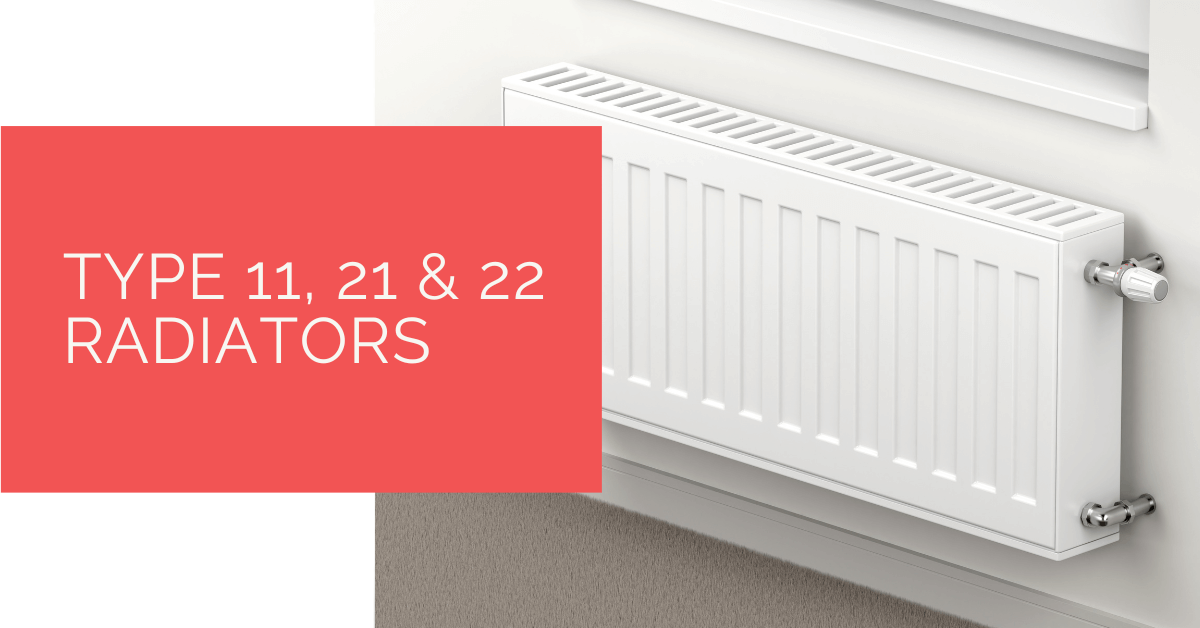
Type 11, Type 21 and Type 22 radiators are panel radiator configurations. The numbers tell you how many panels and convector fins the radiator has, which affects heat output, depth and suitability for different rooms.
The mistake is choosing by type alone. A Type 22 usually gives more heat than a similar-sized Type 11, but the right radiator still depends on room heat loss, available wall space, pipe positions and the heating system flow temperature.
Key Takeaways
- Type 11 usually means one panel and one convector.
- Type 21 usually means two panels and one convector.
- Type 22 usually means two panels and two convectors.
- More panels and fins usually mean more heat output and more depth.
- Always size radiators by heat output, not type name alone.
What The Type Numbers Mean
The first number generally describes the number of panels. The second describes the number of convector fin layers. A Type 11 has one panel and one fin layer. A Type 21 has two panels and one fin layer. A Type 22 has two panels and two fin layers.
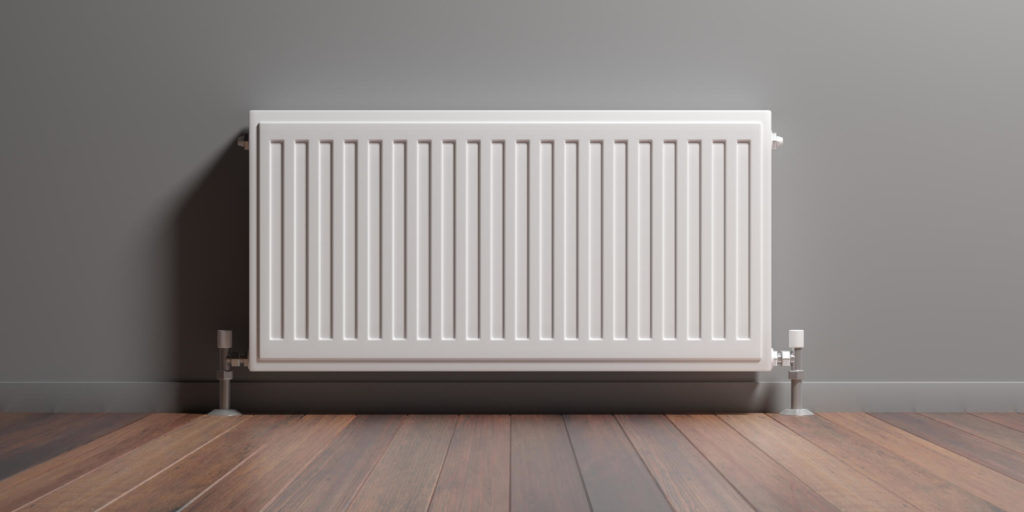
Convector fins increase surface area and help warm air circulate. That is why two radiators with similar front dimensions can produce different heat outputs.
Type 11 Vs Type 21 Vs Type 22
| Type | Typical Build | Best For | Trade-Off |
|---|---|---|---|
| Type 11 | Single panel, single convector | Small rooms and narrow spaces | Lower output |
| Type 21 | Double panel, single convector | Moderate rooms needing more heat | Deeper than Type 11 |
| Type 22 | Double panel, double convector | Larger or colder rooms | Bulkier projection from wall |
How To Choose The Right Type
Start with the room heat requirement in watts or BTU, then choose a radiator that delivers that output at your system temperature. A Type 22 can be useful where wall width is limited but more output is needed, because it adds depth instead of width.
If you need help with the heat requirement, use our guide on what size radiators you need. If you are replacing an existing unit, also check how to measure a radiator before ordering.
Low-Temperature Heating And Heat Pumps
Radiator type matters more when flow temperatures are lower. Heat pumps and condensing boilers often perform best with lower flow temperatures, which means radiators may need more surface area to deliver the same room heat. A Type 22 or larger radiator can sometimes help without taking up more wall width.
Do not assume every Type 22 is suitable for a heat pump. Check manufacturer output tables at the intended flow and return temperatures.
Expert Insights From Our Heating Engineers
Our engineers use type numbers as a shortcut for construction, not as a sizing method. The room does not care whether the radiator is called Type 21 or Type 22; it cares whether the emitter can deliver enough heat at the system temperature.
When replacing radiators, also check projection from the wall, pipe centres, bracket positions and furniture clearance. A deeper radiator may solve output but create layout problems if it sits behind a sofa or door swing.
Summing Up
Type 11, 21 and 22 radiators differ by panels, convector fins, depth and output. Use the type number to understand construction, then choose by heat output, room size, pipework and heating-system temperature.
Frequently Asked Questions
Is Type 22 Better Than Type 11?
Type 22 is not automatically better, but it usually produces more heat than a similar-sized Type 11 because it has more panels and convector fins. It is also deeper, so it may not suit tight spaces. The better choice is the one that meets the room heat requirement.
What Does Type 21 Radiator Mean?
A Type 21 radiator normally has two panels and one set of convector fins. It sits between Type 11 and Type 22 for heat output and depth, making it useful where a Type 11 is not powerful enough but a Type 22 is bulkier than needed.
Do Type 22 Radiators Cost More To Run?
A Type 22 does not inherently cost more to run. It provides more heat output when the system supplies it. If correctly sized, it may help a room heat at lower flow temperatures. Oversizing without good controls, however, can make rooms overheat.
Can I Replace A Type 11 With A Type 22?
Often yes, but check depth, brackets, pipe centres, valve alignment and heat output before buying. A Type 22 projects further from the wall and may need different brackets. Pipework may still align, but do not assume it without measuring.
Which Radiator Type Is Best For A Bedroom?
Bedrooms often need less output than living rooms, so Type 11 or Type 21 may be enough if the room is well insulated. A cold bedroom with external walls or poor glazing may need Type 22 or a wider radiator. Calculate heat loss before choosing.
Are Type 11, 21 And 22 Radiators Suitable For Heat Pumps?
They can be, but suitability depends on output at lower flow temperatures. Heat pumps often need larger emitters than traditional high-temperature boiler systems. Check radiator output tables for the planned temperatures rather than relying on type alone.
Updated