
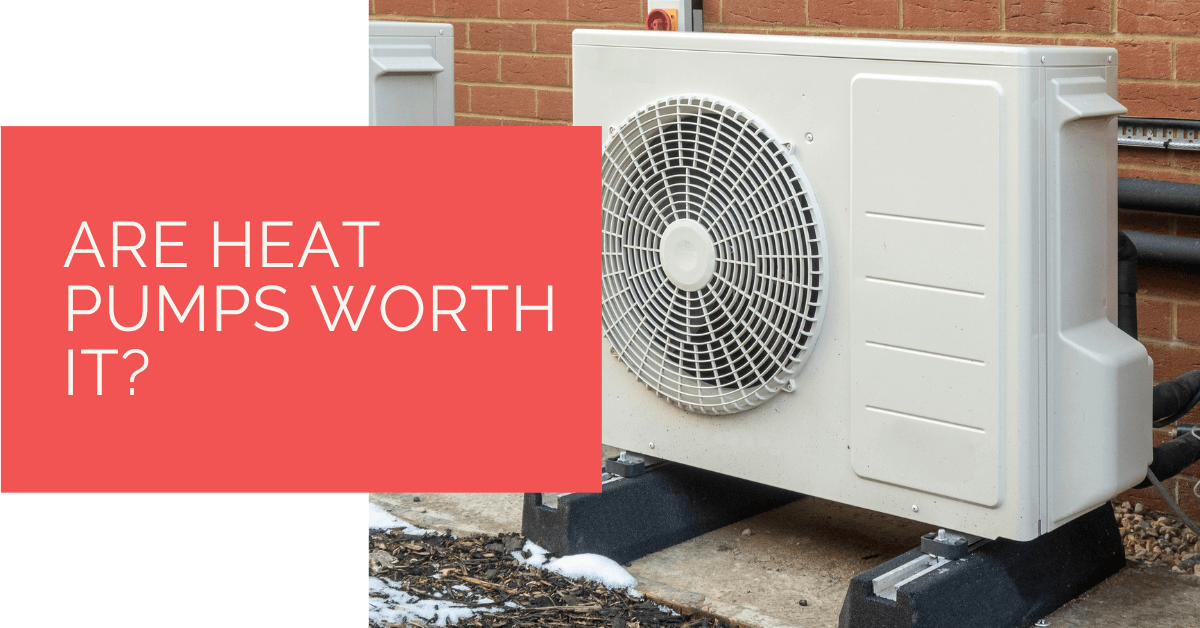
Heat pumps can be worth it, but the honest answer depends on the property, the installation and what you are comparing them with. A well-designed heat pump in a suitable home can be efficient, comfortable and lower carbon. A rushed installation in a leaky home with undersized radiators can disappoint.
This guide looks at the practical decision: cost, grants, running efficiency, radiator upgrades, insulation, noise, hot water and the situations where a heat pump may not be the best next step yet.
Contents
- 1 Key Takeaways
- 2 When Heat Pumps Are Worth It
- 3 When They May Not Be Worth It Yet
- 4 Cost, Grants and Running Costs
- 5 Comfort, Noise and Everyday Use
- 6 Suitability Matrix
- 7 Case Study: Deciding Whether a Heat Pump Was Worth It
- 8 Expert Insights from Our Heating Engineers About Heat Pump Value
- 9 Cost Scenarios by Property Type
- 10 What Competitors Often Miss
- 11 Frequently Asked Questions
- 11.1 Are Heat Pumps Worth It in the UK?
- 11.2 Will a Heat Pump Save Me Money?
- 11.3 Do Heat Pumps Work in Old Houses?
- 11.4 How Long Does a Heat Pump Last?
- 11.5 Are Heat Pumps Noisy?
- 11.6 Should I Get a Heat Pump Now or Wait?
- 11.7 What Is the Biggest Reason Heat Pumps Disappoint?
- 11.8 What Should a Good Heat Pump Quote Include?
- 12 Summing Up
Key Takeaways
- Heat pumps are most worth it when the home can run at sensible low flow temperatures.
- The £7,500 Boiler Upgrade Scheme grant can help, but it does not remove all project costs.
- Running costs depend on electricity tariffs, seasonal efficiency and heat demand.
- Radiators, cylinders, insulation and controls are often as important as the outdoor unit.
- A heat pump should be judged as a system, not an appliance swap.
When Heat Pumps Are Worth It
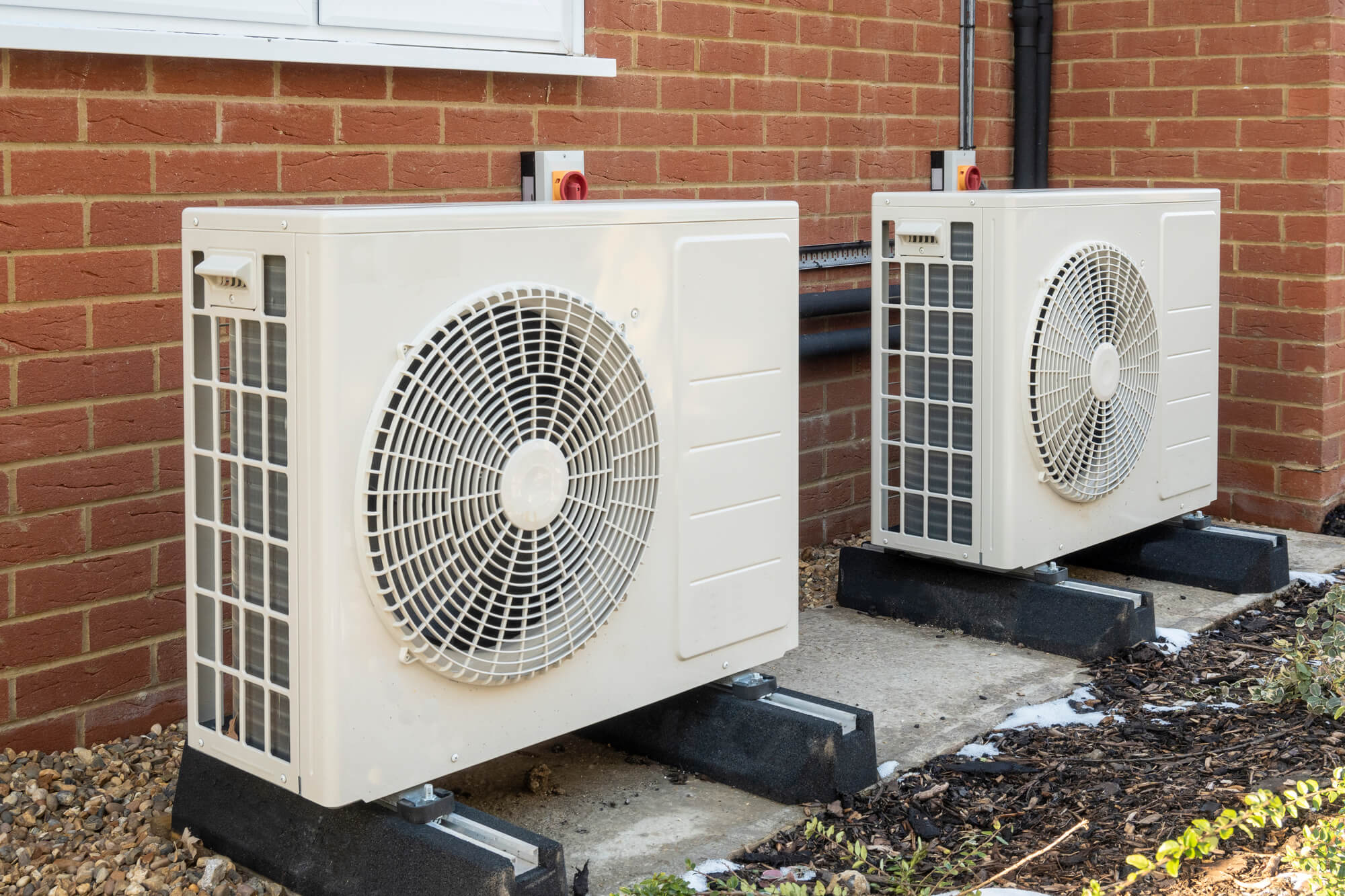
Heat pumps are most compelling when the property has reasonable insulation, enough emitter output and a household willing to run the heating steadily rather than in short hot bursts. They suit homes where the system can deliver comfort at lower flow temperatures, because that supports better efficiency.
They can also be worth it for households trying to move away from gas, oil or LPG. If you are comparing wider options, our gas boiler alternatives guide explains where heat pumps sit alongside direct electric heating, biomass and solar thermal.
When They May Not Be Worth It Yet
A heat pump may be the wrong immediate move if the home has major heat-loss problems, very limited outdoor space, no practical cylinder location or radiators that would need extensive upgrading. Those issues do not always rule out a heat pump, but they can change cost and disruption.
It is also worth being cautious if a quote ignores radiator output, hot-water demand or controls. A low quote can become expensive if important enabling work has been left out.
Cost, Grants and Running Costs
As of April 2026, Ofgem’s Boiler Upgrade Scheme guidance remains the official place to check eligibility and process details. The grant can reduce upfront cost, but it does not mean every property or installation is automatically suitable.
| Cost Factor | Why It Matters | What to Check |
|---|---|---|
| Heat pump unit | Main equipment cost | Correct sizing and warranty. |
| Radiator upgrades | Supports lower flow temperatures | Room-by-room output, not guesswork. |
| Hot-water cylinder | Affects showers and recovery time | Capacity, coil size and cupboard space. |
| Electrical work | May be needed for supply and controls | Consumer unit, isolator and cable routes. |
| Insulation | Reduces heat demand | Loft, draughts, walls and floors. |
Running cost depends on seasonal performance. A heat pump with a seasonal efficiency of 3 uses about one unit of electricity for three units of heat. That can be attractive, but the final bill still depends on the electricity tariff and how much heat the house needs.
Comfort, Noise and Everyday Use
A well-set heat pump often feels different from a boiler. Radiators may be warm rather than very hot, and the system may run for longer periods. That can produce steady comfort, but it requires good controls and realistic expectations.
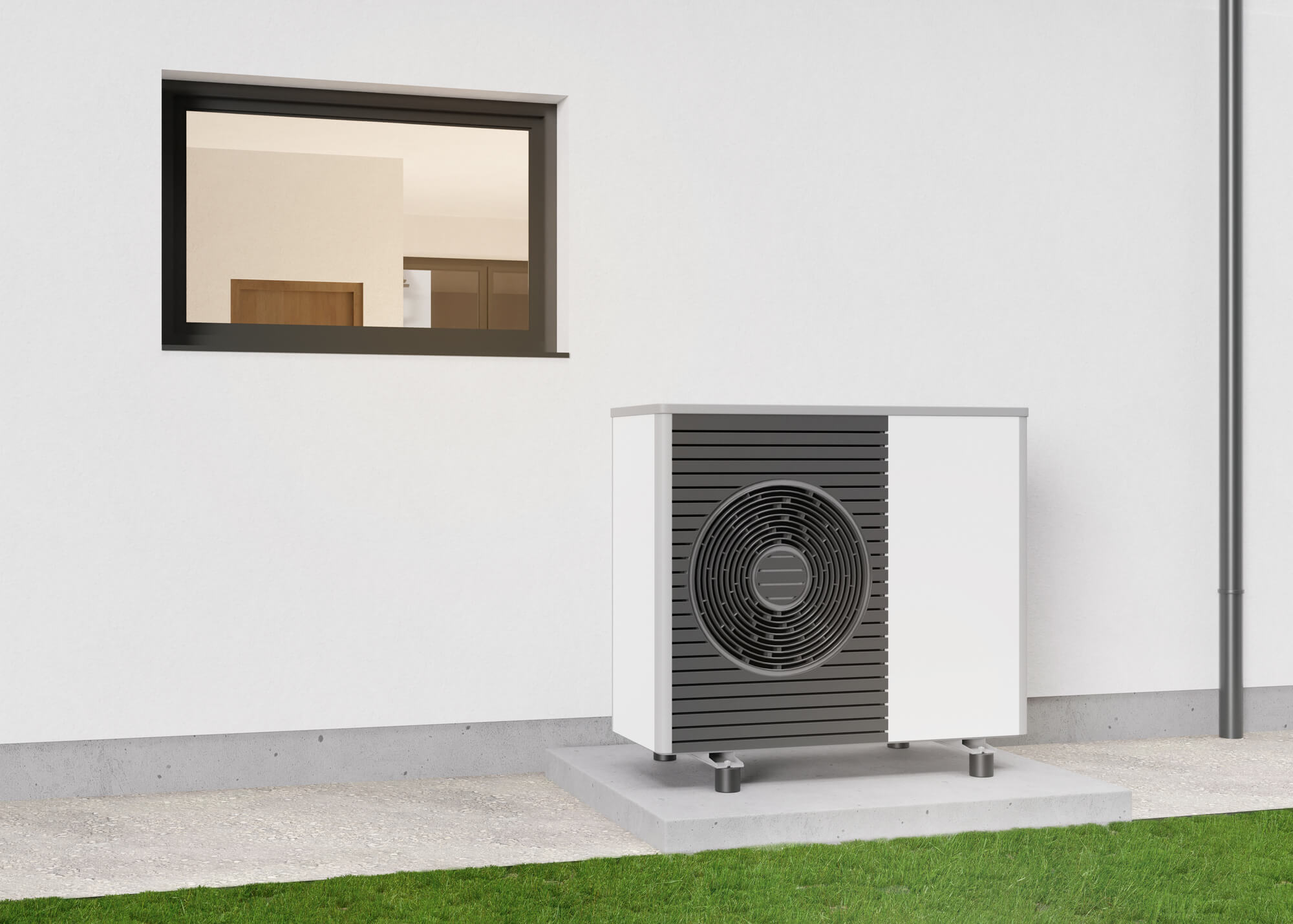
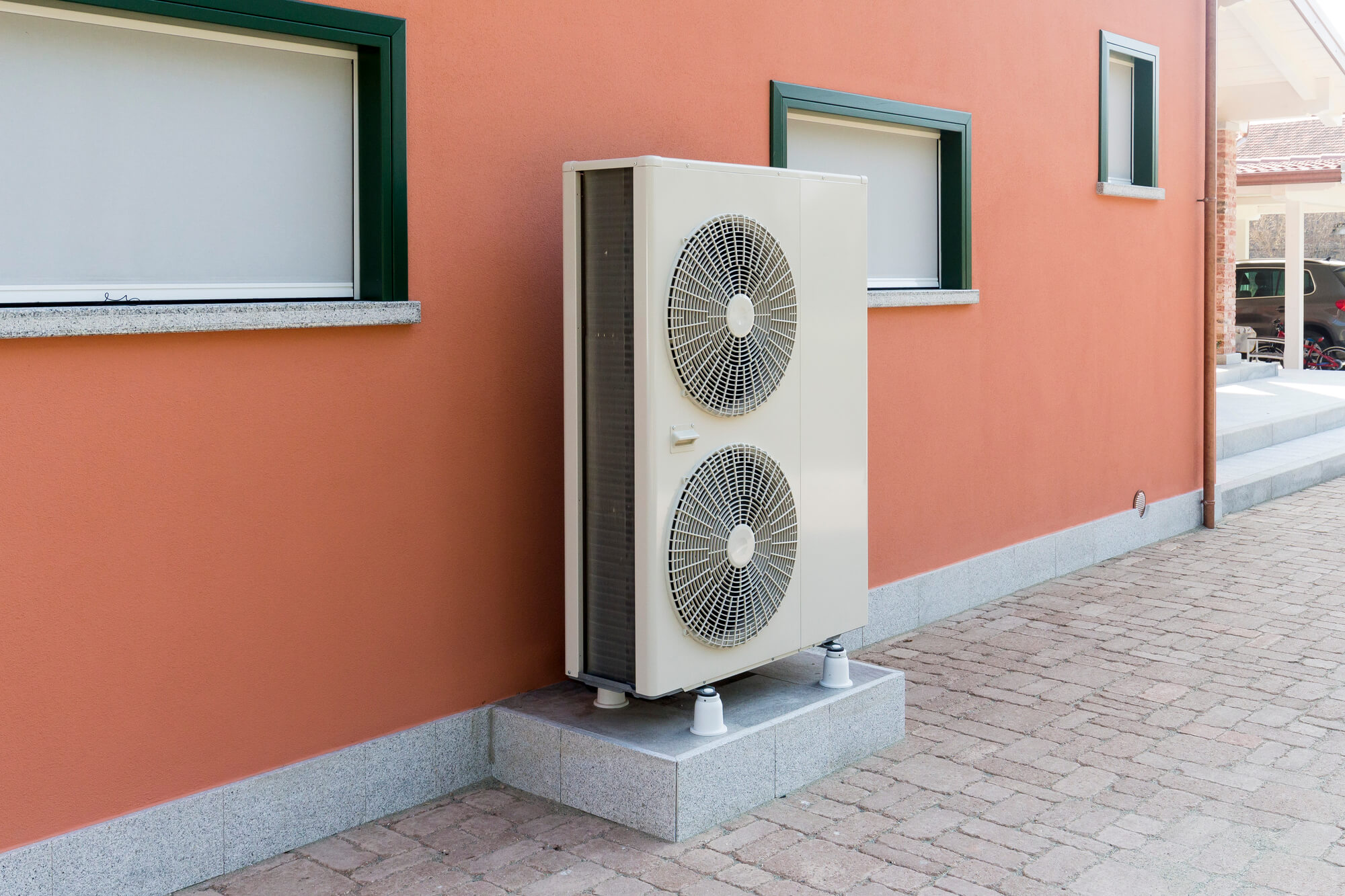
Noise is usually manageable with correct siting, but it should be considered before installation. Outdoor unit position, bedroom windows, neighbouring properties and reflective surfaces all matter. Do not leave placement as an afterthought.
Suitability Matrix
| Home Situation | Heat Pump Outlook | Reason |
|---|---|---|
| Well-insulated home with suitable radiators | Strong candidate | Lower heat demand and lower flow temperatures are realistic. |
| Older home with some upgrades needed | Possible with design work | Radiators, insulation and cylinder may need attention. |
| Small flat with no outdoor unit location | Difficult | Permissions, noise and space may block installation. |
| Rural oil or LPG property | Often worth exploring | Higher existing fuel cost may improve the case. |
| Home needing major fabric repairs | Wait or phase works | Fix heat loss before final sizing where possible. |
Case Study: Deciding Whether a Heat Pump Was Worth It
A family in a 1980s detached home wanted to replace an ageing gas boiler and were attracted by the grant. The first quote suggested a straightforward air source heat pump installation, but it did not include radiator upgrades or a detailed hot-water assessment.
A second survey found that three rooms would struggle at lower flow temperatures and that the cylinder needed replacing. That increased the project cost, but it also made the design more credible. The family compared the revised quote with keeping gas, improving insulation first and waiting a few years.
They chose to proceed after topping up loft insulation and replacing the weakest radiators. They also accepted that the system would run differently from the boiler, with steadier heating and lower radiator temperatures.
The heat pump was worth it for them because the grant, long-term plans and property suitability lined up. The lesson is that the answer was not yes because heat pumps are always worth it. It was yes because the design issues were found and solved before installation.
The decisive factor was not the headline efficiency figure. It was the quality of the design. The quote that included heat-loss calculations, radiator notes and a clear hot-water plan gave the homeowner far more confidence than the cheaper quote with little explanation.
They also compared the heat pump against the realistic cost of replacing the ageing boiler within a few years. That made the grant, system upgrades and lower-carbon heating feel like part of one decision rather than an isolated expense.
Expert Insights from Our Heating Engineers About Heat Pump Value
One of our senior heating engineers with over 18 years of experience says: “The value of a heat pump is decided in the design stage. If heat loss, emitters and hot water are handled properly, the customer has a fair chance of getting the comfort and efficiency they expect.”
If you are still learning the basics, start with our what are heat pumps guide before comparing quotes. Understanding the system makes it much easier to spot weak proposals.
Worked Example: The Same Heat Pump in Two Different Homes
Imagine two homes considering the same air source heat pump. The first is a reasonably insulated semi-detached house with several radiators already large enough for lower-temperature heating. The second is a draughty detached house with small single-panel radiators and high hot-water use.
The heat pump itself may be identical, but the results will not be. The first home may need a modest number of upgrades and achieve good seasonal efficiency. The second may need insulation, radiator upgrades, a new cylinder and more careful controls before the heat pump performs well. In the second home, the heat pump might still be worth it, but the true project is larger than the outdoor unit.
| Decision Area | Good Sign | Warning Sign |
|---|---|---|
| Heat loss | Rooms hold heat for a reasonable time. | Rooms cool quickly after heating switches off. |
| Emitters | Radiators are generously sized or underfloor heating exists. | Small radiators need very hot water to work. |
| Hot water | Cylinder space and demand are manageable. | High shower use and no cylinder space. |
| Budget | Quote includes enabling works clearly. | Quote looks cheap but excludes key upgrades. |
| Expectations | Household accepts steady heating. | Household expects instant boiler-style heat blasts. |
Questions to Ask Before Accepting a Quote
Ask for the room-by-room heat loss, not just the property floor area. Ask which radiators will be changed and why. Ask what flow temperature the system is being designed around. Ask how hot water will be handled on busy mornings. These questions are not technical nit-picking. They decide whether the system will feel comfortable and efficient.
It is also worth asking what has been excluded. Electrical upgrades, condensate routes, cylinder changes, scaffolding, radiator replacements and control wiring can all affect the final cost. A clear quote may look higher at first, but it is often more useful than a low quote that leaves important work vague.
Maintenance and Long-Term Value
A heat pump needs maintenance, but the bigger long-term value often comes from the system around it. Good controls, clean filters, correct pressure, clear airflow around the outdoor unit and sensible user settings all help performance. If the house changes, such as an extension or new hot-water demand, the heating design may need to be reviewed.
Resale value is harder to predict. Some buyers will value low-carbon heating and lower fossil-fuel reliance. Others may worry about unfamiliar technology. Clear paperwork, service records and a well-designed installation make the system easier to understand when the property is sold.
What Makes a Heat Pump Quote Trustworthy?
A good quote should make the design assumptions visible. It should not simply list a model number and a price. Look for room heat-loss figures, proposed flow temperature, radiator changes, cylinder details, controls, outdoor unit location, electrical work and what is excluded.
Ask how the installer has accounted for cold weather and hot-water demand. Ask whether the system is being designed for efficiency or just to hit the required output at high flow temperatures. If the quote avoids these details, it is difficult to judge whether the heat pump will be worth it.
Pros and Cons in Plain English
| Benefit | Reality Check |
|---|---|
| Lower-carbon heating | Strong potential, but only with good design and suitable operation. |
| Grant support | Helpful, but it does not cover every project cost. |
| Steady comfort | Works well for many homes, but feels different from boiler heat. |
| Potential running-cost savings | Depends on tariff, COP, insulation and usage. |
| Future-proofing | Useful if moving away from fossil fuels is a priority. |
The main drawback is not the technology itself. It is mismatch: the wrong property condition, the wrong emitter design, the wrong controls or the wrong expectations. When those are handled properly, the value case becomes much stronger.
Final Sense Check Before You Decide
A heat pump is more likely to be worth it if you plan to stay in the property, want to move away from fossil fuels and are willing to deal with the supporting work properly. It is less likely to feel worthwhile if the home needs major fabric repairs and the quote ignores them.
Do not judge the decision only by the outdoor unit price. Judge the whole heating design: heat loss, emitters, cylinder, controls, electricity tariff, grant position and aftercare. That is the package you will live with.
For many households, the most useful next step is not choosing a brand. It is getting a proper assessment and comparing a realistic heat pump design with the cost of keeping or replacing the existing heating system.
That comparison should include comfort, disruption and future plans, not only first cost. A slightly higher quote can be better value if it includes the work needed for the system to perform properly.
Cost Scenarios by Property Type
A modern, well-insulated home with underfloor heating or generously sized radiators is usually the easiest case for a heat pump. The system can run at lower flow temperatures, comfort is easier to maintain and the running-cost comparison against gas becomes more favourable. In that situation, the decision often comes down to installation cost, grant availability and how long you expect to stay in the property.
An older solid-wall house can still be suitable, but the answer is less automatic. The design may need larger radiators, better controls, insulation work or a more detailed hot-water plan. That does not mean a heat pump is a bad idea. It means the economics should be judged against the full upgrade path, not just the price of swapping one heat source for another.
Flats, small terraces and homes with limited outdoor space need a different assessment again. Noise placement, planning constraints, cylinder space and leasehold rules may matter more than the heat pump itself. A good quote should explain these constraints clearly rather than hiding them behind a single headline price.
What Competitors Often Miss
The biggest mistake is treating heat pumps as a simple product purchase. They are closer to a heating-system redesign. The appliance matters, but so do heat loss, emitter sizing, pipework, controls, commissioning and how the household uses hot water.
It is also worth looking beyond year-one savings. If your boiler is near the end of its life, the fair comparison is not heat pump installation versus doing nothing. It is heat pump installation versus the cost of replacing the boiler, maintaining a gas supply and potentially upgrading the home later anyway. That wider view usually gives a more honest answer.
Frequently Asked Questions
Are Heat Pumps Worth It in the UK?
They can be, especially in suitable homes with good design and access to grant support. The UK climate is not the main barrier. The bigger issues are heat loss, radiator sizing, hot-water design, electricity tariffs and installation quality.
Will a Heat Pump Save Me Money?
It might, but savings are not guaranteed. A heat pump can be efficient, but electricity is usually more expensive per kWh than gas. The system needs a good seasonal efficiency and the home needs manageable heat demand for running costs to look attractive.
Do Heat Pumps Work in Old Houses?
Yes, but older homes often need more assessment. Insulation, draughts, radiator output and pipework should be checked. Some older homes are good candidates after sensible upgrades, while others should deal with heat loss before installing a heat pump.
How Long Does a Heat Pump Last?
Many heat pumps can last well over a decade with proper installation and maintenance, but lifespan depends on model quality, workload, servicing and exposure. The outdoor unit is only one part of the system; cylinders, controls and emitters also matter.
Are Heat Pumps Noisy?
They make noise, mainly from the fan and compressor, but correct siting usually keeps it manageable. Noise should be assessed before installation, especially near bedrooms, boundaries and hard surfaces that may reflect sound.
Should I Get a Heat Pump Now or Wait?
If your boiler is failing and the home is suitable, it may be worth acting now. If the house needs major insulation or radiator work, it may be better to plan upgrades first. A proper survey should make the timing clearer.
What Is the Biggest Reason Heat Pumps Disappoint?
The biggest reason is usually poor system design rather than the technology itself. Undersized radiators, high flow temperatures, weak hot-water planning, poor controls and unrealistic user expectations can all make a heat pump feel expensive or uncomfortable. A careful survey reduces that risk.
What Should a Good Heat Pump Quote Include?
A strong quote should include a room-by-room heat-loss calculation, proposed flow temperature, radiator or underfloor heating notes, hot-water cylinder details, outdoor unit location, noise considerations, controls, warranty, grant assumptions and any extras not included in the price. If the quote is vague, ask for the design basis before comparing costs.
Summing Up
Heat pumps are worth it when the property, budget and design line up. They are not a universal drop-in replacement for every boiler, but they can be an excellent long-term heating choice when the supporting system is right.
Updated