
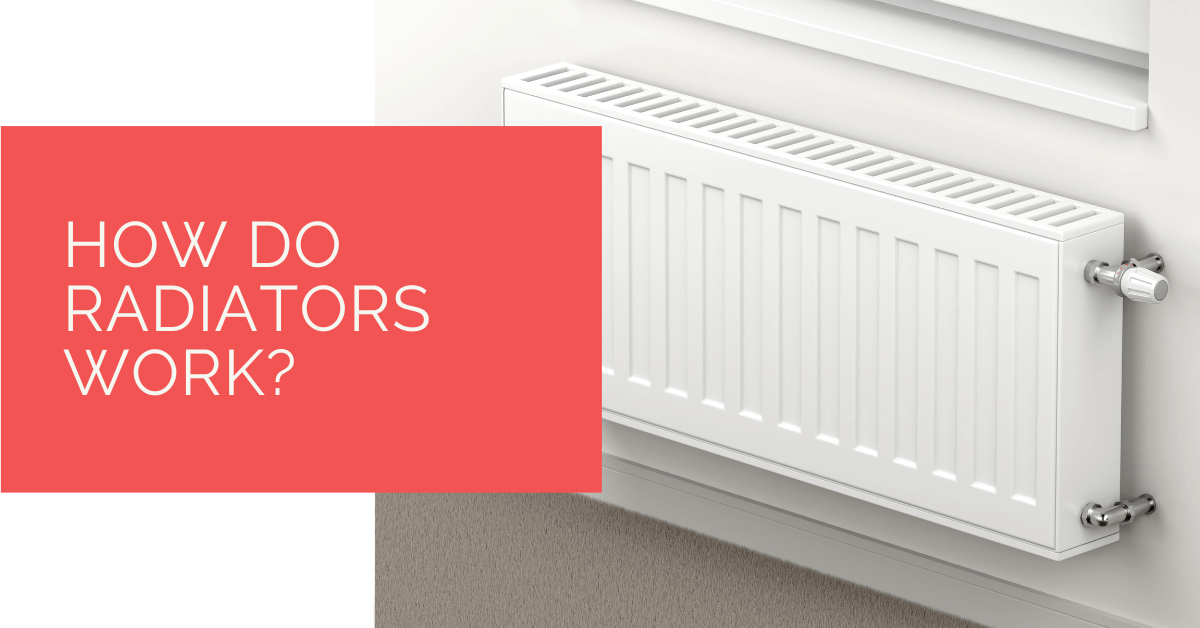
Radiators heat a room by transferring heat from hot water into the metal body of the radiator, then into the surrounding air and nearby surfaces. The boiler or heat pump heats the water, a pump moves it around the pipework, and each radiator releases part of that heat into the room before the cooler water returns to be reheated.
That sounds simple, but radiator performance depends on more than whether the radiator feels hot. Water flow, trapped air, sludge, radiator size, valve settings, room heat loss and system temperature all affect how well a room warms up. This guide explains how radiators work and how to read the common signs when they do not.
Key Takeaways
- Most central heating radiators use hot water from a boiler or heat pump to warm the radiator body.
- Radiators heat rooms through a mix of convection and radiant heat, despite the name.
- TRVs control room temperature, while lockshield valves help balance water flow across the system.
- Cold spots can point to trapped air, sludge, poor balancing, pump issues or undersized radiators.
- Radiator output depends on size, design and flow temperature, which is especially important for heat pumps.
How A Central Heating Radiator Heats A Room
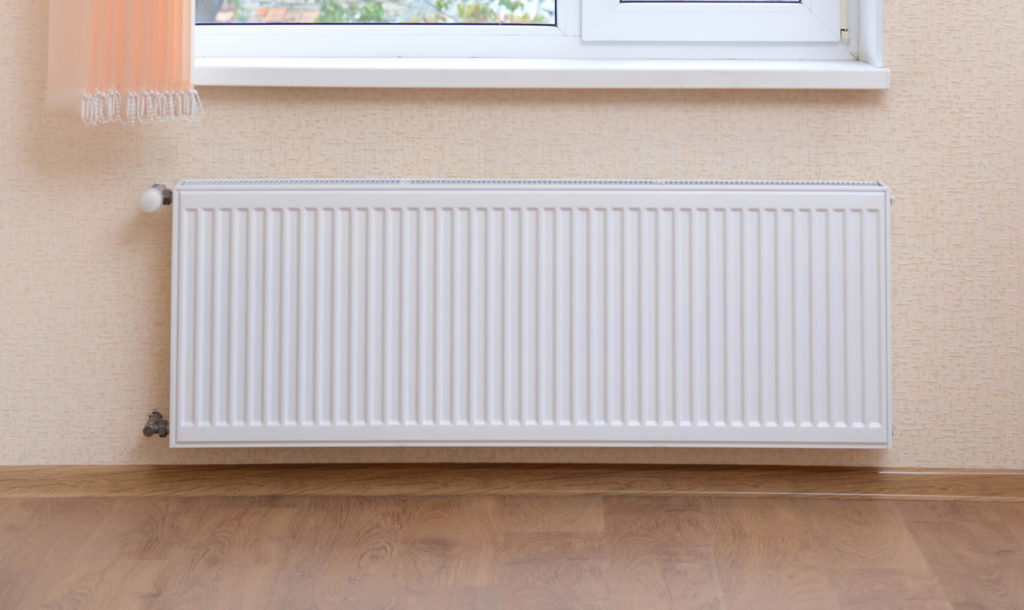
In a typical wet central heating system, hot water enters the radiator through one valve, passes through the radiator’s waterways and leaves through the valve at the other end. As the water moves through the radiator, heat transfers into the metal.
The metal radiator then warms the room in two ways. It warms air that passes over its surface, creating convection currents, and it emits some radiant warmth to nearby surfaces and people. Panel radiators with convector fins are designed to increase the surface area so more heat can pass into the room.
The water does not stay in the radiator. It returns to the boiler or heat pump cooler than when it arrived. The heat source reheats it and the pump keeps circulation going around the system.
Convection Vs Radiant Heat
Radiators are not purely radiant heaters. A large part of their output comes from convection. Cool room air enters near the bottom of the radiator, warms as it passes the hot metal and rises into the room. Cooler air then moves in to replace it, creating a circulation pattern.
Radiant heat still matters. If you sit close to a warm radiator, you can feel direct warmth from the surface. However, most domestic radiators rely heavily on warming and moving air around the room.
This is why blocking a radiator with a sofa, bed, long curtains or cabinet can make a room feel cold. The radiator may be hot, but the heat cannot circulate properly.
How Water Moves Through The System
Modern central heating systems usually use a pump to move water through multiple radiator circuits. The exact pipework layout varies. Some systems use two-pipe arrangements where each radiator connects to flow and return pipework. Older or unusual systems may behave differently.
Because water takes the easiest path, radiators near the pump or boiler can sometimes heat faster than distant ones. Balancing adjusts resistance at each radiator so the right amount of water reaches every part of the system.
If one radiator stays cold while others heat normally, the cause could be a closed valve, trapped air, sludge, a stuck TRV pin, poor balancing or a pipework issue. The pattern of the cold spot matters.
What TRVs And Lockshield Valves Do
Most radiators have two valves. One may be a manual valve or thermostatic radiator valve, usually used by the homeowner. The other is often a lockshield valve, which is normally set during balancing and then left alone.
A thermostatic radiator valve, or TRV, senses air temperature around the valve head. When the room is warm enough, it reduces flow through the radiator. When the room cools, it opens again. TRVs help avoid overheating rooms that need less heat.
The lockshield valve controls flow for balancing. It is not meant to be used as a daily on/off control. If lockshield settings are changed randomly, some radiators may steal too much flow while others become slow or cold.
Why Radiator Balancing Matters
Balancing makes sure hot water is shared properly across the system. Without balancing, the closest or easiest radiators may heat quickly while distant radiators lag behind.
Balancing is done by adjusting lockshield valves so each radiator receives enough water flow to release the right amount of heat. Engineers often measure temperature differences between flow and return pipes to set the system more accurately.
If your home has radiators that only heat when other radiators are turned off, balancing should be considered. It may also be needed after radiator replacements, pipework changes or pump adjustments.
Radiator Heat Output And Sizing
Radiator output is usually shown in BTU or watts. The right output depends on the room’s heat loss, not just the radiator’s physical size. External walls, insulation, glazing, ceiling height and desired room temperature all matter.
Panel type affects output. A single-panel radiator gives less heat than a double-panel convector of the same width and height. Tall vertical radiators can work well, but their output still needs checking rather than assuming height equals power.
Our guide to what size radiators you need explains the sizing process in more detail.
Common Radiator Symptoms And What They Mean
| Symptom | Likely Cause | What To Consider |
|---|---|---|
| Cold at the top | Trapped air | Bleeding may help, but pressure may need checking afterwards |
| Cold at the bottom | Sludge or poor flow | May need system cleaning or engineer assessment |
| One radiator cold | Valve, air, balancing or blockage | Check valve position and whether other radiators heat normally |
| All radiators lukewarm | Flow temperature, boiler, pump or controls | Check system settings and whether hot water priority is active |
| Noisy radiator | Air, flow speed or pipe movement | May need bleeding, balancing or pump-speed adjustment |
Bleeding a radiator can solve trapped air, but it is not a cure for every cold radiator. If cold spots return quickly, pressure keeps dropping or multiple radiators are affected, a heating engineer should investigate the wider system.
How Radiators Work With Heat Pumps
Radiators can work with heat pumps, but the design is different from many traditional boiler systems. Heat pumps usually perform best at lower flow temperatures, so radiators need enough surface area to heat the room with cooler water.
This does not always mean every radiator must be replaced. Some existing radiators are large enough. Others may need upgrading, especially in high heat-loss rooms. Our guide to heat pumps in winter explains why emitter sizing is so important for comfort and efficiency.
If you are planning a heat pump, ask for room-by-room heat loss calculations and radiator output checks at the proposed flow temperature. Brochure BTU figures based on high-temperature boiler operation may not tell the full story.
Practical Ways To Improve Radiator Performance
Keep radiators clear. Leave space around them so air can circulate. Avoid tucking long curtains over the front or pushing sofas hard against them.
Use TRVs sensibly. Set bedrooms and occasional rooms lower than main living areas, but do not shut off so many radiators that the system struggles to circulate. Make sure the main thermostat is not in a room where the radiator is turned off or heavily restricted.
If radiators are slow, noisy or uneven, check simple causes first: valves open, air bled, boiler pressure normal and programmer set correctly. Persistent problems deserve a system check rather than repeated guesswork.
Case Study: One Cold Bedroom Radiator
Background
A homeowner had a bedroom radiator that stayed lukewarm while the living room radiators became very hot.
Project Overview
The engineer checked the TRV, lockshield valve, air, pump setting and flow temperature. The radiator itself was not faulty.
Implementation
The system was balanced so nearby radiators did not take too much flow. The bedroom radiator was also bled and the pressure reset.
Results
The radiator heated more evenly. The issue was not the radiator design, but poor distribution of water around the system.
Expert Insights From Our Heating Engineers
One of our senior heating engineers with over 20 years of experience says a radiator is only the visible end of a system. If a radiator performs badly, the cause may be in the valves, pipework, pump, controls, water quality or heat source.
He recommends looking at patterns. A cold top is different from a cold bottom. One poor radiator is different from a whole system struggling. Good diagnosis starts with the symptom, not with replacing parts at random.
Frequently Asked Questions
Do Radiators Use Convection Or Radiation?
They use both. Most domestic radiators heat a room mainly by convection, as air warms and rises around the radiator. They also give off some radiant heat directly from the warm surface.
Why Is My Radiator Cold At The Top?
A radiator that is cold at the top often has trapped air inside. Bleeding the radiator may solve it, but check system pressure afterwards. If air keeps returning, the wider system may need attention.
Why Is My Radiator Cold At The Bottom?
Cold areas at the bottom can indicate sludge, debris or poor water flow. Bleeding usually will not fix this. The system may need cleaning, balancing or inspection by a heating engineer.
What Does A TRV Do?
A thermostatic radiator valve controls flow through the radiator based on room temperature near the valve. It helps prevent overheating and allows different rooms to run at different temperatures.
What Does A Lockshield Valve Do?
A lockshield valve is used to balance the heating system by controlling how much water flows through each radiator. It is normally adjusted during setup and then left alone.
Do Bigger Radiators Give More Heat?
Usually, a radiator with more surface area or more panels can give more heat, but output depends on design and water temperature too. Always compare watt or BTU ratings at the relevant system temperature.
Do Radiators Work With Heat Pumps?
Yes, but they may need to be larger or higher-output because heat pumps often run at lower flow temperatures. The installer should check each room’s heat loss and radiator output before specifying the system.
Should Radiators Be Balanced?
Yes. Balancing helps hot water reach all radiators properly. It is especially useful if some radiators heat quickly while others remain cool or slow to warm up.
Summing Up
Radiators work by transferring heat from circulating hot water into the radiator body, then into the room through convection and radiant warmth. Their performance depends on water flow, controls, sizing and the condition of the whole heating system.
If a radiator is not heating properly, treat it as a symptom. Air, sludge, balancing, valve faults, undersizing and low flow temperature can all produce different problems. Understanding the pattern helps you decide whether it is a simple adjustment or a job for a heating engineer.
Updated