
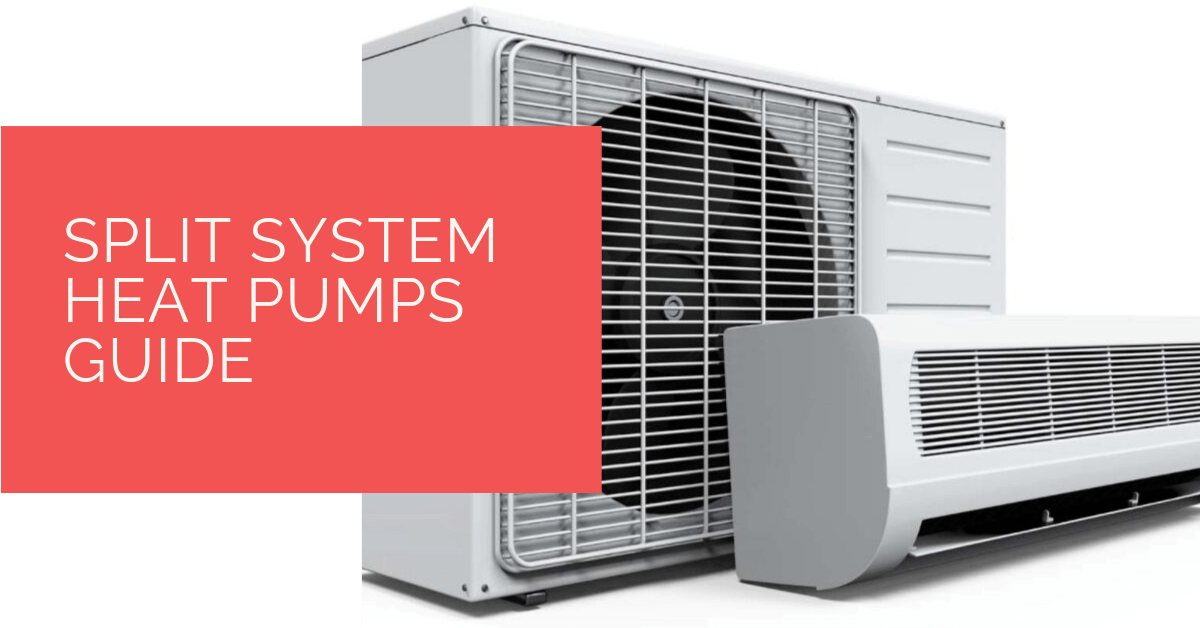
A split system heat pump uses separate indoor and outdoor units connected by refrigerant pipework. That sounds simple, but the term is often confused with mini-split air conditioning and with standard air-to-water heat pumps used for radiators and hot water.
For UK homeowners, the useful comparison is usually split versus monobloc for air-to-water heating, and ductless mini-split versus wet central heating for room-by-room heating and cooling.
Key Takeaways
- A split heat pump has indoor and outdoor refrigerant components.
- Monobloc heat pumps keep the refrigerant circuit mainly outdoors.
- Mini-splits are usually air-to-air systems for room heating and cooling.
- Split systems can be efficient but installation is more specialist.
- Choose based on property, hot water needs, emitters, space and installer capability.
What A Split System Heat Pump Is
In a split air-to-water heat pump, the outdoor unit extracts heat from outside air and the indoor unit transfers that heat into the wet heating and hot-water system. Refrigerant pipework connects the two units, so installation requires the right qualifications and commissioning.
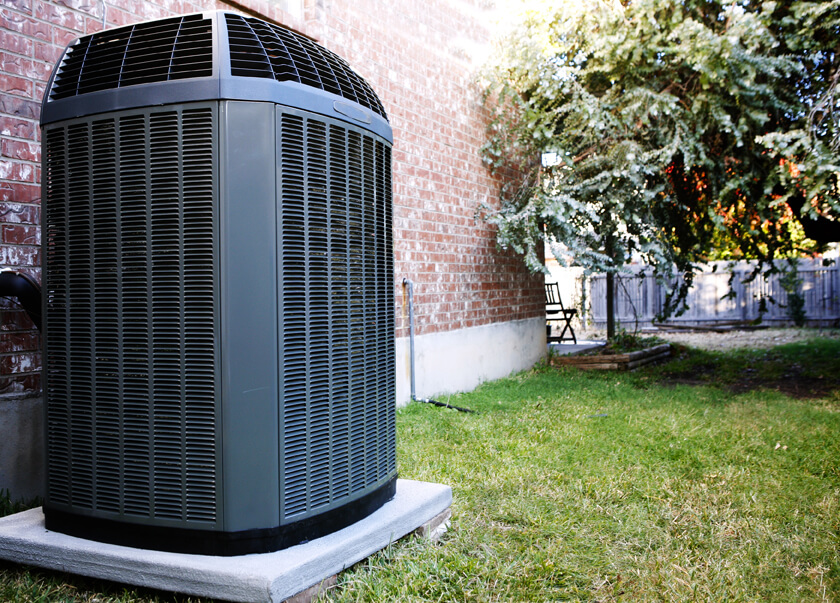
This differs from a monobloc heat pump, where the main refrigerant circuit is contained in the outdoor unit and water pipework runs into the property. It also differs from an air-to-air mini-split, which heats or cools rooms directly through indoor fan units.
Split Vs Monobloc Vs Mini-Split
| System | What It Does | Main Consideration |
|---|---|---|
| Split air-to-water | Heating and hot water through wet system | Specialist refrigerant installation |
| Monobloc air-to-water | Heating and hot water through wet system | External water pipework and freeze protection |
| Air-to-air mini-split | Room heating and cooling | Usually does not provide domestic hot water |
Benefits And Trade-Offs
Split systems can offer flexible placement, reduced freeze risk in external water pipework and strong performance when designed well. The trade-off is installation complexity: refrigerant handling, indoor unit space, manufacturer requirements and servicing all matter.

If you are still comparing heat pump types, our main heat pumps guide and air source heat pump explainer are useful background.
Installation And Suitability
A good installer will assess heat loss, radiator or underfloor heating output, cylinder space, outdoor unit location, noise, pipe routes and controls. The system should be designed around lower flow temperatures where possible, because that is where heat pumps tend to perform best.
Check whether the installer and product route meet current grant or certification requirements. For many UK heat pump projects, MCS certification and the Boiler Upgrade Scheme may be relevant, depending on eligibility and current rules.
Expert Insights From Our Heating Engineers
Our engineers caution against choosing split or monobloc from a brochure alone. The better system is the one that suits the property layout, pipe route, heat emitters, hot-water demand and local installation skills.
Performance depends less on the label and more on design: heat loss, emitter sizing, commissioning, controls and homeowner handover. A poorly designed split system will not outperform a well-designed monobloc just because it sounds more advanced.
Summing Up
A split system heat pump separates indoor and outdoor components and can be a strong option where the design and installer expertise fit. Compare it with monobloc and air-to-air mini-split systems based on heating, hot water, cooling needs and installation constraints.
Frequently Asked Questions
Is A Split Heat Pump The Same As A Mini-Split?
Not always. A mini-split usually means an air-to-air heat pump or air conditioner serving one or more rooms. A split air-to-water heat pump connects outdoor and indoor units to heat water for radiators, underfloor heating and domestic hot water.
Is Split Better Than Monobloc?
Split is not automatically better. It can offer placement and freeze-protection advantages, but it is more specialist to install. Monobloc units are common in the UK and can work very well when designed correctly. Property layout and installer competence should decide the choice.
Can A Split Heat Pump Heat Radiators?
A split air-to-water heat pump can heat radiators if the system is designed for suitable flow temperatures and heat output. Existing radiators may need upgrading in some rooms. A heat-loss calculation should confirm whether the emitters are large enough.
Can Split Heat Pumps Provide Cooling?
Some split systems can provide cooling, but the delivery method matters. Air-to-air mini-splits cool rooms directly. Air-to-water systems may need fan coils or suitable underfloor design, and ordinary radiators are generally not a practical cooling emitter.
Do Split Heat Pumps Need More Maintenance?
They may require more specialist servicing because refrigerant pipework connects indoor and outdoor units. Maintenance needs vary by manufacturer and installation. Filters, pressure, controls and system water quality still matter alongside heat pump checks.
Are Split Heat Pumps Eligible For Grants?
Eligibility depends on current scheme rules, property type, installer certification and system type. In the UK, check the Boiler Upgrade Scheme and MCS requirements before assuming any grant applies. Rules can change, so confirm before signing a contract.
Updated