
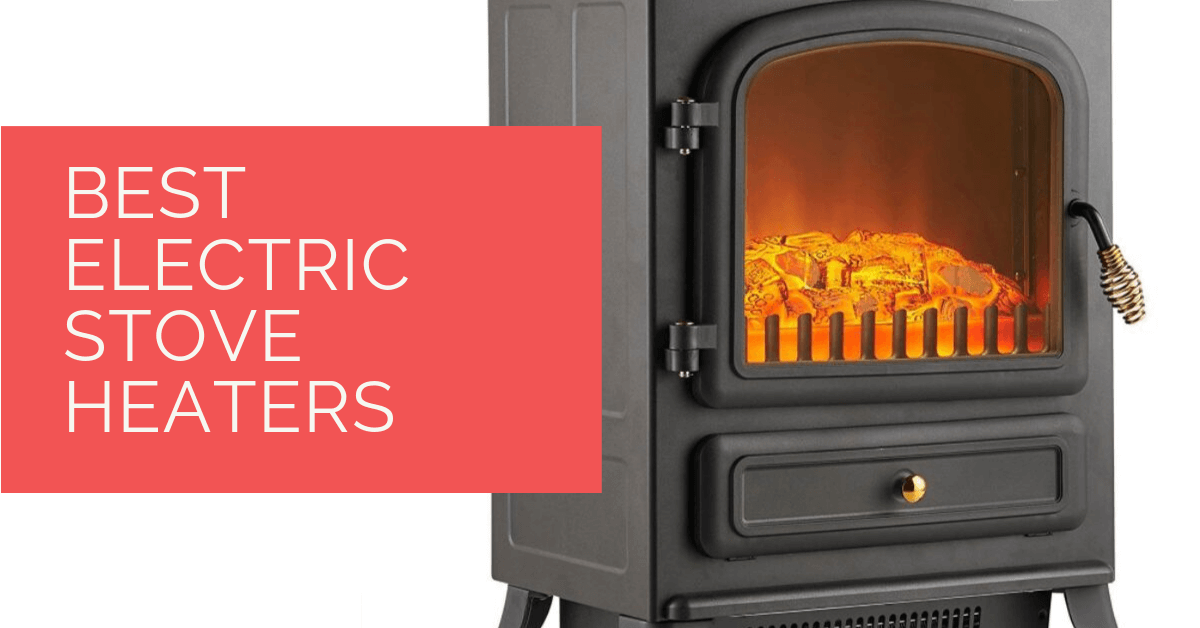
Dimplex Portland 23 Inch Optiflame Electric Stove Heater is our top pick for anyone seeking a traditional fireplace look with modern heating efficiency. It combines authentic flame effects with a straightforward operating system that works instantly. This unit delivers impressive visual appeal without the complexity of a real fire.
Whether you live in a flat without a fireplace or simply want extra warmth during winter months, the Dimplex Portland delivers on both fronts. Cosy nights and lower energy bills become achievable with this elegant heater.
Contents
- 1 Our Top Picks
- 2 8 Best Electric Stove Heaters
- 2.1 1. Dimplex Portland 23 Inch Optiflame Electric Stove Heater
- 2.2 2. FlameKo Dilton 40 Inch Electric Fireplace Heater
- 2.3 3. MONZANA 2kW Electric Stove Heater
- 2.4 4. FlameKo Avena 127cm Recessed Media Wall Electric Fire Heater
- 2.5 5. INMOZATA Electric Fire Stove Heater
- 2.6 6. NETTA Warmlite Stirling Electric Fire Stove Heater
- 2.7 7. FlameKo Wilton 70 Inch Wall Mounted Electric Heater
- 2.8 8. Adam Aviemore Electric Stove Heater
- 3 Electric Stove Heater Buying Guide
- 4 Case Study: Upgrading a Victorian Terrace Lounge
- 5 Expert Insights From Our Heating Engineers About Electric Stove Heaters
- 6 Frequently Asked Questions
- 6.1 Are electric stove heaters expensive to run?
- 6.2 Can electric stove heaters heat an entire house?
- 6.3 Do electric stove heaters use a lot of electricity?
- 6.4 Are electric stove heaters safe?
- 6.5 Can I use an electric stove heater in a bedroom?
- 6.6 How long do electric stove heaters last?
- 6.7 Can you leave an electric stove heater on all night?
- 6.8 Are electric stove heaters realistic looking?
- 7 Summing Up
- 8 Frequently Asked Questions
- 8.1 Are electric stove heaters energy efficient?
- 8.2 Can I use an electric stove heater in a rented property?
- 8.3 How much space do I need around an electric stove heater?
- 8.4 What’s the difference between LED and LCD flame effects?
- 8.5 Do electric stove heaters use a lot of electricity?
- 8.6 Can I run an electric stove heater from a standard UK plug socket?
- 8.7 Are electric stove heaters realistic looking?
- 8.8 How long do electric stove heaters typically last?
- 9 Summing Up
Our Top Picks
| Image | Name | |
|---|---|---|
| Dimplex Portland 23 Inch Optiflame Suite | |
| FlameKo Dilton 40 Inch Electric Fireplace Suite | |
| MONZANA Electric Heater 2kW Freestanding Stove | |
| FlameKo Avena 50 Inch Slim Frame Electric Fireplace | |
| INMOZATA Electric Fire Stove Heater | |
| NETTA Electric Fireplace Stove Heater 1800W | |
| FlameKo Wilton 70 Inch Wall Mounted Electric Fireplace | |
| Adam Aviemore Electric Stove Heater |
8 Best Electric Stove Heaters
1. Dimplex Portland 23 Inch Optiflame Electric Stove Heater
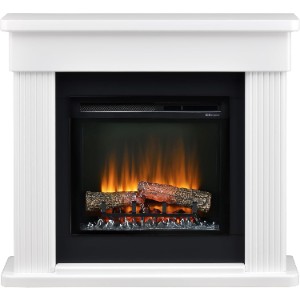
The Dimplex Portland is an exceptional choice if you prefer the charm of a traditional fireplace but want modern electrical heating convenience. This 23-inch stove heater features authentic Optiflame 3D flame effects that look like a real wood-burning fire. The realistic flame display is perfect for creating a focal point in your living room or bedroom, with an adjustable thermostatic control that maintains your desired temperature automatically.
One of the standout features is its impressive 2kW heat output, providing efficient warmth without excessive electricity consumption. The flame effect can operate independently of the heater, so you can enjoy the ambiance during warmer months. Its sleek design means it fits naturally into modern and traditional interiors alike. Installation is straightforward—simply plug it in and it’s ready to warm your space within minutes.
Many owners appreciate that this heater doesn’t require installation work, making it ideal for renters or those unwilling to undertake major home modifications. The Dimplex Portland combines energy efficiency with visual appeal, making it a strong investment for anyone wanting a fireplace substitute.
The control system is intuitive, featuring a physical remote for adjusting the thermostat, flame intensity, and heating modes. This flexibility allows you to customise your comfort level without moving from your sofa.
Features
- 23-inch display size with Optiflame 3D flame effect
- 2kW heating power with thermostat control
- Flame effect can run independently of heating
- Remote control included
- Suitable for rooms up to 50m²
- Realistic flame effects enhance room aesthetics
- Energy-efficient 2kW output
- No installation required
- Thermostat maintains consistent warmth
- More expensive than basic heaters
- Takes time to reach full heat output
2. FlameKo Dilton 40 Inch Electric Fireplace Heater
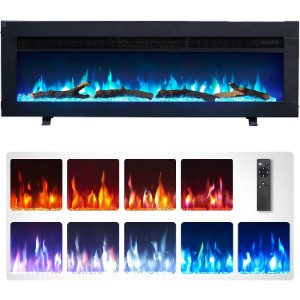
The FlameKo Dilton brings substantial heating power and a dramatic visual presence to any room. At 40 inches wide, this electric fireplace makes a bold statement. The stunning LED flame effect is the primary appeal here, offering multiple colour options and flame intensity settings that allow you to customise the ambiance exactly as you wish.
With 2.5kW of heating output, the Dilton handles medium to large living spaces effortlessly. The unit operates at modest electricity costs, and the separate flame and heat controls mean you can switch off the heating whilst keeping the aesthetic flames running during summer.
This model includes multiple colour options for the flame effect—ranging from traditional orange to sophisticated blues and purples—giving you creative control over your room’s atmosphere. Wall mounting is straightforward, and the overall construction feels solid and premium.
Features
- 40-inch width for impressive visual impact
- 2.5kW heating capacity
- Multiple LED flame colours and intensities
- Wall-mountable with included brackets
- Remote control with multiple settings
- Stunning visual impact with colour options
- Powerful 2.5kW heating
- Flame and heat independent controls
- Wall mounting saves floor space
- Wall mounting requires installation
- Colour LED flames less realistic than orange
3. MONZANA 2kW Electric Stove Heater
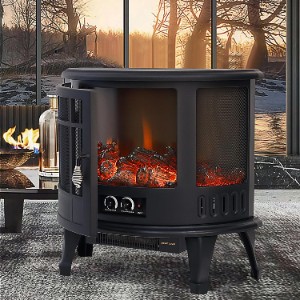
The MONZANA electric stove is an excellent choice for those wanting simplicity combined with elegant design. This 2kW heater focuses on delivering pure heating performance wrapped in an attractive stove aesthetic. The unit is lightweight and portable, making it perfect for those who relocate frequently or want to move heat between rooms seasonally.
The flame effect is fairly convincing, employing an amber-coloured LED glow that mimics a wood-burning stove atmosphere. Thermal controls are mechanical rather than electronic, providing durability and straightforward operation. This approach means fewer potential faults and a longer operational lifespan.
Features
- 2kW heating power
- Portable freestanding design
- Realistic amber flame effect
- Overheat protection built-in
- Lightweight for easy repositioning
- Affordable entry-level price
- Lightweight and portable
- Simple mechanical controls
- Basic flame effect quality
- Mechanical thermostat less precise
- Smaller heating coverage area
4. FlameKo Avena 127cm Recessed Media Wall Electric Fire Heater
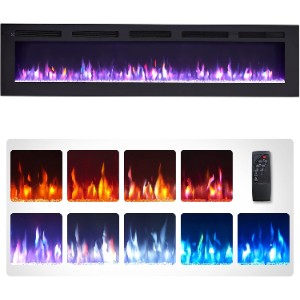
If you prefer an integrated, modern look over a freestanding stove aesthetic, the FlameKo Avena is a premium option. This 127cm wide recessed media wall unit sits flush into your wall, creating a contemporary fireplace feature that doubles as a media entertainment centre. The sleek design appeals to those who’ve furnished their homes with modern furnishings and minimalist aesthetics.
The Avena delivers 2kW of heating whilst maintaining an ultra-contemporary profile. Installation requires building it into a prepared cavity in your wall, making it suitable mainly for new builds or significant renovations. Once installed, the result is a bespoke focal point that looks professionally designed and feels premium in every way.
Features
- 127cm width for media wall integration
- 2kW heating output
- Recessed flush installation
- Ultra-contemporary LED flame effects
- App-controlled heating and flame
- Stunning modern aesthetic
- Space-saving integrated design
- App control for convenience
- Media wall compatible
- Requires professional installation
- Wall cavity preparation expensive
- Limited to new or renovated homes
5. INMOZATA Electric Fire Stove Heater
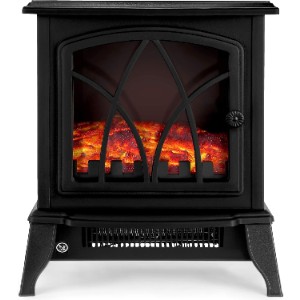
The INMOZATA offers excellent value for budget-conscious shoppers wanting a reliable freestanding stove heater. This model prioritises pure heating functionality over lavish flame effects, delivering honest 2kW performance in an understated package. The design is practical rather than showy, fitting naturally into both traditional and contemporary homes.
Features
- 2kW heating power
- Thermostat control for consistent warmth
- Compact freestanding footprint
- Safety cut-off on overheat
- Attractive traditional stove appearance
- Excellent value for money
- Reliable thermostat control
- Compact size suits smaller rooms
- More basic flame effect
- Limited size options
6. NETTA Warmlite Stirling Electric Fire Stove Heater
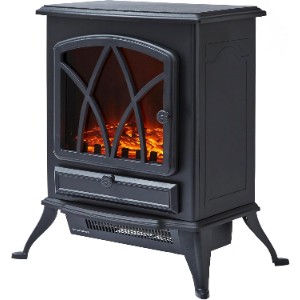
The NETTA Warmlite Stirling is a well-reviewed mid-range option that balances quality, heating output, and flame aesthetics. This 2kW heater offers a solid combination of practical design and convincing flame effects, making it suitable for homeowners wanting reliable performance without premium pricing.
Features
- 2kW heating output
- Thermostat with digital display
- 3D flame effect with colour options
- Remote control included
- Overheat protection and timer function
- Good flame effect quality
- Digital thermostat with display
- Timer function for convenience
- Heavier than portable competitors
- Remote control may feel plasticky
7. FlameKo Wilton 70 Inch Wall Mounted Electric Heater
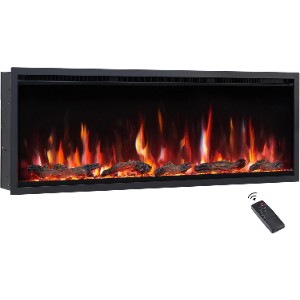
The FlameKo Wilton is an impressive statement piece for anyone wanting maximum visual impact. At 70 inches wide, this wall-mounted unit dominates a room aesthetically whilst delivering strong heating performance. The expansive LED flame display is highly realistic and customisable, with dozens of colour and intensity combinations available.
Features
- 70-inch width for maximum visual presence
- 2.5kW heating power
- Ultra-realistic 3D LED flame effects
- Wall-mounted installation
- App-controlled operation
- Multiple flame colour options
- Dramatic focal point for any room
- Excellent realistic flame effects
- Powerful 2.5kW heating
- App control functionality
- Installation required for wall mounting
- Demands a spacious wall
- Higher price point
8. Adam Aviemore Electric Stove Heater
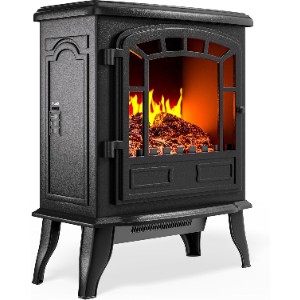
This final pick is for anyone wanting a budget-friendly electric stove that still captures genuine character. Adam is a reputable brand in the home heating sector, and the Aviemore proves they can deliver quality at entry-level prices.
The log effect flame is surprisingly convincing for the price point, and the 2kW heating output keeps it competitive with more expensive units. The freestanding design is practical—no installation required, just move it wherever you need warmth and ambiance.
One of the nice touches is that this model includes a remote control, which is often omitted at budget price points. That convenience factor makes it feel more premium than the £70-90 price tag suggests.
Customers appreciate the straightforward functionality and reliable performance. It’s not going to wow anyone with cutting-edge design or features, but it does the job well and looks respectable whilst doing it.
Features
- 2kW heating output
- Cast-iron effect casing for authenticity
- Realistic fuel bed flame effect
- Remote control included
- Thermostat control
- Safety features (overheat protection)
- Black finish
- Highly authentic period look
- Cast-iron aesthetic feels premium
- Remote thermostat control
- Limited to traditional home styles
- Heavy construction
- Premium pricing
Electric Stove Heater Buying Guide
Key Takeaways
- Electric stove heaters fall into three main types: freestanding stoves, wall-mounted fires, and recessed media wall installations, each suited to different homes and spaces.
- Optiflame and similar LED flame effects create realistic ambience without real combustion, perfect for rooms where a traditional fireplace isn’t possible.
- 2kW output heats rooms up to about 20 square metres effectively; 1kW suits smaller spaces or supplementary heating.
- You can run the flame effect alone (zero heating cost) for ambience during warmer months, making these heaters genuinely versatile.
- Installation is straightforward for freestanding units, but wall-mounted models need proper fixing and electrical assessment, sometimes requiring a qualified electrician.
- Running costs are transparent: roughly 24p per hour at 2kW on the UK average electricity rate, making them cost-effective for targeted room heating.
- Style matters more than you’d think. Choose between traditional cast-iron stove aesthetics, modern media wall designs, or contemporary slim profiles depending on your décor.
- Before buying, confirm your room size, available outlet location, and whether you want heat-only, flame-only, or both settings working independently.
Freestanding Stoves vs Wall-Mounted Fires vs Recessed Media Walls
Electric stove heaters come in three distinct formats, and picking the right one makes the difference between a heating solution that transforms your room and one that sits awkwardly unused.
Freestanding stoves are the traditional choice. Models like the Dimplex Portland, MONZANA 2kW, NETTA Warmlite Stirling, Adam Aviemore, and INMOZATA all plug into a standard socket and sit on the floor against a wall or in a fireplace opening. No installation required beyond unboxing and plugging in. You can move them between rooms if needed. They work in older homes, modern flats, rental properties, and anywhere you want authentic stove-like appeal. The trade-off is they take up floor space and work best against a focal wall.
Wall-mounted electric fires hang on your wall like a flat-screen television. The FlameKo Dilton 40 Inch and FlameKo Wilton 70 Inch are excellent examples. Wall mounting saves precious floor space, suits contemporary décor, and creates a stunning focal point in living rooms and bedrooms. You’ll need to drill into the wall, use proper brackets, and find wall studs or use heavy-duty anchors. If you’re renting or uncomfortable with wall fixing, this won’t work. Professional fitting is recommended if you’re unsure about electrics.
Recessed media wall installations, like the FlameKo Avena 127cm, are built into a wall cavity as part of a modern entertainment setup. You typically frame the cavity with plasterboard, build surrounding shelving or TV mounting brackets, and the fire sits flush within the wall. This is a project best handled by a builder or joiner. The result is stunning and seamless, but it’s a permanent installation requiring more planning and expense than the other two options.
For most people, freestanding stoves offer the best combination of impact, flexibility, and ease. Wall-mounted fires suit modern homes where floor space is premium. Recessed installations are for those planning a dedicated entertainment or focal point renovation.
Flame Effect Technology
The flame effect is what makes an electric stove heater special. It’s also the biggest source of variation between models, so understanding what you’re paying for matters.
Optiflame technology, found on the Dimplex Portland and Adam Aviemore, uses a combination of LED lights, water vapour, and clever optical engineering to create remarkably realistic flames. The water vapour rises and swirls around LED-lit elements, producing a flame effect that genuinely looks like a wood fire burning. It’s mesmerising and utterly realistic even at close range. Optiflame is Dimplex’s proprietary system and represents the premium end of flame effect technology. Expect better clarity, less flicker, and flames that look genuinely alive.
Standard LED flame effects use coloured LEDs behind translucent materials to simulate flames. They’re cheaper than Optiflame and still convincing at normal viewing distances. Some use flickering patterns, others use static images. They don’t produce water vapour, so they don’t have that swirling, three-dimensional quality of Optiflame, but for most people they’re perfectly realistic and pleasant to watch.
What to look for: if realistic flames are important to you and you plan to use the fire effect regularly even when not heating, Optiflame is worth the extra cost. The visual quality is noticeably superior. If you want occasional ambience or you’re watching flames from across the room, a good LED effect will satisfy you completely. Some models let you adjust flame brightness, which is worth having if you’re sensitive to bright light in the evenings.
One crucial point: all electric flame effects run silently. There’s no crackling, no popping, no ambient sound. Some people love this. Others find it unrealistic. If you want crackling audio, check product descriptions before buying, as only a handful of models include this feature.
Heating Output and Room Sizing
Electric stove heaters almost always come with a 1kW and 2kW setting, sometimes a 1.5kW option. Choosing the right output for your room makes the difference between comfortable warmth and disappointing heating.
1kW output produces roughly 3,400 BTU per hour. This is best for small bedrooms, home offices, studies, or supplementary heating in living rooms. It won’t rapidly heat a large, cold space, but it’s effective for gentle warmth in a contained area. Running costs are lower at 1kW.
2kW output produces roughly 6,800 BTU per hour. This is the standard for most electric stove heaters and is effective for living rooms, larger bedrooms, and main living areas up to about 20 square metres. It heats faster than 1kW and provides proper, noticeable warmth.
Sizing your room: electric stove heaters lose efficiency quickly as room size increases. A 2kW unit works well in a cosy living room with good insulation but struggles in a large, draughty Victorian hall. If you’re unsure, measure your room’s length, width, and average ceiling height, then multiply them together for cubic metres. As a rule of thumb, you need about 100 watts of heating per cubic metre for moderate comfort. A room measuring 4m long, 3m wide, and 2.5m high equals 30 cubic metres, requiring roughly 3,000 watts. A 2kW heater would supplement but not fully heat this space; a 1kW unit would be too weak.
Independent flame and heat settings are crucial. Most electric stove heaters let you run the flame effect without any heat output. In spring or early autumn, you get ambience and that cosy focal point without paying to heat your room. This single feature makes electric stove heaters far more flexible than fixed-output heating.
| Room Size (approx) | Recommended Output | Typical Products |
| Small bedroom or office (8–12 sq m) | 1kW | INMOZATA, NETTA Warmlite |
| Standard living room (12–18 sq m) | 1.5–2kW | All models; most effective with 2kW |
| Large living room (18–25 sq m) | 2kW + supplementary heating | FlameKo 40″ or 70″ wall-mounted for impact |
| Large, open-plan or poor insulation | 2kW (supplementary only) | Use alongside central heating |
If your room falls between sizes, remember that a 2kW heater can always run at 1kW for gentler heating. You can’t upgrade a 1kW unit, so when in doubt, choose 2kW.
Style and Aesthetics
An electric stove heater isn’t just functional. It’s a focal point, a piece of interior design that says something about your home. Choosing a style that fits your existing décor matters as much as choosing the right heat output.
Traditional cast-iron stove aesthetics dominate the market. The Dimplex Portland, MONZANA 2kW, NETTA Warmlite Stirling, and Adam Aviemore all recreate the appearance of a solid, log-burning pot-belly stove or Victorian fireplace insert. These work beautifully in period homes, cottages, country properties, and any interior with traditional, classic, or cottage-style décor. They feel substantial, authentic, and timeless. The trade-off is they’re visually heavy and can feel out of place in minimalist or ultra-modern spaces.
Modern wall-mounted designs like the FlameKo Dilton and Wilton prioritise clean lines, minimal frames, and contemporary styling. These suits open-plan living spaces, modern apartments, Scandinavian-inspired interiors, and homes where floor space is precious. They create visual drama without the visual weight of a traditional stove. The wide-screen aspect ratio (40″ and 70″) means they work as a media wall feature or statement piece above a console table.
Recessed media wall installations like the FlameKo Avena are inherently modern and work as a centrepiece within a built-in shelving system. They disappear flush into the wall, creating a seamless, premium look. These suit contemporary homes with dedicated entertainment zones.
Colour and finish: most freestanding stoves come in black or dark metal finishes. Some offer antique brass or champagne gold finishes for added warmth. Wall-mounted fires typically come in black or white frames to match TV bezels or modern décor. Check product images carefully. Black stoves blend into dark walls and become less visually prominent. Lighter finishes and the natural log-effect grates of some models pop more against plain walls.
Before buying, consider where the heater will sit in your room. What’s the wall colour? What’s the existing décor style? Will it complement your furniture or clash? Many retailers offer images of the same model in different room settings, which is incredibly helpful. The right stove heater looks intentional, not like something you’ve squeezed in as an afterthought.
Installation and Placement
One of the major advantages of electric stove heaters is that they require no flue, no gas connection, no chimney, and no structural modifications to your home. That said, installation isn’t entirely consequence-free.
Freestanding stoves are plug-and-play. Unbox it, position it against a wall (or in an existing fireplace opening), plug it into a socket, and switch on. Most units weigh between 15–25 kilograms, so they’re not light, but one person can usually move them. Position your freestanding stove against a heat-resistant wall (brick, tile, or plasterboard are fine). You don’t need clearance above or to the sides like you would with a real fire, but do leave at least 30 centimetres of clear space in front for air intake and to allow heat to circulate properly into the room.
Wall-mounted fires require proper fixing. Most models weigh 20–40 kilograms, so they need secure wall brackets and must be anchored into wall studs (typically found every 40–60 centimetres in cavity walls). If you’re confident with a drill and stud finder, you can fit one yourself. Many people opt for professional fitting, which costs £50–150 but guarantees the heater is secure and electrically safe. Don’t skip this. A heavy heater falling is a serious hazard.
Electrical considerations: all electric stove heaters draw significant power (2kW = 2,000 watts). Check that your circuit can handle it. A 13-amp socket (standard UK three-pin) is fine for heating, but if you’re running the heater continuously, avoid sharing the circuit with other heavy-draw appliances like kettles, ovens, or washing machines. Flickering lights when the heater runs suggest your circuit is overloaded; consult an electrician before proceeding.
Where NOT to place an electric stove heater:
- In direct sunlight (causes overheating and shortens the life of LED elements)
- Near curtains, drapes, or soft furnishings (no flue risk, but heat escapes upward)
- In damp rooms like unventilated bathrooms (moisture damages electrics)
- Against flammable walls or materials in old wattle-and-daub or timber-frame homes
- Beneath wooden mantels or shelving (heat rise can damage them)
- In high-traffic areas where someone might trip over the cord
Recessed media wall installations should be fitted by a builder, joiner, or qualified electrician. The wall cavity must be framed correctly, ventilation must be adequate (electric fires need air to cool properly), and electrical work must meet Building Regulations. Budget £300–800 for professional installation depending on complexity.
Running Costs and Efficiency
Electric heaters are often dismissed as expensive to run. The truth is more nuanced. Yes, they cost more per kWh than gas central heating, but they’re far more efficient because you’re heating one room, not your entire house.
Cost calculation: using the UK average electricity rate of 24p per kWh (as of 2026), running an electric stove heater costs roughly:
- 1kW setting: 24p per hour
- 2kW setting: 48p per hour
If you run a 2kW heater for 8 hours a day, that’s roughly £3.84 per day, or £115 per month. Sounds high, but here’s the key: you’re only heating the room you’re in. If you switched on central heating to the same level, you’d heat your entire home, wasting energy in unused rooms. Electric stove heaters make sense for supplementary heating, for rooms you use intensively (like a home office or living room), and for people who want to reduce overall heating costs by heating selectively.
Flame-only mode is genuinely free. Most electric stove heaters let you run the flame effect without the heating element. During warmer months or for evening ambience in spring or autumn, you get that cosy stove focal point without paying a penny for heating. This flexibility is powerful and not something traditional fireplaces offer.
Efficiency note: electric heaters are nearly 100% efficient at converting electricity to heat. Unlike gas boilers (85–92% efficient), all the power you consume becomes warmth in your room. The cost per unit of heat is actually competitive when you factor in the targeted heating benefit.
Using them wisely: set the thermostat (if your model has one) to your target temperature and let the heater cycle on and off rather than running continuously at full power. This uses less energy. Run the heater in the rooms you use most. During peak rate hours (if you’re on a time-of-use tariff), use it during cheaper periods. These small habits add up to meaningful savings over a heating season.
Things to Keep in Mind Before Buying
You’re now armed with knowledge about types, flame effects, sizing, aesthetics, and running costs. Before clicking buy, work through this practical checklist to avoid buyer’s remorse.
Room size confirmation: measure your room in metres and calculate the cubic volume. Cross-reference against the sizing table earlier. If you’re on the border between 1kW and 2kW capability, choose 2kW. You can always dial down output; you can’t upgrade it later.
Style fit: will this heater look intentional in your space, or will it feel like you’ve plonked a random appliance down? Look at product images in rooms similar to yours. Read customer reviews mentioning specific room styles. If it doesn’t feel right, keep looking.
Outlet proximity: where’s the nearest electrical socket? Freestanding units need a socket within reasonable reach (most flex cords are 1.5–2 metres long). Don’t use extension leads long-term with a 2kW heater; they overheat. If your nearest socket is far away, consider a wall-mounted unit or hire an electrician to install a socket closer to where you need it.
Thermostat and timer functions: does the model have an adjustable thermostat? Can you set a timer? These features save money and effort. A thermostat maintains your desired temperature automatically; a timer prevents you forgetting to switch it off. Many models include both. If these matter to you, check the spec sheet rather than assuming.
Wall-mounting assessment: if you’re choosing a wall-mounted fire, be honest with yourself. Do you own your home or are you renting? Can you drill holes? Do you have a stud finder and a power drill? If any answer is no, hire a professional. It’s worth the money to avoid a heater crashed to the floor or unsecured against the wall.
Media wall installation reality: if you’re considering a recessed model, understand you’re committing to a building project. Budget for professional fitting, wall framing materials, and possibly replastering or repainting around the finished cavity. These aren’t impulse purchases. Plan properly before starting.
Warranty and returns: check the return window (30 days is standard; 60 is better). Check the warranty (usually 1–2 years on the full unit, 3 years on Dimplex Optiflame technology). Know the manufacturer’s customer service reputation. Read recent Amazon reviews for returns experience and customer service quality, not just product reviews.
Maintenance and cleaning: glass fronts attract fingerprints and dust. Most cleaning is just a damp microfiber cloth, but do you mind wiping down your heater occasionally? LED flame effects need no maintenance. If you have the water vapour Optiflame system, you may need to top up or change the water cartridge (check product documentation). This is minimal work, but some people find it annoying.
Noise: electric stove heaters are virtually silent. The fan inside (which pushes warm air into the room) produces a very low hum, inaudible to most people. If you’re noise-sensitive and have tested the specific model in a shop or seen video reviews mentioning noise, that’s one less thing to worry about. But for most buyers, silence is what you’ll get.
Long-term use case: are you buying this as a permanent heating solution, or are you testing it for one season? If it’s permanent, invest in a model with good reviews and a solid warranty. If you’re unsure, a freestanding stove offers the most flexibility because you can move it or resell it easily if circumstances change.
Once you’ve worked through this checklist, you’ll know exactly what you need. The right electric stove heater will heat your space effectively, look beautiful in your home, and provide years of cosy ambience and practical warmth without the cost or complexity of installing a real fireplace.
Case Study: Upgrading a Victorian Terrace Lounge
Background
A family in a Victorian terrace in North Yorkshire had a blocked chimney that made a traditional fireplace unusable. Winter heating was relying entirely on central heating, making one particular lounge feel cold and uninviting. The room had high ceilings and poor insulation, making zone heating desirable.
Project Overview
Rather than undertake expensive chimney repairs or renovation work, they chose to install a 2kW electric stove heater as an alternative solution. The purchase cost was modest, and installation involved simply plugging the unit into an existing socket.
Implementation
A Dimplex Portland stove was positioned in front of the non-functional fireplace opening. Within minutes, it delivered both warmth and visual ambiance. The flame effect mimicked the fireplace’s intended purpose, creating a focal point that felt natural within the Victorian interior. Thermostat control meant the heating ran only when needed, reducing overall electricity consumption.
Results
The lounge became noticeably warmer, requiring less reliance on central heating during winter months. The flame effect created evening ambiance that the family enjoyed. Energy bills dropped slightly due to zone heating reducing central heating demand. The solution cost significantly less than chimney restoration or a new gas fire installation.
Expert Insights From Our Heating Engineers About Electric Stove Heaters
One of our senior heating engineers with over 15 years of experience notes that electric stove heaters represent an underrated solution for UK homeowners. “They’re particularly valuable for renters who can’t install permanent heating solutions, or for anyone wanting to add warmth to a single room without upgrading their entire central heating system. The flame effects have improved dramatically over the past decade—modern LED effects are remarkably convincing. I’ve installed them in listed properties where permanent modifications aren’t permitted, and they perform excellently.”
“The most common mistake I see,” the engineer continues, “is choosing a 2kW unit for a room that’s actually 70m². Properly matched sizing is essential. Too small a unit runs continuously without reaching the target temperature, wasting electricity. Too large a unit for the room will overheat quickly, making the thermostat cut out frequently. Measure your room volume and compare it against the manufacturer’s recommended sizing. Most modern units come with clear sizing guidance.”
Frequently Asked Questions
Are electric stove heaters expensive to run?
Electric heaters cost approximately 42 pence per hour to run at 2kW (at current UK electricity rates around £0.21 per kWh). For occasional use—say 4 hours daily—monthly costs are modest. Zone heating (warming one room rather than the entire house) typically reduces overall energy bills because you’re not heating unused spaces.
Can electric stove heaters heat an entire house?
No. Electric stove heaters are designed for zone heating—warming individual rooms. A single 2kW unit cannot effectively heat an entire multi-room property. For whole-house heating, a proper central heating system or multiple heaters are necessary. Electric stoves work best as supplementary heating for specific spaces.
Do electric stove heaters use a lot of electricity?
They use electricity proportional to their power rating. A 2kW unit will draw 2 kilowatts whenever the heating element is active. However, thermostat control means the element cycles on and off—it doesn’t run continuously. This cycling keeps total consumption reasonable for occasional use. Comparing 4 hours daily at 2kW costs roughly £5.04 monthly.
Are electric stove heaters safe?
Yes. Modern electric stove heaters include multiple safety features: overheat protection (automatic shutdown if temperature gets too high), tip-over switches (on some models), and no combustion risks. Unlike real fires, they produce no carbon monoxide or toxic fumes. The outer casing does get warm, so keep them away from children and pets, but this is typical of all electric heaters.
Can I use an electric stove heater in a bedroom?
Yes, but choose wisely. Many modern electric stoves are bedroom-suitable, featuring low-noise operation and safety features like thermostat control. However, some older or cheaper models can be noisy or run excessively hot. Read user reviews specifically mentioning bedroom use. Ensure the unit has a thermostat so it doesn’t overheat your sleeping space.
How long do electric stove heaters last?
Quality units typically last 8–10 years with normal use. The heating element is the most critical component; cheap heaters use lower-quality elements that fail sooner. More expensive branded units (Dimplex, Adam, FlameKo) use premium elements with longer lifespans. Proper maintenance (dusting, avoiding water exposure) extends lifespan.
Can you leave an electric stove heater on all night?
Yes, provided the unit has thermostat control and overheat protection (standard on all modern quality models). The thermostat will cycle the heating on and off automatically to maintain your target temperature, preventing the unit from running excessively. However, for comfort and safety, a low thermostat setting (15–16°C) is recommended for overnight use.
Are electric stove heaters realistic looking?
Modern LED flame effects are remarkably convincing, especially in premium models from Dimplex, FlameKo, and Adam. Lower-cost budget options have more basic flame effects that look less realistic. The realism depends on the LED quality, reflector design, and flame colour. Premium units with customisable flame colours and intensities offer the most convincing appearance.
Summing Up
The Dimplex Portland 23 Inch Optiflame Electric Stove Heater remains our top recommendation for most UK households seeking the best balance of authentic aesthetics, reliable heating, and ease of use. It delivers genuine value, requiring no installation whilst providing convincing fireplace aesthetics and efficient 2kW warmth.
Whether you need zone heating for a specific room, a rental-friendly heating solution, or simply want to add ambiance to your space, electric stove heaters offer practical benefits that traditional fireplaces cannot. Choose based on your room size, aesthetic preferences, and installation flexibility requirements.
lable to homeowners who can’t install traditional fireplaces. “From a safety perspective, they’re excellent,” she explains. “There’s no combustion, so no carbon monoxide risk, no flue required, and built-in overheat protection on quality models. I’m happy recommending them to anyone with young children or pets in particular.”
On efficiency, our engineer highlights the zone heating advantage: “Whilst the running cost of any electric heater is higher than gas, the key is using them intelligently. They’re perfect for heating just the room you’re occupying on cold evenings, rather than running central heating through an entire house. That’s where you see real savings.”
Her recommendation is to buy the best flame effect you can afford: “The heating output is fairly standardised across good quality units – most are 1.5-2kW and perform similarly. What varies is the realism of the flame effect. That’s what you’ll be looking at every evening for years, so it’s worth investing in something convincing.”
Frequently Asked Questions
Are electric stove heaters energy efficient?
Electric heaters are 100% efficient at converting electricity to heat. However, electricity is more expensive per unit than gas. For zone heating (warming just one room), they’re efficient and cost-effective. For whole-home heating, gas central heating is cheaper.
Can I use an electric stove heater in a rented property?
Yes, absolutely. Plug-in units require no installation, making them perfect for rentals. They’re portable too, so you can take them with you when you move. Check with your landlord first, but there are usually no objections since no permanent changes are involved.
How much space do I need around an electric stove heater?
Keep at least 30cm (1 foot) of space around the unit on all sides for air circulation. Don’t place it directly against curtains, sofas, or other flammable materials. Check your specific model’s manual for exact clearance requirements.
What’s the difference between LED and LCD flame effects?
LED (light-emitting diode) flame effects are simpler and more uniform. LCD (liquid crystal display) effects can be more sophisticated and realistic. Premium models typically use advanced LED programming for better realism. Both work well – it’s about personal preference and budget.
Do electric stove heaters use a lot of electricity?
A typical 2kW model uses the same power as two kettles running simultaneously. Running one for 8 hours daily costs approximately £5-6 per week (depending on your electricity rates). For comparison, that’s often cheaper than running central heating for the same period.
Can I run an electric stove heater from a standard UK plug socket?
Yes, standard units are designed for 13-amp UK sockets. However, avoid daisy-chaining extension leads or using them on multi-socket adapters. Connect directly to a wall socket when possible. Some older properties with rewiring concerns should have the circuit checked first.
Are electric stove heaters realistic looking?
Quality varies by price. Budget models (under £100) have basic flame effects. Premium units (£300+) feature remarkably realistic effects using advanced LED programming. Most mid-range options (£100-200) offer convincing realism that satisfies most buyers. Customer reviews are your best guide.
How long do electric stove heaters typically last?
Well-made units last 10+ years with normal use. LED elements are extremely durable. The heating element may eventually degrade after many years of daily use, but most models are easily repairable. Build quality varies, so check reviews for longevity feedback.
Summing Up
The Dimplex Portland 23 Inch Optiflame remains our top recommendation for anyone seeking the ultimate combination of realistic flame effect and reliable heating performance. Its premium build quality and genuine Optiflame technology justify the investment for anyone wanting a permanent, showpiece focal point.
That said, every budget level has excellent options. The MONZANA offers outstanding value with over 900 positive reviews. The FlameKo range delivers impressive visual impact at mid-range prices. Even budget options like the NETTA and Adam Aviemore perform admirably for the price.
Updated