
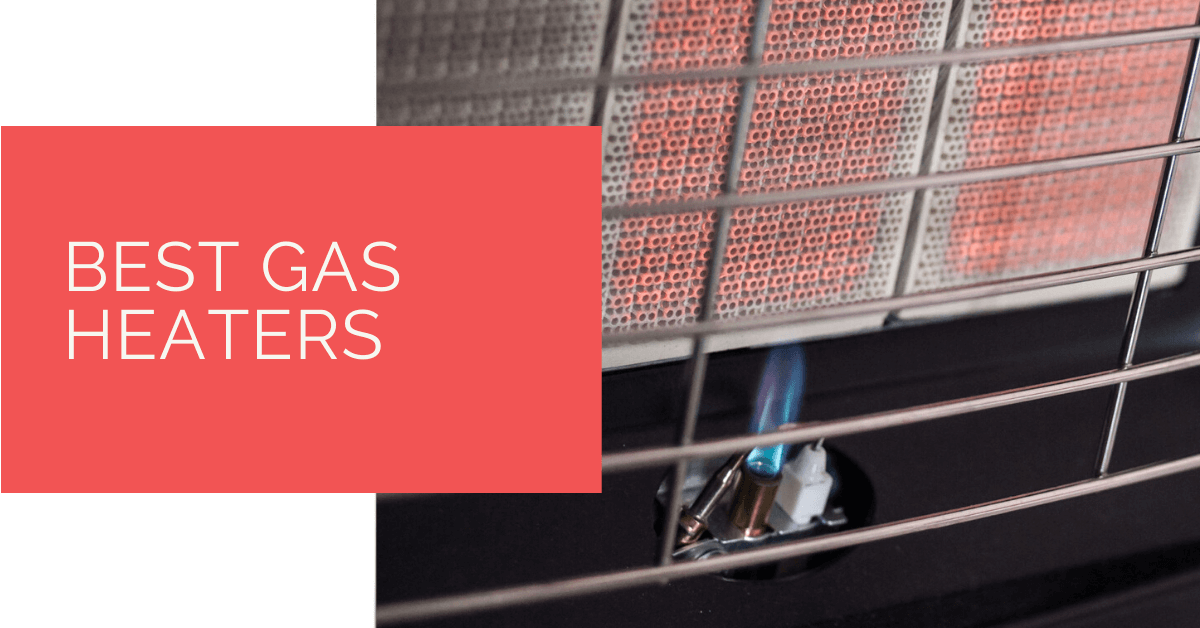
For most UK buyers, the WARMGLOW Portable Gas Heater is the best gas heater to buy. It gives the strongest balance of practical warmth, safety-conscious design and everyday usability. Gas heaters can be excellent for strong portable heat, but they need more care than plug-in electric heaters. Ventilation, carbon monoxide protection, cylinder compatibility and supervised use are just as important as heat output.
Portable gas heaters can deliver strong heat without mains electricity, but ventilation, carbon monoxide safety and fuel handling are non-negotiable. This guide focuses on indoor cabinet heaters and portable gas options that make sense for suitable UK spaces. Compare the safety features and fuel format first, then use the reviews to decide whether a cabinet heater, compact backup heater or outdoor-style option is the right fit.
Contents
- 1 Our Top Picks
- 2 6 Best Gas Heaters
- 3 Gas Heater Buying Guide
- 4 Case Study: Choosing Safer Supplementary Heat
- 5 Expert Insights From Our Heating Engineers About Gas Heaters
- 6 Frequently Asked Questions
- 7 Summing Up
Our Top Picks
| Image | Name | |
|---|---|---|
| WARMGLOW Portable Gas Heater | |
| New Gas Butane Home Heater | |
| Straame Mobile Gas Heater 4.2kW | |
| Portable Gas Heater Indoor Mobile 4.2kW Set | |
| Straame Indoor Gas Heater 4.2kW | |
| Taylor & Brown 2-in-1 Portable Gas Heater and Stove |
6 Best Gas Heaters
1. WARMGLOW Portable Gas Heater
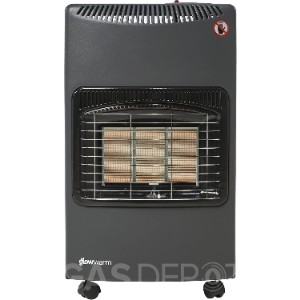
The WARMGLOW Portable Gas Heater is the strongest all-round option because it has the cabinet format most people expect from an indoor butane heater and includes key safety features such as an oxygen depletion sensor. The 4.1kW output is much stronger than most small electric heaters, which makes it useful for larger rooms, garages and emergency heating. The three heat settings help you avoid running it harder than needed.
Gas heaters need ventilation and carbon monoxide awareness. Use a CO alarm, follow the manual and do not use one in bedrooms or poorly ventilated spaces.
WARMGLOW Portable Gas Heater should be bought with the safety setup in mind, not just the heat output. A portable gas heater can put out a lot of warmth, but it also needs ventilation, a compatible cylinder, a suitable regulator and a working carbon monoxide alarm nearby.
Cylinder handling is part of ownership. Check the size, connection, regulator and storage requirements before buying, because a heater that looks good online can become frustrating if the right gas setup is awkward for your home.
Features
- 4.1kW butane gas heater
- Oxygen depletion sensor
- Three heat settings
- Portable wheels
- Indoor cabinet design
- Grey finish
- Strong heat output
- ODS safety feature
- Good cabinet format
- Needs ventilation
- Requires gas cylinder handling
2. New Gas Butane Home Heater
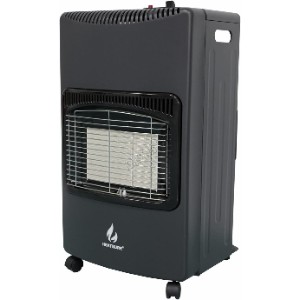
This New Gas butane heater is a budget cabinet-style option for users who want strong portable heat without relying on the electric supply. It is a practical choice for occasional backup heat.
The included regulator and hose are useful, but you should still check compatibility, cylinder type and installation instructions carefully. It is affordable, but gas heater safety matters more than price. Ventilation and a working carbon monoxide alarm should be treated as part of the setup.
The appeal is clear in garages, workshops and backup heating situations where mains electric heat is inconvenient or limited. Even then, the heater should be supervised, kept clear of fabrics and furniture, and used only in spaces the manufacturer says are suitable.
Features
- Butane gas heater
- Indoor portable design
- Regulator and hose included
- Cabinet heater format
- Mobile body
- Affordable
- Regulator included
- Useful backup heat
- Basic design
- Safety setup is essential
3. Straame Mobile Gas Heater 4.2kW
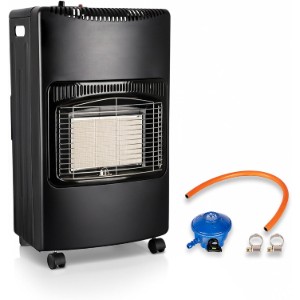
The Straame Mobile Gas Heater is appealing because of its foldable cabinet design and 4.2kW output. It suits users who need a heater that can be stored more neatly when not in use. The ODS and anti-tilt features are important inclusions. They do not remove the need for ventilation, but they are safety features worth looking for in this category.
Review strength is not as high as some alternatives, so check current buyer feedback before ordering. Cylinder handling is part of ownership. Check the size, connection, regulator and storage requirements before buying, because a heater that looks good online can become frustrating if the right gas setup is awkward for your home.
Straame Mobile Gas Heater 4.2kW should be bought with the safety setup in mind, not just the heat output. A portable gas heater can put out a lot of warmth, but it also needs ventilation, a compatible cylinder, a suitable regulator and a working carbon monoxide alarm nearby.
Features
- 4.2kW output
- Foldable cabinet
- Three heat settings
- Push-button ignition
- ODS safety feature
- Anti-tilt protection
- Foldable design
- Strong output
- Useful safety features
- Mixed review profile
- Requires butane cylinder
4. Portable Gas Heater Indoor Mobile 4.2kW Set
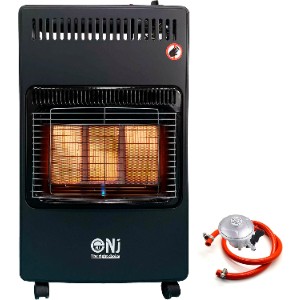
This 4.2kW mobile gas heater is another strong-output cabinet option. It makes sense if you want robust heat for a larger ventilated space rather than a small personal heater.
The mobile format is convenient, especially when moving between a living area, garage or workspace. Always move and store gas cylinders carefully.
As with all portable gas heaters, it should not be treated as fit-and-forget heating. Ventilation and CO monitoring are essential. It is worth being conservative with gas heat. Start on a lower setting, ventilate properly and stop using the appliance if the flame looks wrong, the heater smells unusual or a safety device activates.
Features
- 4.2kW butane heater
- Mobile cabinet design
- Regulator set
- Indoor use
- Portable wheels
- High output
- Mobile design
- Regulator set included
- Needs safe fuel storage
- Not for small sealed rooms
5. Straame Indoor Gas Heater 4.2kW
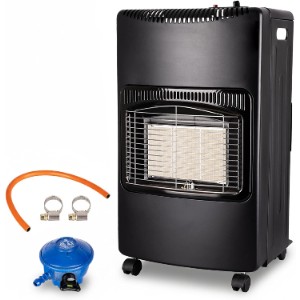
This Straame indoor gas heater is a compact alternative for people who want strong output but a simpler cabinet format. It is aimed at homes, garages and offices where mains-free heat is useful. The adjustable heat output helps because 4.2kW can be too much in smaller spaces. Start low and ventilate properly.
The review rating is more modest than the best picks, so it is worth checking current feedback and warranty details before buying.
Straame Indoor Gas Heater 4.2kW should be bought with the safety setup in mind, not just the heat output. A portable gas heater can put out a lot of warmth, but it also needs ventilation, a compatible cylinder, a suitable regulator and a working carbon monoxide alarm nearby.
Features
- 4.2kW output
- Portable indoor heater
- Adjustable heat
- Compact cabinet
- Butane fuel
- Compact for output
- Adjustable heat
- Modest review score
- Ventilation required
6. Taylor & Brown 2-in-1 Portable Gas Heater and Stove
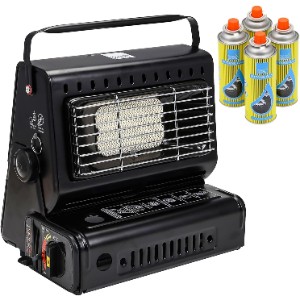
The Taylor & Brown 2-in-1 is different from the indoor cabinet heaters. It is a compact heater and stove style product for outdoor and camping-style use rather than normal domestic room heating.
It may be useful for emergency kits, fishing, outdoor work or camping, but it should not be treated as a substitute for an indoor gas cabinet heater. Use it only in suitable ventilated conditions and according to the instructions. Combustion appliances need respect, especially in enclosed spaces.
The appeal is clear in garages, workshops and backup heating situations where mains electric heat is inconvenient or limited. Even then, the heater should be supervised, kept clear of fabrics and furniture, and used only in spaces the manufacturer says are suitable.
Features
- 2-in-1 heater and stove
- Butane canister fuel
- Portable camping format
- Includes gas bottles
- Compact emergency use
- Very portable
- Useful outdoor backup
- Includes canisters
- Not a normal indoor room heater
- Lower output than cabinet heaters
Gas Heater Buying Guide
Key Takeaways
- Portable gas heaters are legal to use indoors in the UK provided there is adequate ventilation, typically a 10% air change per hour or permanent ventilation opening. Running any combustion heater in a sealed, unventilated room produces dangerous CO levels regardless of whether the heater has an ODS (oxygen depletion sensor). The ODS shuts the heater off if oxygen falls critically low, but it is a last-resort safety device, not a substitute for ventilation
- Butane gas burns less efficiently below 5°C and becomes unreliable below 0°C. Propane is the correct gas for outdoor or winter use. For indoor use in a heated room, butane is fine. For unheated garages, outbuildings, and outdoor-adjacent spaces in winter, choose a propane-compatible heater
- Portable gas heaters deliver significantly more heat output per pound of running cost than electric heaters. At current UK prices, propane costs roughly 7 to 9p per kWh of heat output versus 27p/kWh for electricity, making a 4.2kW gas heater cheaper to run than a 1kW electric fan heater on a cost-per-kWh basis
- All portable gas heaters sold in the UK for indoor use must comply with BS EN 449 and include an ODS pilot. If a heater doesn’t mention the ODS pilot in the product listing, it is not certified for indoor use. Do not use outdoor-only gas heaters (torpedo heaters, propane torch heaters) inside an enclosed space
- kW output is the most reliable way to compare heaters. BTU ratings are less commonly used in the UK. 1kW = 3,412 BTU/hr. A 4.2kW portable gas heater produces around 14,300 BTU/hr, which is sufficient to heat a 20 to 30m² room from cold in 20 to 30 minutes
Indoor vs Outdoor Use: The Critical Distinction
The single most important question when buying a portable gas heater is whether you plan to use it indoors. Heaters certified for indoor use carry the BS EN 449 certification and include an ODS pilot, a small sensor flame that monitors oxygen concentration and shuts off the main burner before CO reaches dangerous levels. These heaters are designed to run in lived-in spaces with normal domestic ventilation.
Outdoor gas heaters (torpedo heaters, construction site propane heaters, most garden patio heaters) are designed for open-air or well-ventilated spaces and should never be operated indoors. They produce far more CO than an indoor-certified heater and can reach dangerous CO concentrations in a room within minutes. If a product description says “outdoor use only,” that is a hard restriction, not a general suggestion.
Propane vs Butane: Cold Weather Performance
Portable gas heaters use either butane (blue Calor cylinders) or propane (red Calor cylinders), or in some cases both via a universal regulator. The practical difference is cold weather performance. Butane’s vapour pressure drops sharply below 5°C, which causes erratic burner behaviour, and the flame becomes weak and unstable. Below 0°C, butane often won’t flow at all from a cold cylinder.
Propane maintains stable pressure down to minus 40°C, which makes it the correct choice for unheated garages, garden rooms, workshops, and any application where the cylinder will be stored in a cold location. For indoor heating in a warm room where the cylinder sits at room temperature, butane is perfectly adequate and is the more commonly available format in UK shops.
Output, Running Costs, and Cylinder Sizing
Portable gas heaters range from 2kW to 4.5kW for standard cabinet-style indoor heaters. At current UK propane prices (approximately £25 to £30 for a 15kg cylinder providing around 200kWh of heat), the running cost is 12 to 15p per kWh including cylinder deposit and refill. At full output for 2 hours per day, a 4.2kW heater costs approximately £1 to £1.30 per day, substantially less than an electric equivalent of the same output (£2.27 per day).
| Heater Output | Gas Type | Cylinder Size | Approximate Duration | Running Cost/hr |
|---|---|---|---|---|
| 2kW | Butane/Propane | 4.5kg | ~30 hours | ~8p |
| 3kW | Butane/Propane | 7kg | ~33 hours | ~12p |
| 4.2kW | Propane | 15kg | ~50 hours | ~15p |
Running cost estimates assume current UK cylinder prices. Actual duration varies by heat setting. Most heaters have a low and high setting, and the low setting can more than double cylinder life.
Safety Requirements for Indoor Use
Ventilation is mandatory. Gas Safety (Installation and Use) Regulations 1998 require permanent ventilation for any gas appliance used indoors. Open a window slightly or ensure there is an airbrick or permanent vent in the room. This is particularly important in well-insulated modern homes where natural air infiltration is low.
Never use a portable gas heater in a bathroom or bedroom with the door closed. Never leave a gas heater running unattended or overnight. Always keep the heater on a stable, flat surface at least 1 metre from curtains, furniture, and soft furnishings. Store spare cylinders upright in a well-ventilated outdoor location, never in a basement, garage with a door to the house, or under stairs.
Things to Keep in Mind Before Buying
The regulator must match the gas type and cylinder connector. Butane and propane use different cylinder valve threads in the UK. A butane regulator will not attach to a propane cylinder and vice versa. Some premium heaters include a dual-fuel regulator kit that connects to both. If you’re switching gas types, check whether you need a new regulator before buying the first cylinder.
Carbon monoxide alarms are strongly recommended in any room where a gas heater is used. An ODS-equipped heater substantially reduces CO risk but does not eliminate it entirely. The ODS is calibrated to protect against heater malfunction, not against inadequate room ventilation. A mains-powered or battery CO alarm adds an independent layer of protection for under £20.
Types of Gas Heater
Cabinet gas heaters (2kW to 4.5kW) are the standard portable indoor gas heater. The cylinder is enclosed within the cabinet body, which is stable and presentable enough for domestic use. Radiant and convective heat output. Price range £60 to £150.
Radiant gas heaters use a catalytic or ceramic radiant element to project infrared heat in one direction. Better for spot heating a seating area than warming the whole room. Price range £50 to £130.
Portable propane construction heaters (10kW to 50kW) are designed for unheated outbuildings, workshops, and construction sites. Not certified for enclosed indoor domestic use. Price range £80 to £300.
Flueless gas fires are permanent gas appliances that connect to a mains gas supply and include an ODS pilot. Different regulatory category to portable heaters. They require installation by a Gas Safe registered engineer. Price range £200 to £800 plus installation.
Case Study: Choosing Safer Supplementary Heat
Background
A homeowner wanted extra heat in a space that was cold at certain times of day, but did not want to run the main heating system for the whole house.
Project Overview
The goal was not simply to buy the highest-wattage heater. They checked the room size, power supply, ventilation, cable route, clearance around furniture and how long the heater would realistically run.
Implementation
They chose a heater matched to the actual task and set simple rules for use: clear space around the heater, no unattended running and no use near fabrics, clutter or blocked airflow.
Results
The space became more comfortable without relying on an oversized heater or creating avoidable safety risks. The biggest improvement came from choosing the right heater type for the job.
Expert Insights From Our Heating Engineers About Gas Heaters
“Portable and supplementary heaters are useful when they are chosen for the right space. The problems usually start when people ask a small heater to do a big heater’s job, or use a powerful heater too close to furniture and fabrics.”
“One of our senior heating engineers with over 15 years of experience recommends checking wattage, clearances, controls and the intended use before buying. The safest heater is the one that suits the room and is easy to use correctly every time.”
“For any heater, do not ignore the manual. Tip-over switches, thermostats and overheat protection are helpful backups, not permission to place the heater badly or leave it running unattended.”
Frequently Asked Questions
Are portable gas heaters safe indoors?
They can be used indoors only when the heater is designed for indoor use and the space is properly ventilated. A carbon monoxide alarm is essential. Never use outdoor-only gas heaters indoors, and do not use portable gas heaters in bedrooms or tightly sealed rooms.
Do gas heaters need ventilation?
Yes. Gas combustion uses oxygen and can create harmful gases if the appliance is faulty or misused. Keep ventilation open and follow the manufacturer instructions. If you cannot ventilate the space properly, do not use a portable gas heater there.
What gas do portable gas heaters use?
Most indoor cabinet heaters use butane cylinders, but you must check the exact model, regulator and hose requirements. Do not assume all gas cylinders or regulators are interchangeable.
Do I need a carbon monoxide alarm with a gas heater?
Yes. A working carbon monoxide alarm should be treated as part of the setup, not an optional extra. Place it according to alarm manufacturer guidance and test it regularly.
Are gas heaters cheaper than electric heaters?
It depends on fuel prices, heater efficiency, room size and usage. Gas heaters can deliver strong heat, but bottled gas costs vary. Safety and ventilation should come before any running-cost comparison.
Can I sleep with a gas heater on?
No. Portable gas heaters should not be used while sleeping. Bedrooms are not suitable places for portable gas heaters, and unattended combustion heating creates avoidable risk.
Summing Up
The WARMGLOW Portable Gas Heater is the best gas heater for most people because it gives the most sensible balance of warmth, control and value. It is the model we would start with before comparing the more specialist options in the list, especially if you want a dependable recommendation rather than simply the highest wattage on the page.
The right choice still depends on the space. Check output, clearances, safety features, running cost and how the heater will actually be used before ordering. A heater that fits the task will feel better, run more sensibly and be easier to use safely than one chosen purely by headline wattage. That is the thread running through all the picks here: choose the heater for the situation, not just the spec sheet.
Updated