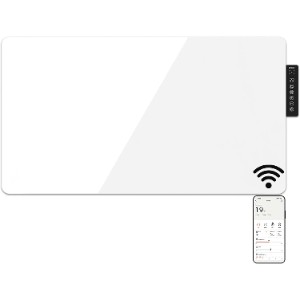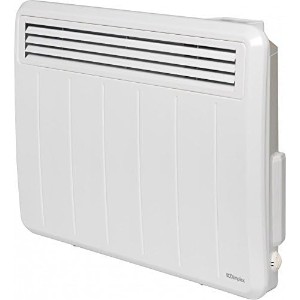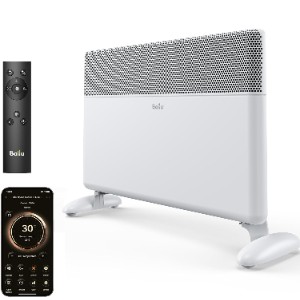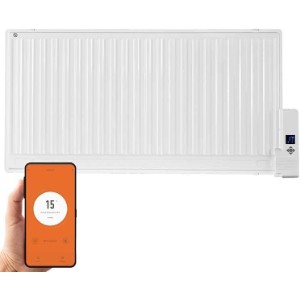
If you’re paying too much to heat your home, a Dimplex QM125 Quantum storage heater could be one of the smartest investments you’ll make. Storage heaters charge overnight on cheaper Economy 7 electricity and release that stored heat throughout the day, which means the same warmth for significantly less money than running a panel heater on a standard tariff.

Below you’ll find nine of the best storage heaters currently available in the UK, covering everything from compact manual units for box rooms to fan-assisted models that can warm a large open-plan space in minutes.

Contents

Our Top Picks

ImageName

Dimplex QM125 Quantum 2.76kW Storage Heater

Dimplex QM125 Quantum 2.76kW Storage Heater

Automatic charge control with grain store technology. The best storage heater for hands-free efficiency, ideal for living rooms up to 25m². Read more

Elnur ADL3018 3kW Fan-Assisted Storage Heater

Elnur ADL3018 3kW Fan-Assisted Storage Heater

Fan-assisted heat delivery for rapid warm-up. The top pick for large living rooms and hallways needing quick morning heat. Read more

Elnur SH18M 2.55kW Manual Storage Heater

Elnur SH18M 2.55kW Manual Storage Heater

Reliable manual static heater for living rooms and large bedrooms up to 22m². Simple to operate with no electronics to fail. Read more

Dimplex XL18N 2.55kW Manual Storage Heater

Dimplex XL18N 2.55kW Manual Storage Heater

XL brick pack for enhanced heat retention. A trusted Dimplex manual heater with flexible wall or floor installation. Read more

Elnur SH12M 1.7kW Manual Storage Heater

Elnur SH12M 1.7kW Manual Storage Heater

Compact manual heater sized for bedrooms and studies up to 17m². Lighter and easier to install than larger models. Read more

Dimplex Q150 Quantum 1.5kW Storage Heater

Dimplex Q150 Quantum 1.5kW Storage Heater

Quantum automatic charge control in a bedroom-sized unit. Ideal for those who want hands-free storage heating in a smaller room. Read more

Elnur CSH18A 2.55kW Combination Storage Heater

Elnur CSH18A 2.55kW Combination Storage Heater

Storage heat plus 500W convector backup in one unit. The best solution if you worry about running out of heat in the evening. Read more

Elnur SH24M 3.4kW Manual Storage Heater

Elnur SH24M 3.4kW Manual Storage Heater

The highest-output static manual heater on the list. Designed for large rooms over 30m² or poorly insulated older properties. Read more

Elnur SH6M 0.85kW Manual Storage Heater

Elnur SH6M 0.85kW Manual Storage Heater

The most compact storage heater for small rooms under 8m². Keeps a utility room, porch, or box room frost-free economically. Read more

9 Best Storage Heaters for UK Homes

1. Dimplex QM125 Quantum 2.76kW Storage Heater

Dimplex QM125 Quantum 2.76kW Storage Heater

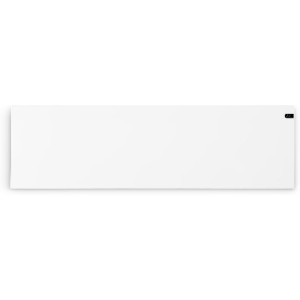
The Dimplex Quantum range is the most technically sophisticated storage heater you can buy for domestic use, and the QM125 at 2.76kW sits in the sweet spot for living rooms and larger bedrooms. Unlike manual storage heaters that rely on you correctly setting the charge dial the night before, the Quantum automatically calculates how much electricity to absorb based on a programmed schedule and the current room temperature. The result is considerably less wasted heat and lower electricity bills.

The QM125 uses Dimplex’s proprietary grain store technology, which allows it to hold more heat per kilogram than traditional ceramic bricks. It also has a built-in room thermostat and 24-hour digital timer, so you can set precise heating periods rather than hoping a manual dial delivers the right output at the right time. The display is simple enough to programme once and largely forget.

The main caveat is price: Quantum heaters cost substantially more than basic manual units, and with only four reviews on Amazon at the time of writing it doesn’t have the review depth of more mainstream alternatives. That said, for anyone serious about minimising Economy 7 running costs over the long term, the automatic charge control pays for itself. If you want a 1.5kW version for a smaller room, the Dimplex Q150 lower down this list is the same technology at a lower output.

Best suited to households on Economy 7 or Economy 10 tariffs who want a set-and-forget storage heater with precise temperature control. Not the right choice if you’re after something cheap and simple.

Features

  • Output: 2.76kW
  • Automatic charge control with digital timer
  • Built-in room thermostat
  • Grain store heat retention technology
  • 24-hour programmable schedule
  • Dimensions: H.700 x W.920 x D.165mm
Pros:

  • Automatic charge calculation reduces wasted heat significantly
  • Digital thermostat gives precise room temperature control
  • High heat retention per unit volume thanks to grain store
  • Set-and-forget operation once programmed
Cons:

  • Considerably more expensive than manual alternatives
  • Limited reviews on Amazon

2. Elnur ADL3018 3kW Fan-Assisted Storage Heater

Elnur ADL3018 3kW Fan-Assisted Storage Heater

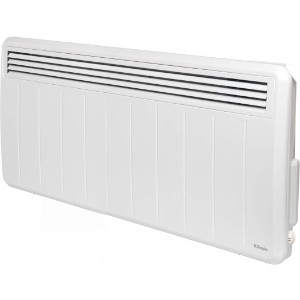
If you need heat on demand rather than just slow background warmth, the Elnur ADL3018 is the storage heater to consider. The fan-assisted design means it can push out stored heat rapidly when the room temperature drops, rather than relying purely on natural convection. At 3kW it’s one of the higher-output options on this list, making it well-suited to larger rooms, hallways, or open-plan spaces where a passive static heater would struggle to keep up.

The ADL3018 has a built-in fan that activates automatically when you need a boost, and a manual charge control to set overnight input. Elnur is a well-established Spanish brand that supplies much of the UK social housing market, so the build quality is solid and spares are readily available. It’s noticeably deeper than static heaters due to the fan mechanism, so measure your recess carefully before ordering.

It doesn’t have the digital smarts of the Dimplex Quantum, but for anyone who wants reliable heat delivery from a storage heater without the higher cost of auto-charge control, this is an excellent middle-ground. Best for larger living rooms, open-plan kitchens, and any room where you want heat on demand as well as background warmth.

Features

  • Output: 3kW
  • Fan-assisted heat delivery for rapid warm-up
  • Manual charge control
  • Thermostat control for output
  • Dimensions: H.660 x W.810 x D.240mm
Pros:

  • Fan delivers rapid heat when needed rather than slow convection
  • 3kW output handles large rooms effectively
  • Solid build quality with good UK spares availability
Cons:

  • Manual charge control only, no automatic optimisation
  • Deeper than static heaters, needs more wall clearance
  • Fan adds a low-level noise when running

3. Elnur SH18M 2.55kW Manual Storage Heater

Elnur SH18M 2.55kW Manual Storage Heater

The SH18M is Elnur’s mid-size manual static storage heater, and at 2.55kW it’s the right output for most British living rooms in modern or semi-modern properties. Manual storage heaters are deliberately simple: a charge dial sets how much electricity the heater absorbs overnight, and an output dial controls how quickly heat is released during the day. There’s nothing to programme, nothing to update, and nothing to go wrong electronically.

The SH18M uses high-density ceramic bricks to store heat, has a slim 150mm depth that makes it easy to fit in standard alcoves, and comes in a clean white finish that doesn’t look out of place against a modern wall. It has 22 reviews on Amazon with a 3.9-star average, which is typical for a product in this category where most buyers are perfectly satisfied but occasionally frustrated by the learning curve of manual charge control.

Getting the most from any manual storage heater takes a few days of adjustment. Set the charge too low and the room runs cold by late afternoon; too high and you’re releasing heat overnight when no one needs it. Once you’ve found the right setting for your property and climate, the SH18M runs quietly and reliably. A solid choice for buyers who want a straightforward, no-fuss manual unit at a reasonable price.

Features

  • Output: 2.55kW
  • Manual charge and output controls
  • High-density ceramic brick heat store
  • Slim 150mm depth
  • Dimensions: H.730 x W.765 x D.150mm
  • Weight: 113kg (includes bricks)
Pros:

  • Good output for most living rooms and large bedrooms
  • Slim profile fits standard recesses easily
  • Simple operation with no electronics to fail
Cons:

  • Manual charge control requires adjustment based on weather
  • Heavy to install due to ceramic brick content
  • No automatic or digital controls

4. Dimplex XL18N 2.55kW Manual Storage Heater

Dimplex XL18N 2.55kW Manual Storage Heater

Dimplex is the most recognised name in UK storage heaters, and the XL18N is their core manual static model at 2.55kW. It matches the Elnur SH18M on output and dimensions, but comes from a brand that has been manufacturing storage heaters for the UK market since the 1970s. With only two Amazon reviews it doesn’t have a deep review history, but both ratings are five-star and Dimplex’s reputation in this space is well established.

The XL18N uses a straightforward charge dial and output dial design. The “XL” designation refers to the extra-large brick pack, which gives it slightly better heat retention than some competitors at the same output rating. It has a slim 165mm depth and comes with wall brackets and feet included, so installation options are flexible. The build quality is reassuringly solid, and Dimplex UK stock parts for the whole range through their service network.

If brand trust matters to you and you want a 2.55kW manual heater, this is a credible alternative to the Elnur SH18M. The two are closely matched on spec, so your decision will likely come down to price and availability on the day you order. Step up to the Dimplex QM125 if you want automatic charge control, or consider the Elnur ADL3018 if you need heat on demand through a fan.

Features

  • Output: 2.55kW
  • XL brick pack for enhanced heat retention
  • Manual charge and output controls
  • Wall bracket and feet included
  • Dimensions: H.700 x W.770 x D.165mm
Pros:

  • Trusted Dimplex brand with strong UK parts and service network
  • XL brick pack gives good heat retention
  • Flexible installation with brackets and feet included
Cons:

  • Very few Amazon reviews to draw on
  • Manual controls only, no digital or automatic features

5. Elnur SH12M 1.7kW Manual Storage Heater

Elnur SH12M 1.7kW Manual Storage Heater

Smaller rooms call for smaller heaters, and the Elnur SH12M at 1.7kW is sized for bedrooms, studies, and single-aspect rooms up to around 17m². Rated 4.3 stars across 17 Amazon reviews, it has a more credible review base than many other heaters in this niche category. Buyers consistently note it heats a bedroom effectively through the day and is uncomplicated to operate.

The SH12M follows the same manual charge/output design as the SH18M, just in a physically smaller and lighter unit. The reduced brick content makes it considerably easier to handle during installation, which matters given that storage heaters need to be positioned on a dedicated circuit and wired to the Economy 7 supply. The slim 150mm profile fits neatly under a window in a bedroom without looking industrial.

Worth considering if you’re heating a spare room or home office on a budget and don’t need the output of the larger SH18M. For a small bedroom or box room, this is often the most cost-effective option on the list. If you need something even smaller, the Elnur SH6M (further down this list) covers rooms under 8m².

Features

  • Output: 1.7kW
  • Manual charge and output controls
  • High-density ceramic brick heat store
  • Slim 150mm depth
  • Dimensions: H.730 x W.540 x D.150mm
  • Weight: ~79kg (includes bricks)
Pros:

  • Well-reviewed for its size category
  • Lighter and easier to install than larger models
  • Cost-effective for single rooms
Cons:

  • Insufficient output for rooms over ~17m²
  • Manual controls need daily adjustment in cold snaps
  • No fan, so heat release is gradual convection only

6. Dimplex Q150 Quantum 1.5kW Storage Heater

Dimplex Q150 Quantum 1.5kW Storage Heater

The Dimplex Q150 brings the Quantum automatic charge control system to a compact 1.5kW unit, making it the smart choice for bedrooms and smaller rooms where you want hands-free optimisation without paying for more output than you need. It uses the same grain store technology and built-in digital thermostat as the QM125, just scaled down to bedroom proportions.

The automatic charge system monitors room temperature and adjusts overnight input accordingly, so you don’t wake up to a freezing room because the weather turned cold and you forgot to increase the charge dial the evening before. For bedroom use, this is a genuine quality-of-life improvement over manual heaters. You programme the schedule once, and the Q150 handles the rest.

Like the QM125, it carries a limited number of Amazon reviews, which reflects the niche nature of the Quantum range rather than any quality issue. If the price is significantly higher than a comparable manual heater like the Elnur SH12M, ask yourself whether the automatic convenience is worth the premium for your usage pattern. For most bedroom applications, the answer is yes.

Features

  • Output: 1.5kW
  • Automatic charge control with digital timer
  • Built-in room thermostat
  • Grain store heat retention technology
  • Compact dimensions for bedroom use
Pros:

  • Automatic charge control, no manual adjustment needed
  • Compact size suits bedrooms and studies
  • Grain store technology for efficient heat retention
Cons:

  • Higher price than manual alternatives at same output
  • Limited review history on Amazon

7. Elnur CSH18A 2.55kW Combination Storage Heater

Elnur CSH18A 2.55kW Combination Storage Heater

The most divisive product on this list, and intentionally so. The Elnur CSH18A is a combination storage heater, meaning it has both a ceramic brick heat store for overnight Economy 7 charging and a 500W direct electric convector element for top-up heat on demand. It’s the best of both worlds, or a needlessly complex solution depending on your view.

In practice, the combination design solves a genuine problem with pure storage heaters: the heat running out before the evening if you undercharge. With the CSH18A, if the stored heat is depleted by 6pm, you can fire up the convector element to top up the room at standard rate electricity. You pay more per unit for that convector heat, but less than running a separate portable heater, and the control is seamless from a single unit on the wall.

It has no Amazon reviews at the time of writing, so this is a category buy rather than a product with a proven track record on the platform. That said, the CSH18A is a standard catalogue product from a major European manufacturer and is widely used in UK social housing. For buyers who are new to storage heaters and worried about running out of heat in the evening, the combination approach is worth the modest price premium over a straight SH18M.

Features

  • Storage output: 2.55kW (ceramic brick)
  • Convector top-up element: 500W direct electric
  • Manual charge control for storage element
  • Independent output control for both elements
  • Dimensions: H.730 x W.765 x D.185mm
Pros:

  • Convector top-up solves the “ran out of heat” problem
  • Single wall unit replaces need for separate portable heater
  • Widely used in UK social housing, proven reliability
Cons:

  • No Amazon reviews to assess buyer experience
  • Deeper than static-only models, needs more clearance
  • Convector element runs at standard electricity rate

8. Elnur SH24M 3.4kW Manual Storage Heater

Elnur SH24M 3.4kW Manual Storage Heater

Large rooms need large heaters. The Elnur SH24M at 3.4kW is the biggest static manual storage heater on this list and the right choice for main living rooms in older or poorly insulated properties, open-plan layouts, or any room over roughly 30m². It’s in the same manual SH family as the SH12M and SH18M, just with a larger brick pack and higher charge rating.

As with all manual static heaters, the SH24M requires you to set the charge dial each evening. At 3.4kW the charge rate means a full overnight charge uses roughly 3.4 x 7 = 23.8 kWh of Economy 7 electricity, costing around £1.90–£2.60 depending on your tariff. That’s enough stored heat to keep a large room comfortable for most of the day without running the charge at maximum every night.

It carries no Amazon reviews, which is honest to note: this is a heavy, specialist product that most people buy through electrical wholesalers or heating suppliers rather than Amazon. The lack of reviews shouldn’t put you off if you specifically need a 3.4kW static manual heater, but you should also price-check against specialist heating retailers before buying. The Elnur ADL3018 fan-assisted model at the top of this list offers similar output with the advantage of controllable heat delivery, and is worth comparing on price.

Features

  • Output: 3.4kW
  • Manual charge and output controls
  • High-density ceramic brick heat store
  • Dimensions: H.730 x W.1020 x D.150mm
  • Wall bracket and feet included
Pros:

  • Highest static output on this list, suits large rooms
  • Slim 150mm depth despite large brick content
Cons:

  • No Amazon reviews
  • Very heavy when fully installed with bricks
  • Manual charge control only

9. Elnur SH6M 0.85kW Manual Storage Heater

Elnur SH6M 0.85kW Manual Storage Heater

The smallest storage heater on this list, the SH6M at 0.85kW, is designed for rooms that barely need heating: a downstairs toilet, a small porch, a utility room, or a compact single bedroom under 8m². It uses the same proven Elnur manual design as the rest of the SH range, just in miniature.

At under a kilowatt of output, the overnight charge cost is very low, and because it’s a proper storage heater rather than a direct electric heater, that heat accumulates cheaply on Economy 7 and releases during the day. For a small space that just needs to be kept frost-free or slightly warmer than the rest of the house, this is a more efficient solution than a plug-in panel heater running on a standard tariff.

Features

  • Output: 0.85kW
  • Manual charge and output controls
  • Compact dimensions: H.730 x W.290 x D.150mm
  • Wall bracket and feet included
Pros:

  • Very low running cost for small spaces
  • Compact and easy to install
Cons:

  • Insufficient for rooms larger than 8m²
  • Manual charge only, no thermostat feedback
  • No reviews on Amazon at time of writing

Storage Heater Buying Guide

Key Takeaways

  • Storage heaters only make sense on Economy 7 or Economy 10 tariffs, where overnight electricity costs roughly 8–11p/kWh vs the ~24p/kWh daytime rate.
  • For a modern well-insulated room, size at 100W of output per m²; for older properties with poor insulation, use 125–150W per m².
  • Automatic charge control (Dimplex Quantum range) significantly reduces wasted heat compared to manual models, but costs considerably more upfront.
  • Fan-assisted models (Elnur ADL3018) deliver heat on demand as well as background warmth; static models rely on natural convection only.
  • Combination heaters have a backup convector element for evenings when stored heat runs out, at standard electricity rate.
  • Storage heaters are wired to a dedicated Economy 7 circuit and cannot simply be plugged in, so factor in installation costs if replacing or adding new heaters.

What Is a Storage Heater?

A storage heater is an electric heater containing a core of high-density ceramic or refractory bricks that absorb and store heat over several hours. Rather than generating heat on demand from the mains at standard rates, a storage heater charges its brick core overnight using cheaper off-peak electricity from a time-of-use tariff such as Economy 7, then releases that stored heat gradually throughout the following day via natural convection or a built-in fan. The result is day-time heat at overnight electricity prices.

How Do Storage Heaters Work?

Storage heaters are wired to a separate circuit that only receives power during the off-peak hours of your electricity tariff. Economy 7 typically runs for seven hours overnight, usually between midnight and 7am, though the exact window varies by region and supplier. During those hours, the heater’s internal elements heat the ceramic bricks to temperatures of 650–750°C, storing a large amount of thermal energy in a compact mass. A thick layer of mineral wool insulation around the brick core holds that heat in place and controls how quickly it releases.

During the day, a manually operated output dial (or automatic thermostat on smarter models) opens a vent that allows room air to circulate past the hot bricks and pick up heat. The charge dial, which you set the evening before, controls how much electricity is absorbed overnight. Set it too low and the heat runs out by early afternoon; too high and you’re still releasing heat at midnight when no one wants it. Getting this balance right is the main skill involved in running manual storage heaters effectively, and it’s the problem that automatic charge control systems like the Dimplex Quantum are designed to solve.

Choosing the Right Output for Your Room

The key sizing rule for storage heaters in the UK is 100W of output per m² of floor area in a modern, well-insulated property, rising to 125–150W per m² in an older or poorly insulated home. Ceiling height, north-facing walls, and single-glazed windows all increase the figure. A room with 3m ceilings needs roughly 10–15% more output than a standard 2.4m ceiling room of the same floor area.

As a practical guide: a 10m² bedroom needs around 1–1.5kW (Elnur SH12M or Dimplex Q150), a 20m² living room needs 2–2.5kW (Elnur SH18M or Dimplex XL18N), and a 30m² open-plan kitchen-diner in an older property may need 3.4kW or a fan-assisted model. When in doubt, size up rather than down. Running a heater at partial charge is more efficient than running an undersized heater flat out and still not achieving comfort temperature.

Room SizeModern HomeOlder/Poorly InsulatedRecommended Model
Up to 8m²0.85kW0.85–1kWElnur SH6M
8–15m²1–1.5kW1.5–2kWElnur SH12M / Dimplex Q150
15–22m²1.5–2.5kW2–3kWElnur SH18M / Dimplex XL18N
22–30m²2.5–3kW3–3.5kWElnur ADL3018 / Elnur SH24M
Over 30m²3kW+3.5kW+Elnur ADL3018 + secondary heater

Running Costs: What to Budget For

The whole point of a storage heater is to use cheap overnight electricity. As of 2026, Economy 7 overnight rates typically sit at 8–11p/kWh through most suppliers, compared to the Ofgem price cap standard rate of approximately 24p/kWh. That gap is what makes storage heating economical.

A 2.55kW storage heater like the Elnur SH18M or Dimplex XL18N, running at full charge for seven Economy 7 hours overnight, uses 17.85 kWh and costs approximately £1.43–£1.96 at 8–11p/kWh rates. Running the same output as a direct electric panel heater at 24p/kWh for just three hours would cost £1.84, and you’d have heat for only part of the day. The saving over a heating season is substantial.

In practice, you won’t charge at maximum every night. A more realistic average across a heating season is 60–70% of full charge, which brings the SH18M’s nightly cost to roughly 85p–£1.40. Over a four-month heating season (October to January) that’s around £100–£170 for a single 2.55kW heater, compared to £300–£400 for an equivalent run-time from a direct electric heater on a standard tariff.

Note that Economy 7 tariffs typically charge a higher daytime rate than standard single-rate tariffs, sometimes by 3–5p/kWh more. The economics of storage heating only work if the majority of your electricity use occurs during the off-peak window. If you use a lot of power during the day (electric cooking, appliances, EV charging), model the full tariff carefully before switching.

Types of Storage Heaters

Manual static heaters are the most common and affordable type. A charge dial set the night before controls overnight input; an output dial controls how quickly heat releases during the day. They require attention and adjustment, but there’s nothing to break electronically. The Elnur SH series and Dimplex XL series fall into this category.

Automatic static heaters use a built-in thermostat to adjust charge automatically, removing the guesswork from nightly setup. The Dimplex Quantum range is the main example in the UK market. Automatic heaters are significantly more expensive but save wasted electricity over time.

Fan-assisted heaters have a built-in fan that forces stored heat into the room rapidly rather than relying on convection. The Elnur ADL3018 is the key example on this list. Useful for large rooms or spaces that need heat quickly in the morning rather than gradually.

Combination heaters combine a storage core with a direct electric convector element for backup heat. The Elnur CSH18A is the example here. The convector runs at standard electricity rate so it’s more expensive to use, but it means you’re never completely without heat even if the stored charge runs low.

Smart storage heaters connect to Wi-Fi and can be controlled via an app or voice assistant, with some models using weather forecasting to optimise overnight charge. These are available from specialist manufacturers and represent the newest generation of storage heating technology, though they currently carry a significant premium.

Room-Specific Recommendations

Living room: The highest-priority room to get right. A living room of 18–25m² in a standard semi-detached needs 2–2.5kW of storage output at minimum. If the room runs cold by 6pm in winter, a fan-assisted model or a combination heater with a convector backup will solve the problem. The Elnur ADL3018 at 3kW is the safest choice for a large living room; the Dimplex QM125 is the best choice if you want automatic charge optimisation.

Bedroom: Noise matters more here than in any other room. Static storage heaters are completely silent, which makes them ideal for bedrooms. The output dial should be set to release heat slowly overnight, maintaining background warmth without overheating. The Elnur SH12M (1.7kW) suits a standard double bedroom; the Dimplex Q150 (1.5kW) is the better choice if you want automatic temperature control without manual fuss.

Hallway: Often the coldest space in the house and the hardest to keep warm because warm air escapes through doors. A fan-assisted model delivers a quick blast of warmth when needed rather than relying on convection to heat a through space. The Elnur ADL3018 is the best option here if you have a large hallway.

Home office: A room used irregularly, which makes full overnight charging wasteful. A combination heater like the Elnur CSH18A is useful here, because you can top up with the convector element only when you’re actually in the room, minimising overnight charge on days you’re not working from home.

Small utility rooms and porches: The Elnur SH6M at 0.85kW is sized exactly for this use. It keeps a small space frost-free without using a significant amount of electricity.

Safety Features: What to Look For

All modern UK storage heaters are required to meet BS EN 60675 and must have overheat cutouts that shut the unit down if internal temperatures exceed safe limits. Reputable brands including Dimplex and Elnur build in multiple safety layers including thermal fuses, high-limit thermostats, and anti-tip switches on freestanding models.

Storage heaters should always be wired by a qualified electrician to a dedicated radial circuit on the Economy 7 supply, protected by the appropriate MCB. They should not be connected to extension leads or adaptors under any circumstances. Minimum clearances of 300mm above the unit and 150mm to each side should be maintained. Do not place furniture, curtains, or clothing in direct contact with the heater’s output vents.

During the charge phase overnight, the heater’s outer casing can become warm to the touch but should not be hot enough to cause burns. If the outer case becomes uncomfortable to touch during off-peak hours, this can indicate a fault and the unit should be inspected by a qualified engineer.

Controls, Timers and Automatic Features: What’s Worth Paying For

The fundamental limitation of manual storage heaters is that you’re setting tomorrow’s heat level based on today’s weather, which isn’t always a reliable guide. A warm day followed by a cold night can leave you undercharged; a cold day followed by a mild night leaves you releasing unwanted heat the next day. This is an inconvenience rather than a dealbreaker for most users, but it does mean some trial and error, particularly in the autumn when temperatures are variable.

Automatic charge control systems, most notably the Dimplex Quantum range, address this by using a room thermostat to calculate the charge needed to maintain a set temperature through the day. The system learns your heating pattern and adjusts accordingly, which Dimplex estimates reduces electricity consumption by up to 27% compared to a manually set equivalent. Over a five-year heating period, that saving can offset the higher purchase price.

Smart storage heaters with Wi-Fi connectivity and app control are available from specialist manufacturers and represent the most advanced option. These can integrate with smart tariff data to automatically charge during the cheapest periods, even if those periods shift. They’re worth considering if you’re replacing a whole house of storage heaters in one go, but the premium is hard to justify for a single room.

Benefits of Using Storage Heaters

The headline benefit is simple: day-time heat at night-time prices. For households on Economy 7 or similar tariffs, storage heating delivers significantly lower running costs than any form of direct electric heating at standard rates, and is competitive with gas central heating for smaller properties or individual rooms.

Storage heaters are also completely independent of gas infrastructure, which matters for rural properties off the gas grid, flats where gas installation is impractical, and households that have decarbonised their energy supply. There’s no boiler to service, no gas safety certificate to renew, and no moving parts beyond the optional fan on assisted models.

Installation is simpler than gas central heating, though it still requires a qualified electrician. Maintenance is minimal: the ceramic bricks last the lifetime of the heater, and there’s no annual service requirement. The main ongoing task is occasional cleaning of the output vents and replacing the thermostat if it fails, which is a straightforward job.

Storage Heaters vs. Central Heating and Direct Electric

Gas central heating remains the cheapest option to run for most UK households connected to the gas grid, typically costing 6–8p/kWh equivalent at current gas prices. Storage heating on Economy 7 runs at 8–11p/kWh and is therefore more expensive to run than gas, but substantially cheaper to install in individual rooms or in properties where gas isn’t available. For off-grid properties, storage heating is usually the most cost-effective electric heating option.

Direct electric heating, whether a panel heater, convector, or oil-filled radiator, runs at the full standard electricity rate of around 24p/kWh. For the same room temperature, direct electric costs two to three times more than storage heating on Economy 7. The only advantage of direct electric is flexibility: you pay for exactly the heat you use, with no risk of wasted overnight charge on mild days.

Heat pumps represent the most efficient electric heating option where they can be installed, achieving 3–4 units of heat per unit of electricity at typical UK outdoor temperatures. However, they require significant upfront investment, suitable outdoor space, and ideally a well-insulated property. For most properties where storage heaters are already installed, replacing them with a heat pump involves significant additional cost. Storage heating on Economy 7 remains the practical choice for properties without gas access and without the budget for heat pump installation.

Maintenance and Cleaning

Storage heaters require very little maintenance, which is one of their underappreciated advantages. The ceramic bricks do not degrade over time and do not require replacement under normal use. The heater’s outer casing should be vacuumed gently every few months to remove dust from the input and output vents, which can reduce airflow efficiency if allowed to accumulate. Use a soft brush attachment, not a jet of water.

At the start of each heating season, check that the thermostat is responding correctly by turning the output dial up and confirming the room warms. Test the overheat cutout by checking that the unit cuts out if you cover the output vents for ten minutes (though don’t do this as a regular test). If the heater fails to charge overnight despite the Economy 7 supply being active, check the fuse or MCB on the dedicated circuit before calling an engineer.

When you first turn on a storage heater after a summer off, you may notice a mild burning smell for the first hour or two. This is normal: dust that has settled on the bricks and elements burns off as the unit heats up. Open a window and the smell dissipates quickly. It’s not a sign of a fault.

Common Mistakes to Avoid

Buying a storage heater without checking your tariff. Storage heaters are only cost-effective on Economy 7, Economy 10, or a similar time-of-use tariff. On a standard single-rate tariff, you’re paying full price for overnight charging and you’d be better off with direct electric heating you can control precisely. Before purchasing, confirm with your supplier that your meter supports Economy 7 and that you’re on the right tariff.

Setting the charge dial to maximum every night. Full charge sounds safer but it wastes electricity. On a mild autumn night, a full charge leaves the heater releasing heat at 11pm when the house is empty and everyone is asleep. Use weather forecasts as a guide and gradually learn the right charge level for your property at different outdoor temperatures.

Installing an undersized heater to save money upfront. A 1.7kW heater in a 25m² living room will never be comfortable no matter how you set the charge. Oversizing slightly is far less of a problem than undersizing, because you can always run at reduced charge. Use the room-sizing guide above and add 20% for older properties.

Not planning for evening heat shortfall. Even with correctly sized storage heaters, the heat can run low by 7–8pm on a cold day if the morning was spent at high output. For main living rooms, either choose a combination heater with a backup convector, keep a small direct electric heater for occasional use, or invest in the Dimplex Quantum automatic charge system which manages this more effectively.

When Not to Buy a Storage Heater

If you’re on a standard single-rate electricity tariff and switching to Economy 7 is not practical or economical given your overall usage pattern, a storage heater will cost you more, not less, than a direct electric panel heater. The savings only exist when overnight rates are significantly below daytime rates.

If you need completely flexible heating that you can turn on and off throughout the day without worrying about overnight charge levels, a heat pump or a well-designed radiator system will serve you better. Storage heaters require forward planning and reward consistent usage patterns.

If you rent a property and cannot have a dedicated circuit installed, or if you need a heater that plugs into a standard socket, a storage heater is not compatible. All storage heaters require hardwired connection to a dedicated Economy 7 radial circuit.

If you’re heating a well-insulated modern property that already has gas central heating, there’s almost certainly no financial case for supplementing with storage heaters. The running cost advantage of storage heating over gas is modest, and the installation cost of a new Economy 7 circuit rarely pays back.

Quick Buyer Checklist

  • Do you have an Economy 7 or Economy 10 meter and tariff already in place?
  • Have you measured the floor area of the room and used the 100W/m² rule to determine the output needed?
  • Is there a suitable location on an external or well-insulated wall with 300mm clearance above?
  • Have you confirmed there is a dedicated Economy 7 circuit available, or budgeted for an electrician to install one?
  • Do you want manual charge control (cheaper) or automatic charge optimisation (Dimplex Quantum)?
  • Do you need fan-assisted heat delivery (for quick warm-up) or is natural convection sufficient?
  • Have you considered what you’ll do if the heat runs out before bedtime? (Consider a combination heater if yes.)
  • Have you compared prices including delivery and installation before ordering?

Case Study: Replacing Gas Central Heating in a Victorian Terrace

Background

A homeowner in a mid-terrace Victorian property in the East Midlands decided to decommission their gas boiler after repeated breakdowns and the cost of complying with updated gas safety requirements. The property had solid walls, single-glazed bay windows in the front rooms, and was not suitable for heat pump installation without extensive insulation upgrades. Economy 7 storage heating was identified as the most practical electric heating solution.

Project Overview

The property had three main living areas (front parlour 22m², rear living room 18m², kitchen-diner 15m²) plus four bedrooms and two bathrooms. The aim was to replace the entire gas central heating system with storage heaters on a new Economy 7 supply, keeping running costs comparable to or lower than the gas system had been in its working years.

Implementation

An electrician installed a dedicated Economy 7 sub-board with individual circuits for each heater. Fan-assisted models were specified for the two main reception rooms to allow rapid heat delivery during the mornings. Standard manual static heaters were specified for all bedrooms. The kitchen-diner retained a small panel heater on the standard circuit for flexibility during cooking, when the storage heat was less necessary. Total installation cost including wiring was approximately £3,200.

Results

In the first winter, annual electricity bills increased by approximately £680 versus the previous combined electricity and gas expenditure, largely because the Economy 7 tariff’s higher daytime rate was costing more on non-heating appliances than anticipated. After switching general electricity usage towards off-peak hours (dishwasher, washing machine, EV charging overnight), the second winter came in at roughly £120 more than the previous gas-heated year’s combined bills. The homeowner noted the significant improvement in eliminating boiler maintenance costs and having per-room temperature control for the first time.

Expert Insights From Our Heating Engineers About Storage Heaters

One of our senior heating engineers with over 22 years of experience in domestic and commercial electric heating shares their thoughts:

“The biggest mistake I see with storage heaters is people treating them like direct electric heaters. You can’t turn them up when you’re cold at 4pm and expect heat immediately. The system works by planning ahead: you need to think about tomorrow’s warmth tonight. Once people shift their mindset, they generally find manual storage heaters very manageable. It takes about two weeks at the start of the first heating season to get your settings right for your particular house and your particular routine.”

“For anyone choosing between manual and automatic models, my practical advice is this: if you or anyone in the household will remember to adjust the charge dial on cold or mild evenings, manual is fine and saves you a meaningful amount of money upfront. If the house has elderly residents who shouldn’t have to think about it, or if people’s schedules are irregular, the Quantum automatic system is worth every penny of the premium. I’ve seen houses where an elderly resident was running storage heaters at maximum charge every single night regardless of the weather, and their bills were twice what they needed to be. Automatic control would have paid for itself in two seasons.”

“On installation, never underestimate the weight. A 2.55kW storage heater fully loaded with ceramic bricks weighs over 100kg. You need a solid wall fixing, the correct gauge of cable for the circuit, and in older properties you may need to upgrade the consumer unit to accommodate the additional Economy 7 circuits. Factor that into your budget and don’t try to install the heater without help lifting it into position.”

Frequently Asked Questions

Do I need Economy 7 electricity to use a storage heater?

Yes. Storage heaters only make financial sense if you’re on a time-of-use tariff like Economy 7 or Economy 10 that offers cheaper overnight electricity. On a standard single-rate tariff, a storage heater charges at the same rate as a direct electric heater, but delivers less flexibility. Contact your supplier to check whether your meter supports Economy 7 before purchasing. If you’re switching to Economy 7, note that the daytime rate is typically higher than a standard tariff, so your overall savings depend on shifting as much usage as possible to off-peak hours.

How much does it cost to run a storage heater?

A 2.55kW storage heater (Elnur SH18M or Dimplex XL18N) charged for seven Economy 7 hours uses 17.85 kWh overnight. At 8–11p/kWh (typical Economy 7 overnight rate in 2026), that’s approximately £1.43–£1.96 per night at full charge. In practice, most users charge at 60–70% of maximum, bringing the average nightly cost to around 85p–£1.40. Over a four-month heating season, expect to spend £100–£170 for a single 2.55kW heater in a medium-sized room, compared to £300–£400 for equivalent direct electric heating at standard rates.

How do I set the charge and output dials on a manual storage heater?

The charge dial (set the night before, usually labelled 1–6 or Min–Max) controls how much electricity the heater absorbs overnight. Start at around 3 (mid-range) and adjust based on how warm the room is at the end of the following day. If the room is cold by mid-afternoon, increase the charge; if it’s still releasing heat at bedtime, reduce it. The output dial controls the flap that releases stored heat: fully open in the morning to warm the room quickly, then reduce to maintain temperature through the day. It takes roughly a week of daily adjustment to find the right settings for your property in each season.

What happens if my storage heater runs out of heat in the evening?

This is the most common complaint about storage heaters. Options are: increase the overnight charge setting, use a combination heater with a built-in convector backup (like the Elnur CSH18A), or keep a small direct electric panel heater for top-up use on cold evenings. The Dimplex Quantum’s automatic charge system also helps by calculating the charge more accurately based on the programmed temperature schedule, reducing the likelihood of running low. In a well-insulated modern property with a correctly sized heater, running out of heat by early evening is usually a sign of either undersizing or insufficient overnight charge.

Can I install a storage heater myself?

No, not legally. Storage heaters must be installed by a qualified electrician as Part P domestic electrical work. They require connection to a dedicated radial circuit on the Economy 7 (off-peak) supply, and the wiring must meet current IET Wiring Regulations. An incorrectly wired storage heater is a fire and electrocution risk. Budget £150–£300 per heater for professional installation, depending on whether a new circuit is needed or an existing Economy 7 point is available.

Are storage heaters good for old houses?

Storage heaters can be a practical solution for older properties off the gas grid, but older and poorly insulated homes have higher heat loss, which means you need more output per m² than the standard 100W/m² guideline. Use 125–150W/m² as your starting point for a pre-1980 solid-wall property, and don’t be surprised if you need to run larger heaters than a newer property of the same size. Draught-proofing windows and doors before installing will meaningfully reduce the charge levels needed to stay warm.

How long does a storage heater last?

A quality storage heater from Dimplex or Elnur should last 20–30 years with minimal maintenance. The ceramic bricks do not degrade under normal cycling, and the main wear components are the heating elements and thermostat, both of which can be replaced. There’s no annual service requirement like a boiler, which means the lifetime cost of ownership is considerably lower than gas central heating. If you buy a second-hand property with storage heaters installed, check the age and condition of the elements before assuming they’ll work reliably.

Is it cheaper to use storage heaters or a heat pump?

A heat pump delivers 3–4 units of heat per unit of electricity, making it significantly more efficient than storage heating at standard electricity rates. However, heat pumps cost £8,000–£15,000 to install and require suitable outdoor space, a reasonably well-insulated property, and ideally underfloor heating or oversized radiators. Storage heating on Economy 7 costs more to run per kWh of heat delivered, but the installation cost is a fraction of a heat pump. For households in flats, terraces without outdoor space, or properties that can’t justify the heat pump investment, storage heating on Economy 7 remains the most practical low-cost electric heating option.

Summing Up

For households on Economy 7 or similar off-peak tariffs, storage heaters remain one of the most cost-effective ways to heat a UK home with electricity. The Dimplex QM125 Quantum is the standout choice for anyone who wants automatic charge control and minimal fuss, while the Elnur SH18M and Dimplex XL18N cover the vast majority of living rooms and bedrooms at a much lower upfront cost for those happy to manage charge settings manually. If you need rapid heat delivery in a large room, the Elnur ADL3018‘s fan-assisted design is hard to beat.

The most important thing to get right before buying is your tariff. Storage heaters are not a cost-effective choice on a standard single-rate electricity contract. Confirm you’re on Economy 7 and that a qualified electrician can connect the heater to the off-peak circuit, and you’ll have a heating solution that lasts decades with almost no maintenance.

Updated