Heating Guides, Advice & Insights

Expert advice on home heating systems, including boilers, heat pumps, radiators, controls, efficiency improvements, and choosing the right solution for your property.

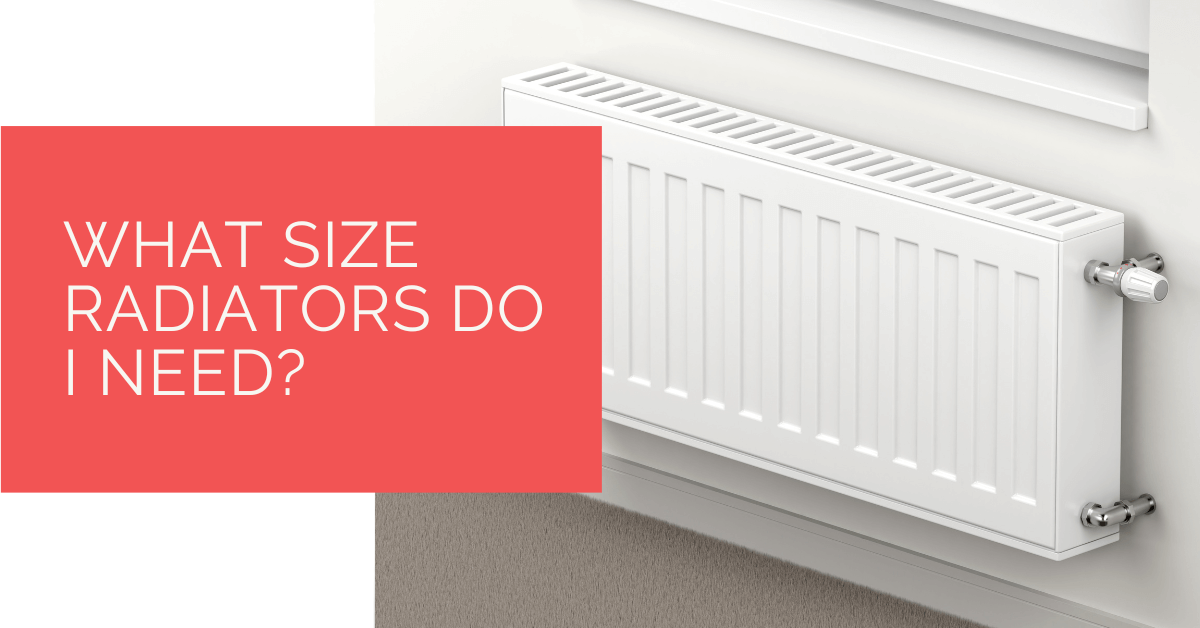
What Size Radiators Do I Need?

The right radiator size is the one that can replace the heat a room loses on a cold day. That sounds simple, but it is why guessing by room size alone often leads to disappointment. Two rooms with the same floor area can need very different radiators if one has large windows, more external walls, Read more »
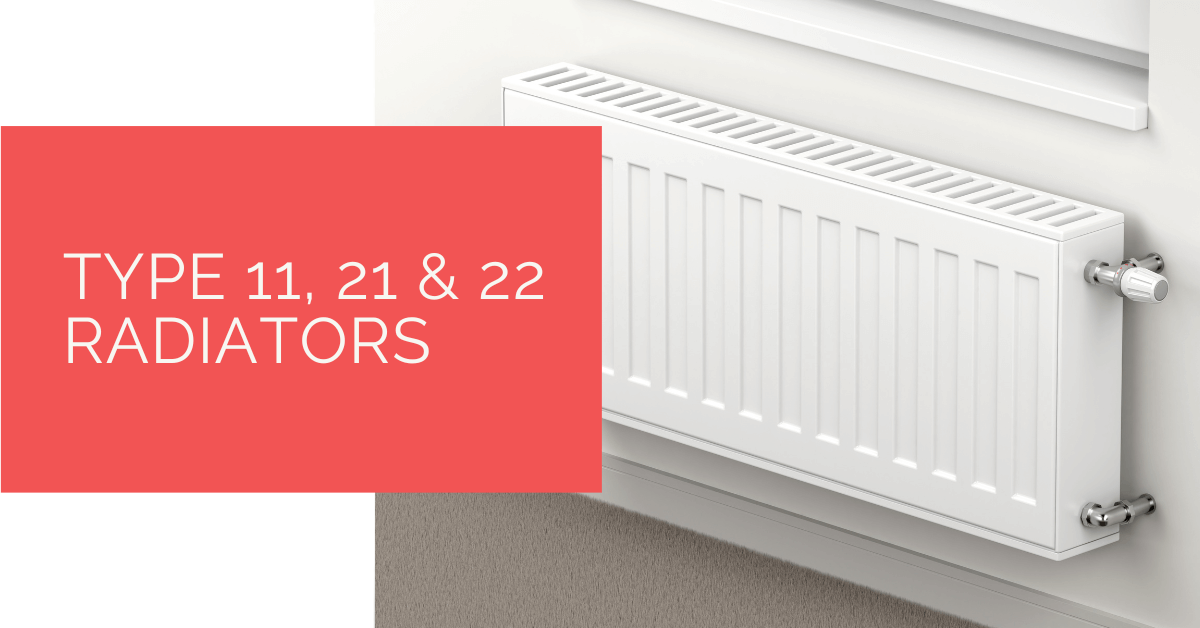
Type 11, 21 & 22 Radiators

Type 11, Type 21 and Type 22 radiators are panel radiator configurations. The numbers tell you how many panels and convector fins the radiator has, which affects heat output, depth and suitability for different rooms. The mistake is choosing by type alone. A Type 22 usually gives more heat than a similar-sized Type 11, but Read more »

What Is a Central Heat Inhibitor?

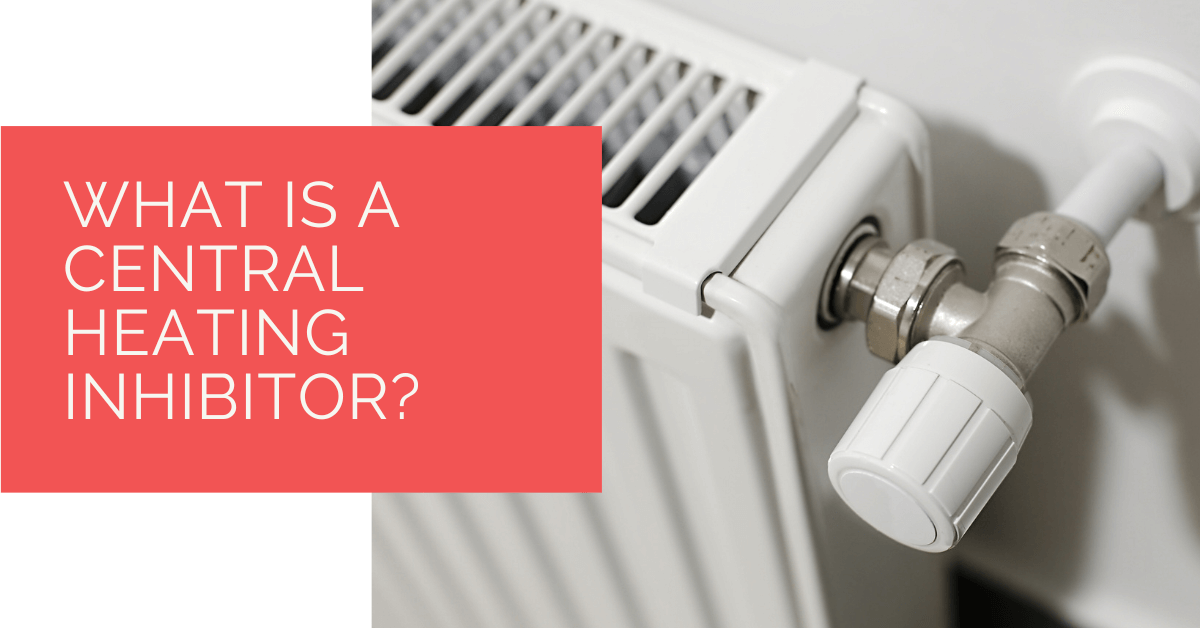
Central heating inhibitor is a chemical added to wet heating systems to reduce corrosion, sludge and scale-related problems. It is not glamorous, but it helps protect radiators, pipework, pumps and boilers from the dirty water problems that quietly damage performance. The important caveat is that inhibitor is prevention, not a magic cleaner. If the system Read more »

Why Is My House Hot Upstairs and Cold Downstairs?

A house that is hot upstairs and cold downstairs usually has a heat movement problem, not two unrelated comfort problems. Warm air rises, sunlight and loft spaces can overheat upper rooms, while downstairs rooms may be shaded, draughty or slower to receive heat from the heating system. The right fix depends on when it happens. Read more »

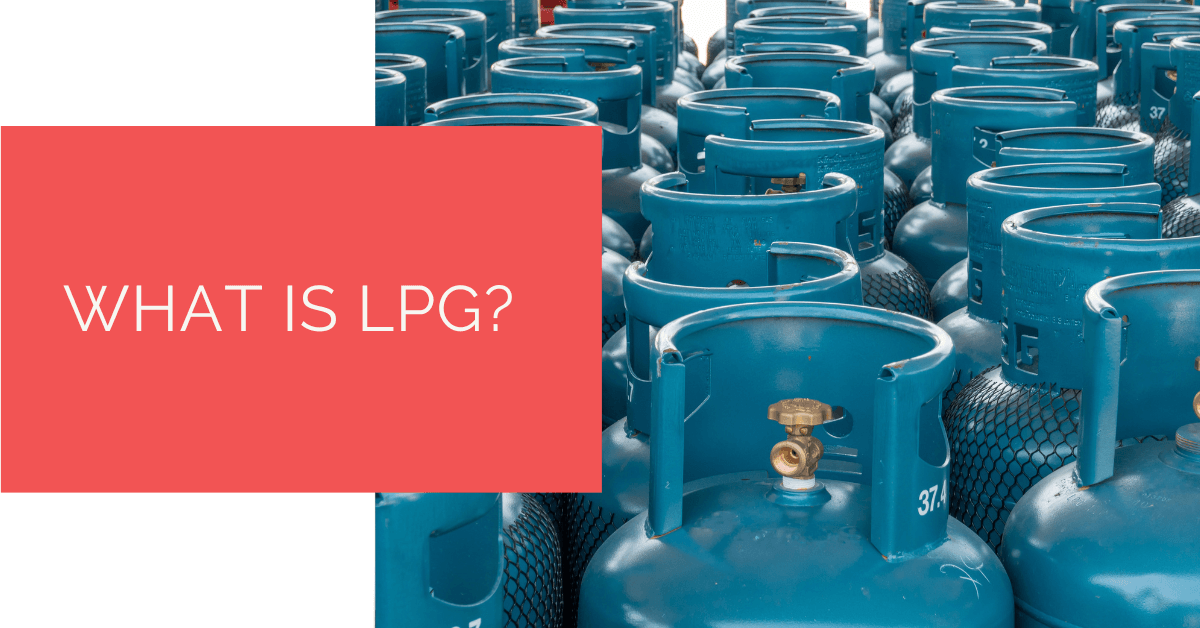
What Is LPG?

LPG stands for liquefied petroleum gas. It is a portable fuel used where mains gas is unavailable or inconvenient, from patio heaters and barbecues to caravans, forklifts, rural homes and some commercial heating systems. The useful thing about LPG is that it can be stored as a liquid under pressure and used as a gas Read more »

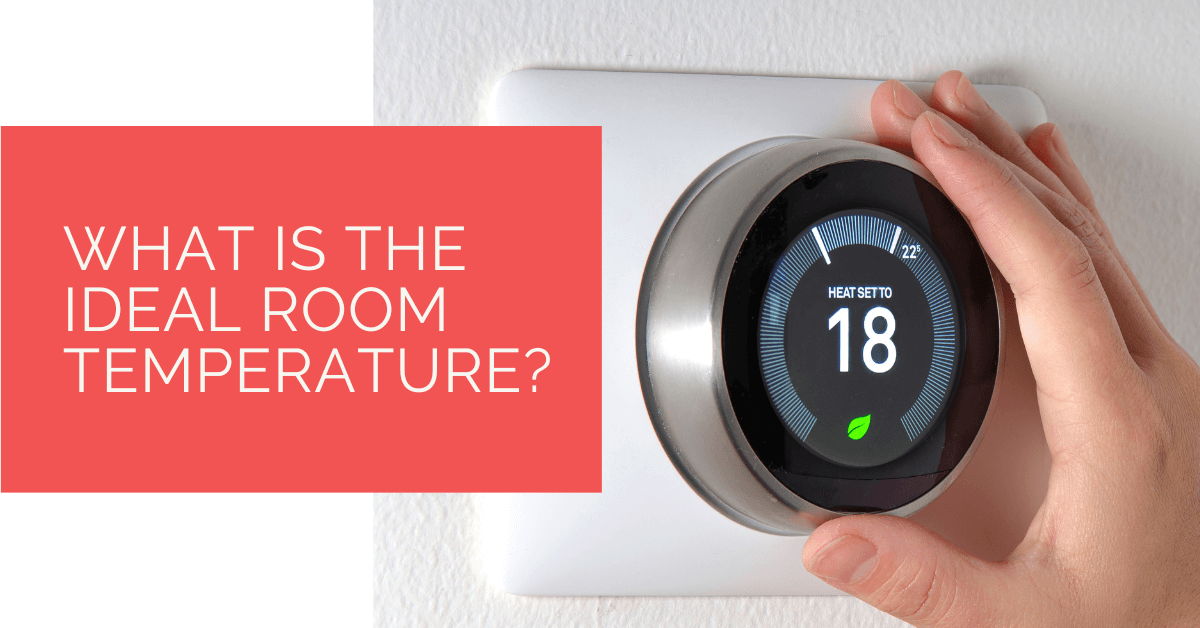
What Is the Ideal Room Temperature?

The ideal room temperature is not one fixed number for every home. Comfort depends on the room, activity, clothing, humidity, draughts, age, health and how quickly the building loses heat. For many UK homes, a living-room setting around 18 to 21C is a practical starting point, while bedrooms are often comfortable slightly cooler. The goal Read more »

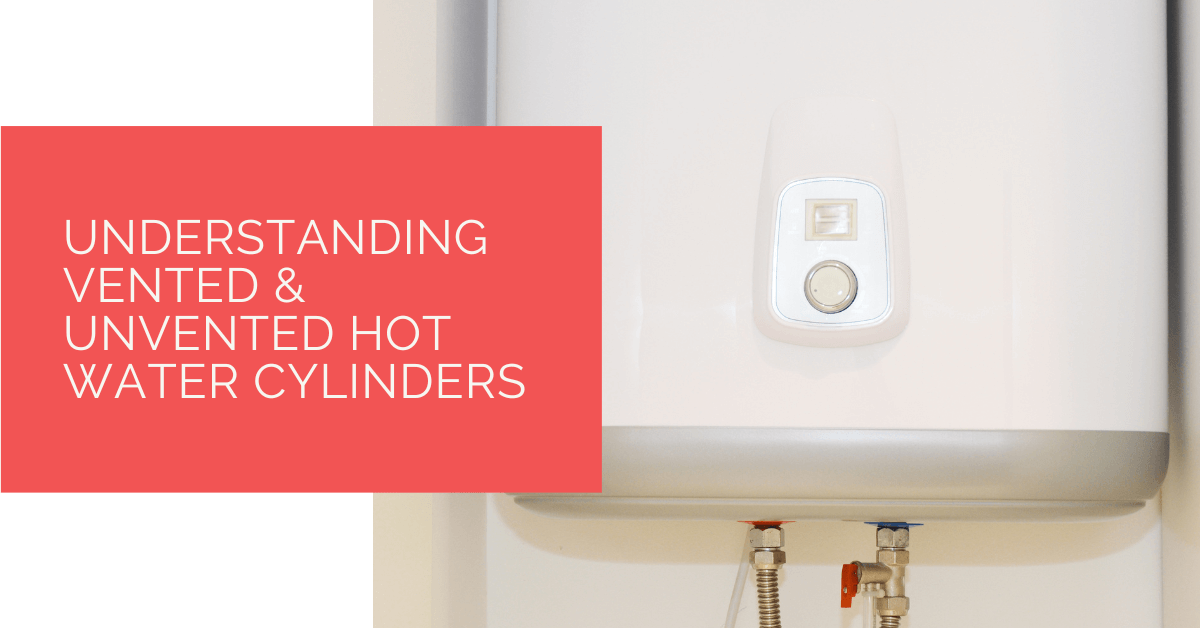
Understanding Vented & Unvented Hot Water Cylinders

Hot water cylinders are easy to ignore until showers run cold, pressure disappoints or a replacement is needed. The big decision is usually whether the home should keep a vented cylinder or move to an unvented one. The difference is not just the cylinder. It affects water pressure, loft tanks, safety controls, installation rules, maintenance Read more »

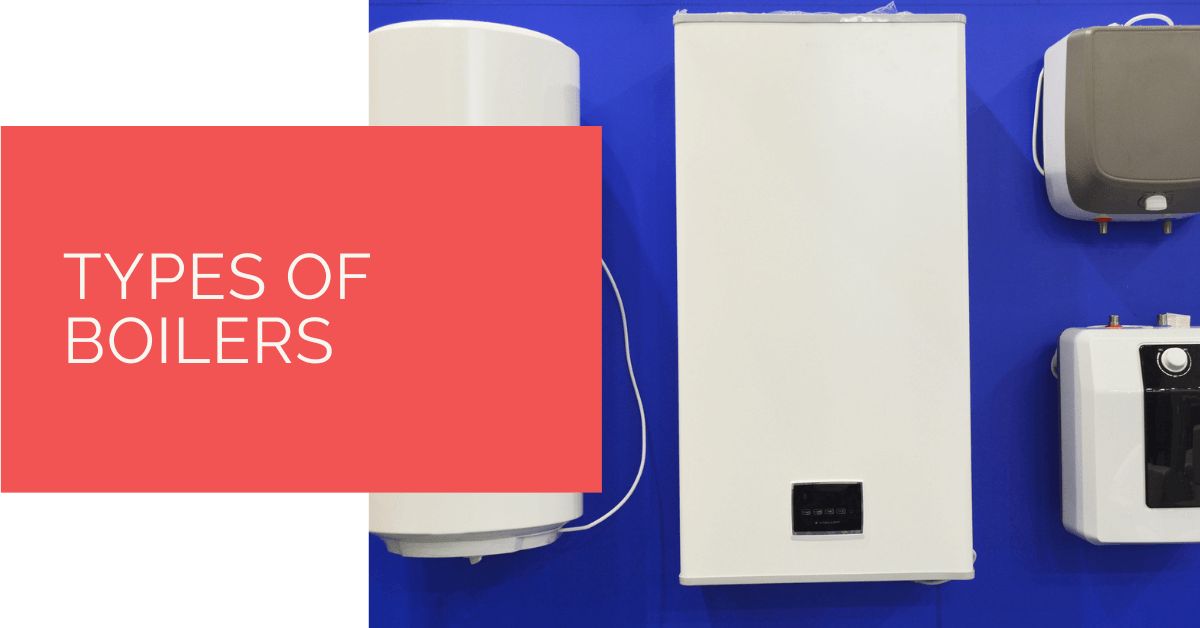
Types of Boilers

Choosing a boiler is really a decision about hot water, heating demand, space and future plans. A small flat with one shower does not need the same system as a family house with two bathrooms, and an older vented system should not be judged by the same rules as a modern combi setup. Most UK Read more »

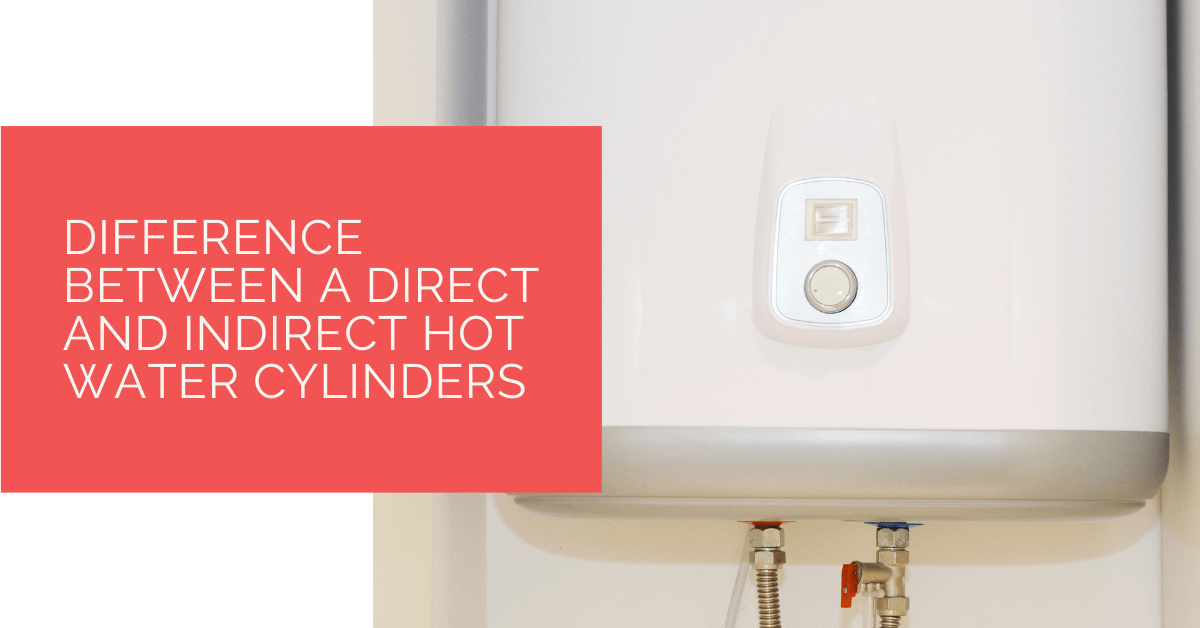
Difference Between a Direct and Indirect Hot Water Cylinders

If you’re in the market for a new heating system or looking to upgrade your existing one, it’s essential to grasp the fundamentals of hot water cylinders. These integral components are crucial in heating and storing water for your home. In this article, we’ll shed light on two primary types of hot water cylinders, direct Read more »

How to Prevent and Clear Airlocks in Pipes?

An airlock is trapped air that stops water moving properly through part of a heating or hot-water system. It can leave a radiator cold, make pipes gurgle or cause a tap to splutter. The important point is diagnosis: not every cold radiator or weak hot tap is an airlock. This guide explains the signs, the Read more »