Renewable Energy Guides, Advice & Insights

Insights into renewable energy and low-carbon heating, including heat pumps, energy efficiency, sustainability, and reducing household energy costs and emissions.

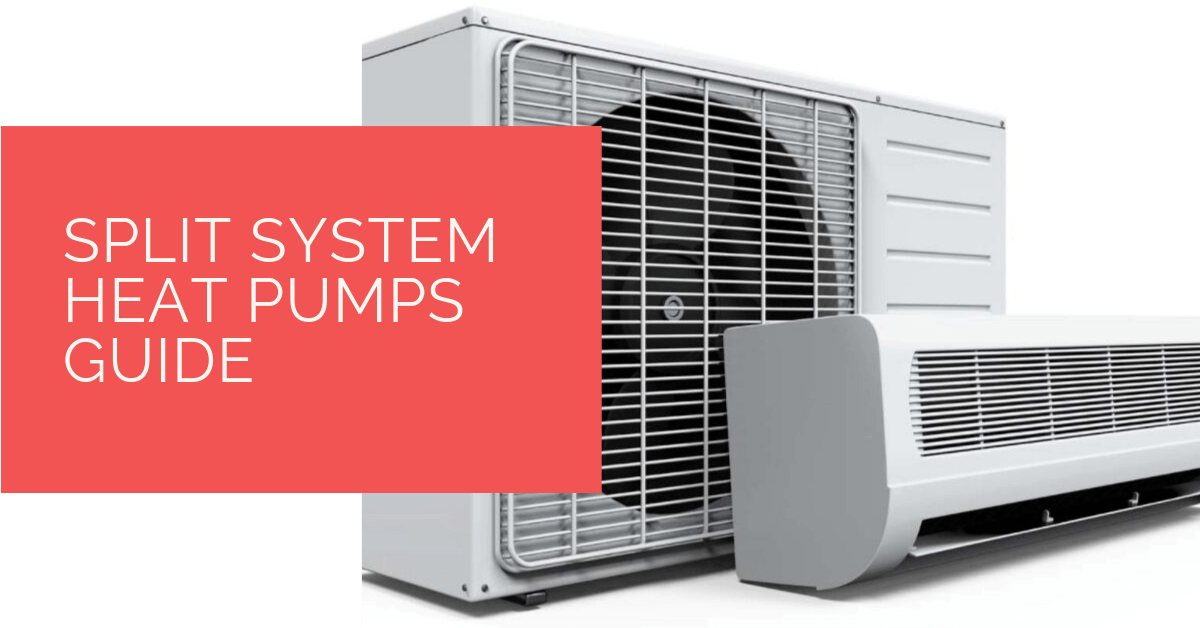
Split System Heat Pumps Guide

A split system heat pump uses separate indoor and outdoor units connected by refrigerant pipework. That sounds simple, but the term is often confused with mini-split air conditioning and with standard air-to-water heat pumps used for radiators and hot water. For UK homeowners, the useful comparison is usually split versus monobloc for air-to-water heating, and Read more »
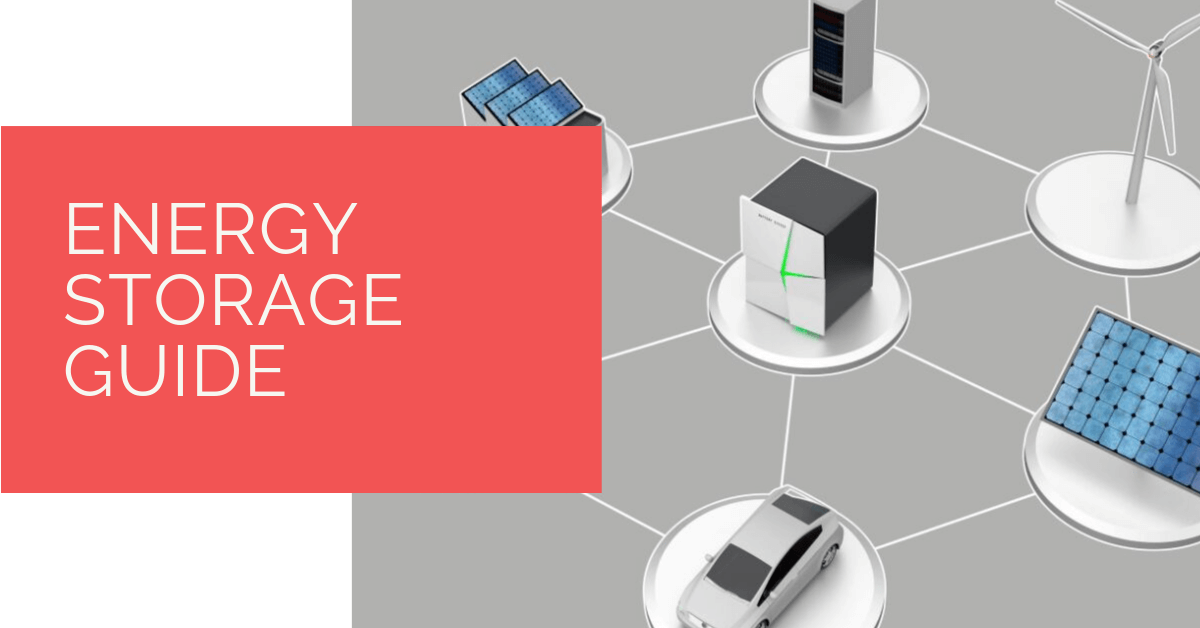
Energy Storage Guide

Energy storage is the process of capturing energy after its production and keeping for later use. Depending on the method and technology, the storage process might involve converting the energy from one particular form that is difficult and or uneconomical to store to another much easier form that is cheaper to store. Additionally, some methods Read more »

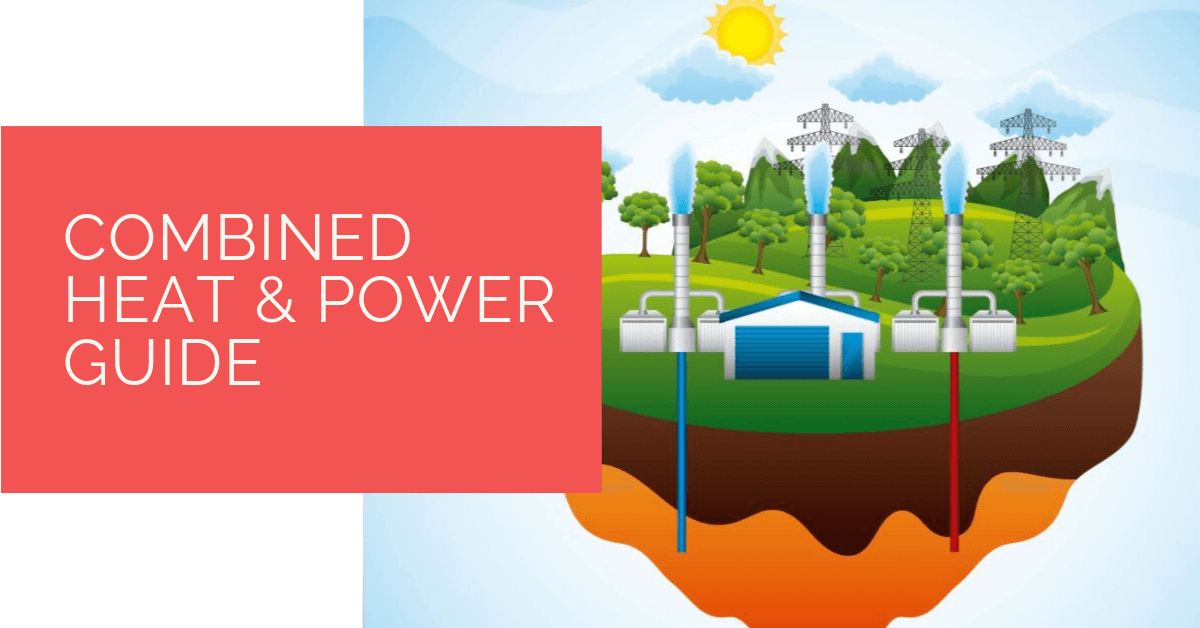
Combined Heat & Power (CHP) Guide

Combined heat and power is a unique method to generate electricity and heat using a single fuel source. This method has a low carbon emission footprint compared to the traditional methods of generating heating and electricity, which also results in a comparatively lower energy cost. Contents1 Key Takeaways2 What Is Combined Heat and Power?3 What Read more »

Microgeneration Guide

Microgeneration is the idea of producing some of the energy a home or small building uses, rather than relying entirely on electricity from the grid or heat from fossil fuels. For UK homeowners, it usually means technologies such as solar panels, heat pumps, solar thermal, biomass, small wind, hydro or micro-CHP. The appeal is obvious: Read more »

Heat Recovery Systems Guide

A heat recovery system ventilates a building while reducing the heat lost with outgoing stale air. In homes, the most common version is mechanical ventilation with heat recovery, or MVHR, which extracts humid air from kitchens, bathrooms and utility rooms while supplying filtered fresh air to living spaces and bedrooms. MVHR can be excellent in Read more »

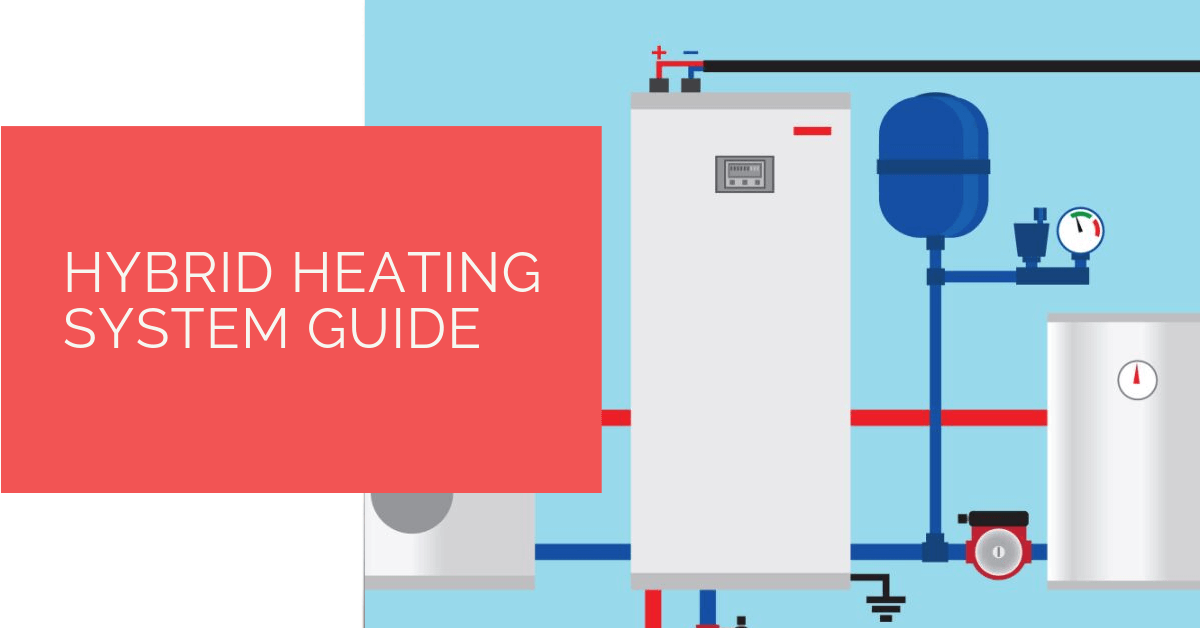
Hybrid (Dual Fuel) Heating System Guide

A renewable heating system offers a lot of benefits to both residential and commercial properties. From a clear energy balance to long-term savings, there are countless advantages of using a renewable heating system. There are two types of heating system that is prevalent in the UK: Air source heat pump (ASHP) Ground source heat pump Read more »

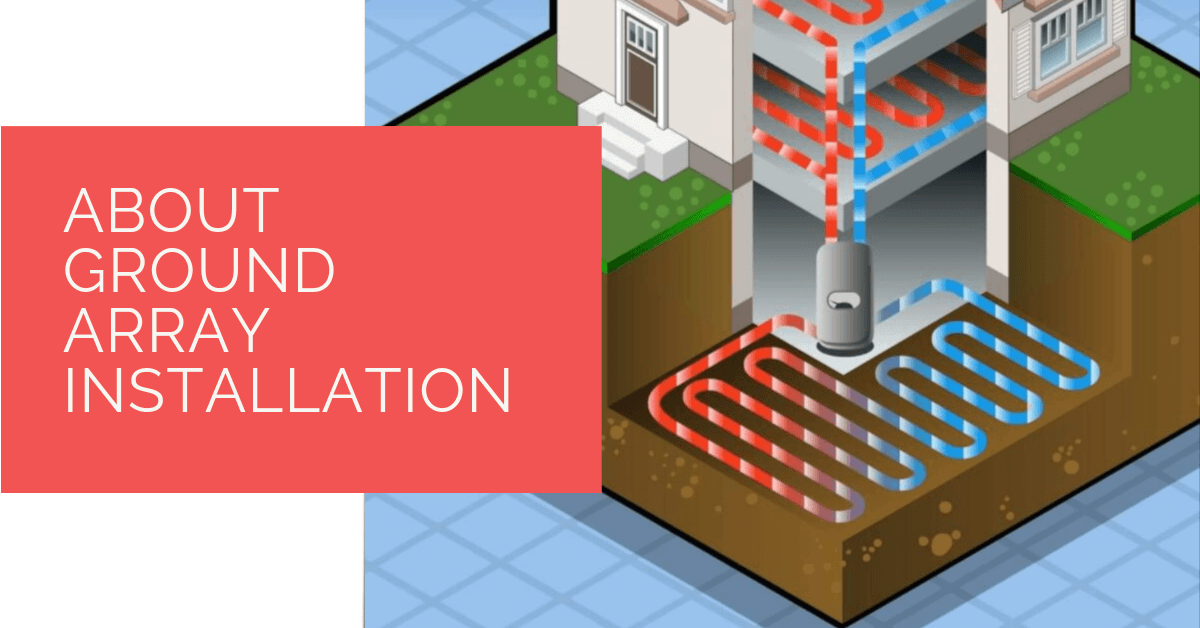
About Ground Array Installation

The ground array is the part of a ground source heat pump system that quietly decides whether the whole installation performs well. It is the buried pipework that collects heat from the ground and carries it back to the heat pump. If it is too small, badly spaced, poorly installed or placed in unsuitable ground, Read more »

Water Source Heat Pumps Guide

Water source heat pumps use heat stored in water rather than air or ground. That can be attractive because water temperatures are often more stable than outdoor air, but it only works where the water source, permissions and installation design line up. For most homes, air source heat pumps are more common. Water source systems Read more »

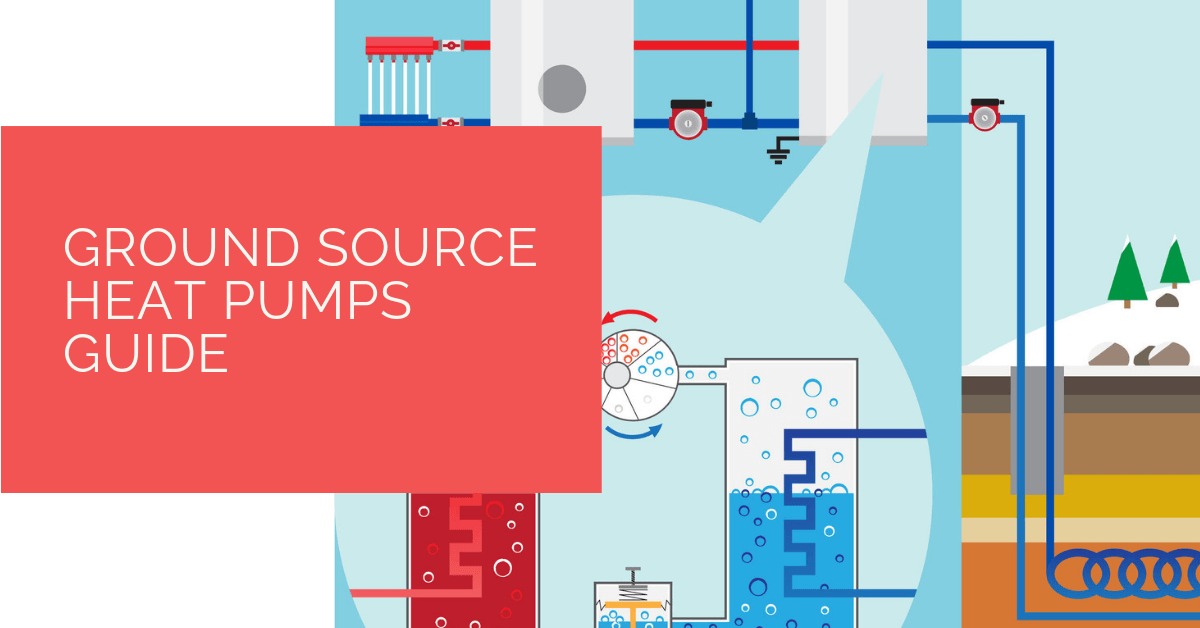
Ground Source Heat Pumps Guide

A ground source heat pump can be one of the most efficient ways to heat a home, but it is also one of the most site-dependent. The heat pump itself is only half the story. The buried ground loop, the land or boreholes, the heating emitters, the hot-water cylinder and the quality of the design Read more »

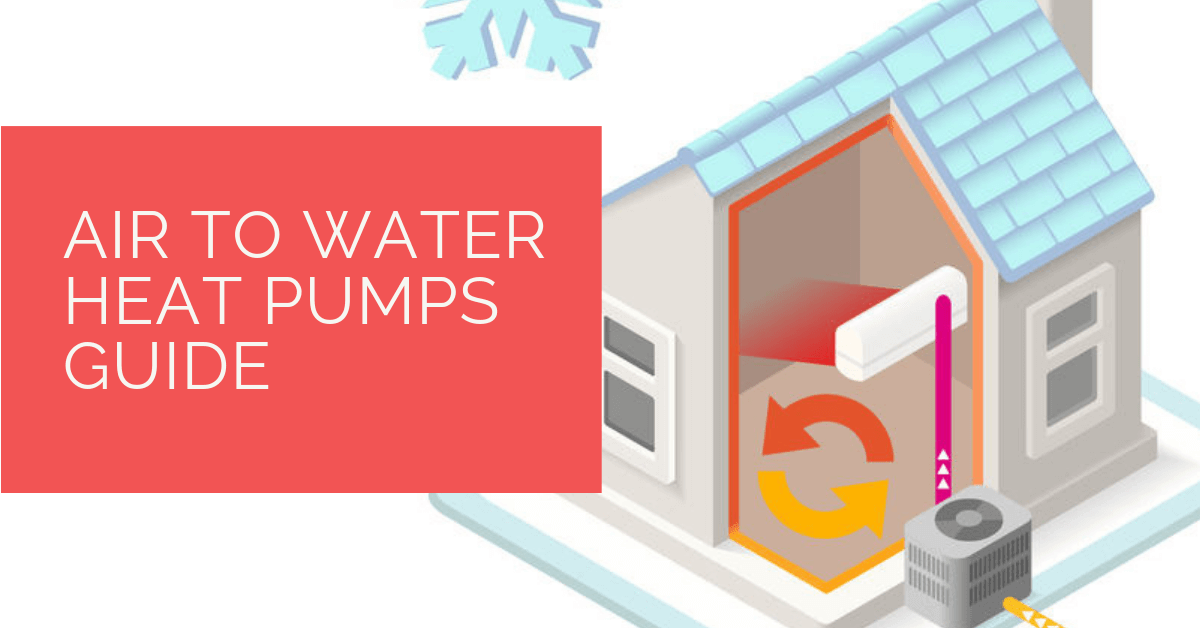
Air to Water Heat Pumps Guide

Air-to-water heat pumps are the type most UK homeowners usually mean when they talk about replacing a boiler with a heat pump. They take heat from outdoor air and use it to warm water for radiators, underfloor heating and, with the right cylinder, domestic hot water. The important point is that an air-to-water heat pump Read more »