
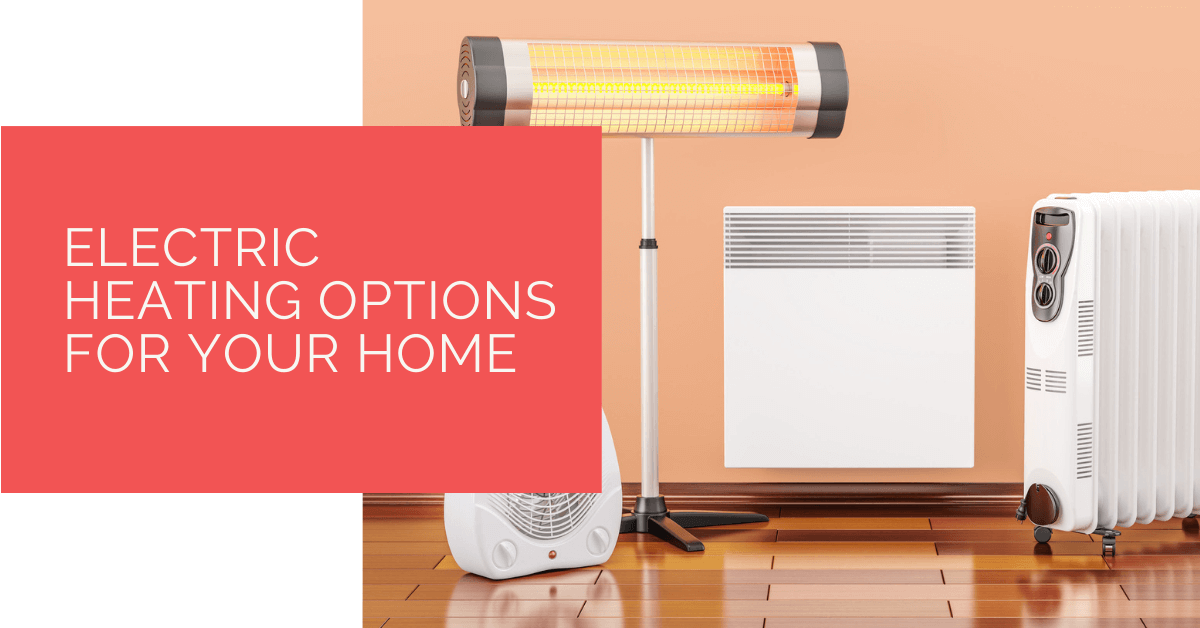
Electric heating can mean anything from a small plug-in heater to a whole-home heat pump. That range is useful, but it also makes comparisons confusing. Some electric systems are cheap to install and expensive to run. Others cost more upfront but can be far more efficient over time.
This guide compares the main electric heating options for UK homes, including electric radiators, storage heaters, infrared panels, electric boilers and heat pumps. It covers running costs, room sizing, safety, controls and when each option makes sense.
Contents
- 1 Key Takeaways
- 2 Electric Heating Options Compared
- 3 Direct Electric Heating vs Heat Pumps
- 4 Running-cost Examples
- 5 Choosing by Room and Use Case
- 6 Safety, Circuits and Controls
- 7 Case Study: Replacing Plug-in Heaters with a Better Electric Heating Plan
- 8 Expert Insights from Our Heating Engineers About Electric Heating
- 9 Frequently Asked Questions
- 9.1 What Is the Cheapest Electric Heating to Run?
- 9.2 Are Electric Radiators Expensive to Run?
- 9.3 Is an Electric Boiler a Good Idea?
- 9.4 Are Infrared Panels Worth It?
- 9.5 Can Electric Heating Replace Gas Central Heating?
- 9.6 What Safety Features Should I Look For?
- 9.7 Should I Choose Electric Heating for a Rental Property?
- 10 Summing Up
Key Takeaways
- Direct electric heaters are simple, but heavy use can be expensive.
- Heat pumps are electric heating too, but they move heat rather than creating it directly.
- Room size, insulation and runtime matter more than heater labels.
- Good controls are essential if electric heating is used regularly.
- Safety and circuit capacity should be checked before adding high-load appliances.
Electric Heating Options Compared
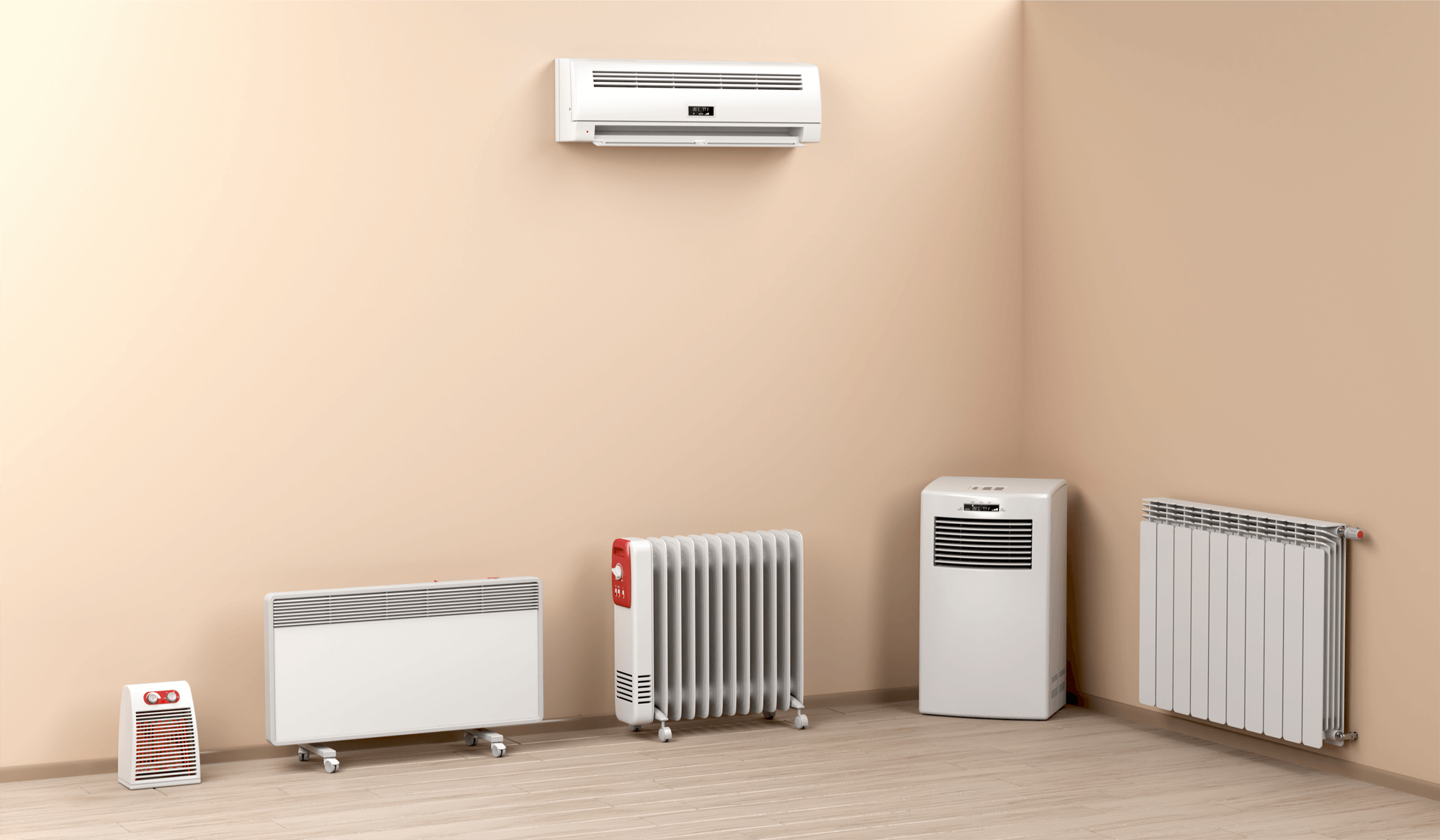
| Option | Best For | Main Trade-Off |
|---|---|---|
| Plug-in convector or fan heater | Short bursts in occupied rooms | Can be costly if used for long hours. |
| Oil-filled radiator | Steadier portable heat | Slow warm-up and still direct electric cost. |
| Electric radiator | Rooms without wet central heating | Simple installation but higher running cost than heat pumps. |
| Storage heater | Homes on suitable time-of-use tariffs | Needs good controls and tariff match. |
| Infrared panel | Targeted comfort in specific zones | Less suited to heating air evenly in every room. |
| Electric boiler | Wet heating where combustion is not wanted | High electricity use for whole-home heat. |
| Heat pump | Whole-home low-carbon heating | Higher upfront cost and design requirements. |
If you are comparing electric heating with other low-carbon routes, our gas boiler alternatives guide gives the wider context.
Direct Electric Heating vs Heat Pumps
Direct electric heating turns electricity into heat at the point of use. That is efficient in a narrow technical sense, but it usually delivers one unit of heat for one unit of electricity. A heat pump can deliver several units of heat for each unit of electricity by moving heat from outside or the ground.
That difference matters for whole-home heating. A direct electric heater can be sensible for a spare room used occasionally. It is much harder to justify as the main heat source in a poorly insulated home used all day.
Running-cost Examples
| Appliance | Typical Input | One Hour at 25p/kWh | Best Use |
|---|---|---|---|
| Small panel heater | 1kW | 25p | Small room or background top-up. |
| Fan heater | 2kW | 50p | Short, fast warm-up only. |
| Oil-filled radiator | 2kW | 50p while heating | Longer steady use with thermostat cycling. |
| Electric boiler | 6kW to 12kW+ | £1.50 to £3.00+ per hour at full load | Niche whole-home use where alternatives are unsuitable. |
| Heat pump | Varies by output and COP | Depends on seasonal efficiency | Whole-home heating with proper design. |
Tariffs change, so use the method rather than memorising one figure. Multiply the kW input by the hours used and your unit rate. For safety advice on portable heaters, Electrical Safety First’s portable heater guidance is worth reading before relying on plug-in heaters for long periods.
Choosing by Room and Use Case
A bedroom used for one hour in the evening needs a different solution from an open-plan living space used all day. Occasional use favours low installation cost and good timers. Regular use favours efficiency, zoning and stable controls.
If the electric heating is only for a room that your main system does not serve well, first check whether the main system can be improved. Our radiator sizing guide may help if the issue is one underheated room rather than a need for separate electric heating.
Safety, Circuits and Controls
Electric heaters are high-load appliances. Avoid overloading extension leads, placing heaters near fabrics or using portable heaters as permanent unattended heat sources. Fixed electric heating should be installed and controlled properly, especially in bathrooms, kitchens and rental properties.
Controls make a large difference. A thermostat, timer and zoning can prevent waste. Without them, electric heating can become expensive simply because it is easy to leave running.
Case Study: Replacing Plug-in Heaters with a Better Electric Heating Plan
A homeowner in an off-gas flat used plug-in heaters in the living room and bedroom. The heaters were cheap to buy, but winter bills were high and comfort was uneven. The living room overheated near the heater while the far side stayed cold.
Instead of buying more portable heaters, the homeowner reviewed room sizes, insulation, tariff options and daily routines. The bedroom needed short scheduled heating, while the living room needed steadier warmth and better placement. A small dehumidifier was also added because indoor drying was making the flat feel colder and damper.
The final setup used fixed electric radiators with timers in the main rooms and kept a portable heater only as a short-term backup. The homeowner also sealed draughts and changed when laundry was dried indoors.
The result was not as efficient as a heat pump would have been in a suitable property, but it was safer and easier to control than scattered plug-in heaters. The lesson is that electric heating needs a plan, not just more appliances.
The homeowner also replaced a plug-in timer with proper thermostatic control in the room that was used most often. That made the heating easier to live with and reduced the temptation to leave a portable heater running longer than necessary.
The final setup mixed fixed heating for daily use with one portable appliance for occasional top-ups. That proved more practical than trying to heat every space in the same way.
Expert Insights from Our Heating Engineers About Electric Heating
One of our senior heating engineers with over 18 years of experience says: “Electric heating can be excellent for targeted use, but expensive as a blunt whole-house solution. The first question should be how long the heater will run, not how cheap it is to buy.”
For homes considering a long-term electric whole-home system, compare direct electric options with our complete heat pump guide before making a final decision.
Whole-Home Electric Heating vs Room-by-Room Heating
The biggest decision is whether electric heating will be the main heating system or a room-by-room supplement. A plug-in heater used for 30 minutes in a home office is a completely different proposition from direct electric heating used across an entire house through winter.
Whole-home direct electric heating can be simple and clean at the point of use, but it needs excellent controls and realistic running-cost expectations. Room-by-room heating can be very efficient in lifestyle terms if you only heat the space you occupy, but it can create comfort problems if the rest of the home becomes too cold or damp.
Controls Make or Break Electric Heating
Because electric heat responds quickly, controls should be precise. Timers, thermostats, open-window detection and zoning can all reduce waste. Without controls, a cheap heater can become expensive simply because it is easy to leave on.
Storage heaters are a good example. Older storage heaters could be awkward because they charged overnight and released heat whether it was needed or not. Modern high-retention storage heaters with better controls can be much more practical, but only if the tariff and household routine suit them.
| Home Type | Likely Electric Heating Fit | Caution |
|---|---|---|
| Small well-insulated flat | Electric radiators or storage heaters may work. | Check ventilation and tariff carefully. |
| Large detached house | Heat pump often deserves serious consideration. | Direct electric bills can be high. |
| Single cold room | Targeted electric heater may be enough. | Fix draughts and radiator issues first. |
| Bathroom | Fixed IP-rated heater or towel rail. | Do not use ordinary portable heaters. |
| Home office | Panel, oil-filled or infrared depending on use. | Avoid running high-output heaters all day unchecked. |
Environmental Considerations
Electric heating avoids combustion inside the home, which is one reason it is attractive. The carbon picture depends on how much electricity the system uses and how that electricity is generated. A heat pump usually has the strongest low-carbon case because it can deliver more heat than the electricity it consumes.
Direct electric heating can still make sense in small, efficient spaces, particularly as the grid becomes cleaner. But for high heat demand, reducing heat loss first is usually better than simply adding more electrical capacity.
How to Size Electric Heating Sensibly
Many electric heater purchases are made by wattage alone, but wattage only tells you how much power the heater can use. It does not tell you whether the room is insulated, whether the heater is in the right place or how long it will need to run. A 2kW heater in a small insulated office behaves very differently from the same heater in a draughty open-plan room.
For rough planning, consider room size, ceiling height, outside walls, window area and how often the room is occupied. If the heater will run every day, spend more time on controls and efficiency. If it is for occasional backup, simplicity may matter more.
Electric Heating Mistakes to Avoid
| Mistake | Why It Matters | Better Choice |
|---|---|---|
| Using plug-in heaters as permanent heating | They are easy to leave running and may be poorly positioned. | Use fixed, controlled heating for regular use. |
| Ignoring insulation | Heat escapes and running cost rises. | Fix draughts and obvious heat loss first. |
| Buying only by upfront price | Cheap units can be expensive to run. | Compare lifetime cost and controls. |
| Heating unused rooms | Electricity cost rises quickly. | Zone and schedule rooms properly. |
| Using heaters near fabrics | Fire risk increases. | Keep clearances and follow safety guidance. |
Good electric heating feels boring in the best way: it turns on when needed, holds the target temperature and turns off automatically. If you have to keep manually switching appliances on and off, the system probably needs better controls.
Final Sense Check Before Choosing Electric Heating
Electric heating is most successful when the use case is clear. If it is for occasional top-up heat, a simple controlled appliance may be enough. If it is for whole-home heating, the running-cost calculation and system design deserve much more attention.
Think about comfort as well as cost. A cheap heater that warms one corner while the rest of the room stays cold is rarely good value. Placement, thermostat accuracy and room insulation can matter as much as the heater type.
If you are planning electric heating for more than one room, build a simple schedule before buying. Which rooms need heat in the morning, evening and overnight? That usage pattern often points to the right controls and may prevent overbuying appliances you rarely need.
When comparing quotes or products, ask what happens on the coldest normal day, not just during mild weather. Electric heating that feels fine in October may be expensive or inadequate in January if the room loses heat quickly.
Frequently Asked Questions
What Is the Cheapest Electric Heating to Run?
A heat pump is often the cheapest electric heating system to run for whole-home use because it moves heat rather than creating all of it directly. For occasional room heating, a small direct electric heater can be cheaper overall if it runs for short periods only.
Are Electric Radiators Expensive to Run?
They can be if used for long hours on standard tariffs. Electric radiators are easy to control and install, but they still use direct electricity. Their running cost depends on wattage, room heat loss, thermostat setting and how many hours they operate.
Is an Electric Boiler a Good Idea?
Sometimes, but it is usually a niche choice. Electric boilers can use existing wet radiators, but whole-home running costs may be high because they are direct electric systems. They tend to make most sense where gas is unavailable and other options are impractical.
Are Infrared Panels Worth It?
They can work well for targeted comfort, home offices and rooms where you want to warm people and surfaces rather than all the air. They are less ideal where you need even whole-room heating for long periods. Placement and controls matter a lot.
Can Electric Heating Replace Gas Central Heating?
Yes, but the running-cost implications need careful calculation. A heat pump may be a stronger electric replacement for whole-home heating than direct electric radiators. Direct electric systems are simpler but can be costly in larger or poorly insulated homes.
What Safety Features Should I Look For?
For portable heaters, look for tip-over protection, overheat protection, stable feet and clear manufacturer guidance. For fixed systems, use appropriate installation, controls and circuit protection. Do not use extension leads for high-load heaters.
Should I Choose Electric Heating for a Rental Property?
It can be sensible in some rental properties because installation is simpler than wet central heating, but running costs and safety still matter. Fixed heaters with proper controls are usually better than relying on loose portable heaters. Landlords should also think about ventilation, damp risk and tenant usability.
Summing Up
Electric heating is not one thing. It ranges from cheap plug-in heaters to whole-home heat pump systems. The right option depends on room size, runtime, insulation, controls and whether you need occasional top-up heat or a main heating system.
Updated