

If you’re considering a heat pump, there are now two different grant tiers available depending on how your home is currently heated. Most homeowners in England and Wales can access £7,500 through the Boiler Upgrade Scheme. If you’re off the gas grid and currently using heating oil or LPG, the grant was increased to £9,000 in April 2026 — recognising that off-grid households face higher fuel costs and have the most to gain from switching.
This guide covers the current grant amounts, who qualifies, how the application works, and what the numbers realistically look like once the grant is applied.
Key Takeaways
- The Boiler Upgrade Scheme (BUS) is the main heat pump grant in England and Wales — it provides an upfront reduction in your installation cost, paid directly to your installer
- The standard grant is £7,500 for air source and ground source heat pumps replacing gas boilers
- A higher grant of £9,000 applies to homes currently using heating oil or LPG — announced April 2026, available from July 2026
- Air-to-air heat pumps (which heat air rather than water) qualify for a separate £2,500 grant for residential properties
- The BUS runs until 2030 with a budget of £400 million for 2026-27 — it is not about to run out
- Your property needs a valid EPC (issued within the last 10 years) to be eligible — the previous requirement to complete outstanding insulation work first was removed in April 2026
- Social housing does not qualify; self-build properties do
- Scotland has its own scheme: the Home Energy Scotland Heat Pump Loan
2026 Boiler Upgrade Scheme Grant Amounts
The grant amounts were restructured in 2026. There are now three tiers based on technology type and — for the first time — a higher rate for homes off the gas grid:
| Technology | Standard Grant | Oil/LPG Homes Grant | Notes |
|---|---|---|---|
| Air Source Heat Pump (air-to-water) | £7,500 | £9,000 | Most common domestic installation; heats water for radiators and hot water cylinder |
| Ground Source / Water Source Heat Pump | £7,500 | £9,000 | Higher upfront cost; suits properties with land for ground array |
| Air-to-Air Heat Pump | £2,500 | £2,500 | Residential properties only; heats air directly, no hot water provision |
| Biomass Boiler | £5,000 | £5,000 | Rural properties off the gas grid only; subject to availability |
The £9,000 tier for oil and LPG homes was announced by the Department for Energy Security and Net Zero on 21 April 2026 and became available from July 2026. It applies to residential and small non-domestic properties in England and Wales that currently use heating oil (kerosene) or liquefied petroleum gas as their primary heat source.
The air-to-air grant of £2,500 is for residential properties only. Air-to-air systems — which use heat pump technology to heat the air inside a room, like a reverse air conditioning unit — do not provide hot water, so they’re typically a partial rather than whole-home heating solution.
Who Is Eligible for the Boiler Upgrade Scheme?
Most homeowners in England or Wales can qualify, but there are specific requirements:
Property type: Existing homes only. New builds are excluded. Social housing is not eligible. Self-build properties are eligible. The property must be in England or Wales — Scotland and Northern Ireland have separate schemes.
Existing heating system: You must be replacing a fossil fuel heating system: gas boiler, oil boiler, LPG system, or direct electric heating. You cannot claim the BUS if your property already has a heat pump installed.
Valid EPC: The property must have a current Energy Performance Certificate (issued within the last 10 years). Note: as of April 2026, outstanding insulation recommendations no longer block the grant. The previous rule requiring cavity wall or loft insulation work to be completed first was removed.
MCS-certified installer: The heat pump must be installed by a Microgeneration Certification Scheme (MCS) certified installer. The installer applies for the grant on your behalf. You cannot apply independently.
What the £7,500 and £9,000 Grants Actually Cover
The grant is applied directly to your installation invoice. You never receive the money yourself — your installer deducts it from their quote and claims it back from Ofgem after installation is complete.
Here’s what realistic net costs look like in 2026:
| Installation Type | Typical Total Cost | After £7,500 BUS | After £9,000 BUS (oil/LPG) |
|---|---|---|---|
| Air source HP — 3-bed semi, good insulation | £9,000–£12,000 | £1,500–£4,500 | £0–£3,000 |
| Air source HP — larger detached | £12,000–£17,000 | £4,500–£9,500 | £3,000–£8,000 |
| Ground source HP | £20,000–£35,000 | £12,500–£27,500 | £11,000–£26,000 |
| Air source + new underfloor heating | £18,000–£30,000 | £10,500–£22,500 | £9,000–£21,000 |
For a well-insulated three-bedroom semi with adequate existing radiators, the net cost after the £7,500 grant can be comparable to a replacement gas boiler (typically £2,500–£4,500 installed). For larger or more complex properties, the gap is bigger.
Running Costs After Installation: The Honest Picture
The grant reduces your upfront cost — it doesn’t change your running costs. Whether a heat pump saves you money on bills depends on three things: your current fuel, the system’s seasonal efficiency (SCOP), and electricity pricing.
| Heating Method | Approx. Unit Cost (2026) | Approx. Cost per kWh of Heat |
|---|---|---|
| Gas boiler (modern condensing) | 5.9p/kWh gas | ~6.5p |
| Oil boiler | 7–9p/kWh oil | ~8–10p |
| LPG boiler | 8–11p/kWh LPG | ~9–12p |
| Heat pump (SCOP 3.0) | 24.67p/kWh electricity | ~8.2p |
| Heat pump (SCOP 3.5) | 24.67p/kWh electricity | ~7.1p |
| Direct electric heater | 24.67p/kWh electricity | ~24.7p |
At current prices, a well-specified heat pump (SCOP 3.5) costs broadly the same per unit of heat as a gas boiler. The economic case is currently much stronger for homes replacing oil or LPG — where a heat pump at SCOP 3.0 is already significantly cheaper to run, even before accounting for the higher £9,000 grant.
Running costs improve further on a time-of-use electricity tariff, which allows the heat pump to run during cheaper overnight periods.
Heat Pump Efficiency: Understanding SCOP
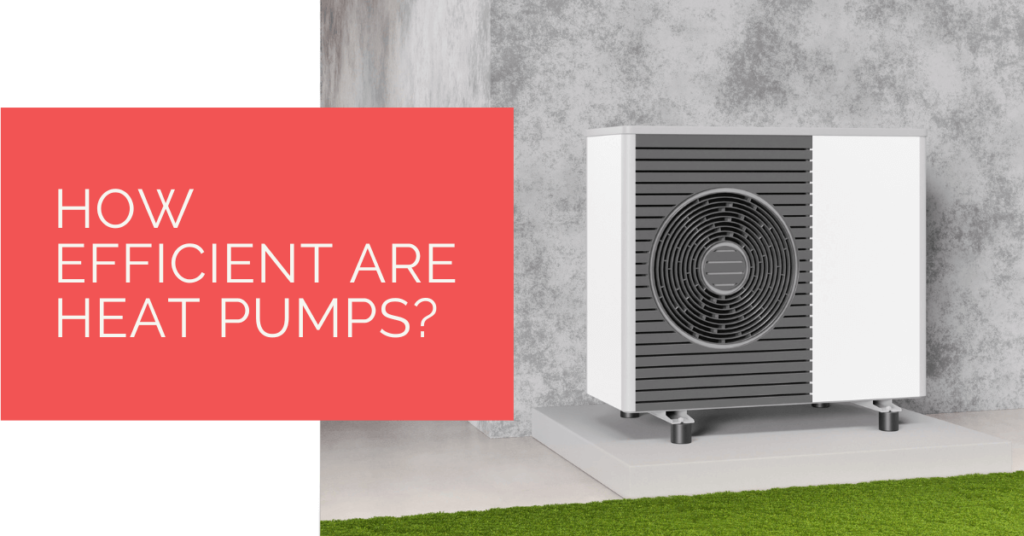
A heat pump’s Seasonal Coefficient of Performance (SCOP) measures how many units of heat it produces for each unit of electricity across a full heating season. A SCOP of 3.5 means 3.5 kWh of heat for every 1 kWh of electricity consumed.
SCOP depends heavily on installation quality:
- A heat pump sized correctly for the building’s heat loss will outperform an oversized one that short-cycles
- Lower flow temperatures (typically 35–45°C) deliver better SCOP than higher ones (55–65°C)
- Underfloor heating and large radiators allow lower flow temperatures — this is why well-designed systems outperform retrofits with original small radiators
- In practice, poorly specified systems in the UK have averaged SCOP below 2.5; well-specified systems regularly achieve 3.5 or above
Before committing to any installation, request a heat loss calculation. This tells you the correct heat pump size for your property and whether your existing radiators are adequate for the flow temperatures a heat pump operates at.
How to Apply
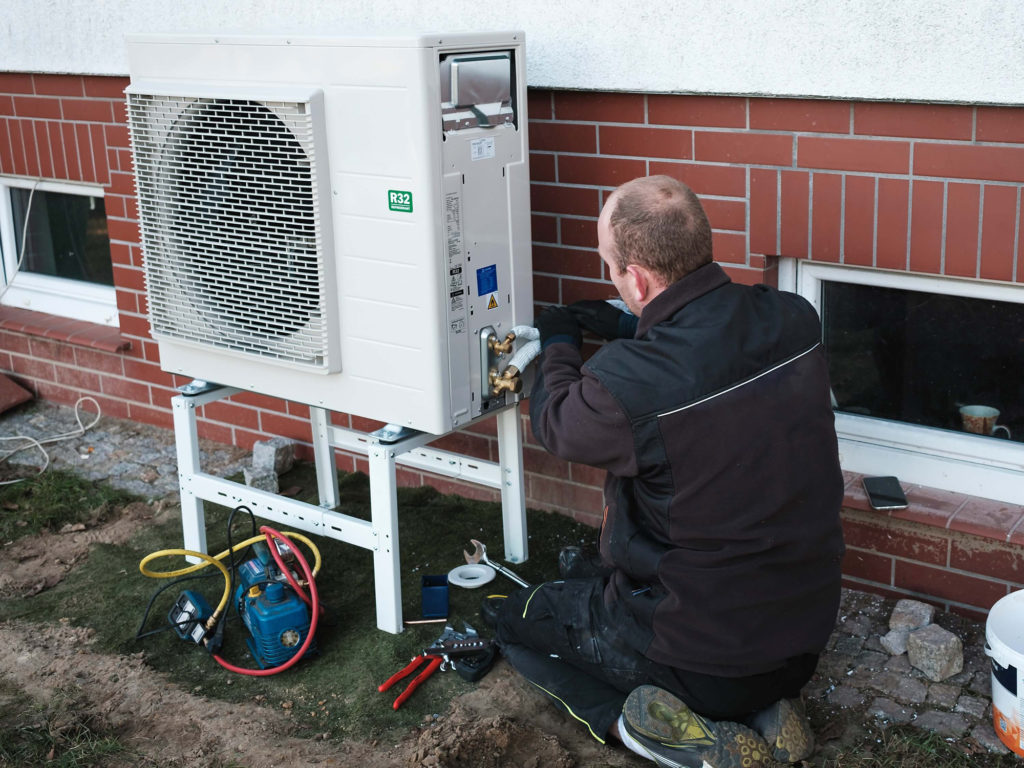
You don’t apply to Ofgem directly. The process is:
- Check your EPC — download it at epcregister.com. Note any cavity wall or loft insulation recommendations and address them if present.
- Get quotes from MCS-certified installers — find them at mcscertified.com. Get at least three quotes. Each should show the full price with the BUS grant deducted.
- Installer applies for a voucher — before starting work, your chosen installer applies to Ofgem for a BUS voucher. Ofgem typically issues vouchers within a few weeks.
- Installation takes place — once the voucher is issued, the work begins. For oil/LPG homes claiming the £9,000 grant, confirm with your installer that they’ve applied under the correct tier.
- Ofgem pays the installer — after the completed installation is certified, Ofgem pays the grant to the installer. You pay the balance.
The voucher is valid for three months from issue. Extensions are possible but not guaranteed, so aim to have a clear installation timeline before the voucher is applied for.
Scotland, Wales, and Northern Ireland
Scotland: The BUS does not cover Scotland. Scottish homeowners can access the Home Energy Scotland Heat Pump Loan — interest-free loans up to £7,500 repayable over 12 years, plus additional cashback in some cases for those replacing oil or LPG heating. Visit homeenergyscotland.org for current details.
Wales: Wales is covered by the BUS under the same terms as England.
Northern Ireland: Northern Ireland has its own Renewable Heat Incentive scheme, administered separately by Ofgem NI. Check nidirect.gov.uk for current NI support options.
Case Study: Oil-to-Heat-Pump Conversion in Rural Shropshire
Background
A family in rural Shropshire had an ageing oil boiler in a four-bedroom detached farmhouse. Heating oil prices had been volatile and their annual heating bill had risen significantly over the previous two years. The property had cavity wall insulation but no cavity wall EPC recommendation — that had been completed under a previous scheme.
Project Overview
The EPC was clear of insulation recommendations. The house had original radiators from the 1990s, several of which would need upsizing for a heat pump’s lower flow temperatures. A heat loss calculation confirmed an 11kW air source heat pump would be correctly sized.
Implementation
Three quotes were obtained. The installer confirmed the property qualified for the £9,000 oil/LPG grant (the property was still using an oil boiler at the time of application). Six radiators were replaced with larger models during installation. The old oil tank was decommissioned and removed.
Total installation cost: £16,200. After the £9,000 grant: £7,200.
Results
In the first full heating year, the family’s annual energy spend on heating fell compared to their peak oil bills. The heat pump runs on a time-of-use tariff with cheaper overnight rates, which has improved running efficiency. Consistency of warmth was noted as a significant improvement — the farmhouse maintains temperature more evenly than the oil system had.
Expert Insights From Our Heating Engineers About Heat Pump Grants
One of our senior heating engineers with over 20 years of experience in heat pump installations shared his view on getting the most from the grant.
“The £9,000 grant for oil and LPG homes changes the economics considerably. I work mostly in rural areas where oil has been the norm for decades. At those prices, after the grant, a well-specified air source heat pump installation in a decent-sized property can cost less than a new oil boiler would have two years ago. The running cost comparison is even more compelling — oil at current prices versus a heat pump on a time-of-use tariff is genuinely no contest.”
“The thing people still get wrong is assuming the grant automatically means it’s the right decision. The grant covers the cost gap, but it doesn’t guarantee the running costs will be better. You need the system sized correctly. Get a heat loss calculation — not an estimate, an actual calculation. If an installer won’t do one, don’t use them.”
“On the EPC question: I’d say one in five of my enquiries hits the cavity wall or loft insulation problem. Pull your EPC before you phone anyone. If there’s a cavity wall recommendation and your walls genuinely don’t have cavities, get a survey report saying so — that satisfies Ofgem. If the cavities just haven’t been filled, it’s usually free or very low cost through the ECO4 scheme, and your heat pump will perform better for it anyway.”
Frequently Asked Questions
How much is the heat pump grant in 2026?
There are now two main rates. Homes replacing a gas boiler receive £7,500 towards an air source or ground source heat pump. Homes currently using heating oil or LPG receive £9,000 — this higher rate was introduced in April 2026 and became available from July 2026. Air-to-air heat pumps (which heat air rather than water) qualify for a separate £2,500 grant for residential properties. Biomass boilers receive £5,000 but are restricted to rural properties off the gas grid.
When does the Boiler Upgrade Scheme end?
The BUS has been extended to 2030. The government confirmed a budget of £400 million for 2026-27. The scheme is not at risk of running out imminently, but vouchers are allocated on a first-come basis within each budget period. Applying sooner rather than later is sensible, particularly as installer waiting times can run to several months in busier areas.
Can I get the £9,000 grant if I have an oil boiler?
Yes — the £9,000 tier was specifically introduced for homes currently using heating oil or LPG. Your property must be in England or Wales, not connected to the gas grid, and you must be replacing the oil or LPG system with an air source or ground source heat pump installed by an MCS-certified installer. The same EPC and insulation eligibility rules apply as for the standard grant.
Do I apply for the Boiler Upgrade Scheme myself?
No. Your MCS-certified installer applies on your behalf and receives the grant payment directly from Ofgem. The grant is deducted from your installation invoice — you pay the remaining balance. You cannot apply independently, and the money never passes through your hands.
Is the Boiler Upgrade Scheme available in Scotland?
No — the BUS covers England and Wales only. Scottish homeowners can apply for the Home Energy Scotland Heat Pump Loan, which offers interest-free loans up to £7,500 repayable over 12 years. Additional cashback may be available for those replacing oil or LPG systems. Visit homeenergyscotland.org for current details.
What happens if my EPC has an insulation recommendation?
Cavity wall and loft insulation recommendations on your EPC must be addressed before the BUS grant can be processed. Other recommendations — solar panels, double glazing, etc. — do not block the grant. If your walls are solid rather than cavity, a professional survey confirming the recommendation isn’t technically feasible will satisfy Ofgem. ECO4 and local authority grants often cover cavity and loft insulation at no cost to the homeowner.
Will a heat pump actually save me money on heating bills?
For gas boiler homes, running costs are currently broadly comparable — a well-specified heat pump (SCOP 3.5) produces heat at a similar cost per kWh to a modern gas boiler at current energy prices. The financial case is stronger if you’re on oil or LPG, where a heat pump is typically significantly cheaper to run. Running costs improve further on a time-of-use electricity tariff. The key variable is SCOP — a poorly specified or undersized installation will underperform. Get a heat loss survey and insist on a SCOP projection from your installer before committing.
Summing Up
The 2026 Boiler Upgrade Scheme offers the most accessible route to heat pump funding for most UK homeowners. The £9,000 grant for oil and LPG homes is the most significant change this year and genuinely improves the financial case for off-grid properties switching away from fossil fuel heating.
Before you do anything else, check your EPC at epcregister.com and confirm there are no cavity wall or loft insulation recommendations outstanding. Then find MCS-certified installers at mcscertified.com and get at least three quotes — each showing the grant deducted. The installer handles the application.
Updated