
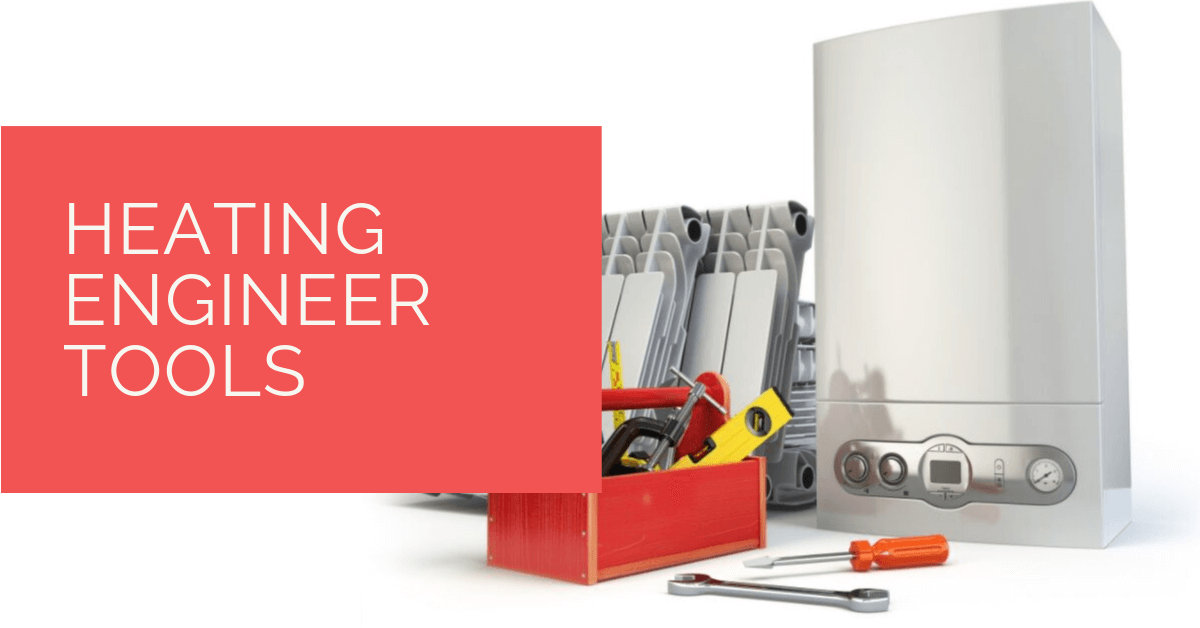
Heating engineers use far more than spanners and pipe cutters. A modern toolkit covers mechanical work, plumbing, combustion checks, electrical testing, water quality, controls, diagnostics and increasingly low-temperature heating and heat pump systems.
If you are a trainee, the challenge is knowing what to buy first. If you are a homeowner, the list helps explain why professional heating work needs proper equipment, testing and competence rather than guesswork.
Key Takeaways
- Core hand tools are only one part of a heating engineer toolkit.
- Testing and diagnostic tools are essential for safe, reliable work.
- Gas, electrical and refrigerant work require competence and certification.
- Good tools help document work, not just complete it.
- Trainees should prioritise quality basics before specialist kit.
How To Think About A Heating Engineer Tool Kit
Most competitor pages list tools alphabetically, but that is not how engineers build a useful kit. A better approach is to separate everyday hand tools, testing equipment, pipework tools, safety equipment and specialist instruments. A trainee does not need every tool on day one, while an experienced engineer working on boilers, cylinders, pumps and heat pumps needs equipment that can prove the job is safe and performing correctly.
| Tool Group | Typical Examples | Why It Matters |
|---|---|---|
| Hand tools | Spanners, grips, screwdrivers, cutters | Everyday fitting, access and repair work |
| Pipework tools | Pipe slice, bender, deburring tool, press tools | Clean, reliable pipe preparation and jointing |
| Testing tools | Multimeter, thermometer, pressure gauge, flow cup | Diagnosis, commissioning and evidence |
| Safety equipment | PPE, gas detector, dust control, isolation locks | Protects engineer, occupants and property |
| Specialist instruments | Flue gas analyser, thermal camera, vacuum pump | Needed for certain regulated or advanced tasks |
Core Hand Tools
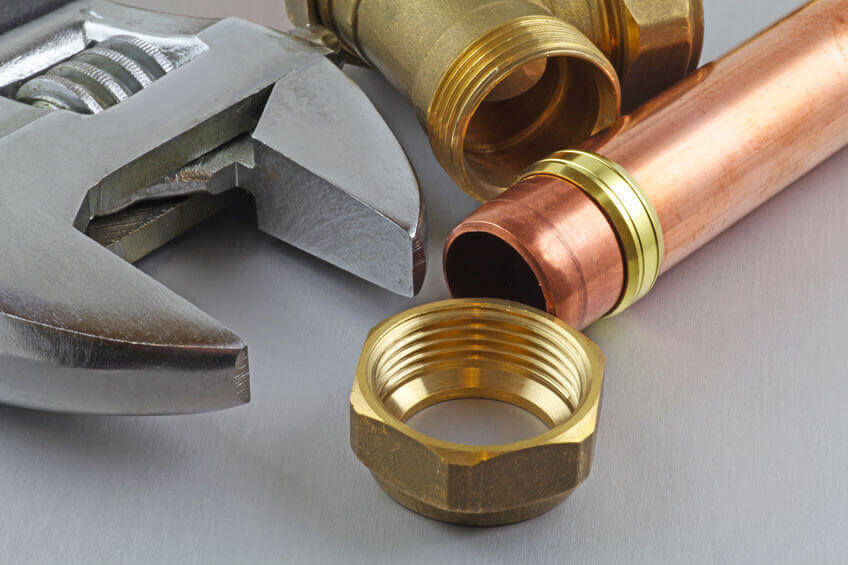
Every heating engineer needs reliable hand tools: adjustable spanners, grips, screwdrivers, Allen keys, pipe slices, deburring tools, tape measures, levels, torches and radiator keys. These are used daily for valves, pumps, radiators, brackets, pipework and controls.
Quality matters because heating work is full of awkward access. A cheap tool that slips on a compression nut can damage fittings, waste time and create leaks. Many engineers build their kit gradually, buying better versions of the tools they use most.
Pipework And Installation Tools
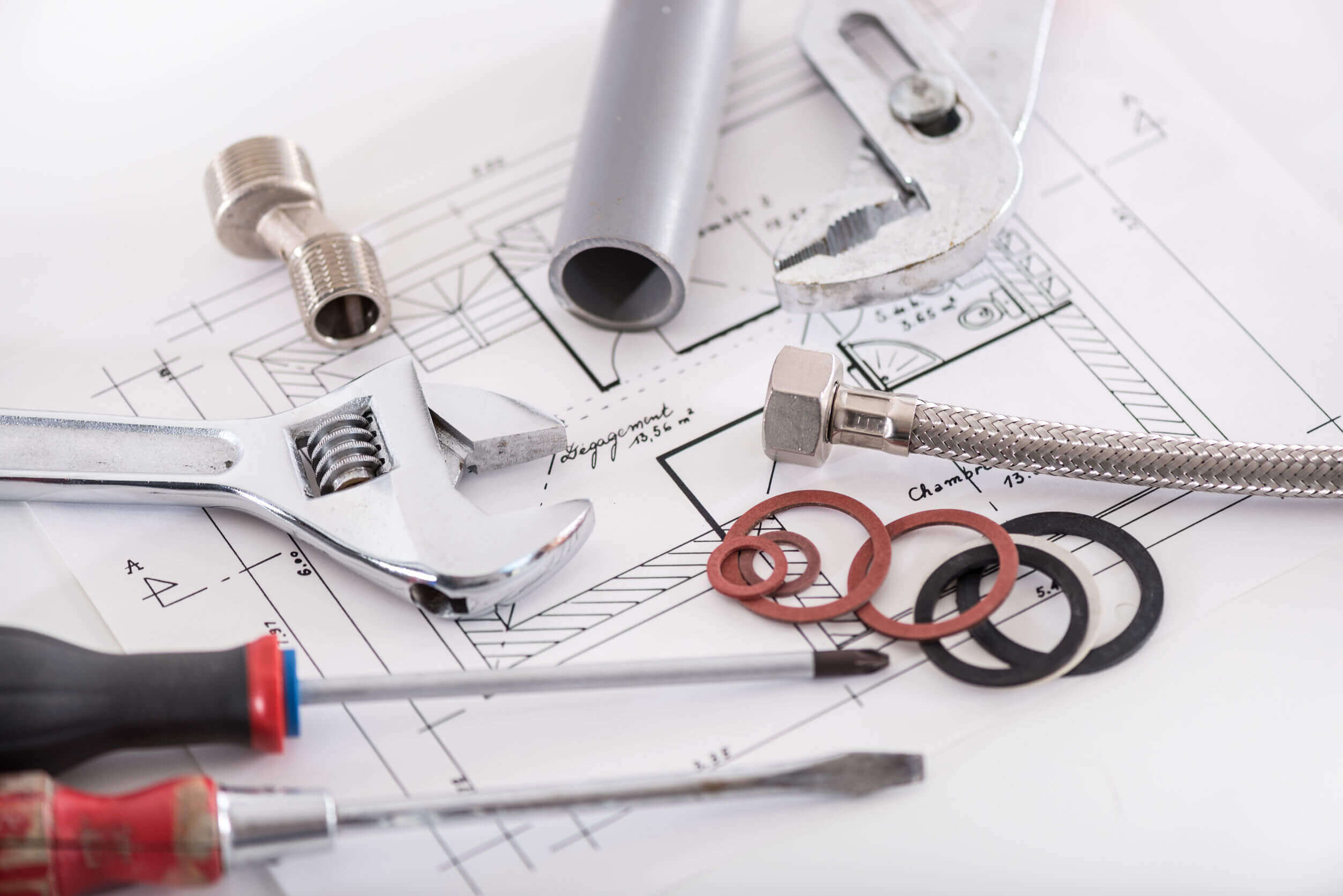
Pipe cutters, bending springs, pipe benders, press tools, soldering kit, flux brushes, deburring tools and pipe freezing equipment all support installation and repair work. The right tool depends on whether the job uses copper, plastic, multilayer pipe or press-fit systems.
| Tool | Used For | Why It Matters |
|---|---|---|
| Pipe slice | Cutting copper pipe | Clean cuts reduce leaks |
| Pipe bender | Forming bends | Fewer joints and neater pipework |
| Press tool | Press-fit systems | Fast, consistent fittings when used correctly |
| Deburring tool | Cleaning cut pipe ends | Protects seals and flow |
| Pressure test pump | Testing new pipework | Finds leaks before handover |
Diagnostic And Testing Equipment
The most valuable tools often measure what the eye cannot see. Multimeters, clamp meters, manometers, thermometers, pressure gauges, flue gas analysers, thermal imaging cameras and water test kits help engineers diagnose faults rather than swap parts at random.
For heating systems, temperature difference, flow rate, system pressure and combustion readings can change the diagnosis. A cold radiator may be air, sludge, poor balancing, a stuck valve or a pump issue. Testing narrows the cause.
Calibration And Evidence
Testing equipment is only useful if the reading can be trusted. Flue gas analysers, pressure instruments and some electrical testers need calibration or regular checking. Engineers should keep records, because an unreliable instrument can lead to the wrong diagnosis or an unsafe sign-off.
For low-temperature heating systems, temperature measurement is particularly valuable. A pair of clamp thermometers can show whether a radiator circuit is balanced, whether a cylinder coil is transferring heat properly, or whether a heat pump is operating with an appropriate flow and return difference.
Safety Equipment And PPE
Safety kit includes gloves, eye protection, knee pads, dust masks where appropriate, voltage indicators, lock-off devices, gas leak detection equipment and suitable workwear. Engineers also need safe access equipment for lofts, cylinders, flues and plant areas.
Some tools are only meaningful in trained hands. A flue gas analyser, for example, supports gas safety work, but it does not make an unqualified person competent to adjust gas appliances. Homeowners should use professionals for gas, unvented hot water, electrical and refrigerant work.
Specialist Heating And Low-Carbon Tools
Modern heating engineers may also use power flushing machines, magnetic filters, water treatment test kits, commissioning meters, laptop or app-based diagnostic tools, heat loss software and manufacturer-specific service tools. Heat pump work adds more focus on flow temperatures, emitter sizing, antifreeze, weather compensation and performance data.
For related context, see our guides to choosing a central heating engineer and central heating magnetic filters.
Tools For Boiler, Cylinder And Heat Pump Work
Different systems change the kit priorities. Boiler servicing relies heavily on combustion analysis, gas pressure checks and safe isolation. Cylinder work may involve pressure controls, temperature measurement, discharge pipe checks and unvented qualification. Heat pump work puts more emphasis on heat loss, flow temperature, emitter sizing, antifreeze protection and commissioning data.
This is why a single “best tool list” is never enough. The right toolkit follows the work being done and the competence of the person doing it. A tool that is essential for one engineer may be unnecessary, or inappropriate, for another.
What To Buy First As A Trainee
- Reliable core hand tools.
- Good torch and inspection mirror.
- Pipe cutters, grips and measuring tools.
- Safe voltage indicator and basic electrical test support within your competence.
- PPE and storage that keeps tools organised.
- Specialist tools only when your work and supervision require them.
A sensible trainee kit should also leave budget for storage, replacement blades, batteries, calibration where needed and consumables. The cheapest kit can become expensive if cutters blunt quickly, grips damage fittings or tools are hard to find in the middle of a job. Build around the tasks you perform every week, then add specialist equipment as your training and responsibility grow.
Tool Categories By Job Type
| Job Type | Typical Tools | Why They Matter |
|---|---|---|
| Radiator replacement | Spanners, grips, pipe cutter, level, drain hose | Clean isolation, alignment and leak-free joints |
| Boiler servicing | Flue gas analyser, manometer, hand tools | Combustion safety and manufacturer checks |
| System cleaning | Power flush machine, magnets, water test kit | Removes sludge and verifies water condition |
| Controls fault | Multimeter, wiring diagrams, programmer knowledge | Finds electrical/control issues safely |
| Heat pump commissioning | Thermometers, flow data, software tools | Confirms low-temperature system performance |
How Professionals Think About Tools
Professional engineers do not simply carry more tools than homeowners. They use tools to prove that the work is safe. Pressure testing confirms pipework integrity. Combustion analysis confirms a gas appliance is burning correctly. Temperature readings show whether a radiator circuit is balanced. Water testing shows whether corrosion protection is adequate.
This is why a homeowner can own a spanner but still need an engineer. The value is not only in turning the nut; it is knowing what should be measured before and after the nut is turned.
Tool storage deserves attention too. Heating engineers often work in tight airing cupboards, lofts and occupied homes, so being able to find the right fitting, washer, tester or screwdriver quickly reduces disruption. A tidy van and labelled cases are not vanity; they prevent wasted time and reduce the chance of leaving debris, tools or packaging in a customer home.
Calibration is another professional detail. Instruments such as flue gas analysers and some electrical testers need regular calibration or verification. Readings only have value if the instrument is accurate and the engineer understands the result. That is one reason professional servicing includes paperwork and recorded measurements rather than only a visual check.
For homeowners comparing quotes, tools can also reveal professionalism. An engineer who tests, records, protects floors, uses dust sheets, isolates safely and commissions properly is usually approaching the job with care. The cheapest quote may not include the time needed for proper testing, flushing, balancing or documentation.
Homeowners do not need to recognise every tool in the van, but they can ask what will be tested before and after the work. On a radiator job, that might mean checking flow and return temperatures. On a boiler service, it means combustion and safety checks. On a new system, it should include pressure testing, flushing, inhibitor, balancing and handover instructions.
Finally, tool choice changes with the type of heating business. A repair engineer may prioritise diagnostics and common spares, while an installation team may invest more in pipework, lifting, press-fit and commissioning equipment. Heat pump specialists need stronger understanding of low-temperature design and measurement, not just different hardware.
Expert Insights From Our Heating Engineers
Our engineers judge a toolkit by whether it helps produce safe, repeatable work. The best tool is not always the most expensive one; it is the tool that lets the engineer measure, fit, test and document the job properly.
For trainees, the advice is simple: buy fewer poor tools and learn to use good basics well. Specialist tools come later with training, supervision and the type of work you actually do.
Frequently Asked Questions
What Tools Does A Heating Engineer Need First?
A trainee usually needs reliable hand tools, pipe cutters, grips, screwdrivers, measuring tools, a good torch, PPE and safe storage first. Specialist equipment such as flue gas analysers, press tools and power flushing machines come later with training and job requirements.
Do Heating Engineers Use Electrical Testers?
Yes, many heating faults involve controls, pumps, valves, thermostats and wiring centres. Engineers use suitable electrical test equipment within their competence, but fixed electrical work should be handled by appropriately qualified people.
Can Homeowners Buy Heating Engineer Tools?
They can buy basic tools, but owning professional equipment does not make someone competent. Gas appliances, unvented cylinders, electrical faults and refrigerant systems should be left to qualified professionals because mistakes can be dangerous.
What Tools Are Used For Radiator Work?
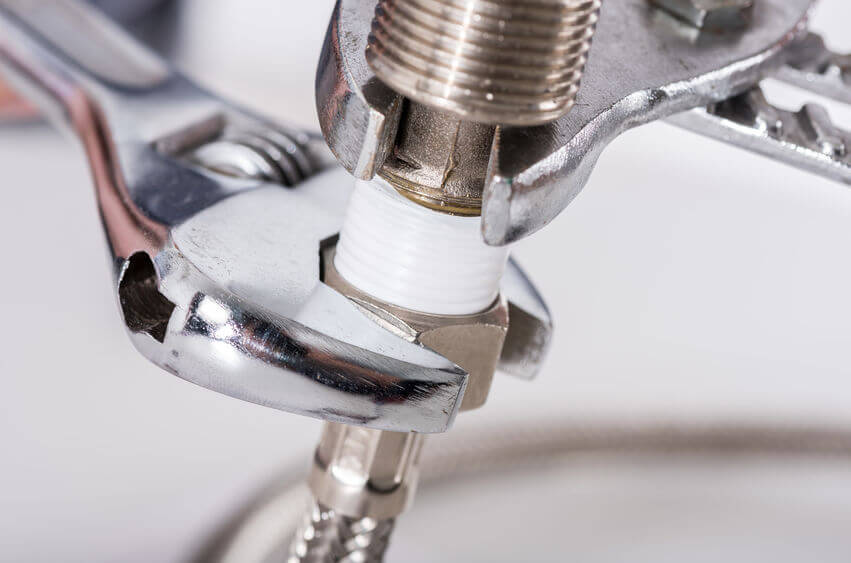
Common radiator tools include radiator keys, adjustable spanners, grips, drain hoses, PTFE tape, levels, pipe cutters and sometimes thermal cameras or thermometers. The exact tools depend on whether the job is bleeding, replacing, balancing or diagnosing a fault.
Are Expensive Tools Worth It For Heating Engineers?
Often yes for tools used every day, because durability and accuracy save time and reduce mistakes. However, trainees should not buy every specialist tool at once. It is better to invest gradually as the work demands it.
What Diagnostic Tools Help With Heating Faults?
Thermometers, pressure gauges, multimeters, manometers, flue gas analysers, thermal cameras and water test kits can all help. Diagnostics matter because the same symptom can have several causes, and testing prevents unnecessary part replacement.
Summing Up
Heating engineer tools range from everyday spanners to specialist diagnostic instruments. The best toolkit supports safe work, accurate testing and proper commissioning. For homeowners, the key lesson is that professional heating work depends on competence as much as equipment.
Updated