
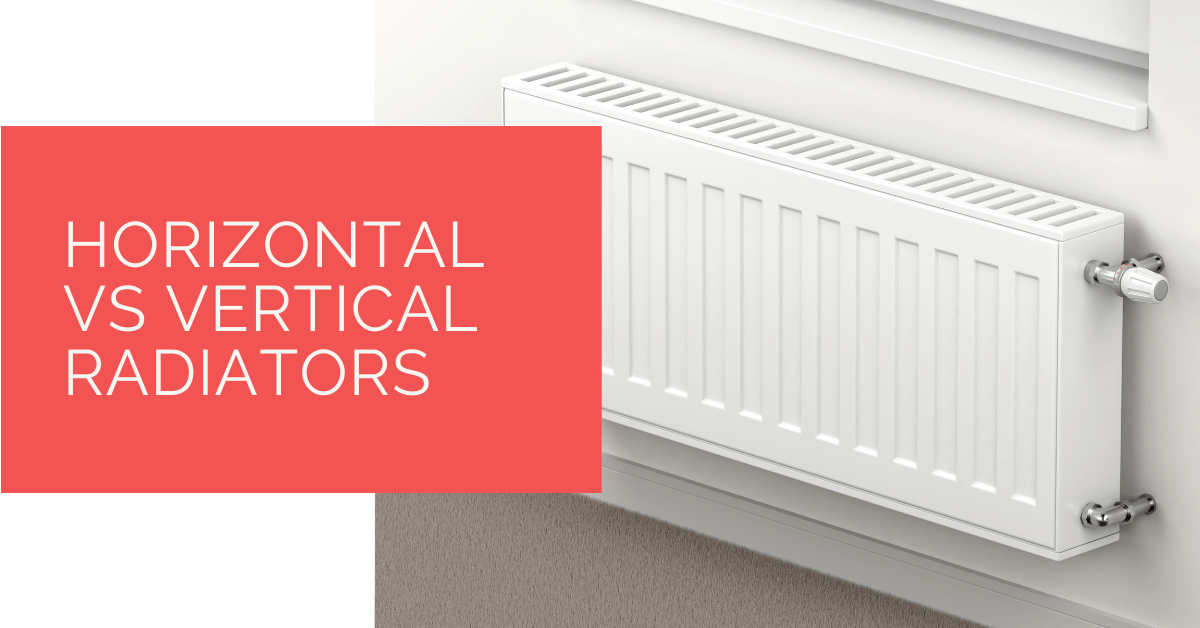
Horizontal and vertical radiators can both heat a room properly if they are sized correctly. The real decision is not whether one shape is automatically better than the other. It is whether the radiator delivers the required BTU or watt output, fits the available wall space, works with your pipework, and leaves the room usable.
A horizontal radiator is often the simplest choice when you are replacing like-for-like under a window or along a long wall. A vertical radiator is usually better when wall width is limited, furniture placement is awkward, or you want the radiator to become part of the room design. This guide explains the trade-offs so you can choose the right style without losing heating performance.
Key Takeaways
- Vertical radiators are not automatically less efficient than horizontal radiators. Correct sizing matters more than shape.
- Horizontal radiators are usually cheaper and easier to replace if existing pipework is already in the right place.
- Vertical radiators free up low wall space and can work well in kitchens, hallways, bathrooms and rooms with limited furniture-friendly walls.
- Always choose by room heat loss, BTU or watt output, not just by appearance.
- If you have or plan to install a heat pump, radiator sizing and low-temperature output become even more important.
Horizontal Vs Vertical Radiators: Quick Comparison
| Feature | Horizontal Radiator | Vertical Radiator |
|---|---|---|
| Best For | Long walls, under windows, like-for-like replacements | Narrow walls, kitchens, hallways, design-led rooms |
| Installation Cost | Usually lower if existing pipework matches | May cost more if pipes need moving |
| Heat Output | Excellent when correctly sized | Excellent when correctly sized |
| Furniture Layout | Can be blocked by sofas, beds or cabinets | Frees up low wall space |
| Style Impact | Traditional, subtle or modern depending on design | More of a visual feature |
Heat Output Matters More Than Shape
The most important figure is the radiator’s heat output, shown in BTU or watts. A room needs a certain amount of heat based on size, ceiling height, insulation, glazing, external walls and desired temperature. If the radiator meets that demand, it can be horizontal or vertical.
Competitor guides from BestHeating and Radiators Direct make the same core point: vertical radiators can perform just as well as horizontal radiators when the output is right. Shape affects placement and convection pattern, but it does not override correct sizing.
If you are changing radiator style, calculate the room heat requirement again. Do not assume the old radiator was correctly sized, especially if the room has been extended, insulated, re-glazed or turned into an open-plan space.
When Horizontal Radiators Make Sense
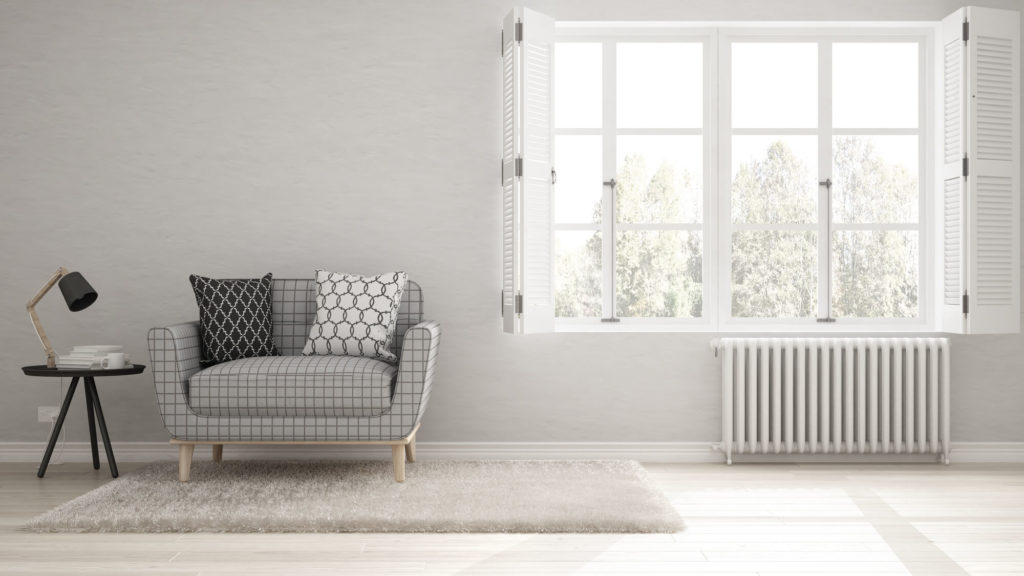
Horizontal radiators are familiar for a reason. They fit neatly beneath windows, use long low wall areas, and often match existing pipework. That makes them a practical choice when you want a straightforward replacement without lifting floors or rerouting pipes.
They can also distribute heat well across a broader surface area. In rooms with long walls and minimal furniture obstruction, a horizontal double-panel radiator can provide strong output without becoming a design feature.
The downside is wall space. Sofas, cabinets, beds and curtains can all block airflow. A radiator hidden behind a large sofa may technically have enough BTU output but still feel disappointing because the heat cannot move into the room properly.
When Vertical Radiators Make Sense
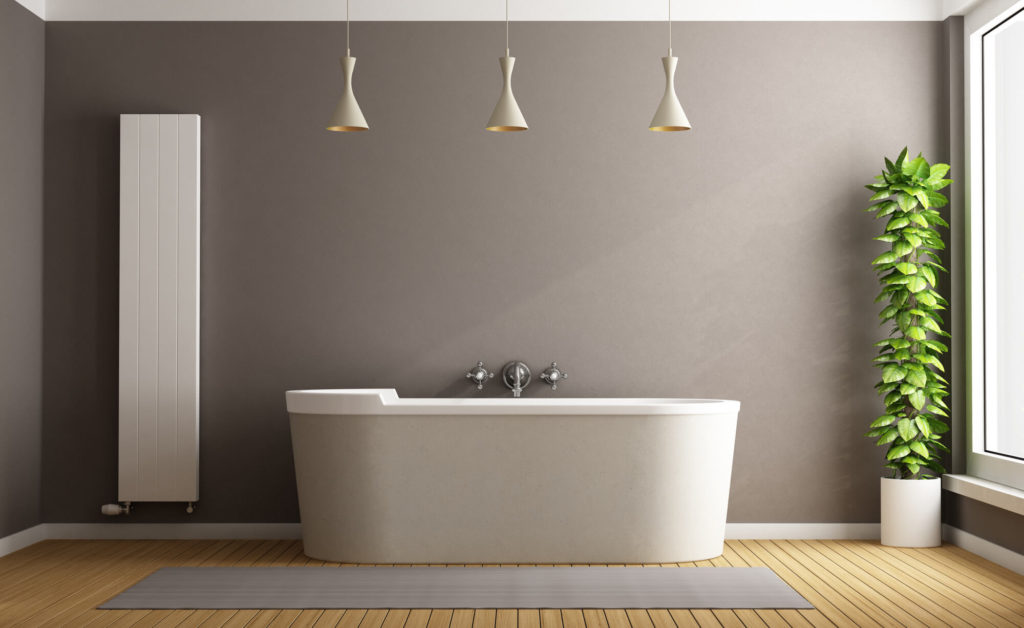
Vertical radiators are useful when the room has more height than width. They work well in kitchens with lots of units, narrow hallways, bathrooms, landings, cloakrooms and modern living spaces where low wall space is already taken by furniture.
They can also look intentional. Instead of trying to hide the radiator, you can choose a finish or column style that suits the room. Anthracite, white, aluminium, column and flat-panel designs all create different effects.
The trade-off is installation. If pipes need moving from the floor to a new wall position, labour and making-good costs can rise. A vertical radiator may save space, but it is not always the cheapest replacement.
Cost And Pipework
If you replace a horizontal radiator with another horizontal radiator of similar size and pipe centres, the job can be relatively simple. If you switch to a vertical radiator, the installer may need to alter pipework, lift flooring, chase walls or adjust valves.
That does not mean vertical radiators are a bad choice. It means the true cost includes labour and disruption, not just the radiator price. Ask the installer whether the existing flow and return pipes can be adapted neatly and whether the wall is strong enough for the radiator’s weight.
Placement Mistakes To Avoid
Do not place a radiator where curtains will cover it, where a sofa will sit directly in front of it, or where a door will obstruct it. Avoid choosing a narrow vertical radiator purely for looks if it does not provide enough output.
Also check radiator ratings. Heat output figures are often quoted at a standard temperature difference. If your system runs at lower flow temperatures, especially with a heat pump, actual output can be lower. Our guide to what size radiators you need explains the sizing logic in more detail.
Low-Temperature Heating And Heat Pump Systems
Radiator output changes when the heating system runs at a lower flow temperature. This matters if you already have a heat pump, are planning one, or want to run a boiler more efficiently with lower flow temperatures. A radiator that looks generous on paper at a traditional high temperature may deliver much less heat when the water passing through it is cooler.
Vertical radiators can still work with low-temperature systems, but you need to check the output at the correct temperature difference. Do not rely only on the headline BTU figure in a brochure. Ask for the output at the design flow and return temperatures your installer is using.
This can affect the shape decision. In some rooms, a wide horizontal double or triple-panel radiator may provide more output within the available space. In others, a tall vertical radiator may be the only way to add enough surface area without losing furniture space. The right answer comes from the room heat loss and the available wall area, not from the orientation alone.
Material, Finish And Practical Maintenance
Steel radiators are common, affordable and available in a wide range of horizontal and vertical styles. Aluminium radiators tend to heat up and cool down quickly, which can suit responsive systems and rooms used intermittently. Cast iron radiators hold heat for longer but are heavy and usually more specialist.
Finish can affect both appearance and practicality. Dark or textured finishes can look striking, but dust, fingerprints and water marks may show more clearly. In bathrooms and utility rooms, check suitability for damp spaces and avoid placing radiators where towels or laundry will permanently cover the heat source unless it is designed as a towel radiator.
Maintenance is similar for both orientations. Bleed radiators when needed, keep the surface clean, leave clearance for airflow, and make sure valves remain accessible. A vertical radiator squeezed behind a door or boxed between cabinets may look neat on a drawing but become annoying when it needs bleeding or valve adjustment.
Room-By-Room Decision Guide
For living rooms, choose the radiator that fits the furniture layout without being blocked. Horizontal radiators often work well under windows, but vertical radiators can be better if sofas occupy the low walls.
For kitchens, vertical radiators usually win because wall units and appliances limit horizontal space. For bathrooms, a tall towel radiator or vertical radiator can combine heat output with towel drying. For bedrooms, consider bed placement, curtains and noise from pipework rather than style alone.
For hallways and landings, vertical radiators can make excellent use of narrow wall sections. Just make sure they are not placed where people will brush past them constantly.
Case Study: Replacing A Blocked Living-room Radiator
Background
A homeowner had a horizontal radiator behind a large sofa. The room never felt properly warm, even though the radiator was hot to the touch.
Project Overview
The installer calculated the room’s heat requirement and checked whether the issue was output or placement. The radiator was large enough, but most of its heat was trapped behind furniture.
Implementation
The pipework was rerouted to a narrow side wall and a vertical radiator with suitable output was installed. The sofa could remain in its preferred position without blocking heat.
Results
The room warmed more evenly. The radiator shape was not the magic solution. Moving the heat source away from an obstruction was what fixed the comfort problem.
Expert Insights From Our Heating Engineers
One of our senior heating engineers with over 20 years of experience says radiator choice should start with the heat loss calculation, then the room layout, then style. Reversing that order is where problems begin.
He also warns against assuming a tall radiator is powerful just because it looks substantial. Always check the watt or BTU output at the correct system temperature, especially if the home has a modern condensing boiler running at lower temperatures or a planned heat pump upgrade.
His practical advice is to sketch the room before buying. Mark furniture, doors, curtains, pipe routes and the walls that are actually available. Many radiator mistakes happen because the product was chosen from a picture rather than from the way the room is lived in.
Frequently Asked Questions
Are Vertical Radiators Less Efficient Than Horizontal Radiators?
No, not automatically. A correctly sized vertical radiator can heat a room as effectively as a horizontal radiator. Output, placement and system temperature matter more than orientation.
Do Vertical Radiators Give Enough Heat?
Yes, if the BTU or watt output matches the room’s heat requirement. Some tall narrow models have lower output than people expect, so always check the specification.
Are Horizontal Radiators Cheaper To Install?
Usually, if you are replacing an existing horizontal radiator and the pipework lines up. Moving pipes for a vertical radiator can add labour and making-good costs.
Can You Replace A Horizontal Radiator With A Vertical One?
Yes, but the installer may need to reroute pipes and check wall strength. The new radiator must also provide enough heat for the room.
Which Radiator Is Better Under A Window?
A horizontal radiator usually suits under-window placement because it uses the low wall space well. Just make sure curtains do not cover it and block heat movement.
Which Radiator Is Best For A Small Room?
A vertical radiator can be excellent in a small room because it frees up wall width for furniture. The best choice still depends on heat output and available pipe routes.
Do Radiators Need To Be Bigger For Heat Pumps?
Often, yes. Heat pumps usually work best at lower flow temperatures, so radiators may need a larger surface area to deliver the same room heat. That can affect whether horizontal or vertical is easier to fit.
Should Furniture Go In Front Of A Radiator?
Avoid it where possible. Furniture blocks convection and traps heat, making the room feel colder and wasting energy. If furniture must sit near a radiator, leave as much clearance as you can.
Summing Up
Choose a horizontal radiator when you have suitable low wall space, existing pipework and a simple replacement path. Choose a vertical radiator when wall width is limited, furniture blocks a traditional position, or the radiator needs to become part of the design.
Neither shape is automatically warmer. The right radiator is the one that delivers the required output, fits the room properly and lets heat move freely.
Updated