
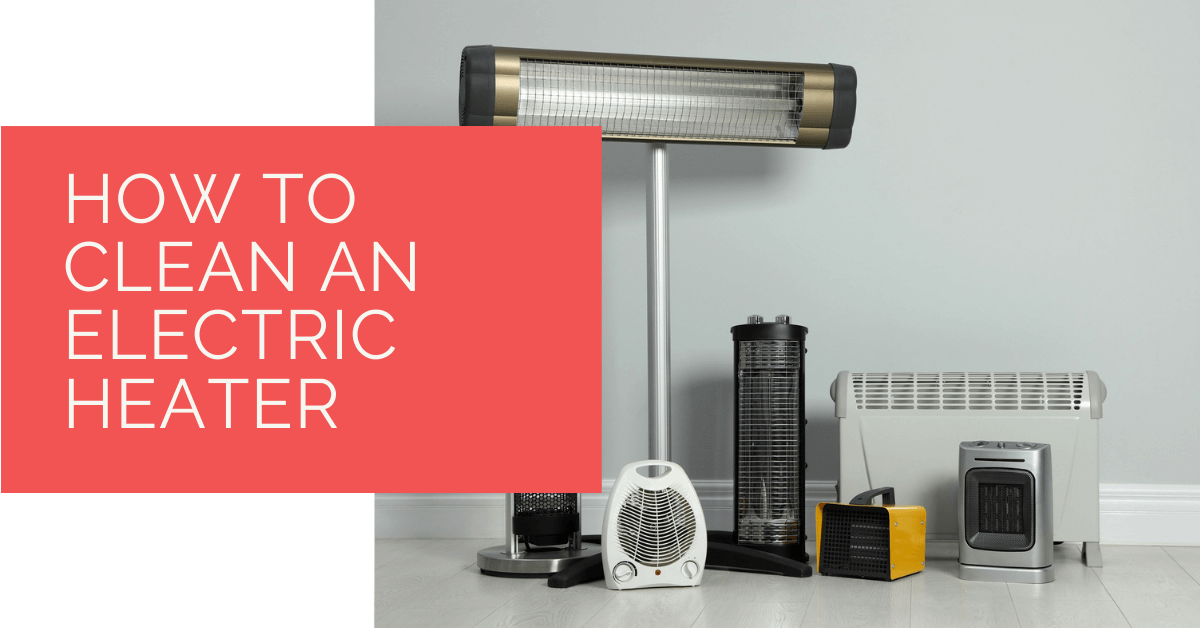
Clean an electric heater safely by unplugging it, letting it cool and removing dust from vents without wetting electrical parts.
Reader owns a dusty fan, convector, ceramic, panel or oil-filled heater and wants safe cleaning before winter use. The goal is to restore airflow and safety without forcing apart parts that were never designed for user servicing.
Contents
- 1 Key Takeaways
- 2 Safe Cleaning Method
- 3 What Not To Do
- 4 Maintenance And Warning Signs
- 5 Case Study: Cleaning Restored Performance
- 6 Expert Insights From Our HVAC Engineers
- 7 Frequently Asked Questions
- 7.1 Can I Vacuum An Electric Heater?
- 7.2 Why Does My Heater Smell When First Turned On?
- 7.3 Can I Spray Cleaner Into A Heater?
- 7.4 How Often Should I Clean An Electric Heater?
- 7.5 Can I Open The Heater Casing?
- 7.6 Is It Safe To Use A Heater With A Damaged Cable?
- 7.7 How Do I Clean An Oil-Filled Radiator?
- 7.8 Can Dust Make A Heater Unsafe?
- 7.9 Portable, Wall-Mounted And Fan Heaters Need Different Care
- 8 Summing Up
Key Takeaways
- Unplug the appliance before cleaning and let moving or hot parts stop fully.
- Use dry cleaning methods first: vacuum, soft brush and microfibre cloth.
- Keep water away from motors, heating elements, switches and controls.
- Follow the manual before removing grilles or panels.
- If cleaning does not fix noise, smell or performance, stop and investigate the fault.
Safe Cleaning Method
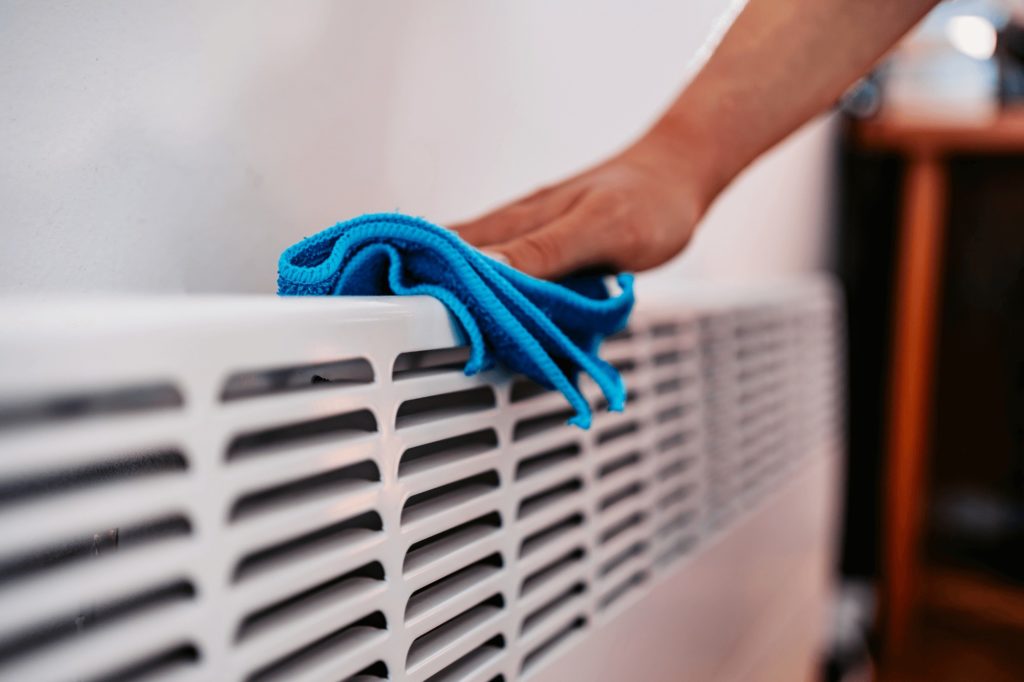
Start with the appliance switched off, unplugged and cool. Remove loose dust from vents and grilles with a vacuum brush. Use a soft brush for narrow slots and wipe the outside with a dry or barely damp cloth.

When To Do A Deeper Clean
If airflow is weak, the appliance smells dusty, or visible lint remains behind the grille, check the manual for safe access. Do not force hidden clips or remove screws unless the product is designed for user cleaning.
What Not To Do
Do not spray water into the appliance, use harsh solvents, run it while damp, or poke metal objects through grilles. Those shortcuts can damage motors, heaters, sensors and safety cut-outs.
Maintenance And Warning Signs
Clean before heavy seasonal use and again when dust is visible. Stop using the appliance if it smells hot, sparks, rattles sharply, trips the electrics or has a damaged cable.
For heater types and how they produce heat, see how electric heaters work.
Cleaning Different Heater Types
| Heater Type | Cleaning Focus | Caution |
|---|---|---|
| Fan heater | Air intake, outlet grille and dust around fan path | Do not push tools into the fan or element |
| Convector heater | Top and bottom vents | Blocked convection vents can cause overheating |
| Oil-filled radiator | Dust between fins or columns | Do not use if oil leakage is visible |
| Panel heater | Surface and side vents | Keep cloths and sprays away from controls |
Pre-Winter Safety Check
Before the first cold week, inspect the plug, cable, casing, controls and feet or wall brackets. Dusty smells are common after storage, but burning plastic, buzzing, sparking, hot plugs or repeated tripping are not normal. Those are stop-using signs, not cleaning prompts.
After Cleaning, Test Carefully
When the heater is fully dry and reassembled, run it for a short period while you are in the room. A faint dusty smell may clear quickly, but switch it off if you notice burning plastic, smoke, sparks, buzzing or a hot plug. Never leave a recently cleaned or suspect heater running unattended.
Storage Between Seasons
Store heaters dry and covered from dust, but not wrapped in plastic while damp. Keep cables loosely coiled rather than tightly bent. A heater that spends summer in a dusty garage or shed should be inspected before winter use.
Cleaning Before First Use Each Winter
The first switch-on after storage is when dust smells and hidden faults often appear. Clean the heater while it is still cold, then test it while you are present. Keep it away from curtains and furniture during the test so you can smell, hear and see whether anything is wrong before relying on it overnight or in a child’s room.
Why Dust Matters On Heaters
Dust is not only cosmetic on a heater. On fan heaters it can restrict airflow; on convectors it can sit in hot vents; on oil-filled radiators it can create smells as the casing warms. Removing it before heavy use improves comfort and reduces the chance of nuisance smells.
Case Study: Cleaning Restored Performance
Background
A homeowner noticed lower airflow and more noise after months of use.
What Changed
They unplugged the appliance, vacuumed the vents, cleaned accessible grilles and avoided opening sealed motor areas.
Result
Airflow improved and noise reduced. The problem was dust restriction rather than a failed motor.
Expert Insights From Our HVAC Engineers
Dusty heaters often smell during the first few minutes of winter use, but the smell should fade quickly. If the smell is sharp, smoky, electrical or persistent, switch the heater off. Cleaning can remove dust, but it cannot make damaged insulation, failing switches or overheating components safe.
For fan heaters, pay close attention to both intake and outlet grilles. If the intake is blocked, the element can get hotter than intended because airflow is reduced. For convectors and panel heaters, keep the top vents clear because warm air needs to rise freely. For oil-filled radiators, check the casing for dents, leaks or unstable feet before cleaning between the fins.
Never clean an electric heater while it is warm enough to evaporate moisture from a cloth. A barely damp wipe on the outside is usually fine once unplugged and cool, but water should not enter vents, switches, thermostats or displays. Let the heater dry fully before reconnecting it.
One of our senior HVAC engineers with over 20 years of experience says cleaning should protect airflow without compromising safety. The most common mistake is being too aggressive: forcing panels, using water near electrics or bending internal parts.
He recommends a light cleaning routine more often instead of rare heavy cleaning. If an appliance needs dismantling to work properly, it may need servicing or replacement rather than more DIY effort.
Frequently Asked Questions
Can I Vacuum An Electric Heater?
Yes, after unplugging it and letting it cool. Use a brush attachment around vents and grilles. Do not push tools deep inside or disturb heating elements and wiring. If a safety concern remains after cleaning, do not keep testing it repeatedly; replacement is often safer than experimenting with a suspect heater.
Why Does My Heater Smell When First Turned On?
A light dusty smell can happen when settled dust warms up after storage. Switch off if the smell is strong, acrid, smoky or continues after cleaning. If a safety concern remains after cleaning, do not keep testing it repeatedly; replacement is often safer than experimenting with a suspect heater.
Can I Spray Cleaner Into A Heater?
No. Do not spray liquids into vents, controls or elements. Wipe the outside with a lightly damp cloth only when unplugged and fully cool. If a safety concern remains after cleaning, do not keep testing it repeatedly; replacement is often safer than experimenting with a suspect heater.
How Often Should I Clean An Electric Heater?
Clean before the heating season and periodically during use, especially fan heaters that pull dust through grilles. Dusty homes and pets increase the need. If a safety concern remains after cleaning, do not keep testing it repeatedly; replacement is often safer than experimenting with a suspect heater.
Can I Open The Heater Casing?
Only if the manual allows user access. Opening sealed appliances can expose live components, damage safety features and void warranties. If a safety concern remains after cleaning, do not keep testing it repeatedly; replacement is often safer than experimenting with a suspect heater.
Is It Safe To Use A Heater With A Damaged Cable?
No. Stop using it immediately. Damaged cables, hot plugs, buzzing, sparking or tripping electrics are signs the heater needs repair or replacement. If a safety concern remains after cleaning, do not keep testing it repeatedly; replacement is often safer than experimenting with a suspect heater.
How Do I Clean An Oil-Filled Radiator?
Unplug it, let it cool and wipe the fins or columns with a dry or slightly damp cloth. Do not immerse it or use it if oil leaks are visible. If a safety concern remains after cleaning, do not keep testing it repeatedly; replacement is often safer than experimenting with a suspect heater.
Can Dust Make A Heater Unsafe?
Yes. Dust can cause smells, reduce airflow and contribute to overheating in fan heaters. Regular cleaning helps the heater run more safely and quietly. If a safety concern remains after cleaning, do not keep testing it repeatedly; replacement is often safer than experimenting with a suspect heater.
Portable, Wall-Mounted And Fan Heaters Need Different Care
A fan heater usually needs the most attention because it pulls dust through intake grilles and across hot elements. A convector may gather dust in top slots and vents. An oil-filled radiator is simpler to wipe externally, but dust can still collect between fins and around controls. Wall-mounted electric heaters may need the circuit isolated before grilles are removed, so check the manual rather than treating them like a loose plug-in appliance.
For high-wattage heaters, safety matters more than shine. Electrical Safety First’s portable heater advice is clear about keeping heaters away from combustible materials and avoiding risky use with extension leads. Cleaning is a good moment to check placement as well as dust: curtains, bedding, paper, laundry and stored clutter should not be close to the appliance.
If you are cleaning before winter because the heater will be used more often, our guide to electric heater running costs can help you judge whether the appliance still suits the room.
| Heater Type | Cleaning Focus | Extra Warning |
|---|---|---|
| Fan heater | Intake grille, outlet grille and dust around controls | Do not push tools through to the element |
| Convector/panel heater | Top slots, side vents and wall clearances | Do not block convection paths |
| Oil-filled radiator | External fins, wheels and control area | Do not use if oil leaks or casing is damaged |
| Wall-mounted heater | External grille and accessible dust | Isolate correctly before removing any cover |
Summing Up
Clean regularly, gently and safely. Dust removal can improve performance, but damaged cables, persistent smells, unusual noise or poor operation after cleaning should be treated as warning signs, not ignored.
A sensible pre-winter routine is to inspect the cable and plug, vacuum the grilles, wipe the casing, check clearances and run the heater briefly while supervised. If it smells scorched after the first few minutes, buzzes, trips electrics or shows damage, stop using it rather than trying to clean the problem away. Cleaning should remove dust and improve airflow; it should never be used to justify keeping an unsafe heater in service.
This matters most for heaters stored in garages, cupboards or spare rooms, where dust and knocks can go unnoticed for months. Check the appliance before the first cold evening, while you still have time to replace it safely if the condition is poor.
Updated