

Dust is not just one thing. It is a mixture of textile fibres, skin flakes, soil, pollen, pet dander, soot, cooking particles and outdoor debris. That is why it keeps coming back even after a room has been cleaned. The solution is to reduce what enters the home, remove what settles and stop cleaning methods from throwing dust back into the air.
A good dust-control routine is practical rather than obsessive. Start high, work down, clean fabrics as well as hard surfaces and pay attention to airflow. If someone in the home has allergies, the same routine also supports the advice in our guide on reducing indoor allergens.
Contents
- 1 Key Takeaways
- 2 Why Dust Keeps Coming Back
- 3 The Best Cleaning Order
- 4 Fabrics, Floors And Hidden Dust Reservoirs
- 5 Airflow, Filters And Prevention
- 6 High-Dust Homes: What To Change First
- 7 Mistakes That Make Dust Worse
- 8 Dust Reduction Checklist
- 9 Expert Insights From Our Heating Engineers
- 10 Summing Up
- 11 Frequently Asked Questions
Key Takeaways
- Dust control is about sources, surfaces, fabrics and air movement.
- Damp microfibre cleaning is better than dry dusting for most surfaces.
- Vacuum slowly with a sealed, well-filtered vacuum where possible.
- Wash bedding, throws and curtains because fabrics hold dust.
- Use filtration to support cleaning, not replace it.
Why Dust Keeps Coming Back
Everyday living creates dust. Walking across carpets, sitting on fabric furniture, opening windows, cooking, lighting candles, using fans and bringing shoes indoors all add or resuspend particles. The visible layer on a shelf is only part of the issue; a lot of dust sits in textiles and gets released whenever the room is disturbed.
Homes with pets, open fires, busy roads nearby or lots of soft furnishings usually need a more deliberate routine. That does not mean cleaning constantly. It means choosing the few habits that stop dust being spread around the house.
The Best Cleaning Order
Clean from top to bottom. Start with high shelves, picture rails, lampshades and curtain rails, then move to furniture, skirting boards and floors. Use a lightly damp microfibre cloth on hard surfaces and rinse it often. If you dry dust first and vacuum later, much of the dust simply becomes airborne and settles again.
Vacuum slowly, especially on carpets and rugs. Use crevice tools around skirting boards and upholstery tools on sofas, mattresses and fabric chairs. Empty or replace bags before suction drops, and clean filters according to the manufacturer instructions.
Fabrics, Floors And Hidden Dust Reservoirs
Bedding, throws, cushions, curtains and fabric blinds can hold more dust than a coffee table ever shows. Wash what is washable and vacuum what is not. In bedrooms, regular bedding washes matter because dust and dust mites build where people sleep. If dust is tied to allergy symptoms, a suitably sized air purifier can help with airborne particles while cleaning tackles settled dust.
Hard floors are easier to wipe, but they are not dust-free. Dust collects along edges, under furniture and around door thresholds, then gets pushed back into the room by foot traffic. Rugs can be useful because they are removable, but only if they are vacuumed and shaken or washed often enough.
Airflow, Filters And Prevention
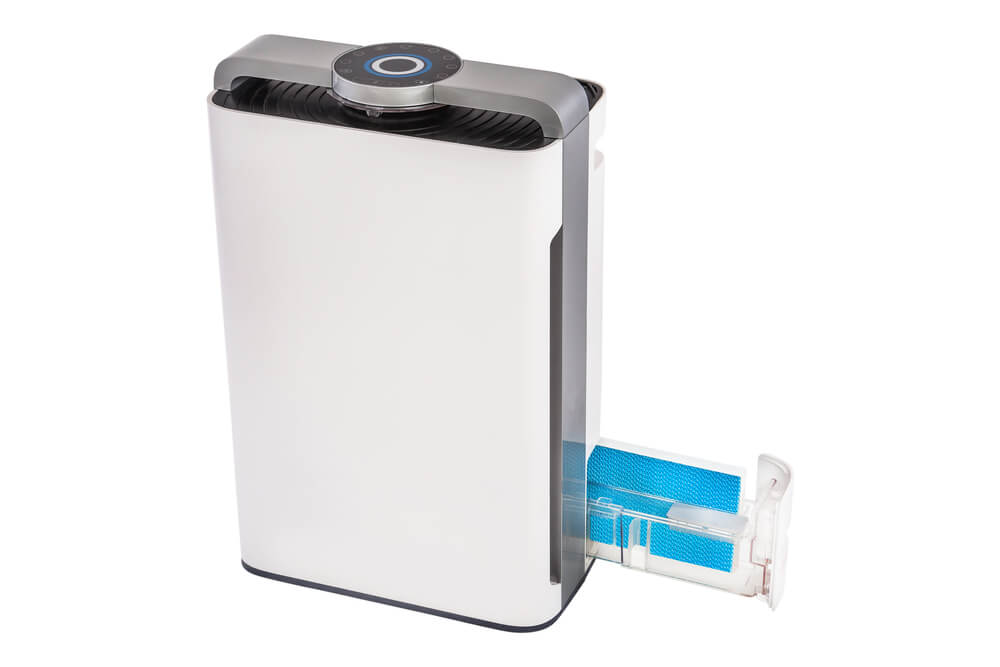
Fans, extractor systems and air purifiers can either help or hinder depending on maintenance. Dirty filters restrict airflow and can recirculate dust. Clean or replace filters in purifiers, portable air conditioners and ventilation equipment when due; our air filter guide explains the main filter types.
At the entrance, use a proper doormat and remove shoes. Keep clutter down because every ornament, pile of magazines and open shelf adds surface area. If dust gathers quickly near windows, check seals and consider whether road dust or pollen is entering at certain times of day.
Radiators and heaters can also make dust more noticeable because warm air currents move particles around the room. Dust behind radiators, around convector fins and near skirting boards is easy to miss, but it can reappear on surfaces once the heating runs. Cleaning those areas before the heating season starts is often more useful than repeatedly wiping the same coffee table.
High-Dust Homes: What To Change First
If dust comes back within a day or two, the answer is usually not “clean harder”. Look for the source that keeps feeding the room. A busy road, draughty window, shedding pet, open shelving, fireplace, thick carpet or badly maintained filter can undo a lot of ordinary cleaning. Start with the change that reduces new dust or makes existing dust easier to remove.
| Clue | Likely Cause | First Change To Try |
|---|---|---|
| Dust gathers near windowsills | Outdoor dust, pollen or draughts around seals | Check seals, clean window tracks and avoid leaving windows open during dusty or high-pollen periods |
| Dust returns after vacuuming | Poor filtration, full vacuum bag or fast cleaning technique | Clean or replace filters, empty the vacuum outside where practical and vacuum more slowly |
| Bedrooms feel dusty despite clean surfaces | Bedding, curtains, fabric headboards and wardrobes | Wash bedding regularly, vacuum mattresses and reduce fabric clutter around the bed |
| Dust collects around vents, fans or purifiers | Dirty intake grilles and filters | Clean the intake, check the filter and reposition the unit away from heavy floor dust |
| Rooms with pets dust up fastest | Dander, hair and particles trapped in soft furnishings | Use washable throws, groom pets away from living areas and vacuum upholstery as well as floors |
Mistakes That Make Dust Worse
Dry dusting is the classic mistake. It makes the surface look better for a moment, but a lot of the dust becomes airborne and settles elsewhere. A lightly damp microfibre cloth, rinsed often, is usually more effective on shelves, skirting boards, tables and window boards. For delicate electronics, use the method recommended by the manufacturer, but still avoid flicking dust into the room.
Another common mistake is cleaning in the wrong order. If you vacuum first and then wipe high shelves, you drop dust back onto the floor. Work from top to bottom and finish with the floor. Do not forget fabric surfaces either. A room can look spotless while dust remains in curtains, rugs, cushions and upholstery, ready to become airborne whenever someone sits down or opens the window.
Finally, be careful with air movement. Fans and purifiers can help when filters are clean and placement is sensible, but they can also stir dust if placed on a dirty floor or run with clogged intakes. If dust is linked to sneezing, itchy eyes or morning symptoms, read this alongside our guide to reducing allergens at home, because dust control and allergen control often overlap.
Dust Reduction Checklist
| Habit | Frequency | Reason |
|---|---|---|
| Damp dust hard surfaces | Weekly | Captures particles instead of spreading them |
| Vacuum floors and upholstery | Weekly or more | Removes dust held in fibres |
| Wash bedding and throws | Weekly to fortnightly | Reduces fabric reservoirs |
| Clean appliance filters | As instructed | Keeps air movement from redistributing dust |
A workable routine is better than an ambitious one that only happens once. In a typical home, start with bedrooms and living rooms because those are where people spend the longest periods. Wipe high surfaces, clean lampshades and picture frames, vacuum upholstery, then finish with floors. Every few weeks, add less obvious areas such as wardrobe tops, curtain rails, extractor grilles, radiator fins and the backs of freestanding appliances.
If you have limited time, choose the tasks that remove the most dust reservoirs: bedding, floors, sofas and filters. Polishing every ornament is less valuable than removing the objects you no longer need from open shelves. The less surface area a room has, the easier it is to keep clean without turning dusting into a full-time job.
For households with allergies, asthma or pets, it is worth keeping the routine predictable rather than intense. A slow, thorough weekly vacuum of the same rooms will usually beat a monthly deep clean that lets dust build up in between. The aim is not a show-home finish; it is lowering the amount of dust that gets disturbed during normal living.
Expert Insights From Our Heating Engineers
Our engineers often see dust problems made worse by blocked filters and poor airflow. A fan, purifier or air conditioner with a dirty intake can stir particles around while doing less useful filtration. The same is true of extractor fans that have not been cleaned for months.
The most reliable improvement comes from combining low-tech habits with maintained equipment: doormats, shoe removal, damp cleaning, slow vacuuming and clean filters. That combination is less glamorous than a new gadget, but it is what keeps dust from returning quite so quickly.
Summing Up
You cannot remove dust permanently, but you can stop it building up so quickly. The practical answer is to reduce what enters the home, clean in the right order, deal with fabrics as well as hard surfaces and keep filters in vacuums, purifiers, fans and ventilation equipment clean. Those habits make a bigger difference than occasional frantic deep cleans.
If one room is always dusty, treat it as a clue. Look at windows, carpets, pets, clutter, airflow and nearby roads rather than blaming the cleaning schedule alone. Once the main source is under control, ordinary weekly cleaning becomes easier and the home feels fresher for longer.
Frequently Asked Questions
Why Does My House Get Dusty So Quickly?
Dust builds quickly when fabrics, carpets, pets, open windows, poor entry habits and disturbed surfaces add particles faster than they are removed. Leaky doors, shoes indoors, shedding textiles and infrequent vacuuming all contribute. The fix is not just more dusting, but reducing sources and cleaning in the right order.
Is Damp Dusting Better Than Dry Dusting?
Damp dusting is usually better because it captures particles rather than flicking them into the air. Use a lightly damp microfibre cloth and rinse or replace it as it loads up. Dry feather dusters can make a room look cleaner for a moment while simply moving dust elsewhere.
Do Air Purifiers Remove Dust?
Air purifiers can reduce fine airborne dust in the room where they are used, especially if they have a HEPA filter and run for long enough. They will not remove settled dust from shelves, skirting boards, bedding or carpets, so they work best alongside vacuuming and damp cleaning.
How Often Should I Vacuum To Reduce Dust?
Most homes benefit from vacuuming high-traffic areas at least weekly, with more frequent cleaning if there are pets, allergies or outdoor dirt being tracked inside. Vacuum slowly, use suitable attachments and include upholstery, edges and mattresses occasionally because dust collects where people rarely look.
Does Opening Windows Make Dust Worse?
Opening windows can improve ventilation, but it can also bring in pollen, traffic particles and outdoor dust depending on location and weather. Use windows thoughtfully, especially near busy roads or during high pollen periods, and combine ventilation with cleaning and filtration if dust is a persistent issue.
What Is The Best Way To Stop Dust Coming Back?
You cannot stop dust completely, but you can slow it down by removing shoes, washing bedding, reducing clutter, choosing washable fabrics, using doormats, cleaning filters and vacuuming with a good sealed machine. Prevention works best when it becomes a simple weekly routine.
Updated