
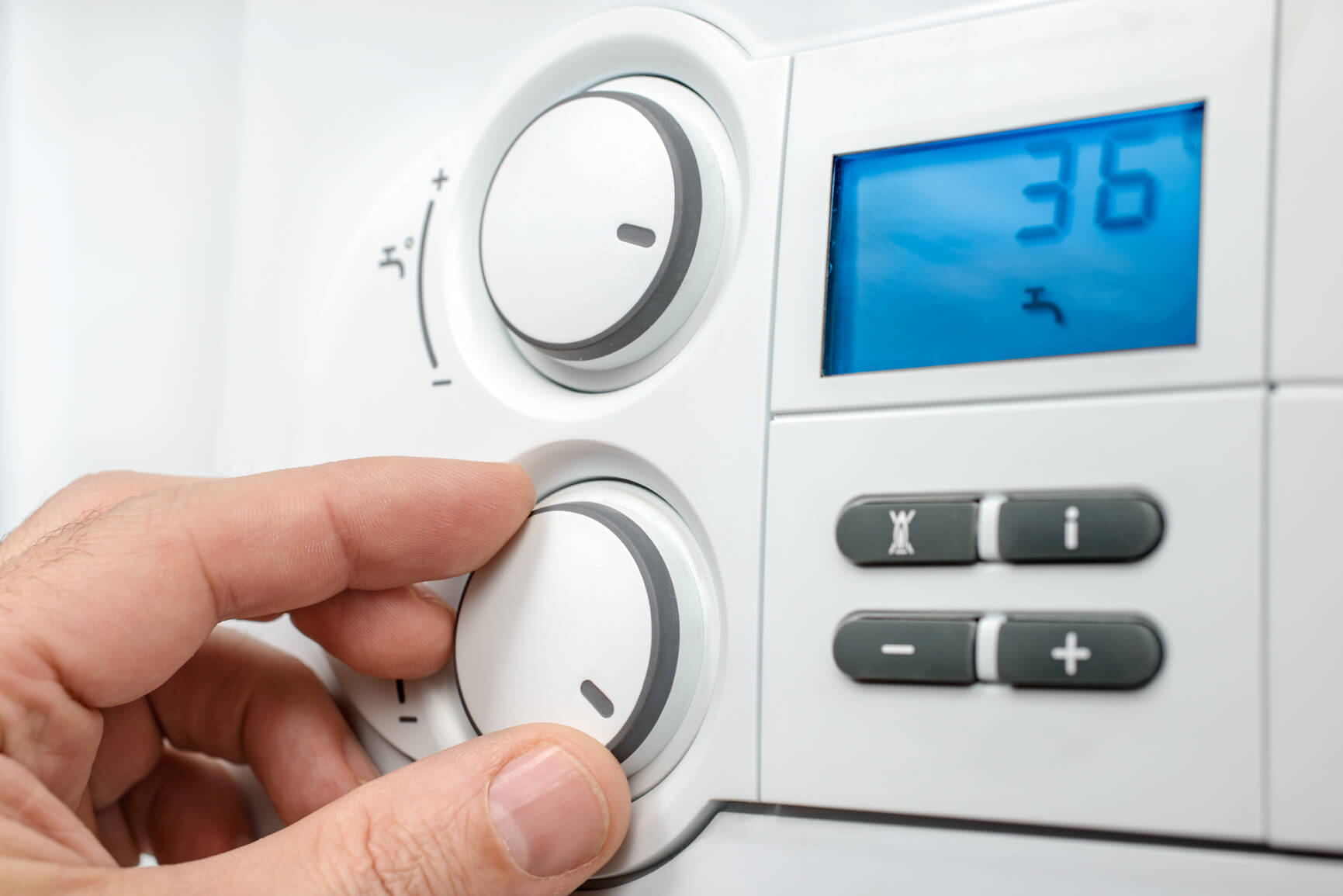
Choosing a central heating engineer is not just a question of finding someone available next week. The person you hire may be working on gas appliances, hot water, radiators, controls, pipework and safety-critical parts of the home, so the decision affects comfort, running costs and safety.
A good engineer does more than fit parts. They diagnose properly, explain trade-offs, quote clearly and leave the system working as a whole. This guide explains what to check before booking, what questions to ask, which warning signs to avoid and how to compare heating engineers without choosing purely on price.
Contents
- 1 Key Takeaways
- 2 Start With The Work You Actually Need
- 3 Check Qualifications, Registration And Insurance
- 4 How To Judge Experience Properly
- 5 Comparing Quotes Without Being Misled
- 6 Reviews, References And Local Reputation
- 7 Questions To Ask Before Booking
- 8 Red Flags To Avoid
- 9 Expert Insights From Our Heating Engineers
- 10 Summing Up
- 11 Frequently Asked Questions
- 11.1 How Do I Check If A Heating Engineer Is Gas Safe Registered?
- 11.2 Is A Plumber The Same As A Heating Engineer?
- 11.3 Should I Choose The Cheapest Heating Engineer?
- 11.4 What Should A Heating Engineer Quote Include?
- 11.5 When Should I Call A Heating Engineer Instead Of Trying DIY?
- 11.6 What Are Warning Signs Of A Bad Heating Engineer?
- 11.7 How Often Should A Heating System Be Checked?
Key Takeaways
- For gas work, always verify the engineer on the official Gas Safe Register and check the ID card matches the work needed.
- Experience matters, but the right type of experience matters more than years alone.
- A good quote should explain diagnosis, materials, labour, warranty, timescale and what is excluded.
- Reviews are useful, but look for detail about punctuality, cleanliness, aftercare and problem-solving.
- Be wary of vague pricing, pressure selling, no paperwork, no insurance or reluctance to show credentials.
Start With The Work You Actually Need
Before comparing engineers, be clear about the job. Boiler servicing, radiator replacement, heating controls, power flushing, system balancing, underfloor heating, hot-water cylinders and heat pump work all need different experience. A competent boiler service engineer may not be the right person to design a low-temperature radiator system, and a general plumber may not be legally qualified to work on gas appliances.
Write down the symptoms or goal before you call: which rooms are cold, what noises you hear, whether pressure drops, how old the boiler is, what controls you have and whether the issue is new or long-running. Clear information helps a good engineer quote appropriately and helps you spot anyone giving a confident answer before asking enough questions.
Check Qualifications, Registration And Insurance
If the job involves gas, registration is non-negotiable. The HSE explains that consumers can use the official Gas Safe Register to find or check an engineer, including checking the licence number from the engineer’s ID card. Registration should be current, and the engineer should be qualified for the specific type of gas work they are doing, not just generally registered.
For renewable heating or microgeneration work, look for relevant manufacturer training, MCS certification where incentives or consumer protection depend on it, and evidence that the installer understands low-temperature design. For electrical controls or wiring, ask who will handle the electrical side and whether certification is required.
| Work Type | What To Check | Why It Matters |
|---|---|---|
| Gas boiler or gas fire | Gas Safe registration and appliance category | Legal and safety requirement |
| Radiators and pipework | Heating system experience, not just plumbing | Balancing and flow affect performance |
| Heat pumps | MCS or specialist low-temperature design experience | Poor design leads to high running costs |
| Controls | Product knowledge and wiring competence | Bad controls make good systems feel poor |
How To Judge Experience Properly
Years in the trade are useful, but relevant diagnosis is more important. Ask whether the engineer has handled the same problem before and what they would check first. A strong answer usually mentions testing, measurements and possible causes. A weak answer jumps straight to an expensive replacement without explaining why.
For example, if radiators are cold downstairs, an engineer should think about radiator balancing, pump settings, air, sludge, valves and pipework before deciding the boiler is at fault. If a boiler is noisy, they should distinguish between normal expansion sounds, kettling, pump vibration and gas combustion concerns. Good engineers narrow the problem instead of guessing.
Comparing Quotes Without Being Misled
The cheapest quote is not always the best value, but the most expensive quote is not automatically the most professional either. A useful quote should separate labour, parts, VAT, call-out fees, disposal, warranty and any optional work. It should also say what happens if the engineer finds a different issue once work starts.
Be cautious with quotes that are vague, cash-only, unusually low, or full of pressure to decide immediately. For bigger jobs, ask whether the quote includes flushing, inhibitor, balancing, commissioning, controls setup and showing you how to use the system. Missing details often become extras later.
Reviews, References And Local Reputation
Reviews are helpful when they describe the actual work, not just “great service”. Look for patterns: does the engineer arrive when promised, explain findings, leave the house tidy, return for aftercare and solve faults first time? A few imperfect reviews are not necessarily a problem if the response is professional and specific.
Local recommendations can be valuable, especially for older housing stock where heating systems may have quirks. Still, do not let a recommendation replace credential checks. A friendly engineer still needs the right registration, insurance and competence for the work.
Questions To Ask Before Booking
- Are you registered or certified for this exact type of work?
- Can I check your registration or ID before work starts?
- What are the likely causes based on the symptoms?
- Is the quote fixed, estimated or subject to investigation?
- What warranty applies to parts and labour?
- Will the system be tested, balanced or commissioned afterwards?
- What should I do if the problem returns?
Good engineers do not mind sensible questions. If someone becomes defensive about registration, paperwork or diagnosis, treat that as a warning sign.
Red Flags To Avoid
Do not hire someone who refuses to show ID for gas work, cannot explain what they are qualified to do, wants full payment upfront for a small job, gives no written quote for meaningful work, or dismisses safety concerns. Also be cautious if they diagnose a major replacement from a single phone call without inspecting the system.
Another red flag is poor aftercare. Heating work often needs testing once the system is hot, cold and under normal use. An engineer who disappears after payment, will not answer questions or refuses to revisit a clear issue may not be the bargain they first appeared.
For anything more involved than a straightforward service, ask how the engineer will protect the home while working. Dust sheets, draining arrangements, waste disposal, parking, access, working hours and whether heating or hot water will be unavailable all affect the experience. Good tradespeople tend to discuss these details before they become problems.
After the job, ask for any settings that were changed, such as boiler flow temperature, pressure, thermostat schedules or radiator balancing notes. Those details help you understand the system and avoid accidentally undoing useful adjustments later. They also give the next engineer useful context if another fault appears.
If the job is part of a wider upgrade, ask whether the engineer has considered controls, water treatment and balancing as part of the quote. These details are easy to overlook because they are less visible than a new boiler, pump or radiator, but they often decide whether the finished system feels quiet, even and economical.
Keep a copy of the quote, invoice, service record and any photos of hidden pipework. Good records make warranty questions easier and help future engineers understand what was changed without guessing.
When comparing two similar quotes, choose the one that explains exclusions clearly. A slightly higher price can be better value if it includes commissioning, cleanup, aftercare and a clear route back if something does not work as expected.
Expert Insights From Our Heating Engineers
Our heating engineers recommend judging a contractor by how they diagnose, not just how confidently they speak. A professional engineer should be able to explain the likely fault, the checks they will carry out and why one repair is better than another. The strongest engineers make complicated systems easier to understand.
They also advise keeping records. Save service reports, invoices, warranty documents and photos of any hidden pipework before it is covered. These details make future diagnosis easier and can help another engineer understand what has been changed.
Summing Up
A good central heating engineer should make the job feel clearer, not more uncertain. Check the right registration, ask how they reached their diagnosis, compare quotes by scope rather than price alone, and make sure the paperwork and aftercare are agreed before work starts.
For gas work, credentials are non-negotiable. For larger heating upgrades, the best choice is usually the engineer who understands the whole system and explains the trade-offs plainly.
Frequently Asked Questions
How Do I Check If A Heating Engineer Is Gas Safe Registered?
Ask to see the engineer’s Gas Safe ID card and check the licence number on the official Gas Safe Register. Also check the back of the card to confirm they are qualified for the specific work, such as boilers, fires or cookers.
Is A Plumber The Same As A Heating Engineer?
Not always. Some plumbers are also heating engineers, but plumbing and heating specialisms overlap rather than being identical. Gas work requires Gas Safe registration, while heating design, balancing and controls need relevant central heating experience.
Should I Choose The Cheapest Heating Engineer?
Price matters, but the cheapest quote can be poor value if it excludes testing, balancing, materials, warranty or aftercare. Compare the scope of work, not only the headline price, and be wary of vague or pressure-based pricing.
What Should A Heating Engineer Quote Include?
A good quote should explain labour, parts, VAT, timescale, warranty, disposal, exclusions and what happens if further faults are found. For larger jobs it should also mention commissioning, controls setup and system checks.
When Should I Call A Heating Engineer Instead Of Trying DIY?
Call a professional for gas work, persistent pressure loss, boiler faults, major leaks, electrical controls, power flushing, cylinder work and recurring radiator problems. Basic checks such as thermostat settings and bleeding radiators may be DIY, but safety-critical work is not.
What Are Warning Signs Of A Bad Heating Engineer?
Warning signs include no ID, no written quote, reluctance to prove registration, poor communication, cash-only pressure, instant diagnosis without inspection, no insurance details and refusal to explain what work is actually being carried out.
How Often Should A Heating System Be Checked?
Gas boilers are commonly serviced annually, and landlords have legal gas safety duties. Owner-occupiers should follow appliance instructions and warranty requirements, and should arrange checks sooner if there are noises, smells, pressure loss or poor heating performance.
Updated