Heat Pump Source Blog

Biomass Boiler Guide

Looking for ways to reduce your carbon footprint and adopt more sustainable solutions in your everyday life? You should out-commission your old gas boiler and replace it with a more modern biomass boiler that uses renewable plant-based materials instead of fossil fuel! Biomass boilers burn wood pellets or chips to produce heat and boil water. Read more »

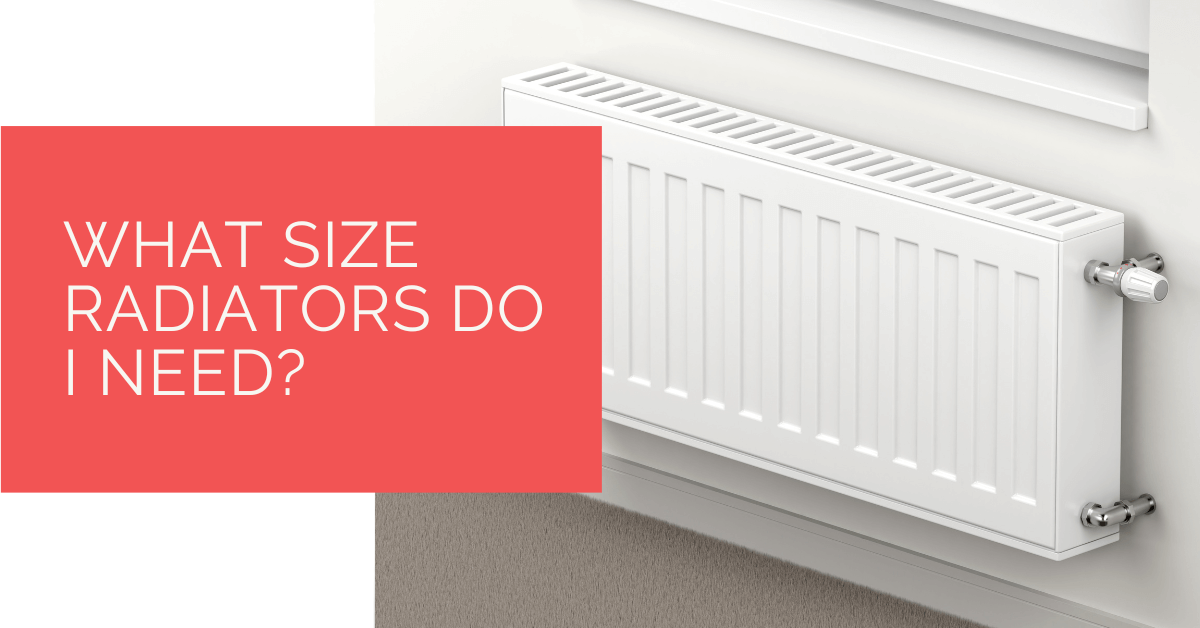
What Size Radiators Do I Need?

The right radiator size is the one that can replace the heat a room loses on a cold day. That sounds simple, but it is why guessing by room size alone often leads to disappointment. Two rooms with the same floor area can need very different radiators if one has large windows, more external walls, Read more »

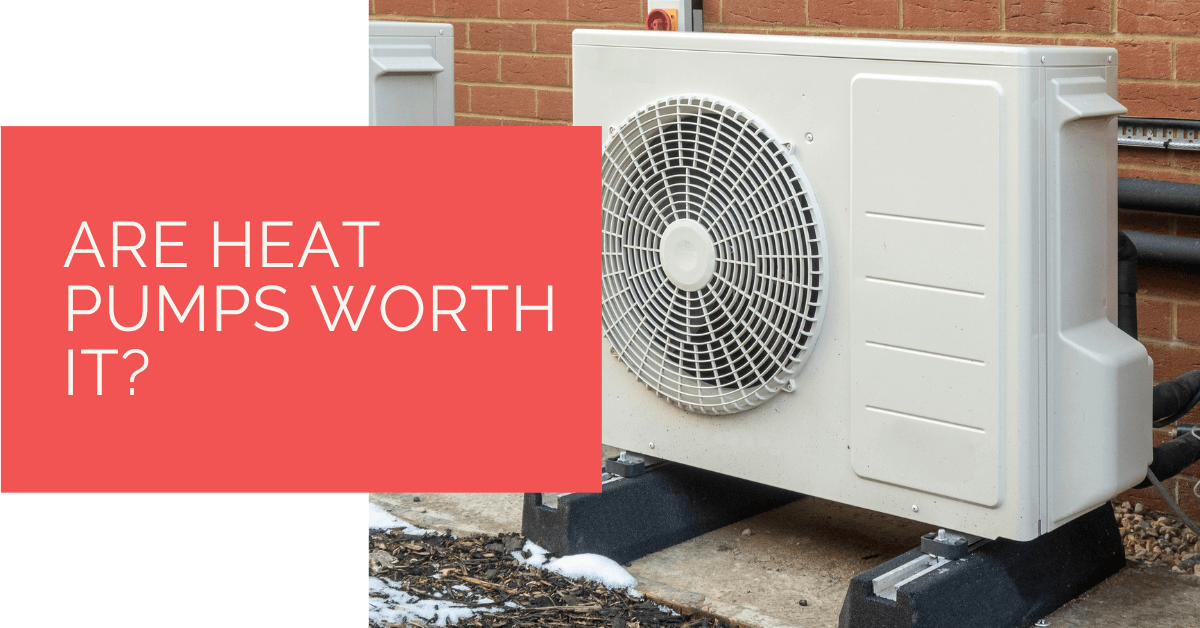
Are Heat Pumps Worth It?

Heat pumps can be worth it, but the honest answer depends on the property, the installation and what you are comparing them with. A well-designed heat pump in a suitable home can be efficient, comfortable and lower carbon. A rushed installation in a leaky home with undersized radiators can disappoint. This guide looks at the Read more »

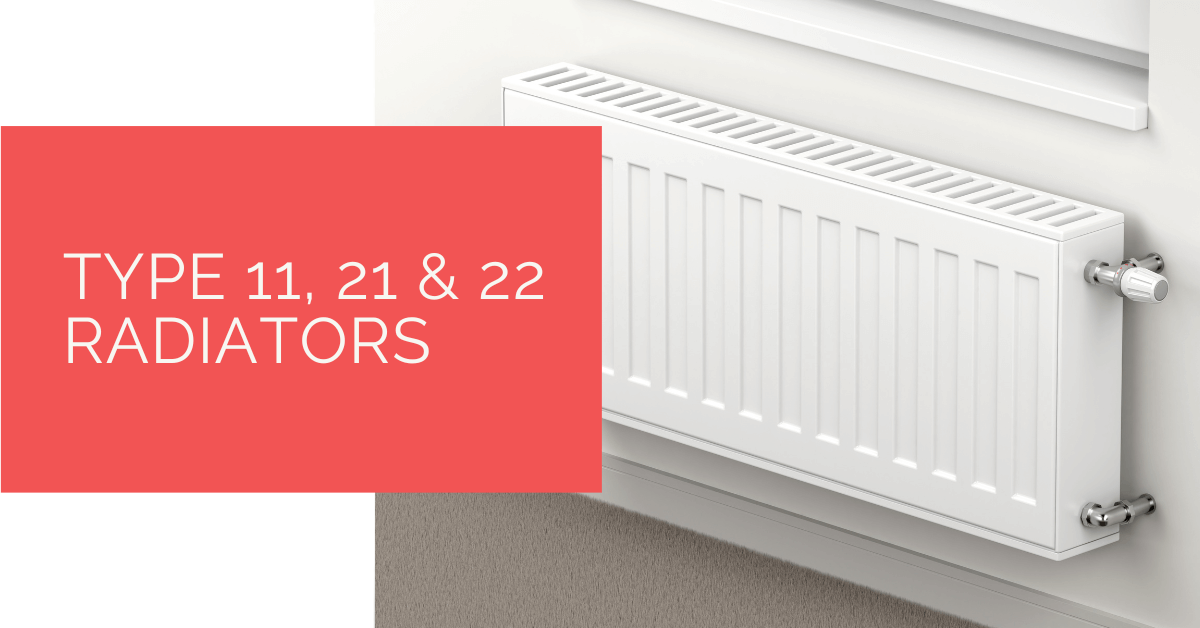
Type 11, 21 & 22 Radiators

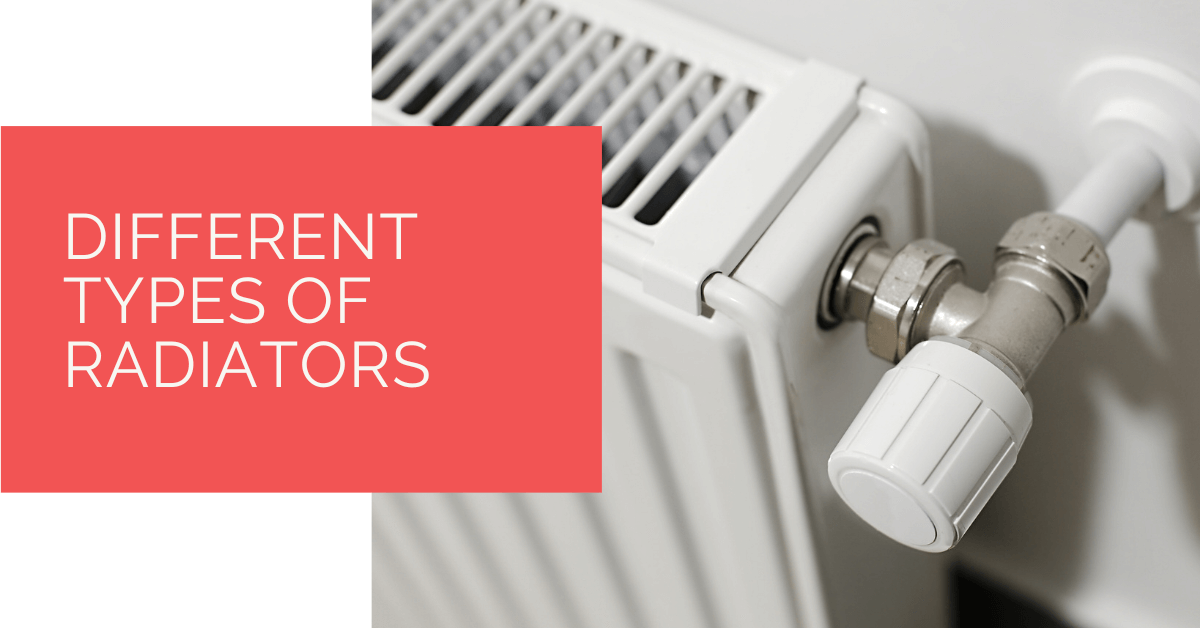
Type 11, Type 21 and Type 22 radiators are panel radiator configurations. The numbers tell you how many panels and convector fins the radiator has, which affects heat output, depth and suitability for different rooms. The mistake is choosing by type alone. A Type 22 usually gives more heat than a similar-sized Type 11, but Read more »

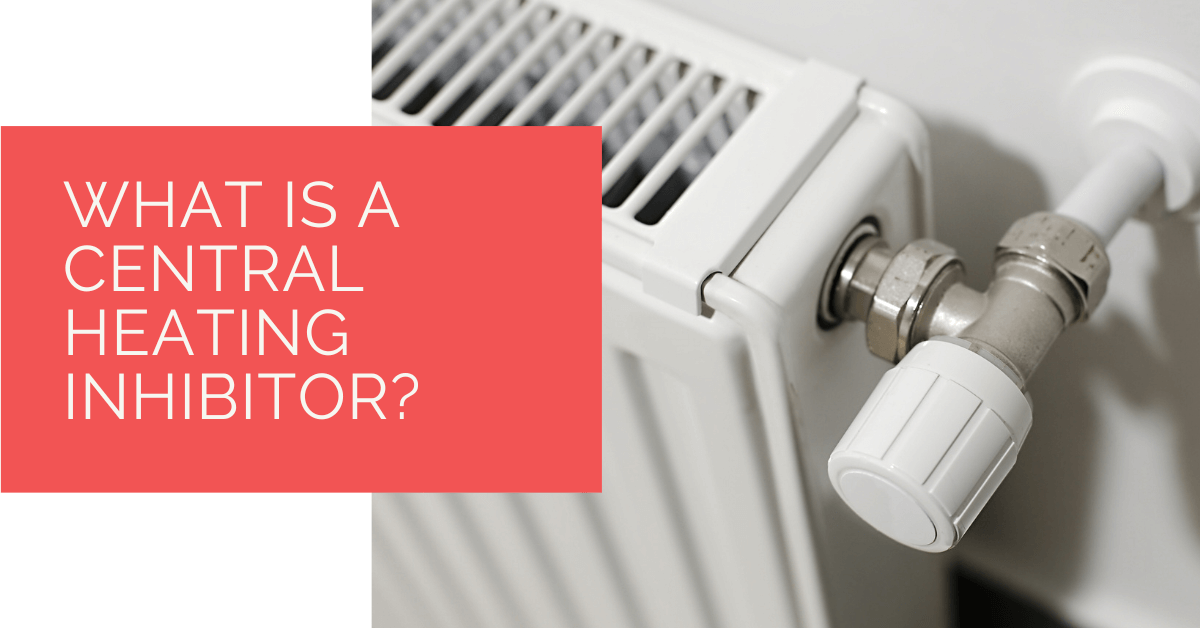
What Is a Central Heat Inhibitor?

Central heating inhibitor is a chemical added to wet heating systems to reduce corrosion, sludge and scale-related problems. It is not glamorous, but it helps protect radiators, pipework, pumps and boilers from the dirty water problems that quietly damage performance. The important caveat is that inhibitor is prevention, not a magic cleaner. If the system Read more »

How to Isolate a Radiator

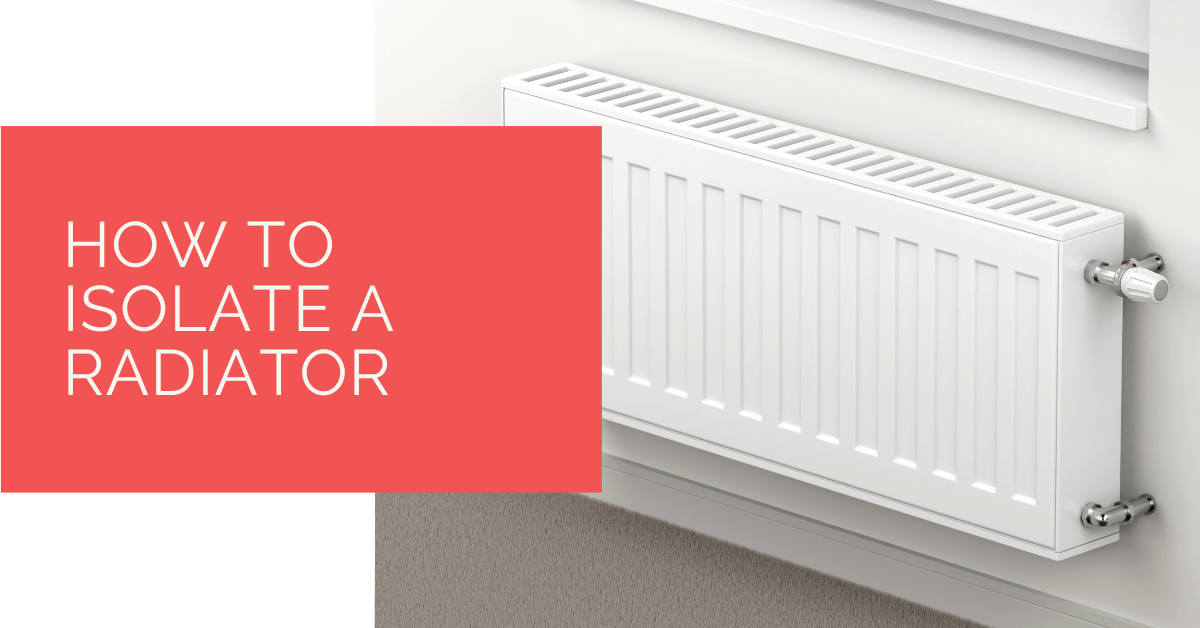
Isolating a radiator means shutting off the water flow to that one radiator so you can deal with a leak, decorate behind it, remove it temporarily or stop it heating a room. It sounds simple, but the detail matters because old valves can leak, lockshields affect system balance and radiators hold more dirty water than Read more »

Why Is My House Hot Upstairs and Cold Downstairs?

A house that is hot upstairs and cold downstairs usually has a heat movement problem, not two unrelated comfort problems. Warm air rises, sunlight and loft spaces can overheat upper rooms, while downstairs rooms may be shaded, draughty or slower to receive heat from the heating system. The right fix depends on when it happens. Read more »

What Size Heat Pump Do You Need?

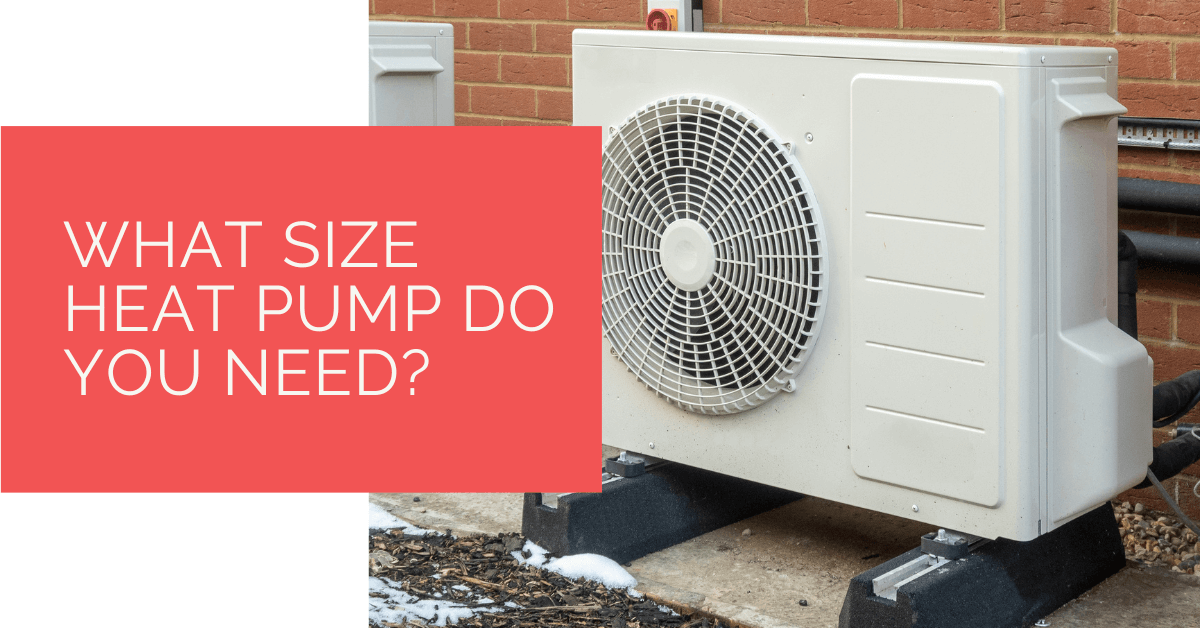
Most UK homes that suit an air source heat pump fall somewhere between about 5 kW and 16 kW, but the useful answer is not simply based on bedrooms or floor area. Heat pump size depends on how quickly your home loses heat on a cold day, what indoor temperature you want, and whether your Read more »

What Is LPG?

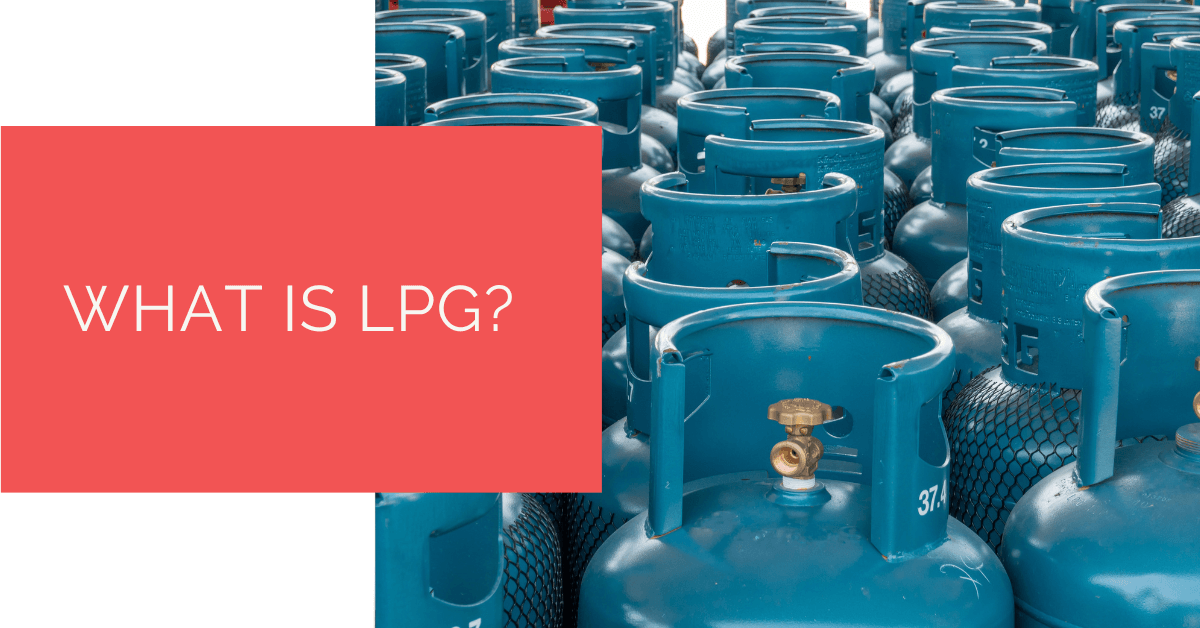
LPG stands for liquefied petroleum gas. It is a portable fuel used where mains gas is unavailable or inconvenient, from patio heaters and barbecues to caravans, forklifts, rural homes and some commercial heating systems. The useful thing about LPG is that it can be stored as a liquid under pressure and used as a gas Read more »

What Are Low Carbon Heat Pumps?

Heat pumps are described as low-carbon heating because they move heat rather than create it by burning fuel in the home. They still use electricity, so the real carbon impact depends on efficiency, design and how clean the electricity supply is. A good heat pump installation is not just a box outside the house. It Read more »