Heat Pump Source Blog

Bathroom Ventilation Guide

Considering the purpose your bathroom is used for, it is supposed to be a humid space by default. To avoid the consequent mould and maintain the interiors of the bathroom, it is essential to keep it ventilated. Mould accumulation coupled with a damp atmosphere can give way to harmful health effects for all users of Read more »

Are Infrared Heaters Safe?

Infrared heaters can be safe when they are correctly specified, installed and used with suitable clearances. They heat people and surfaces directly rather than warming all the air first, which is why they can feel comfortable in certain rooms. The safety questions are mainly about surface temperature, placement, electrical load, mounting, vulnerable users and whether Read more »

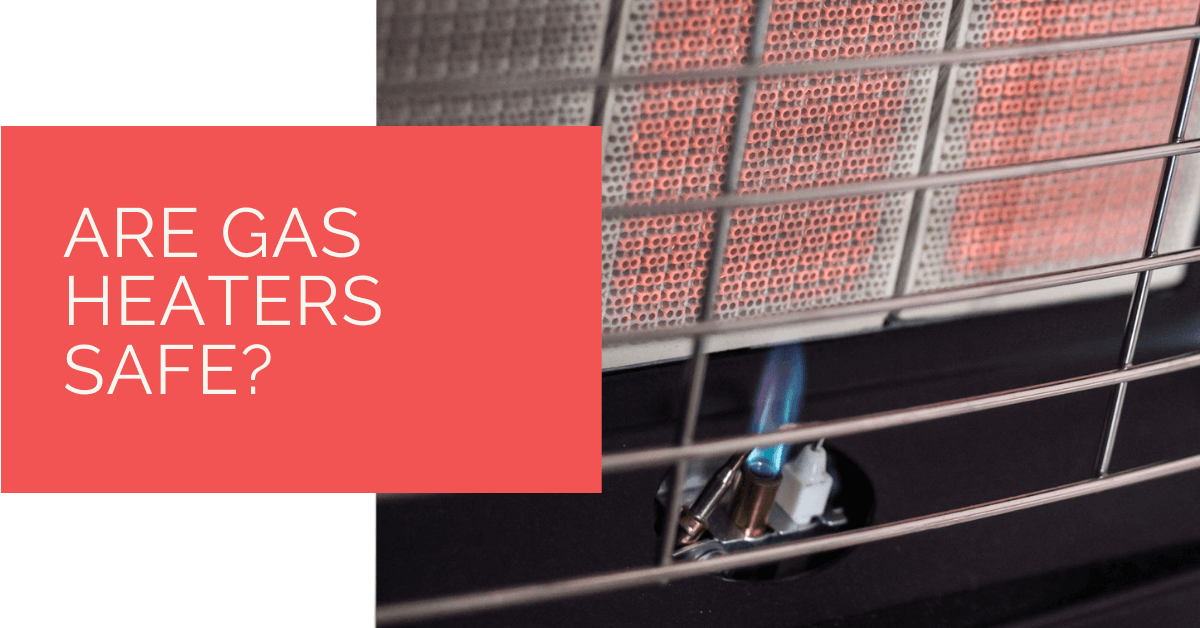
Are Gas Heaters Safe?

Gas heaters can be safe when they are the right type for the space, properly installed, well maintained and correctly ventilated. They become dangerous when used in the wrong room, poorly serviced, blocked, damaged, unflued, or treated as a cheap substitute for proper fixed heating. The safety question depends heavily on the kind of gas Read more »

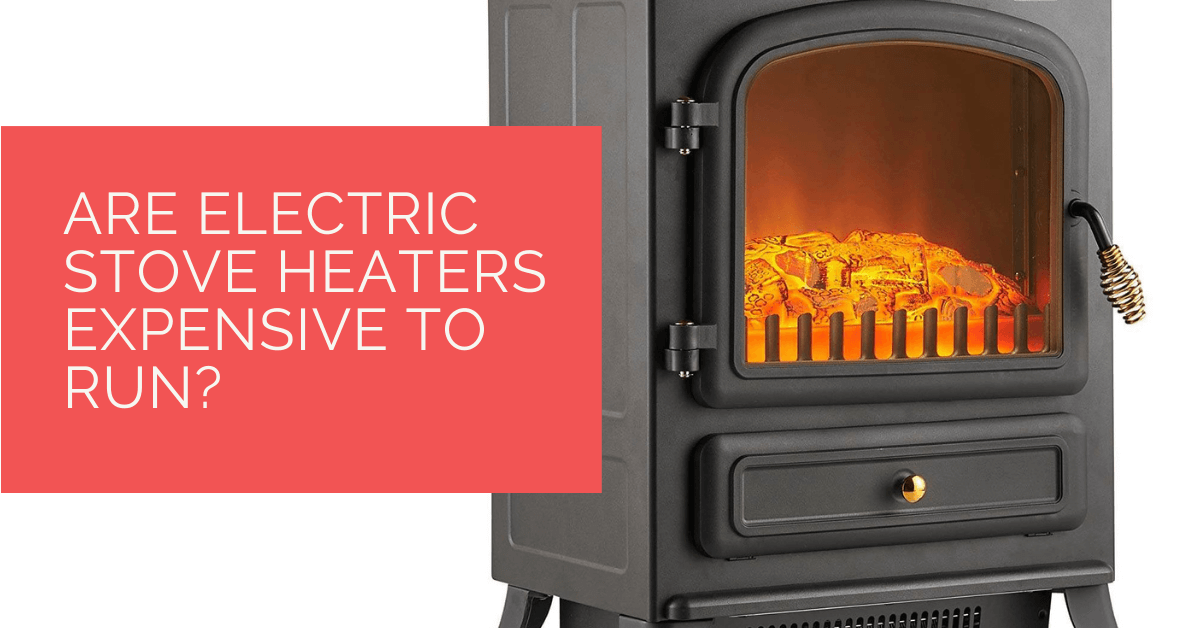
Are Electric Stove Heaters Expensive to Run?

Electric stove heaters are not usually expensive because of the flame effect. They become expensive when the heating element is used for long periods. Most electric stove heaters use a small amount of power for the visual flame display and around 1-2 kW when heating, so the running cost depends mainly on wattage, electricity tariff Read more »

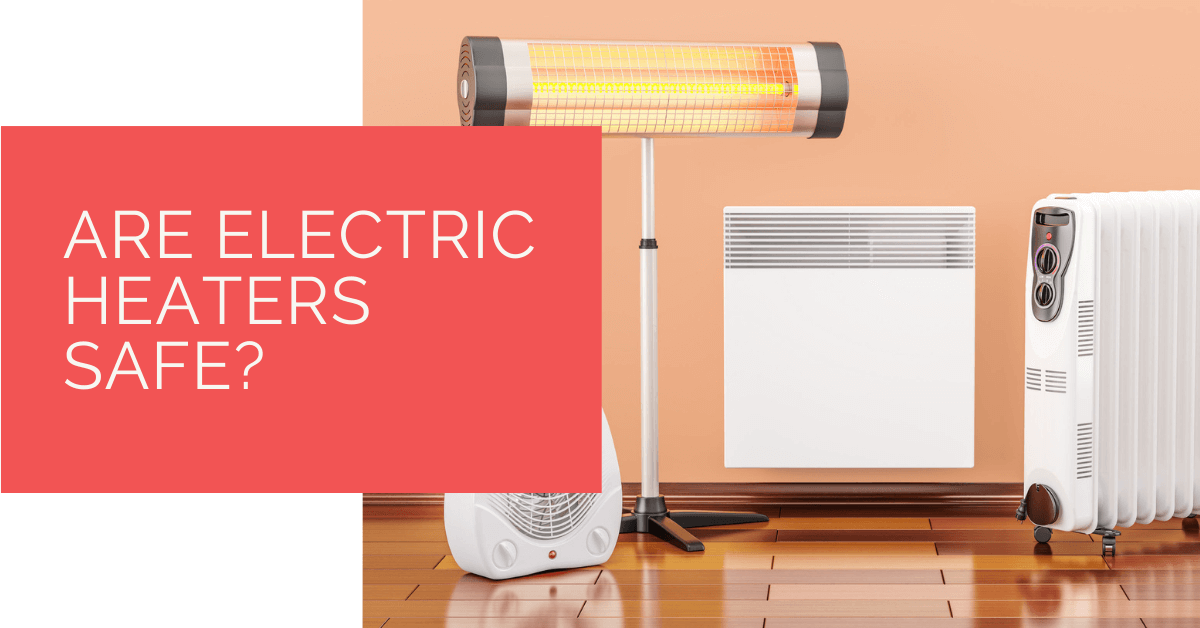
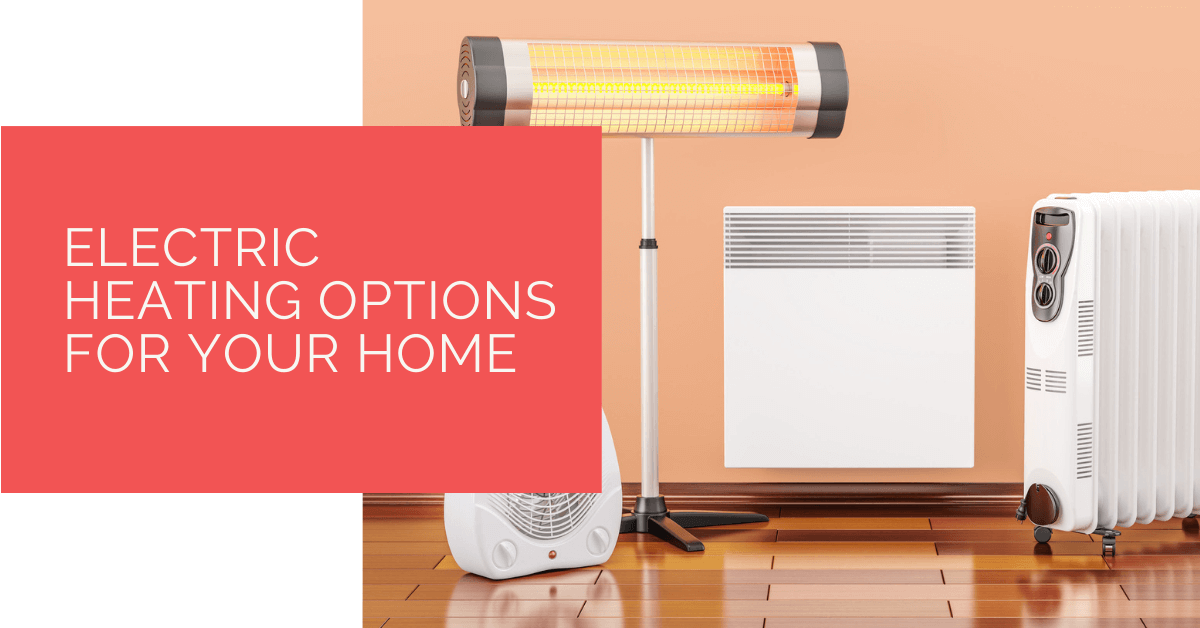
Are Electric Heaters Safe?

Electric heaters can be safe when they are well made, correctly placed and used for the job they are designed to do. The safety problems usually come from misuse: covering heaters, drying clothes on them, using extension leads, placing them too close to furniture, leaving them unattended, or continuing to use damaged appliances. That makes Read more »

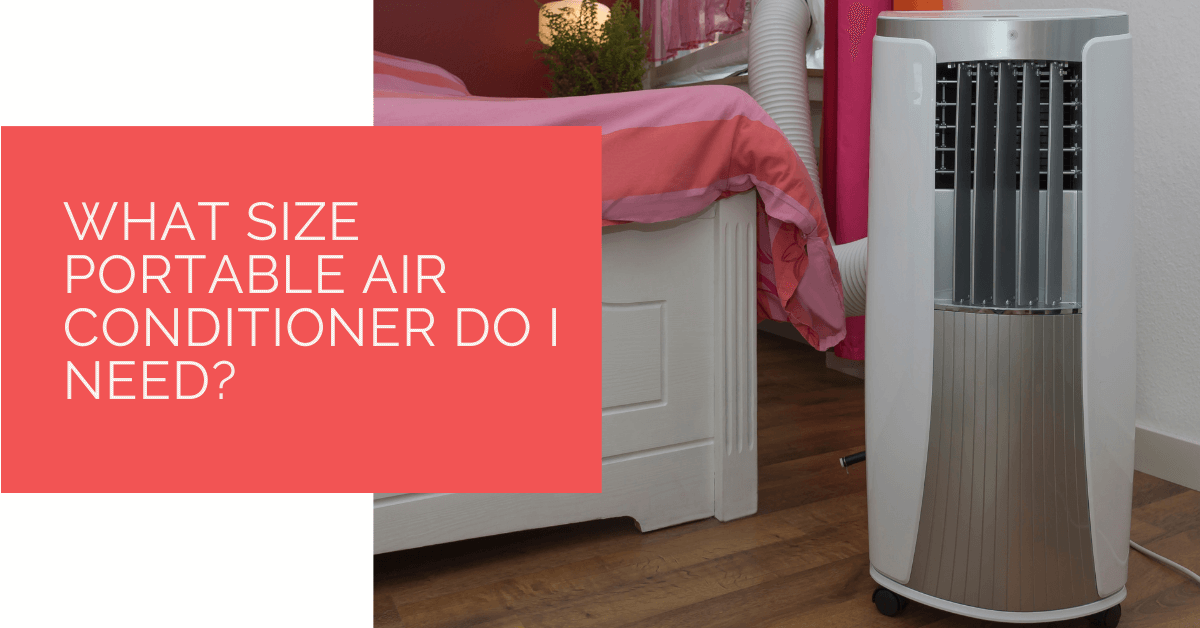
What Size Portable Air Conditioner Do I Need?

Portable air conditioner size is measured in BTU, which tells you how much heat the unit can remove from a room. Too little BTU and the unit will run loudly without making much difference. Too much and you may pay more for a heavier machine that cycles awkwardly or feels excessive for the space. For Read more »

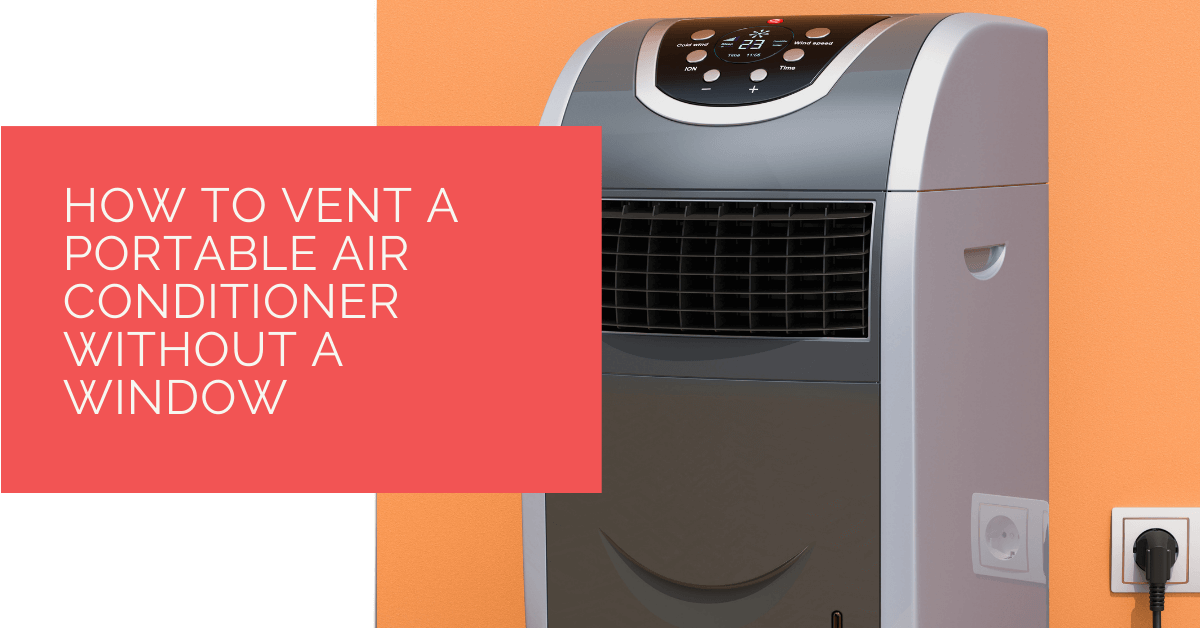
How to Vent a Portable Air Conditioner without A Window

A portable air conditioner without a normal window is awkward, but not hopeless. The rule is simple: the hot exhaust air still has to leave the room. A portable AC that vents into the same space is not cooling effectively; it is just moving heat around while using electricity. The best alternative depends on the Read more »

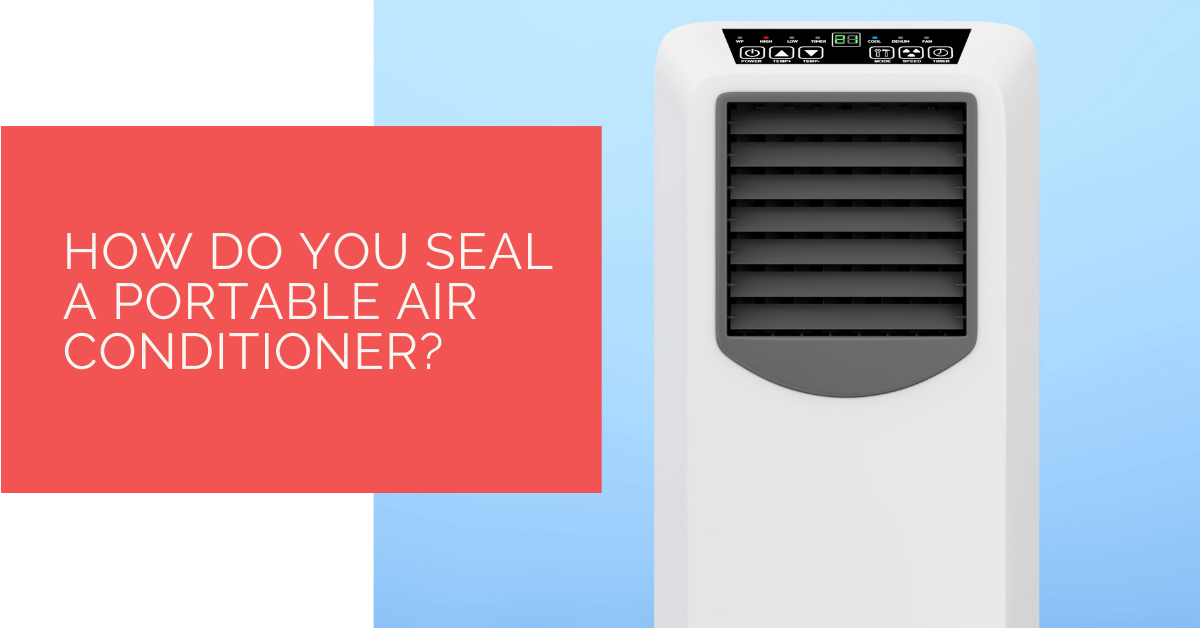
How Do You Seal a Portable Air Conditioner?

To seal a portable air conditioner, you need to close the gap around the exhaust hose so hot air cannot leak back into the room. The exact method depends on the window type, but the principle is always the same: the hose must vent outdoors through a reasonably airtight barrier. This matters more than many Read more »

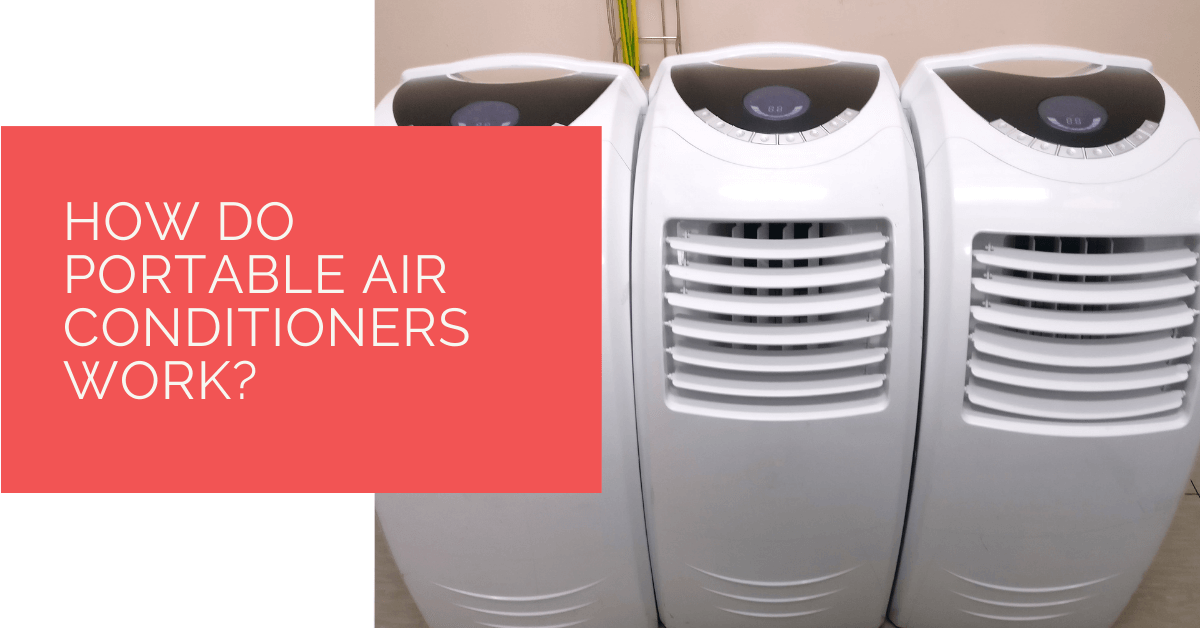
How Do Portable Air Conditioners Work?

A portable air conditioner cools a room by moving heat from indoors to outdoors. It does not make heat disappear. It absorbs heat from room air, releases that heat through a condenser, and sends the hot air outside through an exhaust hose. That hose is the detail people underestimate. Without proper venting, a portable AC Read more »

How to Empty Water from Portable Air Conditioner

Emptying water from a portable air conditioner is usually simple, but it can be messy if you pull the drain plug without planning where the water will go. The safest approach is to switch the unit off, unplug it, place a shallow tray or container below the drain outlet, and open the plug slowly. Portable Read more »