
Saving money on energy bills is easiest when you stop treating every tip as equal. Turning down a thermostat, fixing heating controls and blocking draughts can help quickly, while insulation, glazing, solar panels or heat pumps need more planning and budget.
The aim is to reduce wasted energy without making the home cold, damp or unsafe. Good savings come from control and efficiency, not from switching things off blindly.
Key Takeaways
- Heating is usually the biggest place to look for savings.
- Small actions work best when they become daily habits.
- Draught-proofing and insulation reduce how much heat the home needs.
- Smart controls help only if they are set up sensibly.
- Check official support schemes before paying for major upgrades.
Start With Quick, Low-Cost Changes
Ofgem recommends everyday actions such as turning down heating, lowering suitable boiler temperatures, washing at 30C, closing curtains at night and draught-proofing. These changes are useful because they reduce demand without needing major building work.
The best quick wins are the ones you can repeat: close doors to unheated spaces, use heating schedules properly, wash full loads and avoid leaving high-power appliances running longer than needed.
Use Heating Controls Properly
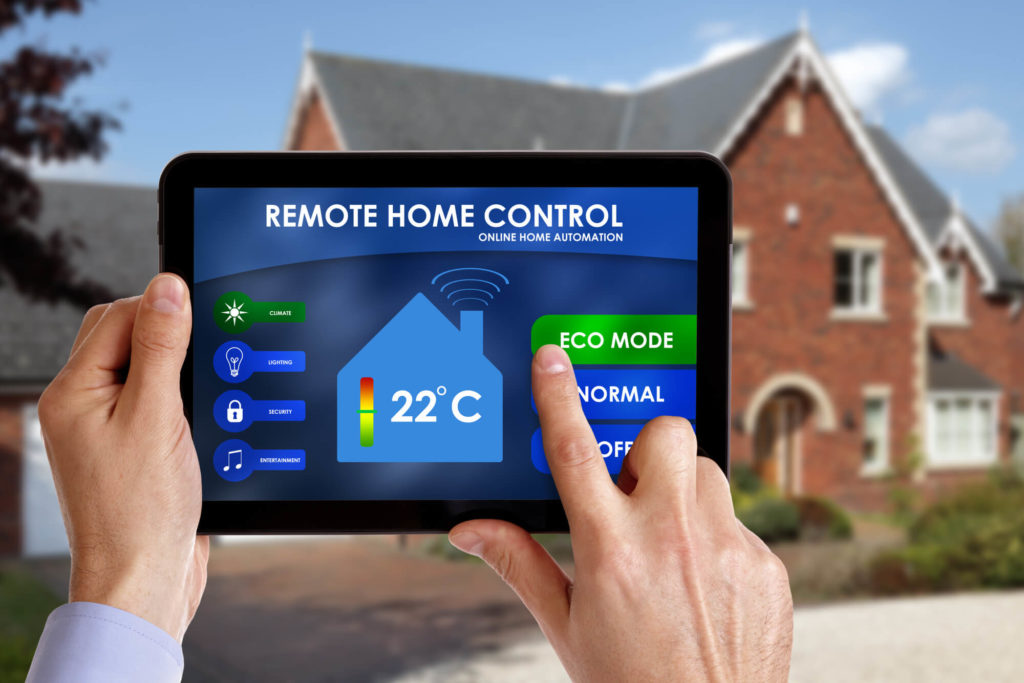
Heating controls save money when they match how the home is used. Set schedules around occupancy, turn down radiators in rooms that are not used, and avoid heating the whole house for one room. If radiators heat unevenly, control settings alone will not fix the system.
Our guide on how to balance radiators can help if some rooms overheat while others stay cold. Better balance can make lower thermostat settings more comfortable.
Stop Heat Escaping
Draught-proof gaps around doors, windows, loft hatches and floorboards, but do not block required ventilation. Insulation usually offers stronger long-term savings than behavioural tips because the home needs less heat every day.
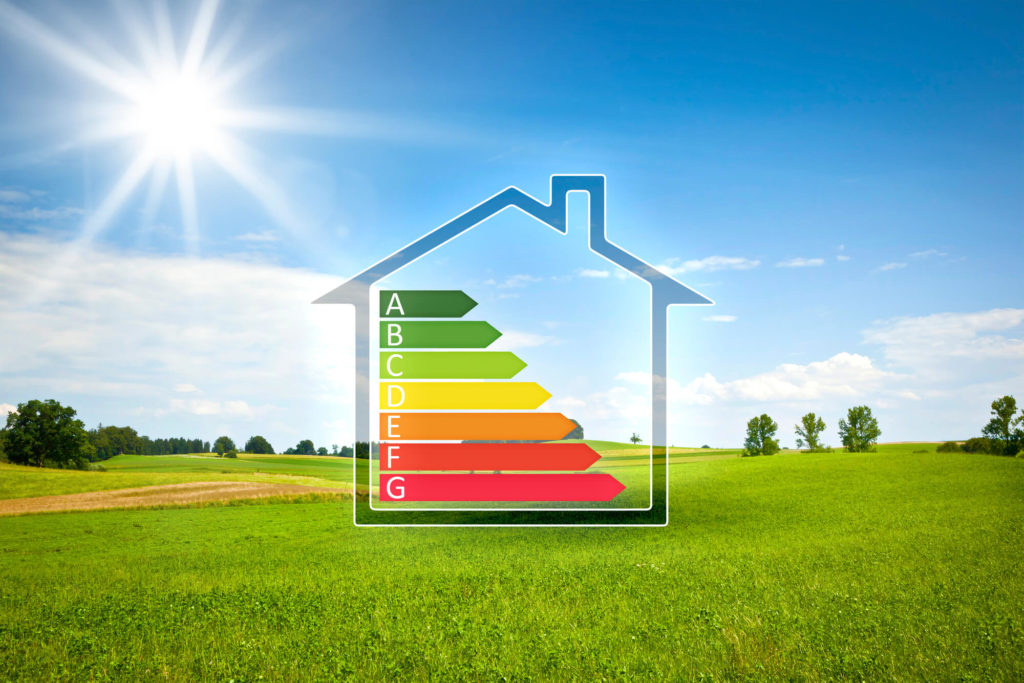
If you are planning larger improvements, check your EPC recommendations and government support. GOV.UK lists energy grants and the Boiler Upgrade Scheme for eligible low-carbon heating upgrades.
Electricity Habits And Appliances
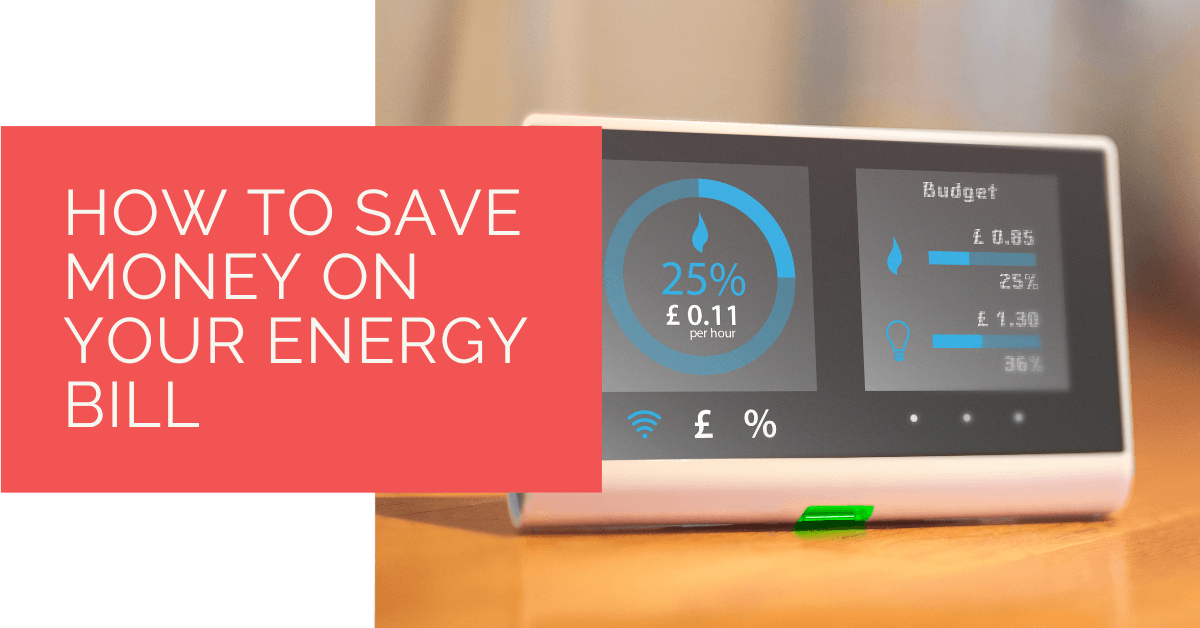
Look for the appliances that run often or use heat: tumble dryers, immersion heaters, electric heaters, ovens and older fridges. A smart meter can help reveal usage patterns, but the saving comes from changing behaviour or equipment, not the meter itself.
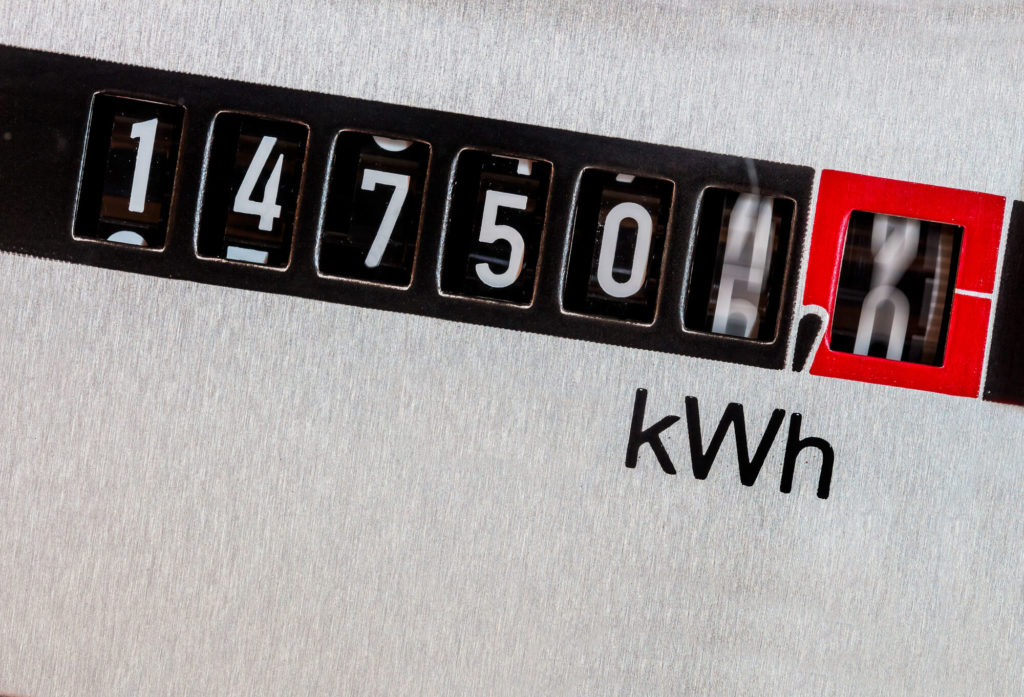
If you use plug-in heating, our guide on electric heater running costs explains why high-wattage appliances need careful use.
Which Actions Are Worth Doing First?
| Action | Cost | Best For |
|---|---|---|
| Thermostat and schedule adjustments | Free | Immediate heating savings |
| Draught-proofing | Low | Cold edges and obvious gaps |
| LED lighting | Low | Rooms with older bulbs |
| Loft or wall insulation | Medium to high | Long-term heat-loss reduction |
| Solar PV or heat pump | High | Planned low-carbon upgrades |
Expert Insights From Our Heating Engineers
Our engineers see the biggest wasted energy when heating systems are fighting the building. A thermostat is turned up because one room is cold, but the real issue is an unbalanced radiator, poor insulation, trapped air or a draught.
Before buying expensive technology, make the existing system work properly. Then the savings from controls, insulation or renewables are more predictable.
Summing Up
To save money on energy bills, prioritise heating control, draught reduction, efficient habits and fabric improvements. Use official support for bigger upgrades, and avoid changes that make the home damp, unsafe or uncomfortable.
Frequently Asked Questions
What Is The Quickest Way To Reduce Energy Bills?
The quickest savings usually come from using less heating energy: lowering the thermostat slightly, setting schedules properly, turning down radiators in unused rooms and reducing draughts. The exact saving depends on the home and habits, but heating control is normally more significant than small standby changes.
Does A Smart Meter Save Money By Itself?
No. A smart meter shows energy use more clearly, but it does not automatically reduce consumption. It can help you spot expensive patterns, such as heavy tumble dryer use or electric heating, and then make changes based on evidence rather than guesswork.
Should I Turn Radiators Off In Unused Rooms?
Turning radiators down in little-used rooms can save energy, but avoid making rooms so cold that damp or condensation becomes a problem. Keep some background heat and ventilation where needed, especially in rooms with external walls or stored belongings.
Is It Cheaper To Leave Heating On Low All Day?
For many homes, heating only when needed is cheaper than keeping the whole house warm all day. However, comfort, insulation and occupancy matter. A poorly insulated home loses heat quickly, while a well-insulated home may need shorter, gentler heating periods.
Which Home Improvements Save The Most Energy?
Insulation, draught-proofing, efficient heating controls and upgrading inefficient heating systems often have the biggest impact. The best improvement depends on where your home loses heat. An EPC, survey or thermal assessment can help prioritise spending.
Can Solar Panels Reduce Energy Bills?
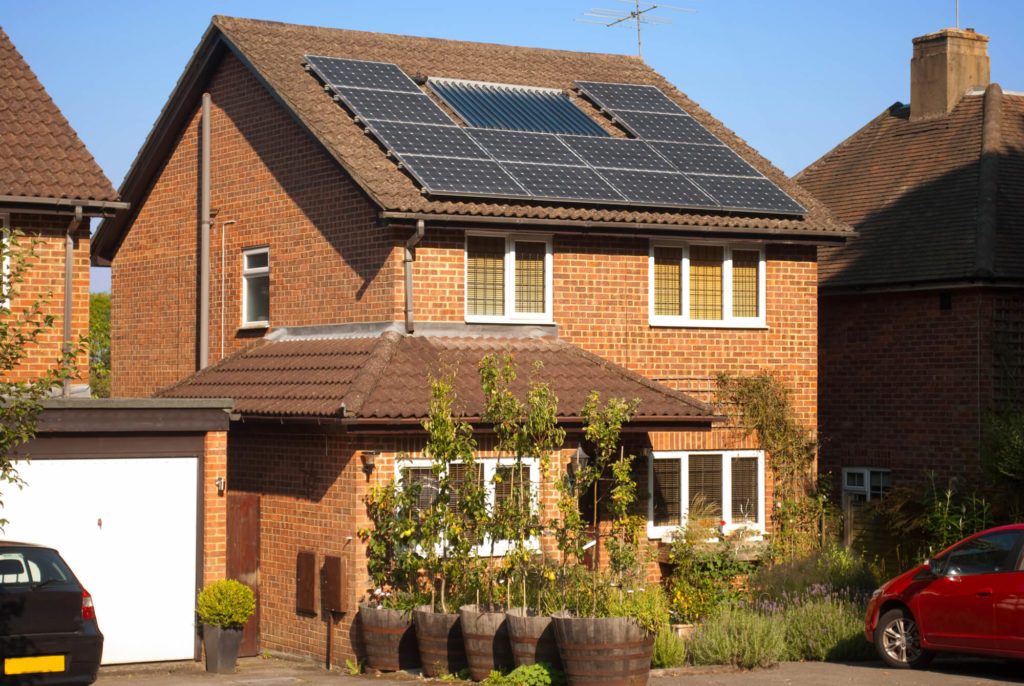
Solar panels can reduce electricity bills if the roof is suitable and you use or store enough of the generated electricity. Export payments may help, but self-consumption usually matters. Compare installation cost, expected output, battery options and tariff rates before committing.
Updated