
A hot room is easier to cool when you stop treating every tip as equal. Closing a curtain at midday, opening a window at night, running a fan, using a portable air conditioner and cooling your skin all help in different ways. The trick is knowing which one to use at the right time.
In a UK heatwave, this is not only about comfort. Overheating can affect sleep, concentration and health, especially for older people, babies, people with heart or breathing conditions, and anyone living in a top-floor flat or a room that holds heat overnight. This guide explains how to cool the room itself, how to make people in the room feel cooler, and when passive measures are no longer enough.
Contents
- 1 Key Takeaways
- 2 The Cooling Order That Works Best
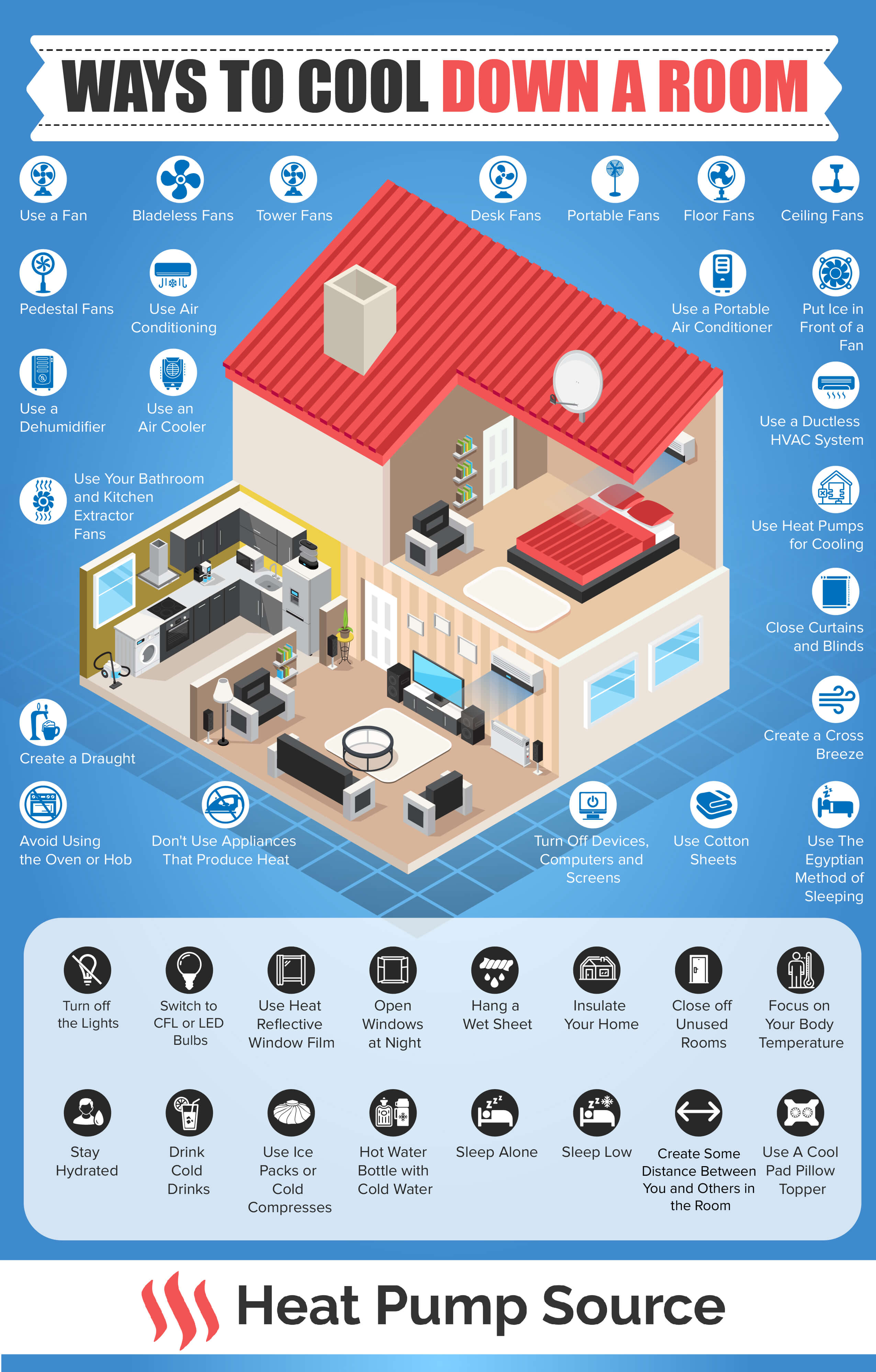
- 3 25 Practical Ways To Cool Down A Room
- 3.1 1. Close Curtains And Blinds Before The Sun Hits The Glass
- 3.2 2. Use External Shading Where Possible
- 3.3 3. Open Windows Only When Outside Air Is Cooler
- 3.4 4. Create Cross-Ventilation
- 3.5 5. Use Stack Ventilation If You Have High Windows
- 3.6 6. Put A Fan Where It Can Actually Move Air
- 3.7 7. Use Two Fans For Intake And Exhaust
- 3.8 8. Cool Your Skin As Well As The Room
- 3.9 9. Do Not Rely On A Fan Alone In Extreme Heat
- 3.10 10. Turn Off Heat-Producing Appliances
- 3.11 11. Use Extractor Fans After Cooking Or Showering
- 3.12 12. Change Bedding And Sleep Setup
- 3.13 13. Close Off Rooms That Are Heating The Home
- 3.14 14. Move Soft Furnishings Away From Sunlit Glass
- 3.15 15. Use A Dehumidifier Only When Humidity Is The Problem
- 3.16 16. Seal Gaps Around Portable AC Vent Kits
- 3.17 17. Do Not Vent A Portable AC Into Another Room
- 3.18 18. Consider Fixed Air Conditioning For Repeated Overheating
- 3.19 19. Keep Internal Doors Open Or Closed Deliberately
- 3.20 20. Use Cool Outdoor Shade When It Is Safer Than Indoors
- 3.21 21. Reduce Radiant Heat From Windows With Film Or Better Coverings
- 3.22 22. Check Loft Insulation And Roof Heat
- 3.23 23. Clean Fan Blades And Air Intakes
- 3.24 24. Use Plants And Water Features Realistically
- 3.25 25. Plan Tomorrow’s Cooling Tonight
- 4 What To Do At Different Times Of Day
- 5 When A Hot Room Becomes A Health Risk
- 6 Expert Insights From Our Heating Engineers
- 7 Frequently Asked Questions
- 7.1 Should I Keep Windows Open Or Closed In A Hot Room?
- 7.2 Do Fans Actually Cool A Room Down?
- 7.3 What Is The Fastest Way To Cool A Bedroom At Night?
- 7.4 How Can I Cool A Room Without Air Conditioning?
- 7.5 Does Putting Ice In Front Of A Fan Work?
- 7.6 Is A Dehumidifier Useful In Hot Weather?
- 7.7 When Should I Buy A Portable Air Conditioner?
- 7.8 When Is A Hot Room Dangerous?
- 8 Summing Up
Key Takeaways
- Stop heat entering the room before trying to remove it.
- Open windows when outside air is cooler than inside, not automatically all day.
- Fans cool people by moving air across skin, but they do not lower room temperature by themselves.
- Reduce indoor heat from cooking, appliances, lighting and poor ventilation.
- Portable air conditioners only work properly when the hot exhaust air is vented outside and sealed.
- If someone feels faint, confused, very weak or unwell in heat, treat it as a health issue rather than a room-comfort problem.
The Cooling Order That Works Best
Most room-cooling advice makes more sense when it is put in order. First, block heat before it enters. Second, use cooler outdoor air when it is available. Third, move air across people rather than expecting a fan to chill the room. Fourth, reduce heat being produced indoors. Finally, use mechanical cooling if the room still cannot be kept comfortable.
That order matters. A fan in a west-facing bedroom with sunlight pouring through the glass will make you feel a little better, but it will not stop the room heating up. A portable air conditioner with a loose exhaust hose will run loudly while leaking heat back indoors. A dehumidifier may make humid air feel less heavy, but it also releases some warmth while running.
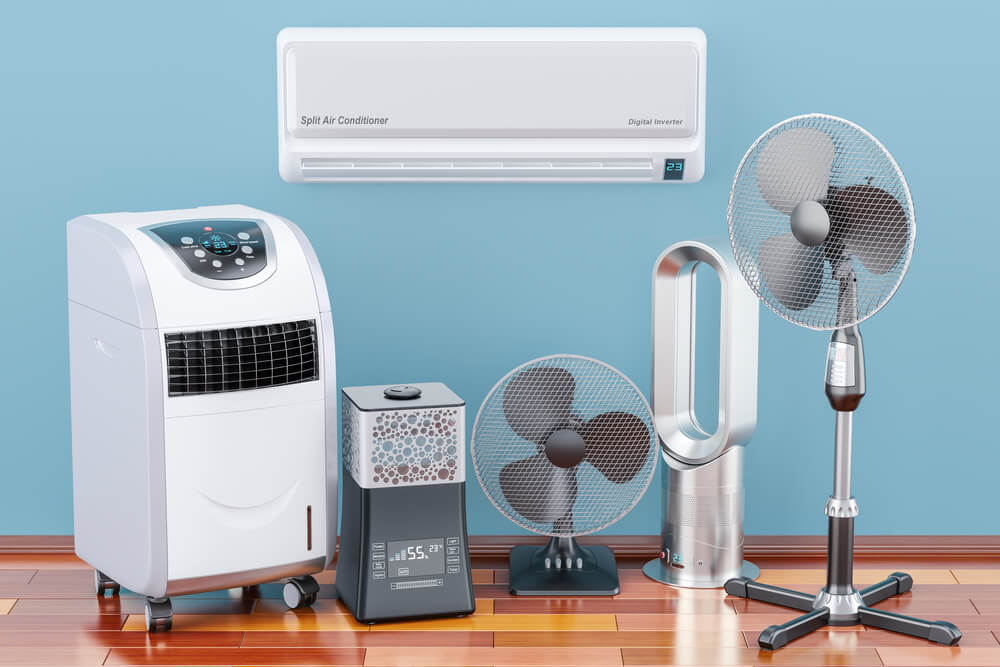
The NHS advises closing windows during the day and opening them at night when the outside temperature has gone down, and notes that electric fans can help if the air temperature is below 35°C. GOV.UK gives similar hot-weather advice: keep windows and curtains closed on sun-facing rooms during the day, open windows when the air is cooler outside, and turn off lights and electrical equipment that are not in use.
25 Practical Ways To Cool Down A Room
1. Close Curtains And Blinds Before The Sun Hits The Glass
Sun through glass is one of the fastest ways to overheat a room. Close curtains, blinds or shutters before the room warms up, especially on south and west-facing windows. Light-coloured linings or reflective blinds are more effective than thin dark fabric.
2. Use External Shading Where Possible
External shading usually beats internal shading because it stops solar heat before it passes through the glass. Awnings, shutters, balcony shade, exterior blinds, trees or even a temporary shade sail can reduce heat gain significantly in rooms that overheat every afternoon.
3. Open Windows Only When Outside Air Is Cooler
Opening a window at the wrong time can make a hot room hotter. If the outdoor air is warmer than the room, keep windows closed on the hot side. Open them early in the morning, late evening or overnight when the outdoor temperature drops and it is safe to do so.
4. Create Cross-Ventilation
Open windows or doors on opposite sides of the home to create a through-flow of air. If the room has only one window, open an internal door and use a fan to help move air towards a cooler hallway or another open window.
5. Use Stack Ventilation If You Have High Windows
Warm air rises. If you have roof windows, sash windows, a stairwell or high-level vents, opening a higher outlet can let trapped hot air escape while cooler air enters lower down. This is especially useful in loft rooms and upstairs bedrooms.
6. Put A Fan Where It Can Actually Move Air
A fan in the middle of a room may feel pleasant if it points at you, but it will not necessarily clear hot air. In the evening, try placing a fan near a window to exhaust warm air, or use it across a doorway to pull cooler air from another part of the home.
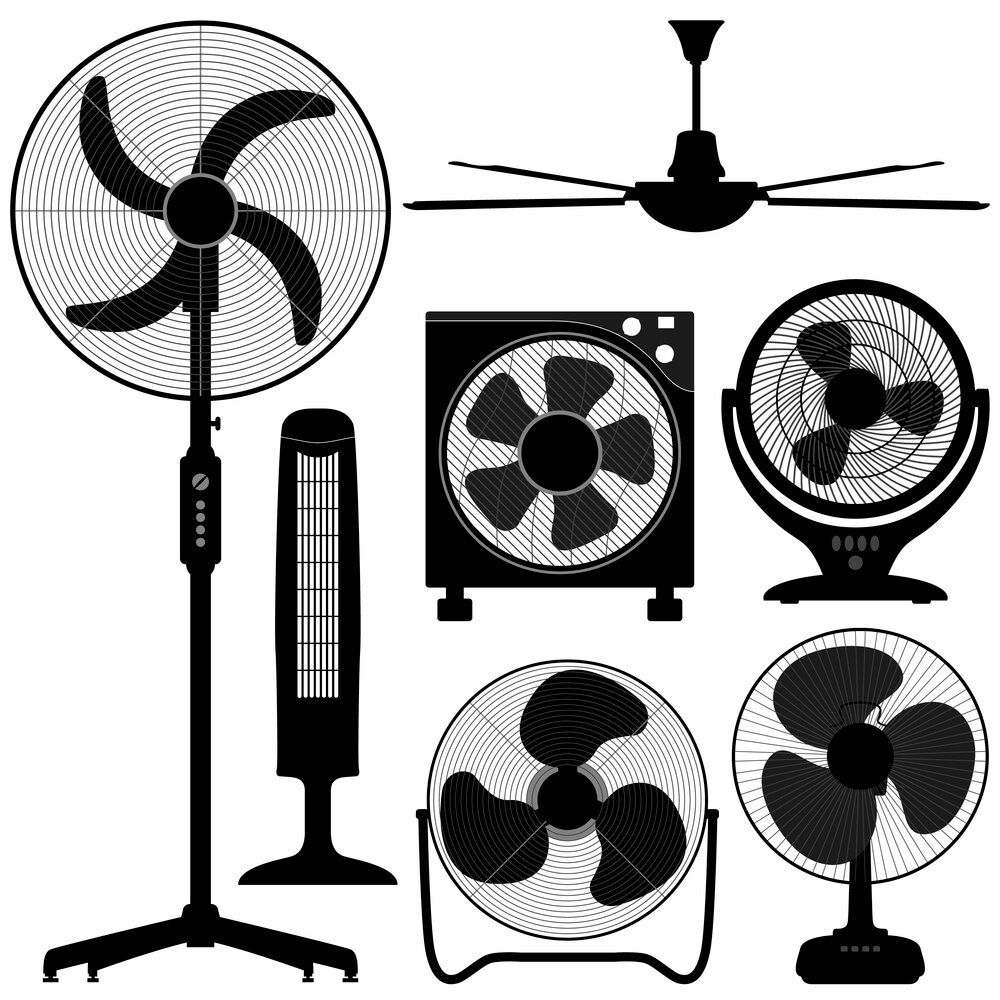
If you need a small, targeted fan for a desk or bedside table, our guide to the best desk fans is useful. For larger bedrooms and living rooms, a pedestal fan can move air across a wider area.
7. Use Two Fans For Intake And Exhaust
If you have two openings, one fan can draw cooler air in while another pushes warm air out. This works best when the outdoor air is cooler than indoor air. During the hottest part of the day, it may simply import heat.
8. Cool Your Skin As Well As The Room
Fans work by helping sweat evaporate, so cooling your body can matter as much as cooling the air. Use a cool shower, damp cloth, spray bottle, cold drink or light clothing. This is particularly helpful at night when the room is slow to lose heat.
9. Do Not Rely On A Fan Alone In Extreme Heat
Fans are useful, but they have limits. Official UK advice says electric fans can help below 35°C. Above that, or when someone is vulnerable or already unwell, a fan may not be enough. Move to a cooler room or cooler building if the home cannot be made safe.
10. Turn Off Heat-Producing Appliances
Ovens, hobs, tumble dryers, games consoles, desktop PCs and older lighting all add heat. On very hot days, cook earlier, use cold meals, microwave instead of the oven, dry clothes outside if possible and switch off devices that are not needed.
11. Use Extractor Fans After Cooking Or Showering
Kitchens and bathrooms can push heat and humidity into the rest of the home. Use extractor fans while cooking or showering and leave them running long enough to clear warm, moist air. Close the door afterwards so heat does not spread.
12. Change Bedding And Sleep Setup
Use lightweight cotton or linen bedding, remove heavy mattress toppers if they trap heat, and keep a cool drink nearby. In very hot rooms, sleeping lower to the ground or moving temporarily to a cooler room may be more effective than trying to force one bedroom to behave.
13. Close Off Rooms That Are Heating The Home
If a conservatory, loft room or west-facing bedroom becomes a heat store, close the door during the day. Open it later only when you can ventilate the heat away. This stops one overheated room from warming the rest of the house.
14. Move Soft Furnishings Away From Sunlit Glass
Dark sofas, rugs, bedding and curtains absorb heat when sun hits them. Moving furniture slightly away from sunlit windows and closing blinds earlier can reduce how much heat is stored and released later.
15. Use A Dehumidifier Only When Humidity Is The Problem
Humid air can feel hotter because sweat evaporates less easily. A dehumidifier can help in a damp, muggy room, but it is not an air conditioner and it releases some heat while running. It is best used where humidity is genuinely high, not as a general cooling cure.
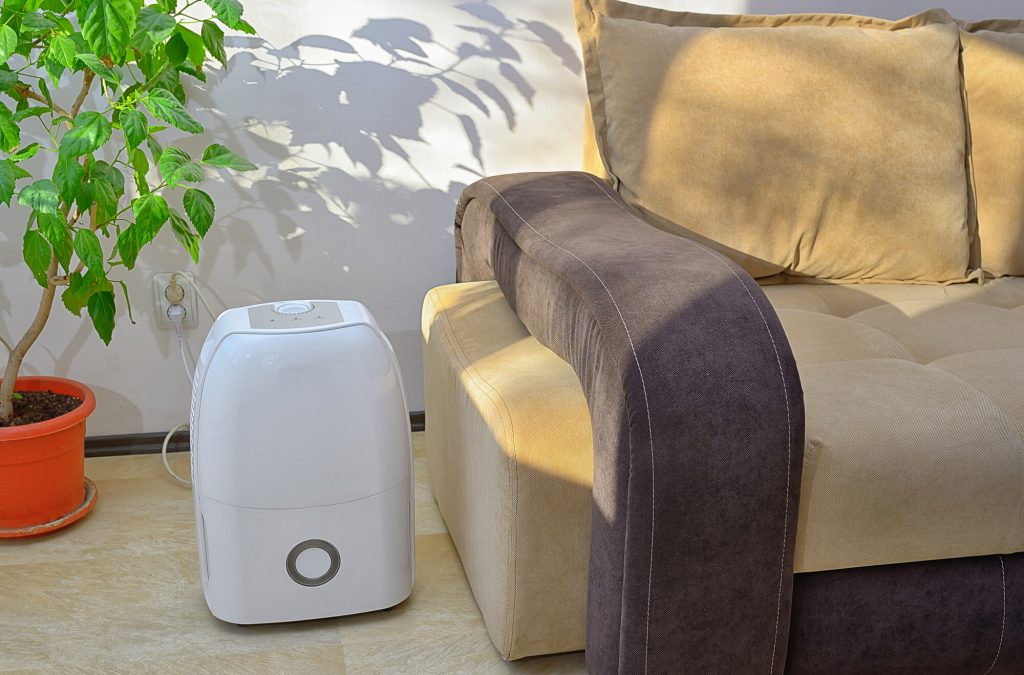
For more detail on when dehumidifiers are useful, see our guide on how to use a dehumidifier.
16. Seal Gaps Around Portable AC Vent Kits
Portable air conditioners can cool a room, but only if the hot exhaust air leaves the property. A hose pushed through an open window lets warm air leak straight back in. Use a proper window or door seal kit and keep the hose as short and straight as practical.
17. Do Not Vent A Portable AC Into Another Room
Venting into a hallway, loft, cupboard or another bedroom moves the heat rather than removing it. It can also add moisture. If there is no normal window available, our guide to venting a portable air conditioner without a window explains safer alternatives.
18. Consider Fixed Air Conditioning For Repeated Overheating
If the same room overheats every summer and passive steps are not enough, fixed air conditioning may be more effective and quieter than a portable unit. It costs more upfront and needs professional installation, but it can be a better long-term answer for loft conversions, home offices and bedrooms that regularly become unusable.
For whole-home context, our guide to home air conditioning systems compares the main options.
19. Keep Internal Doors Open Or Closed Deliberately
There is no single rule. Keep doors closed to stop a hot room warming cooler rooms. Open doors when you are trying to create airflow through the home in the evening. The correct choice changes through the day.
20. Use Cool Outdoor Shade When It Is Safer Than Indoors
Sometimes the coolest place is not the room at all. GOV.UK advises going outside if it is cooler in the shade, and public buildings such as libraries, supermarkets or places of worship may be cooler than an overheated home.
21. Reduce Radiant Heat From Windows With Film Or Better Coverings
Solar-control film, thermal blinds and shutters can help rooms that overheat because of large windows. This is more of a medium-term improvement than an instant fix, but it can make a noticeable difference in conservatories, loft rooms and west-facing bedrooms.
22. Check Loft Insulation And Roof Heat
Top-floor rooms often overheat because the roof space stores heat during the day. Good insulation can reduce heat transfer, although ventilation and roof design also matter. If a loft bedroom stays hot all night, the cause may be the building fabric rather than poor fan choice.
23. Clean Fan Blades And Air Intakes
Dusty fans move less air and can become noisier. Clean blades, grilles and filters according to the manufacturer instructions. This applies to desk fans, tower fans, portable AC units, dehumidifiers and ventilation systems.
24. Use Plants And Water Features Realistically
Houseplants and bowls of water are often overstated as cooling solutions. They may improve comfort or humidity slightly in certain conditions, but they will not rescue a hot bedroom during a heatwave. Treat them as minor additions, not primary cooling.
25. Plan Tomorrow’s Cooling Tonight
The best time to cool a room is often before it overheats. Ventilate at night, close blinds early, reduce morning appliance use and set fans or AC before the room becomes heat-soaked. Once walls, furniture and floors are hot, cooling takes longer.
What To Do At Different Times Of Day
| Time | Best Actions | Why It Helps |
|---|---|---|
| Early Morning | Open windows, create airflow, flush out warm air | Outdoor air is often cooler before the sun heats the building |
| Late Morning To Afternoon | Close sun-facing windows, blinds and curtains; avoid cooking and tumble drying | Prevents heat gain when outdoor air and sunlight are strongest |
| Evening | Open windows when outside cools, use fans to exhaust warm air | Releases heat stored in the room during the day |
| Night | Use light bedding, safe fan placement, cooler room if needed | Supports sleep and reduces heat stress |
When A Hot Room Becomes A Health Risk
Heat can become dangerous before a room feels unbearable to everyone. Babies, older adults, people with heart or lung conditions, people taking certain medicines and people who live alone are at higher risk. The NHS warns that heatwaves can cause dehydration, overheating, heat exhaustion and heatstroke.
Watch for dizziness, confusion, weakness, intense thirst, headache, cramps, nausea, breathlessness or symptoms that do not improve after cooling down. Move the person somewhere cooler, offer fluids if they are conscious and seek medical help if symptoms are severe or persistent. If someone is confused, unconscious, has chest pain or appears seriously unwell, treat it as urgent.
For heat-health advice, the NHS heatwave guidance and GOV.UK Beat the Heat guidance are worth following during hot weather alerts.
Expert Insights From Our Heating Engineers
Our heating engineers look at overheated rooms in the same way they look at cold rooms: start with the building before blaming the appliance. A small fan cannot overcome a sun-facing window with no shading, a portable air conditioner cannot perform with a leaking exhaust hose, and a dehumidifier will not cool a dry room that is hot because of solar gain.
For a bedroom or home office that overheats repeatedly, the best fix is often layered. Add shading, improve night ventilation, reduce appliance heat, then size any fan or air conditioner to the room. If you skip the passive steps, mechanical cooling has to work harder, costs more to run and still may not feel comfortable.
Frequently Asked Questions
Should I Keep Windows Open Or Closed In A Hot Room?
Keep windows closed when the outside air is hotter than the room, especially on sun-facing sides during the day. Open them when outdoor air is cooler, usually early morning, late evening or overnight. If it is safe, create airflow through the home rather than opening one window and hoping for the best.
Do Fans Actually Cool A Room Down?
Fans do not lower the room temperature by themselves. They make people feel cooler by moving air across the skin and helping sweat evaporate. They can also help move cooler outdoor air in or push hot indoor air out, but only when placed well and used at the right time.
What Is The Fastest Way To Cool A Bedroom At Night?
Open windows when the outdoor air is cooler, create cross-ventilation if possible, use a fan safely, switch off heat-producing devices and use light bedding. If the bedroom has stored heat all day, prevention matters too: close blinds earlier and stop sunlight heating the room before evening.
How Can I Cool A Room Without Air Conditioning?
Block sunlight, close windows during the hottest part of the day, ventilate when it is cooler outside, use fans for airflow, reduce cooking and appliance heat, and cool your body with water, light clothing and cool drinks. These steps are most effective when used together rather than as isolated tricks.
Does Putting Ice In Front Of A Fan Work?
It can make the air immediately in front of the fan feel cooler for a short time, but it will not meaningfully cool a whole room. It is best treated as a temporary comfort measure. Shading, night ventilation and proper exhaust from portable AC are more important for room temperature.
Is A Dehumidifier Useful In Hot Weather?
A dehumidifier can help if the room is humid because drier air can feel more comfortable and sweat may evaporate more easily. It does not work like an air conditioner and it releases some heat while running, so it is not the right solution for every hot room.
When Should I Buy A Portable Air Conditioner?
Consider a portable air conditioner if passive cooling, fans and shading are not enough, especially in bedrooms, loft rooms or home offices that regularly become unusable. Make sure you can vent the exhaust outside and seal the opening. Without proper venting, performance drops sharply.
When Is A Hot Room Dangerous?
A hot room becomes a concern when someone cannot cool down, sleeps badly for repeated nights, feels dizzy, weak, confused, breathless or unusually unwell, or belongs to a higher-risk group. Move to a cooler place, drink fluids if safe to do so and seek medical help if symptoms are severe or do not improve.
Summing Up
The best way to cool down a room is to work with the heat pattern, not against it. Block sun before it enters, ventilate when the air outside is cooler, use fans to move air across people or exhaust heat, and reduce indoor heat from cooking and appliances.
If a room still overheats, mechanical cooling may be justified, but it needs to be set up properly. During a heatwave, comfort and safety overlap: if the room cannot be kept cool enough for vulnerable people, move to a cooler space and follow official heat-health advice.
Updated