
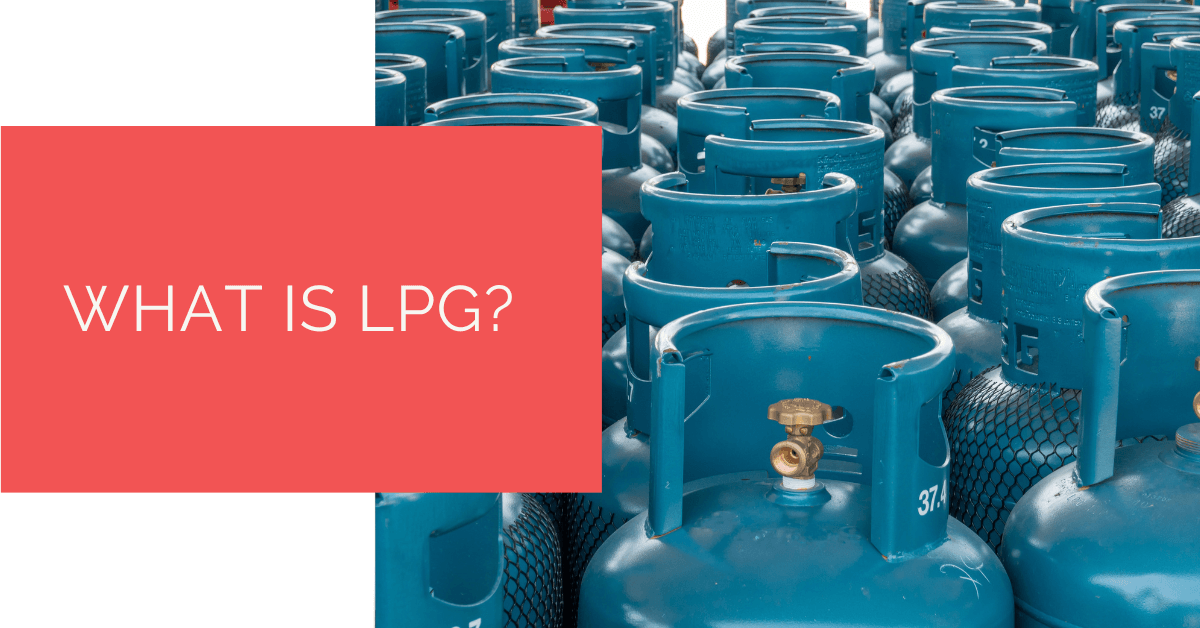
LPG stands for liquefied petroleum gas. It is a portable fuel used where mains gas is unavailable or inconvenient, from patio heaters and barbecues to caravans, forklifts, rural homes and some commercial heating systems.
The useful thing about LPG is that it can be stored as a liquid under pressure and used as a gas when released. The important safety point is that it is highly flammable and heavier than air, so storage, ventilation and equipment condition matter.
Key Takeaways
- LPG usually means propane, butane or a mixture of the two.
- It is stored as a liquid under pressure and used as a gas.
- Propane performs better outdoors and in colder conditions than butane.
- LPG is highly flammable and heavier than air, so leaks can collect in low places.
- Use appliances, regulators and cylinders only as specified by the manufacturer.
What LPG Is
LPG is a hydrocarbon fuel made mainly of propane and butane. GOV.UK describes it as colourless and highly flammable, with odour compounds added so leaks can be detected. It is produced during natural gas processing and oil refining, then stored in cylinders or tanks under pressure.

When LPG leaves the cylinder or tank, it changes back into gas and can be burned in suitable appliances. That portability is why it is used in off-grid heating, outdoor cooking, camping equipment and some industrial processes.
Propane Vs Butane
Propane and butane are both LPG, but they behave differently in cold conditions. Propane has a much lower boiling point, so it continues to vaporise well in colder outdoor temperatures. That makes it the usual choice for patio heaters, caravans, outdoor appliances and bulk domestic LPG tanks.
Butane is commonly used in smaller indoor portable applications and fair-weather camping, but it performs poorly in cold conditions. The appliance label matters. Do not swap gas type, regulator or cylinder connection unless the appliance manufacturer says it is compatible.
How LPG Is Stored And Supplied
LPG may be supplied in small canisters, portable cylinders, larger exchange bottles or bulk tanks. The liquid takes up less space than gas, which makes transport and storage practical. Cylinders should be kept upright, secure, ventilated and away from heat or ignition sources.

For bulk installations, HSE guidance stresses safe storage, pipework, valves, maintenance and risk assessment. Domestic and commercial users should use qualified professionals for installation and servicing rather than modifying LPG systems themselves.
Common LPG Uses
| Use | Typical Gas | Main Caveat |
|---|---|---|
| Patio heaters and barbecues | Propane or butane depending on appliance | Outdoor ventilation and cylinder safety |
| Caravans and camping | Propane in colder conditions | Correct regulator and appliance compatibility |
| Off-grid home heating | Bulk propane | Tank siting, deliveries and servicing |
| Forklifts and industrial uses | Propane | Workplace safety and ventilation |
Safety Points That Matter
The HSE notes that LPG is heavier than air, so leaked gas can settle in drains, cellars and low spots. That creates fire, explosion and suffocation risks. If you suspect a leak, turn off the supply if safe, avoid ignition sources, ventilate and follow supplier or emergency guidance.
Never store LPG cylinders in basements, near drains or beside heat sources. Do not use outdoor LPG appliances indoors. If LPG is part of a home heating system, the same seriousness applies as with other gas fuels: correct installation, servicing and carbon monoxide precautions are essential.
LPG Compared With Other Heating Fuels
LPG is useful where mains gas is unavailable and where oil, solid fuel or electric heating are not suitable. It can be cleaner at the point of use than some fuels, but it is still a fossil fuel and prices depend on supply arrangements. For long-term heating decisions, compare LPG with heat pumps, electric heating, oil and biomass around cost, carbon, maintenance and property suitability.
If LPG is being considered for heating, our guides to types of boilers and gas boiler alternatives may help frame the decision.
LPG In Homes Vs Portable Appliances
There is a big difference between a small cylinder used for a barbecue and a fixed LPG heating installation for a home. Portable appliances depend on the correct cylinder, hose, regulator and outdoor ventilation. A home LPG system involves tank siting, delivery access, pipework, boiler compatibility and professional servicing.
If you are comparing LPG with other heating options, consider security of supply and storage as well as appliance cost. Rural homes using bulk LPG need delivery planning, tank access and enough space for safe siting. Portable cylinder users need to check seals, hoses and regulator condition before each season.
The HSE explains LPG safety issues including flammability and the fact that LPG can collect in low spots. GOV.UK also provides public health and incident guidance for LPG exposure.
For any fixed LPG heating installation, keep supplier paperwork, service records and tank information accessible for future engineers.
Propane, Butane And BioLPG
Most domestic bulk LPG heating in the UK uses propane because it performs well in cold outdoor storage conditions. Butane is more common in smaller portable applications and is less suitable for cold outdoor use. BioLPG is a lower-carbon alternative offered by some suppliers, but availability, blend and cost need checking with the supplier rather than assumed.
For the reader, the key is compatibility. Appliance labels, regulators and cylinder connections are not decorative details. They tell you what fuel the appliance is designed to use safely.
What To Check If You Use LPG At Home
| Check | Why It Matters |
|---|---|
| Tank or cylinder location | Needs ventilation, access and safe separation from ignition sources |
| Regulator and hose condition | Old or damaged parts can leak or restrict supply |
| Appliance compatibility | Natural gas appliances cannot simply use LPG without correct conversion |
| Service records | Fixed LPG systems need professional maintenance |
| Carbon monoxide alarms | Combustion appliances need CO safety precautions |
When LPG Is Useful And When It Is Not
LPG is useful for off-grid homes, rural businesses, mobile uses and outdoor appliances because it is easy to transport and store compared with many other fuels. It is less attractive where mains gas is available at lower cost, where heat pumps are practical, or where there is no safe storage location.
For heating, compare LPG with oil, electric heating, biomass and heat pumps. LPG can be convenient, but it is still a delivered fuel with price, storage and servicing considerations. A good heating decision should look beyond the boiler and include the tank, supplier contract, delivery access and long-term carbon plans.
Expert Insights From Our Heating Engineers
Our heating engineers treat LPG as a practical fuel with a stricter safety mindset than many casual users apply. Small cylinders can feel familiar because they are common in gardens and camping, but the risks are real if cylinders, hoses, regulators or appliances are misused.
The most common problems are poor storage, old hoses, wrong regulators and using outdoor equipment in enclosed spaces. If you are using LPG for fixed heating, get the installation designed and serviced properly. If you are using bottled LPG, check the appliance instructions every time you change setup.
Frequently Asked Questions
What Does LPG Stand For?
LPG stands for liquefied petroleum gas. It usually refers to propane, butane or a mixture of both. The gas is stored under pressure as a liquid, then becomes gas again when released for use in suitable appliances.
Is LPG The Same As Propane?
Propane is a type of LPG, but LPG can also mean butane or a propane-butane mixture. In the UK, propane is commonly used outdoors and for bulk domestic supply because it performs better in colder temperatures than butane.
Is LPG Dangerous?
LPG can be used safely when stored, installed and maintained correctly, but it is highly flammable and heavier than air. Leaks can collect in low areas and create fire or explosion risks. Use correct equipment and follow supplier safety guidance.
Can LPG Be Used For Home Heating?
Yes, LPG can be used for home heating, particularly in off-grid properties without mains gas. It is usually stored in a bulk tank and used with an LPG-compatible boiler. Installation, tank siting, servicing and deliveries all need planning.
What Is The Difference Between LPG And Natural Gas?
Natural gas is supplied through the mains network and is mostly methane. LPG is stored in cylinders or tanks and is mainly propane or butane. Appliances, pressures and regulators differ, so equipment must be designed for the specific gas.
Why Is LPG Given A Smell?
Pure LPG has little or no smell, so an odorant is added to help people detect leaks. If you smell gas, do not ignore it. Turn off the supply if safe, avoid flames and electrical switches, ventilate and follow emergency guidance.
Summing Up
LPG is a portable fuel, usually propane or butane, stored as a liquid under pressure and used as a gas. It is useful for off-grid heating, outdoor appliances and portable equipment, but safety depends on correct storage, ventilation, regulators, appliances and maintenance.
Updated